Big Walk Developer House House Reveals Generative AI Use, Sparking Indie Game Community Debate


7 Sources
[1]
The indie game community is in disarray over AI and Big Walk
Some Independent Games Festival (IGF) jurors published a statement yesterday saying they would not vote for games that use generative AI in "any capacity." Soon after, the developer of indie hit Big Walk has published a statement saying it "sparingly" used AI in the "final stretch" of the game's
[2]
Big Walk AI Controversy Is a GOTY Awards Twist Sparking a Bigger Debate
Big Walk, one of the best-reviewed games of 2026 and by all measures a Game of the Year darling, faces a crossroads on the eve of awards season. Following a recent disclosure of AI use from its developer, Big Walk's chances at one awards show seem fraught. And its shot at the big one (December's
[3]
Big Walk developer reveals it used generative AI 'sparingly', estimates 'well under 0.1%' was actually coded using LLMs
Big Walk developer House House has sparked a brand-new generative AI debate after revealing that it had utilised LLMs "sparingly" during the final stretch of the game's development. The revelation came in the hours following a statement from a handful of jurors participating in the Independent
[4]
Under pressure, Big Walk developer House House apologises for using generative AI "sparingly" while making its hit 2026 game
Australian developer House House has revealed it used generative AI "sparingly" to help make celebrated, indie, multiplayer puzzle game Big Walk. In a statement sent to Aftermath - following a judging fallout related to the Independent Games Festival - House House revealed it had used large
[5]

A Big Talk Breaking Down Big Walk's AI Fallout
Kotaku has a big talk about our big feelings about the recent disclosure AI was used in its development Big Walk, the game that was likely at or near the top of a lot of people's game of the year lists, was made in very small part with the use of AI. This was not previously disclosed publicly or
[6]

Big Walk devs admit to gen AI use, worry that they're part of the problem as refunds and negative Steam reviews pour in
"We support the work of those who are trying to limit the harm generative AI is doing to videogames and our world," House House says Indie darling Big Walk has found itself in hot water as developer House House admits to previously undisclosed AI usage "in the final stretch" of its co-op game's
[7]
House House Confirms 'Under 0.1 Percent Of Big Walk's Code' Was Written Using AI Following IGF Controversy
In a statement published on the game's FAQ, House House apologised to those 'trying to limit the harm generative AI is doing' after confirming their use of LLM tools House House, the beloved Australian developer behind Untitled Goose Game and the breakout 2026 indie hit Big Walk, has updated its
Share
Copy Link
House House disclosed that Big Walk used generative AI for less than 0.1% of its code during development, triggering intense debate at the Independent Games Festival. 19 IGF jurors, including Sam Barlow, announced they won't vote for games using AI in any capacity, raising questions about disclosure practices and ethical implications for the indie game community.
House House Discloses Minimal Generative AI Use in Big Walk
House House, the developer behind Untitled Goose Game, revealed that Big Walk used generative AI "sparingly" during its final development phase
1
. The studio estimates that less than 0.1% of code involved large language models, primarily to address technical challenges and bugs3
. In one instance, House House used LLMs to generate approximately 10 lines of code to fix a lighting issue after extensive research and consultation with a Unity engineer proved insufficient1
. The disclosure came through the studio's Independent Games Festival submission, not through Steam, which doesn't require disclosure of code or chatbot usage4
.
Source: Eurogamer
IGF Jurors Draw Hard Line Against AI in Game Development
19 IGF jurors published a statement declaring they would not vote for games using generative AI "in any capacity," including AI-generated code
1
. The group, which includes Immortality director Sam Barlow and Celeste composer Lena Raine, cited a "significant increase" in games developed with generative AI tools among this year's entries3
. The statement emphasized that programming deserves the same respect as other creative disciplines and highlighted concerns about training models using creators' work without consent3
. On Bluesky, Sam Barlow noted that while IGF discussions are typically lively, this year's conversation proved "even more intense"2
. Some jurors expressed concern about signing the statement due to potential professional blowback, indicating the contentious nature of taking public stances on AI in game development1
.Disclosure Practices and Ethical Implications Under Scrutiny
The revelation has intensified debate within the indie game community about transparency and ethical implications of AI usage. House House acknowledged that Big Walk was developed without an internal AI usage policy, calling this "a failure" and committing to establish comprehensive guidelines moving forward
4
. The studio expressed concern that voluntary disclosures might normalize generative AI technology or treat it as "inevitable," while simultaneously apologizing that their LLM usage may not meet community standards1
. Critics question why House House didn't disclose AI use upon release if the usage was minimal, with some viewing the lack of upfront transparency as problematic regardless of the limited scope2
. Social media responses revealed programmers thanking IGF jurors for recognizing coding as an art form deserving protection from AI encroachment2
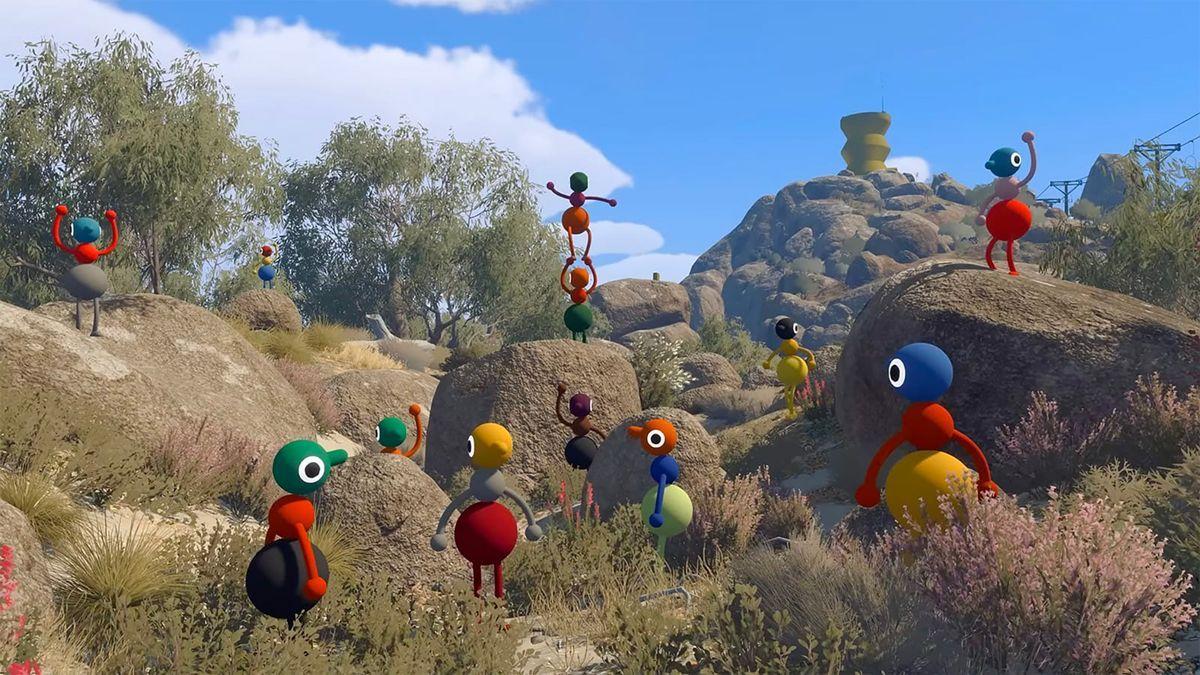
.
Source: GamesRadar
Related Stories

Impact on Awards Season and Industry Standards
Big Walk entered this controversy as a strong Game of the Year contender for 2026, with widespread critical acclaim including a five-star review from Eurogamer
4
. The disclosure threatens its standing during awards season, particularly at the Independent Games Festival where it was considered a likely candidate for the Seumas McNally Grand Prize5
. While the jurors' statement doesn't represent the entire IGF organization, its public nature and media traction could influence other voters2
. The debate reveals fractures within the gaming community beyond simple "AI good" versus "AI bad" positions, with some arguing that House House's minimal, technical use represents a best-case scenario, while others maintain that any AI usage crosses an important ethical line2
. Industry observers note that establishing clear expectations around code quality and AI usage will shape future development practices, particularly as developers navigate what many assume is already widespread but undisclosed LLM use in coding processes5
.References
Summarized by

Navi
Related Stories
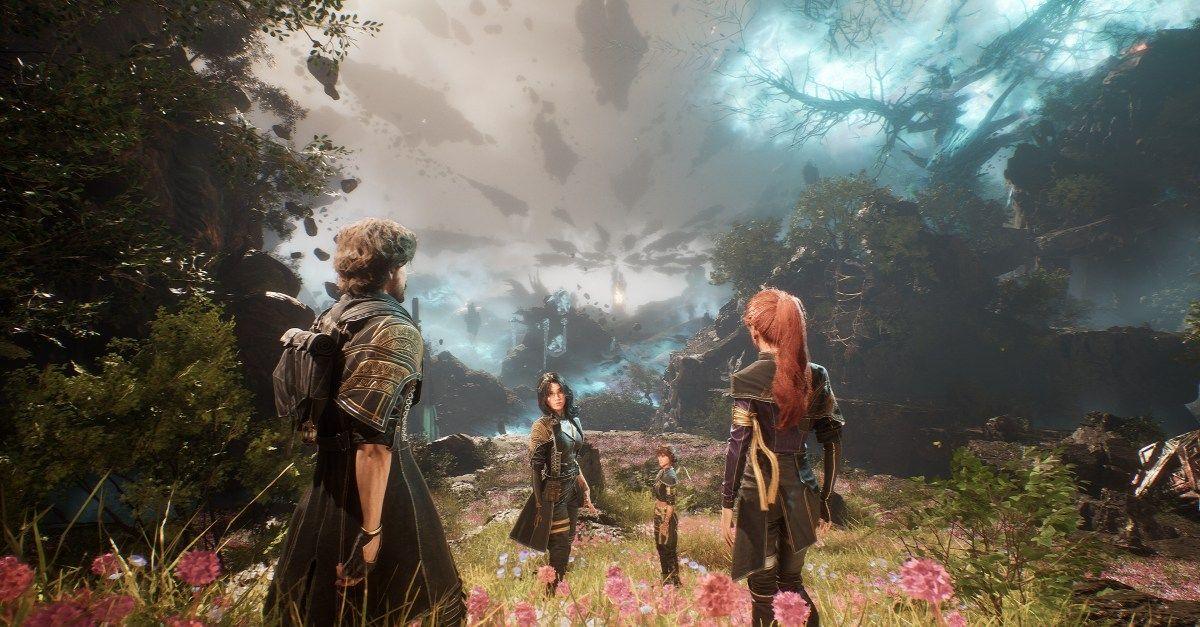
Indie Game Awards strips Clair Obscur: Expedition 33 of Game of the Year over generative AI use
21 Dec 2025•Entertainment and Society
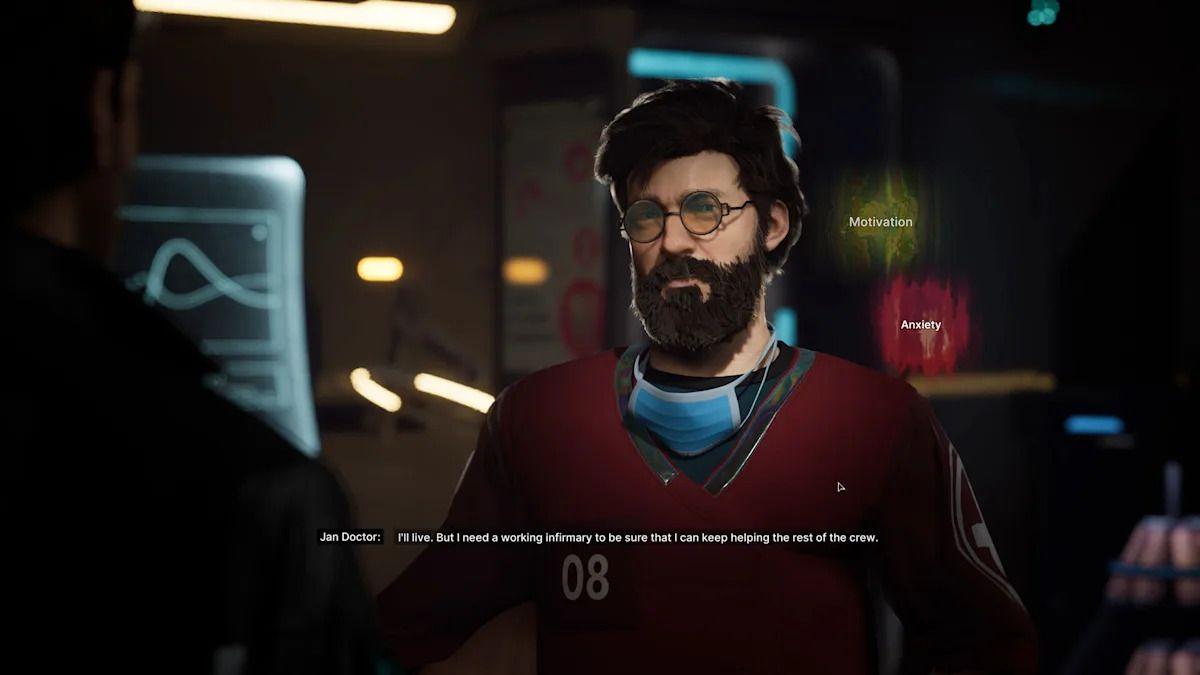
11 Bit Studios Faces Backlash Over Undisclosed AI Use in The Alters
30 Jun 2025•Technology
Game Developers Reject Generative AI Despite Tech Industry Push at GDC 2026
22 Mar 2026•Technology

Recent Highlights



Recent Highlights
Today's Top Stories







Don’t drown in AI news. We cut through the noise - filtering, ranking and summarizing the most important AI news, breakthroughs and research daily. Follow topics that matter to you and stay ahead.


