Huawei Seeks to Expand AI Chip Market in Middle East and Southeast Asia


4 Sources
[1]
Huawei Seeks AI Chip Customers in Middle East, Southeast Asia
Huawei Technologies Co. is trying to export small quantities of AI chips to the Middle East and Southeast Asia, an effort to establish a foothold in markets dominated by Nvidia Corp. despite ongoing manufacturing challenges. The hardware giant -- China's strongest competitor to leading US
[2]
Huawei seeks AI chip deals in Middle East, Southeast Asia, Bloomberg News reports
July 10 (Reuters) - Huawei Technologies is attempting to export small amounts of AI chips to the Middle East and Southeast Asia, as it looks to establish itself in markets dominated by U.S. chip designer Nvidia (NVDA.O), opens new tab, Bloomberg News reported on Thursday. The Chinese telecom giant
[3]
Huawei seeks AI chip deals in Middle East, Southeast Asia: Report - The Economic Times
Huawei Technologies is attempting to export small amounts of AI chips to the Middle East and Southeast Asia, as it looks to establish itself in markets dominated by US chip designer Nvidia, Bloomberg News reported on Thursday. The Chinese telecom giant has reached out to potential customers in the
[4]
Huawei seeks AI chip deals in Middle East, Southeast Asia, Bloomberg News reports
(Reuters) -Huawei Technologies is attempting to export small amounts of AI chips to the Middle East and Southeast Asia, as it looks to establish itself in markets dominated by U.S. chip designer Nvidia, Bloomberg News reported on Thursday. The Chinese telecom giant has reached out to potential
Share
Copy Link
Huawei is attempting to export AI chips to the Middle East and Southeast Asia, challenging Nvidia's dominance in these markets. The company is offering its older-generation Ascend 910B processors and remote access to its advanced AI system.
Huawei's Strategic Move into New AI Chip Markets
Huawei Technologies Co., China's leading competitor to US chipmakers, is making a bold move to expand its artificial intelligence (AI) chip market presence in the Middle East and Southeast Asia. The company is attempting to export small quantities of AI chips to these regions, challenging the dominance of US chip designer Nvidia Corp
1
.
Source: Bloomberg
Target Markets and Product Offerings
Huawei has reached out to potential customers in the United Arab Emirates, Saudi Arabia, and Thailand, offering its older-generation Ascend 910B AI processors
2
. The company is proposing to supply these chips in quantities in the low thousands, although the exact numbers remain unclear. Additionally, Huawei is attempting to attract customers by offering remote access to CloudMatrix 384, a China-based AI system built with more advanced Huawei chips3
.Market Dynamics and Challenges
The Middle East has emerged as a booming market for AI chips, with several US technology firms, including Nvidia, announcing significant deals. Recently, the UAE and Saudi Arabia struck agreements for well over a million Nvidia and Advanced Micro Devices Inc. chips over several years
1
.However, Huawei faces challenges in these new markets. No deals have been finalized yet, and parties in the UAE have not shown interest. The status of talks in Thailand remains unclear
4
.US-China Tech Rivalry and Export Controls
Huawei's push into these markets comes amid ongoing US-China tech tensions. Successive US administrations have sought to restrict China's access to advanced American chip technology, citing concerns about potential military applications
2
.These export controls have significantly impacted the competitive landscape. An Nvidia spokesperson stated, "With the current export controls, we are effectively out of the China datacenter market, which is now served only by competitors such as Huawei" .
Related Stories
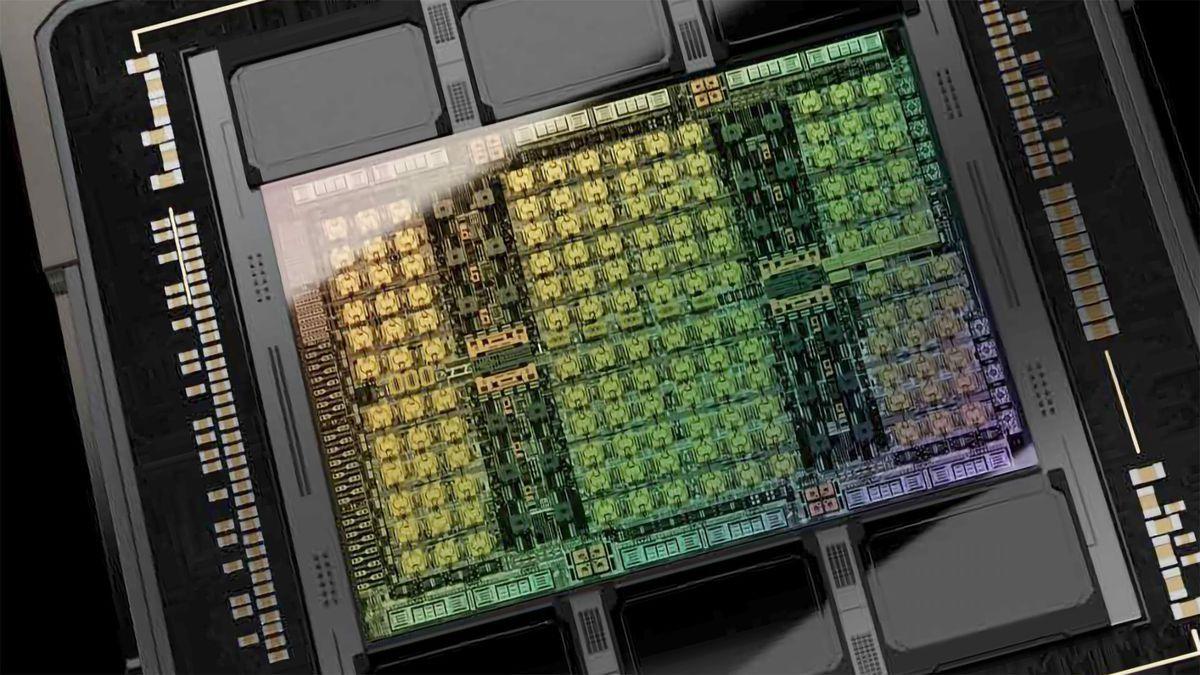



Huawei's Domestic Strategy
Source: ET
While seeking new international markets, Huawei is also focusing on its domestic market. The company is selling its advanced AI chip product, the 910Cs, to Chinese firms that cannot access best-in-class American chips due to export restrictions
4
.Future Implications
Huawei's efforts to expand its AI chip market presence in the Middle East and Southeast Asia could potentially reshape the global AI chip industry. If successful, it could challenge the current dominance of US companies in these regions and provide Huawei with new revenue streams amidst ongoing challenges in Western markets.
References
Summarized by

Navi
Related Stories
Recent Highlights



Recent Highlights
Today's Top Stories



Don’t drown in AI news. We cut through the noise - filtering, ranking and summarizing the most important AI news, breakthroughs and research daily. Follow topics that matter to you and stay ahead.


