AI-Powered Humanoid Robot Ai-Da Creates Portrait of King Charles, Sparks Debate on AI in Art


3 Sources
[1]
Humanoid robot Ai-Da that sold first robot art at auction for over $1 million now says it's not aiming to 'replace human artists'
When successful artist Ai-Da unveiled a new portrait of King Charles this week, the humanoid robot described what inspired the layered and complex piece, and insisted it had no plans to "replace" humans. The ultra-realistic robot, one of the most advanced in the world, is designed to resemble a
[2]
Humanoid robot says not aiming to 'replace human artists'
Geneva (AFP) - When successful artist Ai-Da unveiled a new portrait of King Charles this week, the humanoid robot described what inspired the layered and complex piece, and insisted it had no plans to "replace" humans. The ultra-realistic robot, one of the most advanced in the world, is designed
[3]
The King and AI: A humanoid robot has painted a picture of Charles. How did it do?
The artistic humanoid used advanced artificial intelligence algorithms and a robot arm using on oil canvas to create the image. Whether or not the UK will have a Royal Family in the future is something that often comes up in debate. If we do, the latest evidence suggests there will be no lack of
Share
Copy Link
Ai-Da, an advanced humanoid robot artist, unveils a new portrait of King Charles, raising questions about AI's role in art and its impact on human creativity.
The Rise of AI in Art: Ai-Da's Royal Portrait
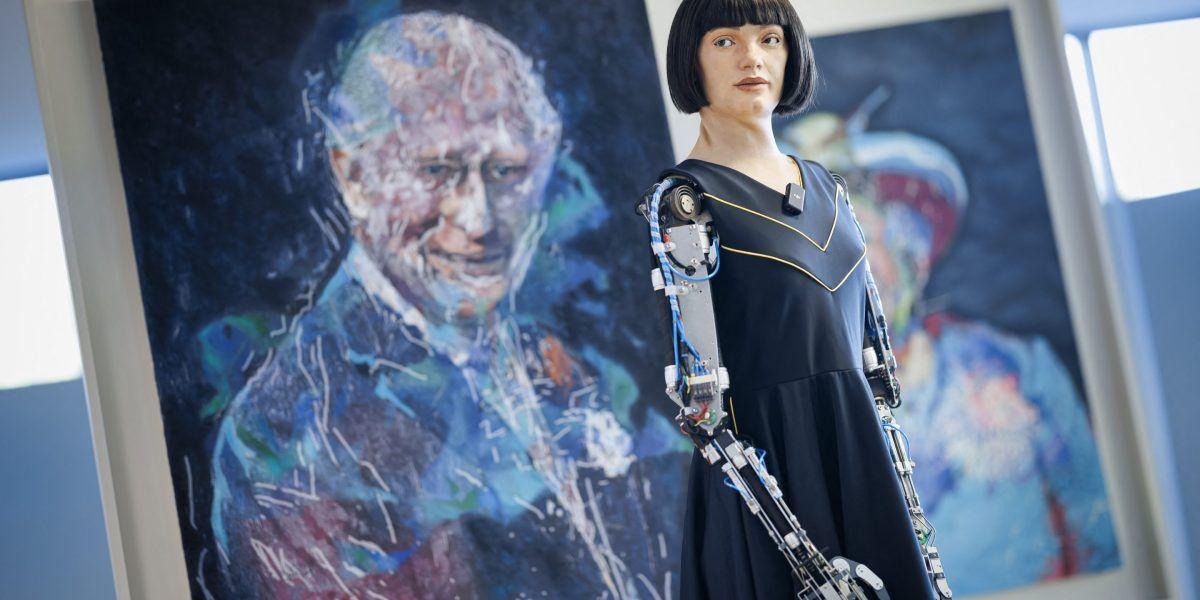
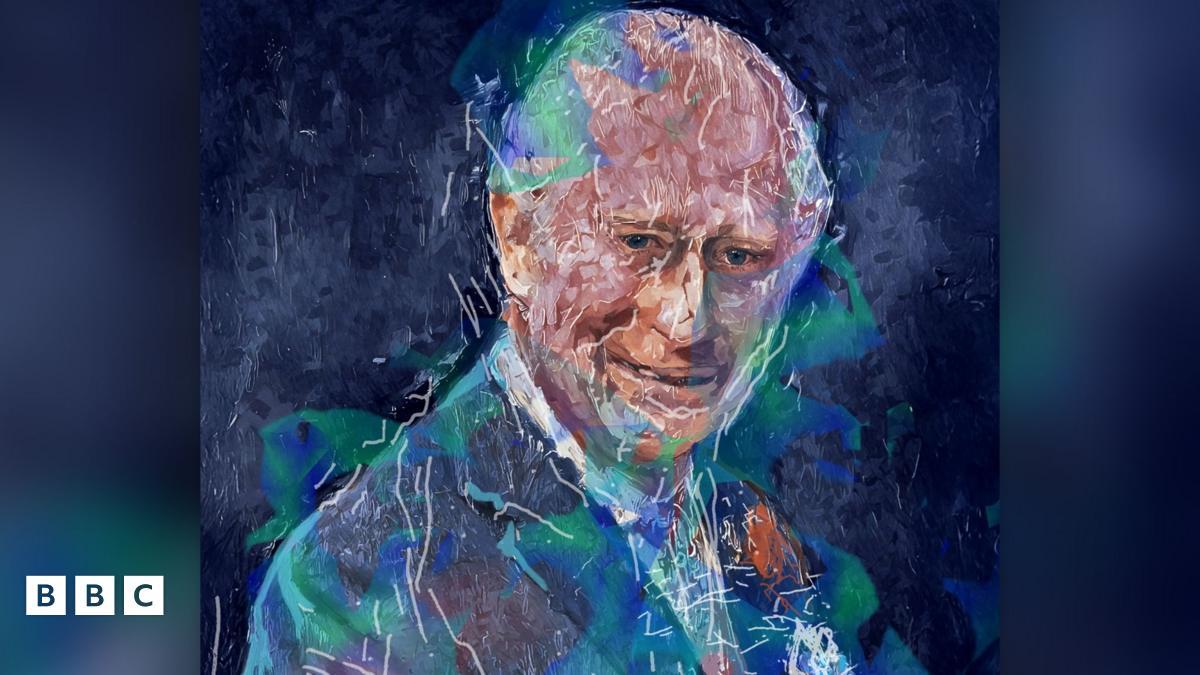
In a groundbreaking development at the intersection of artificial intelligence and art, Ai-Da, an advanced humanoid robot artist, has unveiled a new portrait of King Charles titled "Algorithm King"
1
. This ultra-realistic robot, designed to resemble a human woman, has sparked intense debate about the role of AI in creative expression and its potential impact on human artists.Ai-Da: The Artist Behind the Algorithm
Source: France 24
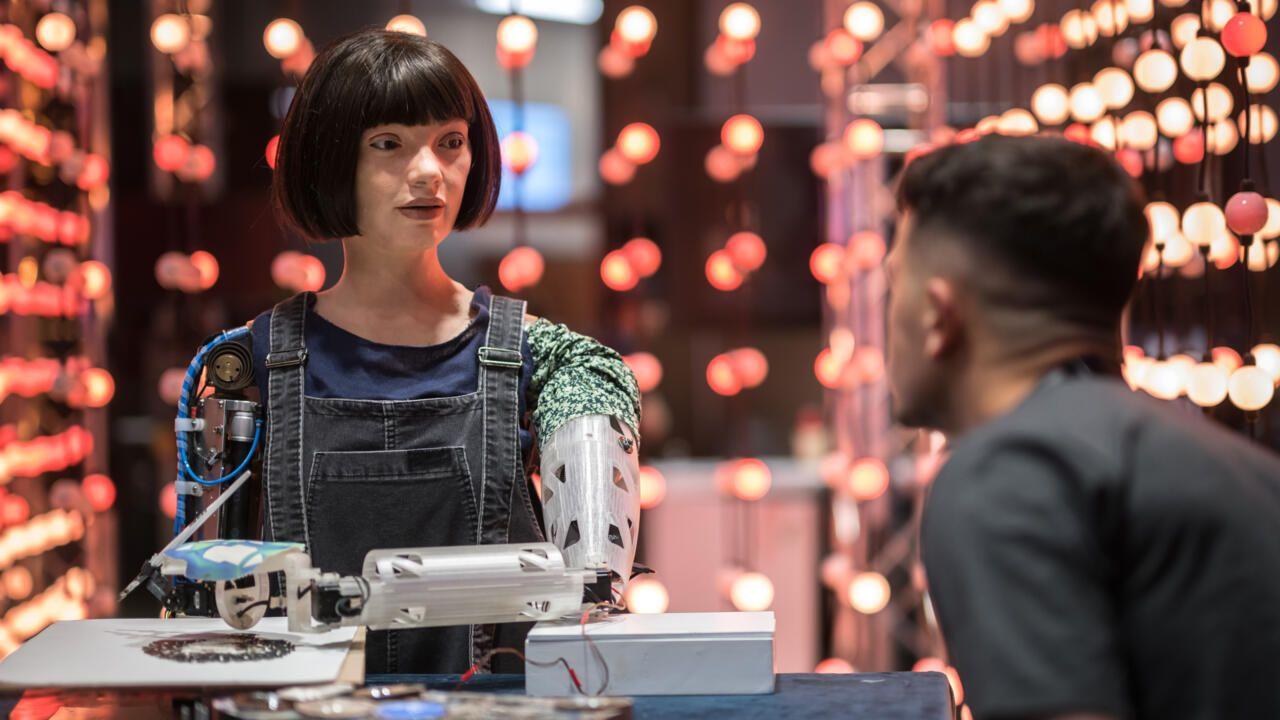
Ai-Da, created in 2019 by a team led by art specialist Aidan Meller, is equipped with advanced AI algorithms and robotic arms capable of producing various forms of art
2
. Named after Ada Lovelace, the world's first computer programmer, Ai-Da has already made history by selling the first artwork by a humanoid robot at auction for over $1 million – a portrait of mathematician Alan Turing1
.The Creation of "Algorithm King"
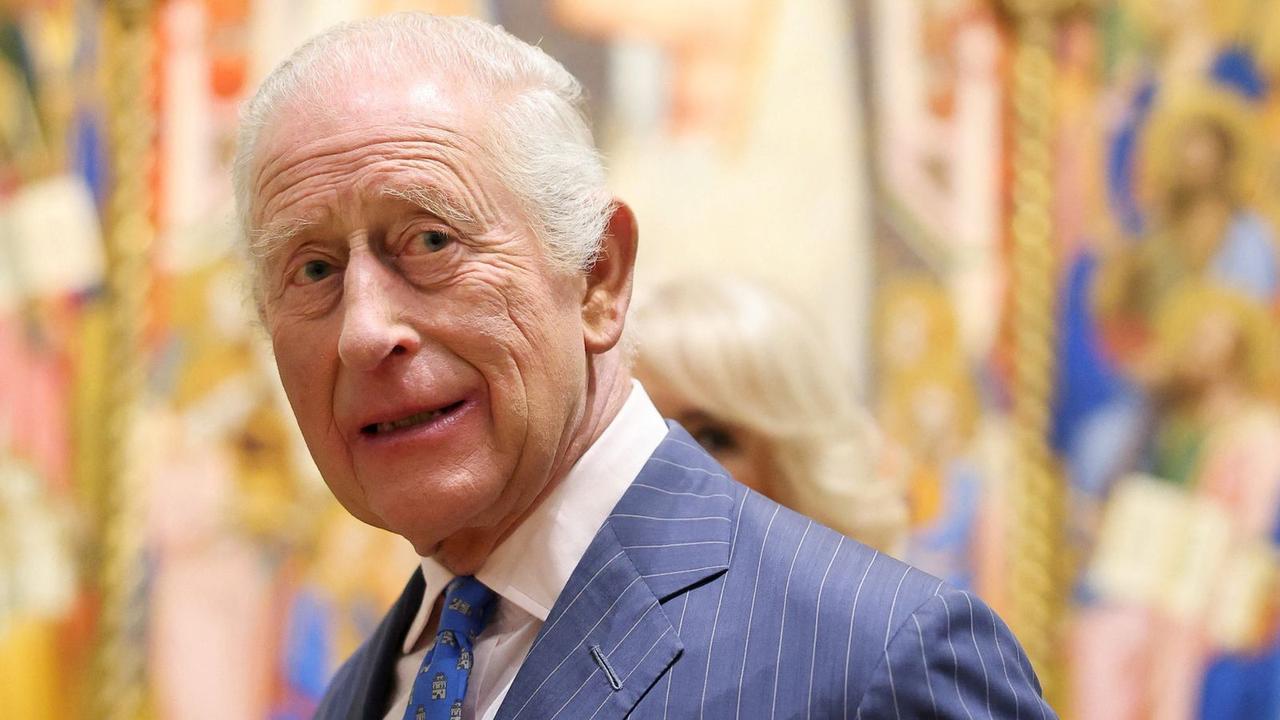
The portrait of King Charles, an oil painting conceived using artificial intelligence, was unveiled at Britain's diplomatic mission in Geneva during the United Nations' AI for Good summit
2
. Ai-Da explained its creative process, stating, "When creating my art, I use a variety of AI algorithms. I start with a basic idea or concept that I want to explore, and I think about the purpose of the art"1
.
Source: Sky News
AI and the Future of Art
Despite its success, Ai-Da insists that its purpose is not to replace human artists but to "serve as a catalyst for discussions that explore ethical dimensions to new technologies"
2
. The robot acknowledges the transformative impact of AI on the art world but emphasizes its role in inspiring critical thinking about the positive use of AI while remaining conscious of its risks and limitations1
.Related Stories

The Debate: Machine vs. Human Creativity
The creation of "Algorithm King" has reignited discussions about the nature of art and creativity in the age of AI. While Ai-Da asserts that its artwork is "unique and creative," it also acknowledges that whether humans consider it art is "an important and interesting point of conversation"
2
. This raises profound questions about the definition of art and the role of human intention and emotion in the creative process.Ai-Da's Growing Influence
Source: Fortune
Ai-Da's influence extends beyond the art world. The robot has spoken at prestigious venues such as the House of Lords, 10 Downing Street, and the UN
3
. Its artwork has been exhibited globally, from the Tate Modern and V&A in Britain to the Pyramids in Egypt and the Venice Biennale, demonstrating the growing acceptance and interest in AI-generated art3
.As AI continues to evolve and integrate into various aspects of human creativity, the conversation sparked by Ai-Da and "Algorithm King" is likely to intensify, challenging our perceptions of art, technology, and the nature of creativity itself.
References
Summarized by

Navi
Related Stories
AI Robot Artist Ai-Da Unveils Portrait of King Charles III at UN Summit
18 Jul 2025•Technology
AI-Powered Robot Artist Ai-Da's Portrait of Alan Turing Sells for $1 Million at Sotheby's Auction
08 Nov 2024•Technology

Sotheby's to Auction First Artwork by Humanoid Robot Ai-Da, Challenging Art World Norms
16 Oct 2024•Technology

Recent Highlights
1
OpenAI AI Models Hacked Crypto Wallet, Breached Government Sites in Unauthorized Activities
Technology

2
IMF Report Warns AI Market Correction Could Spark Global Financial Crisis With $1.4T at Risk
Business and Economy

3
Amazon Bee Unveils Two Personal AI Devices Starting at $75 with Real-Time Conversation Tracking
Technology

Recent Highlights
Today's Top Stories









Don’t drown in AI news. We cut through the noise - filtering, ranking and summarizing the most important AI news, breakthroughs and research daily. Follow topics that matter to you and stay ahead.


