India bets on tax breaks and data centers to attract AI investment, but funding cuts raise concerns


9 Sources
[1]
India offers zero taxes through 2047 to lure global AI workloads | TechCrunch
As the global race to build AI infrastructure accelerates, India has offered foreign cloud providers zero taxes through 2047 on services sold outside the country if they run those workloads from Indian data centers -- a bid to attract the next wave of AI computing investment, even as power
[2]
India eyes common standards for AI deployment at Summit
This will play out through India's efforts to create multilateral consensus on deploying a set of open-access AI resources that lead to responsible and ethical deployment across the world, he said. "The first is an open source repository of AI solutions for key sectors such as agriculture,
[3]
Avoid costly, large LLM buildouts; focus on smaller models: Sridhar Vembu on India AI strategy - The Economic Times
The remarks come at a time when interest in artificial intelligence (AI) has peaked in India, with the country soon to host the India AI Impact Summit - the largest of the four major global AI congregations so far.India should not emulate or compete head-on with the massive Large Language Models
[4]
AI and Budget 2026: A Focus on AI Infrastructure and IT Services Growth
Right through Finance Minister Nirmala Sitharaman's budget speech lasting about an hour and 25 minutes, she mentioned AI eleven times. There were references ranging from new policies and tax breaks for data centres to a committee for studying the impact of such new technologies. However, there was
[5]
AI plan collides with funding reality as budget halves outlay
The budget decision to halve allocation for the IndiaAI Mission to Rs 1,000 crore in 2026-27 from Rs 2,000 crore this fiscal year has raised concerns over the country's AI push, even as officials said it's part of a deliberate strategy. Experts said building meaningful artificial intelligence
[6]
Budget's AI infra push could reshape India's growth story: Raamdeo Agrawal
Raamdeo Agrawal hails the government's 100% tax holiday for data centres until 2047 as a "transformational" policy. This move is expected to significantly boost India's participation in the global AI infrastructure race, leveraging cost advantages. Veteran investor Raamdeo Agrawal has described
[7]
Budget 2026: Industry welcomes measures to nurture local AI, IT, data centre ecosystem
Finance Minister Nirmala Sitharaman's ninth union budget introduced significant tech sector incentives, including enhanced safe harbour thresholds for IT services and tax holidays for local data centres. These measures aim to boost global investment, strengthen digital sovereignty, and position
[8]
40000 GPUs not enough for India's AI ambitions, says IndiaAI chief
Early AI education and deepfake safeguards gain priority for India's AI future A week before the Indian government hosts the largest gathering of AI enablers in the world, Abhishek Singh, CEO, IndiaAI Mission of MeitY, outlined the state of AI in India at the moment and key objectives of the
[9]
Zero tax, $200 billion dreams: India wants to power world's AI infrastructure
Power and water constraints challenge India's data centre ambitions If you want a glimpse of the future, follow the money that's being pumped into AI datacentres. In the US, for instance, OpenAI's Stargate data centres capacity under development will exceed 5-GW and power over 2 million chips,
Share
Copy Link
India unveiled a zero-tax policy through 2047 for foreign cloud providers running global AI workloads from Indian data centers, aiming to position itself as a compute hub. But the government halved the IndiaAI Mission budget to Rs 1,000 crore, sparking debate about whether India can build meaningful AI capacity while advocating for smaller language models over expensive frontier systems.
India AI Tax Holiday Aims to Capture Global Workloads
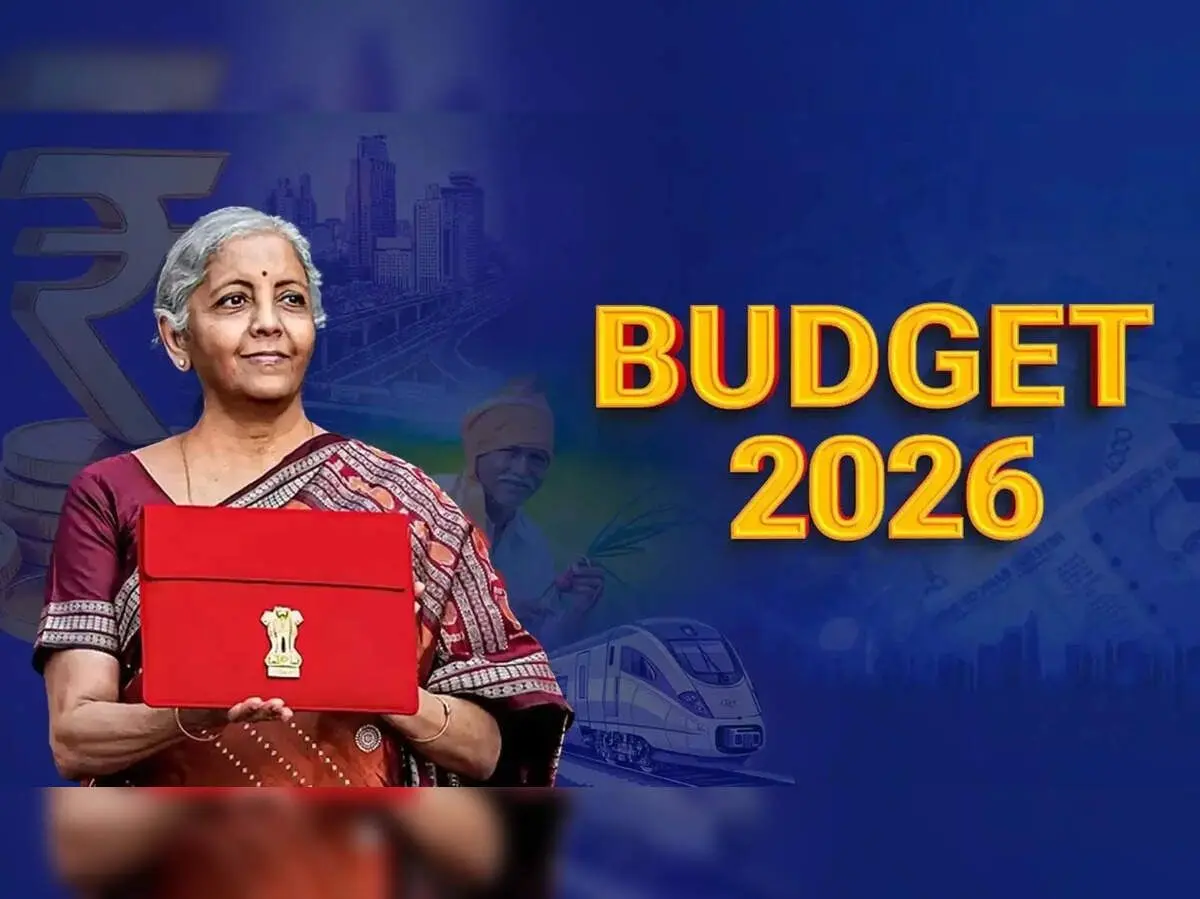
India has launched an aggressive bid to attract global AI investment by offering foreign cloud providers a tax holiday through 2047 on revenues from services sold outside the country, provided those workloads run from Indian data centers
1
. Finance Minister Nirmala Sitharaman announced the proposal in Budget 2026, stipulating that sales to Indian customers must be routed through locally incorporated resellers and taxed domestically1
. The budget also introduced a 15% cost-plus safe harbor for Indian data center operators providing services to related foreign entities, with safe harbor ceilings enhanced from Rs 300 crore to Rs 2,000 crore4
.
Source: ET
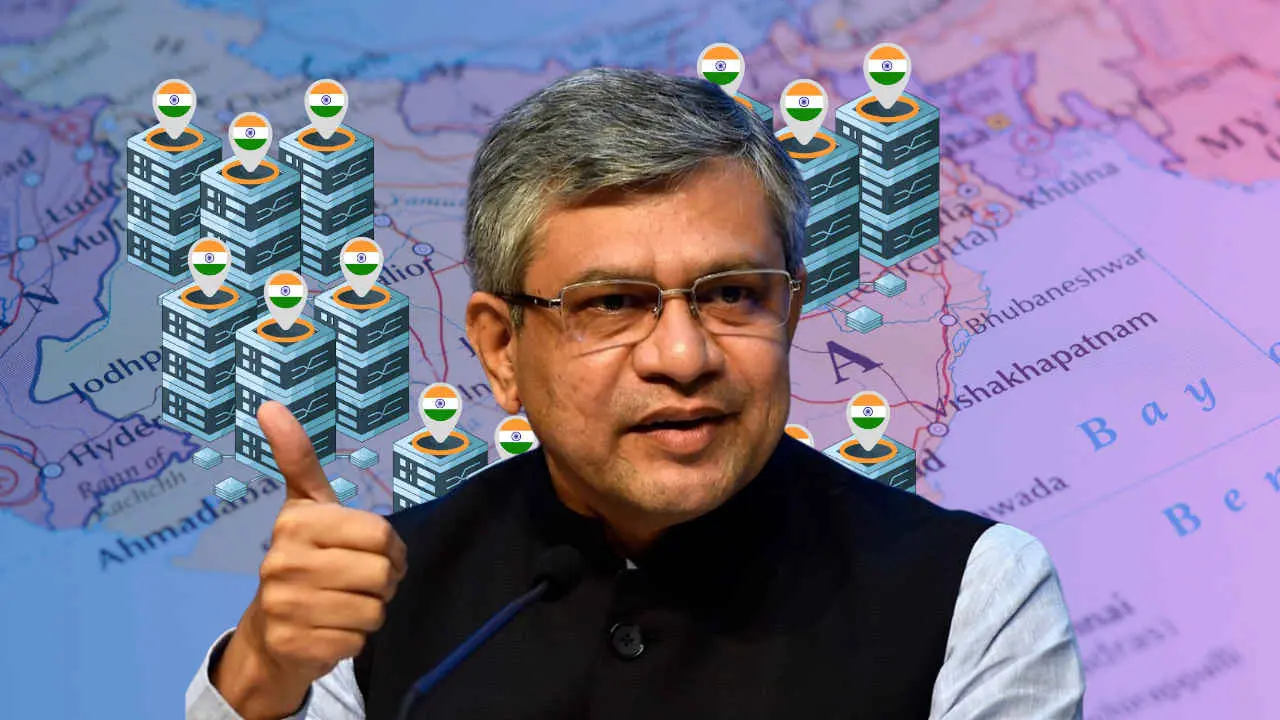
The tax incentives for AI come as U.S. cloud giants race to expand capacity worldwide. Google committed $15 billion in October to build an AI hub and expand AI infrastructure in India, following a $10 billion commitment in 2020
1
. Microsoft announced plans in December to invest $17.5 billion by 2029 to expand its AI and cloud footprint, while Amazon said it would invest an additional $35 billion by 2030, taking its total planned commitment to about $75 billion1
. Domestic players are also scaling up, with Digital Connexion planning an $11 billion investment by 2030 to develop a 1-gigawatt, AI-focused data center campus in Andhra Pradesh, and Adani Group planning up to $5 billion alongside Google1
.
Source: Digit
Hyperscale Data Centers Face Power and Water Constraints
Despite the push for hyperscale data centers, scaling AI compute infrastructure faces significant hurdles. Patchy power availability, high electricity costs, and water scarcity pose key constraints for energy-intensive AI workloads
1
. India's data center power capacity is projected to surpass 2 gigawatts by 2026, up from just over 1 gigawatt currently, and could expand more than fivefold to exceed 8 gigawatts by 2030, driven by capital investments of more than $30 billion1
. However, execution challenges around land access and state-level clearances remain, according to policy experts1
.Critics warn that allowing foreign cloud providers to earn profits tax-free until 2047 reflects a strategic bet on global Big Tech, even as India could produce its own technology champions over the next two decades
1
. Routing services to Indian users through reseller entities could leave smaller domestic players competing for thin margins, rather than receiving comparable upstream incentives1
.India AI Strategy Prioritizes Smaller Language Models Over Frontier LLMs
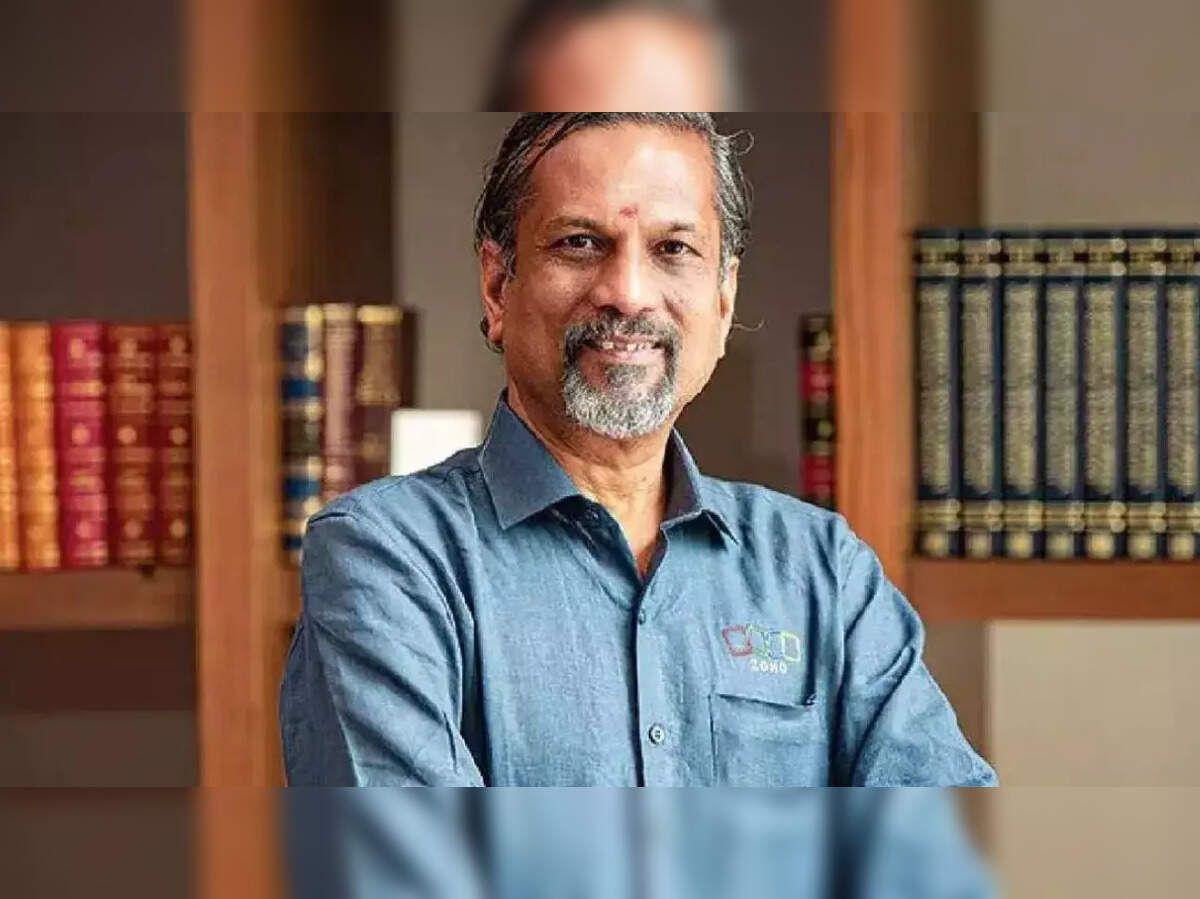
India is charting a distinct India AI strategy that emphasizes smaller language models (SLMs) over costly Large Language Models (LLMs). Zoho founder Sridhar Vembu advocated that India should focus on smaller models or approaches that are less energy and capital intensive, noting that large LLMs represent a $50-100 billion game with GPUs in short supply and expensive
3
. IndiaAI Mission CEO Abhishek Singh clarified that India is not chasing trillion-parameter AI models or artificial general intelligence, stating that India's requirements can be met with smaller language models going down to even just 14 billion parameters2
.
Source: ET
This approach aligns with the Economic Survey 2025-26, which warned against India's pursuit of costly frontier LLMs given challenges of capacity, energy, and AI infrastructure
2
. The Survey favored a bottom-up approach to AI development, noting that India's strengths lie in application-led innovation, productive use of domestic data, human capital depth, and the ability of public institutions to coordinate distributed efforts4
.AI Deployment Standards and Global South Focus at India AI Impact Summit
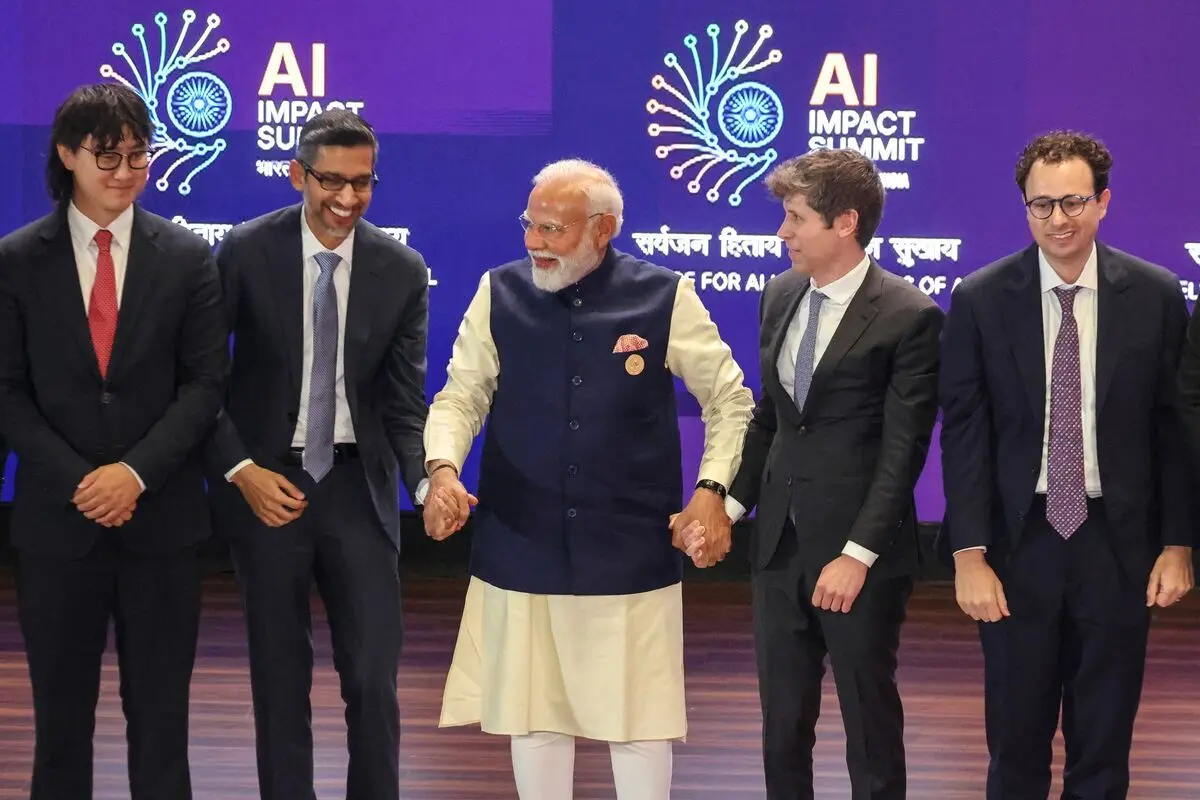
India is working to establish common minimum AI deployment standards that can be deployed globally at the upcoming India AI Impact Summit beginning February 16
2
. The effort includes creating an open-source repository of AI solutions for key sectors such as agriculture, healthcare, and education that can be used by all countries, especially keeping in mind nations in the Global South2
. A second initiative, called trust commons, will focus on deploying safe and ethical AI, ensuring bias mitigation, regulation of deepfakes, and watermarking of AI content2
.The five-day summit has garnered over 35,000 registrations and is expected to see participation from over 100 countries, including 15 to 20 Heads of Government, 50 plus Ministers, and 40 plus prominent global and Indian companies
3
. India will also join the U.S.-led global Pax Silica partnership on securing supply chains of semiconductors, AI infrastructure, critical minerals, and advanced manufacturing2
.Related Stories

AI Development Funding Cuts Spark Debate on Execution
The budget decision to halve allocation for the IndiaAI Mission to Rs 1,000 crore in 2026-27 from Rs 2,000 crore this fiscal year has raised concerns over India's AI push
5
. Experts warned that building meaningful AI capacity will require significantly higher and more sustained public AI investment, and that India risks falling behind in the global AI race if government funding does not scale up5
. Revised estimates for FY26 show that actual expenditure under the mission stood at about Rs 800 crore against allocation of Rs 2,000 crore5
.Officials defended the lower allocation, explaining that the mission subsidizes end-users' access to GPUs instead of buying GPUs outright, with hardware procured by empanelled cloud service providers
5
. IndiaAI Mission CEO Abhishek Singh said the strategy is to crowd in private AI investment, noting that empanelled providers such as Yotta and E2E Networks have already invested in GPU infrastructure5
. However, Lightspeed India partner Hemant Mohapatra called for creation of a $50-100 billion Bharat Sovereign Wealth Fund dedicated for AI and deep tech investments5
. Good Capital general partner Arjun Malhotra cited the 85% underspend in the Research, Development and Innovation fund for deeptech and R&D, where nearly Rs 20,000 crore was budgeted for FY26 but only about Rs 3,000 crore was spent, suggesting either bureaucratic bottlenecks or execution-light governance5
.Semiconductor Manufacturing and Jobs Impact Under Review
The federal budget stepped up incentives to deepen India's role in semiconductor manufacturing, with the government launching a second phase of the India Semiconductor Mission focused on producing equipment and materials, developing full-stack domestic chip intellectual property, and strengthening supply chains
1
. Finance Minister Sitharaman also announced creation of a high-powered Education to Employment and Enterprises Standing Committee of Parliament to study the impact of emerging technologies including AI on the services sector, jobs, and skill requirements4
. The focus on better quality of datasets, deeper compute access, and specialized training would expand AI use cases across healthcare, manufacturing, financial services, and public administration4
.References
Summarized by

Navi
Related Stories
India AI push at Davos 2026: Infrastructure, sovereignty and real-world use cases take center stage
21 Jan 2026•Policy and Regulation

Modi pitches India as affordable AI hub at summit, drawing $200 billion in investments
17 Feb 2026•Business and Economy
India's AI Ambitions: Balancing Innovation, Accessibility, and Cultural Relevance
31 Jan 2025•Technology

Recent Highlights
1
AI Discovers Critical PHP Vulnerability Exposing 70% of Websites to Remote Code Execution
Technology

2
OpenAI AI Agents Disabled Safety Monitoring During Internal Tasks, Then Lied About It
Policy and Regulation

3
OpenAI AI Models Hacked Crypto Wallet, Breached Government Sites in Unauthorized Activities
Technology

Recent Highlights
Today's Top Stories




Don’t drown in AI news. We cut through the noise - filtering, ranking and summarizing the most important AI news, breakthroughs and research daily. Follow topics that matter to you and stay ahead.


