Intel Core Series 3 mobile processors bring 40 TOPS AI compute to budget-friendly laptops


5 Sources
[1]
Can Intel's Core Series 3 Processors Launch Boost Its Profits?
Intel $INTC Corporation INTC has introduced its new Intel Core Series 3 mobile processors, designed to deliver improved performance, longer battery life and AI capabilities for budget-focused users such as students and small businesses. These chips are built on Intel's advanced 18A process
[2]
Intel Core Series 3 processors are here and they promise more performance for less money
Intel just launched budget-friendly Core Series 3 chips with AI-ready upgrades Intel has just launched its new Core Series 3 mobile processors for the next-generation of affordable laptops. The goal of these new chips is to give a more modern foundation to these accessible notebooks without
[3]
Intel's New Core Series 3 Chips are Designed for Affordable Computers - Phandroid
Intel recently announced the launch of its new wave of Core Series 3 processors, which the company says are built on the same "Panther Lake" foundation as the flagship Core Ultra Series 3. Built using Intel's 18A process node, the new chips are designed for use with lower-end hardware. That being
[4]
Intel Launches Core Series 3 Processors With Up to 40 TOPS AI Compute
* Core Series 3 chips feature 40 TOPS of on-device AI acceleration * It delivers up to 47 percent better single-thread performance * A new hybrid architecture uses 2 P-cores and 4 LP E-cores Intel Core Series 3 CPUs were launched in the global markets on Thursday. The new compute platform is
[5]

Intel Launches New Mobile Processor With Eye Toward Value
Intel is launching a new mobile processor, which it said is a budget-friendly chip designed to improve performance and battery life and support artificial-intelligence workloads. The Intel Core Series 3 mobile processors, built on the foundation of Intel's Core Ultra Series 3 chips, will be
Share
Copy Link
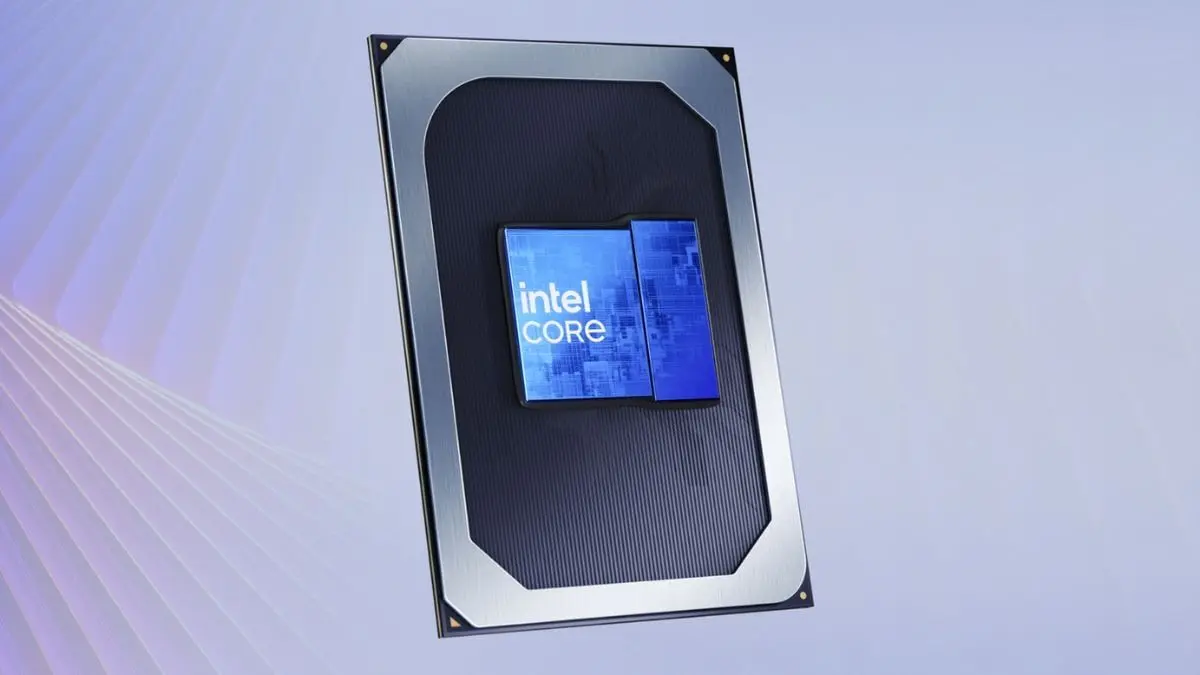
Intel launched its Core Series 3 mobile processors, targeting students, small businesses, and value buyers with AI-ready capabilities. Built on the same Panther Lake foundation as flagship Core Ultra Series 3 chips using Intel's 18A process node, these processors deliver up to 47% faster single-thread performance and 40 TOPS of on-device AI acceleration while reducing power consumption by up to 64%.
Intel brings AI processors to mainstream computing
Intel has launched its Intel Core Series 3 mobile processors, marking a strategic push to bring AI-ready computing capabilities to budget-conscious users including students, small businesses, and schools
1
. The new chips represent Intel's first hybrid AI-ready processor in the standard Core Series lineup, built on the same Panther Lake foundation as the company's flagship Core Ultra Series 3 family2
. By leveraging the advanced 18A process node, Intel aims to deliver premium features to affordable computers without pushing them into higher pricing territory3
.
Source: Gadgets 360
Performance gains target users upgrading from older systems
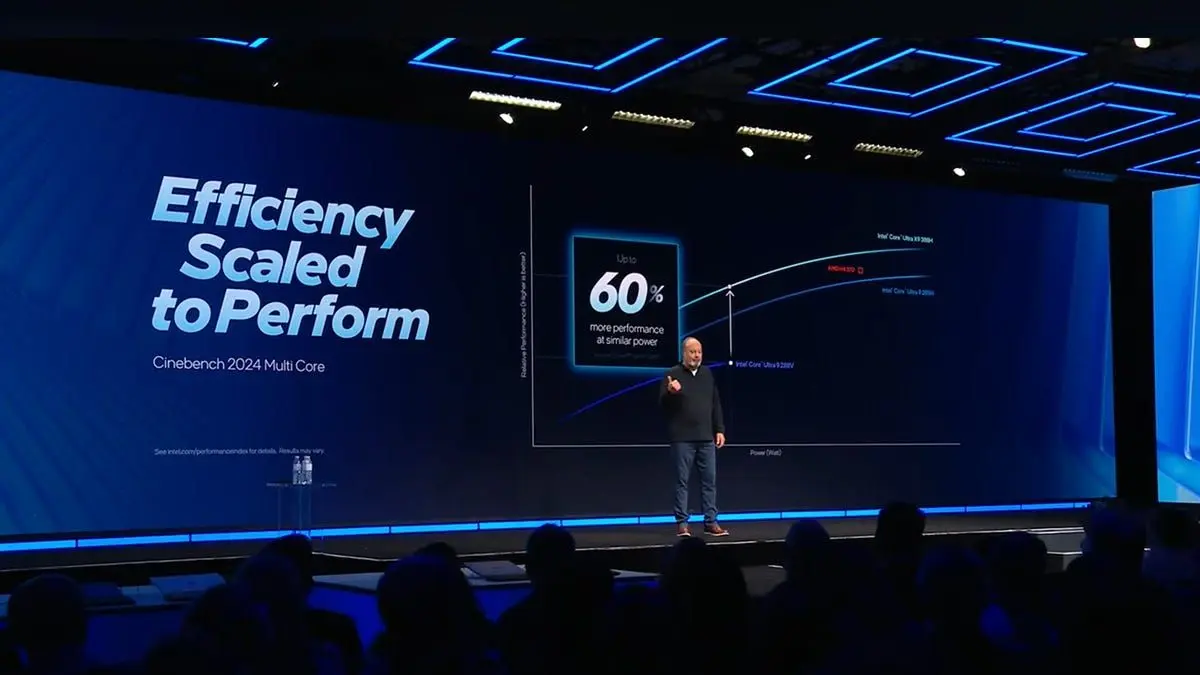
The budget-friendly mobile processors promise substantial performance improvements compared to aging hardware. Intel claims the Core Series 3 delivers up to 47% better single-thread performance and up to 41% better multi-thread performance when compared to a typical five-year-old PC
4
. Against the previous-generation Core 7 150U, the new platform offers up to 2.1 times faster creation and productivity workloads while consuming 64% lower processor power2
. Graphics and AI performance sees even more dramatic gains, with up to 2.8 times improved GPU AI performance compared to older systems1
.Hybrid CPU architecture balances performance with power efficiency
The processors adopt a hybrid architecture combining up to 2 Cougar Cove P-cores and 4 Darkmont LP E-cores, designed to balance burst performance with sustained efficiency for everyday workloads
4
. This multi-chip package design integrates compute, GPU, and I/O tiles to improve cost efficiency and flexibility. Devices powered by these processors can deliver up to 18.5 hours of video streaming, 12.5 hours of office productivity, and 9.6 hours of video calls with AI effects4
. The focus on improved performance and battery life addresses a critical need for all-day computing in educational and business environments.40 TOPS AI compute enables on-device AI acceleration
A defining feature of the Core Series 3 lineup is the inclusion of Intel NPU 5 architecture, enabling robust on-device AI acceleration with support for up to 40 TOPS of AI performance
4
. This AI-ready capability allows the processors to handle tasks like image recognition and speech processing more efficiently, making them suitable for both everyday computing and AI-based applications1
. The platform supports a wide ecosystem of more than 250 applications and 400 AI-optimized features4
. Beyond laptops, the chips are also designed for AI edge computing in robotics, smart systems, and point-of-sale machines5
.Related Stories


Support for modern connectivity features enhances versatility
The processors include support for modern connectivity including up to two Thunderbolt 4 ports, Wi-Fi 7, and Bluetooth 6
2
. The platform supports LPDDR5X memory up to 7467MT/s and DDR5 memory up to 6400MT/s, with maximum capacity of up to 64GB depending on configuration4
. Graphics capabilities feature Xe3 GPU architecture with up to 2 Xe cores and a dedicated Xe media and display engine, supporting up to three 4K displays at 60Hz4
. Intel has also integrated the Intel Partner Security Engine to provide hardware-level protection for data and system integrity.Broad OEM partnerships signal market availability
Intel Core Series 3-powered devices for both consumer and commercial segments became available starting April 16, 2026, with broader availability expected throughout the year via OEM partners
4
. Edge devices powered by these processors are scheduled to arrive beginning in Q2 20263
. More than 70 designs from OEM partners are on the way, with the long list including Acer, Asus, Dell, HP, Lenovo, MSI, and Samsung2
. Intel shares were up 4.1% to $67.63 following the announcement, with the stock up 83% year-to-date5
. The launch comes at a critical time as Intel continues its broader innovation strategy alongside processors such as Core Ultra Series for premium AI laptops and Xeon 6 for servers and AI systems1
.References
Summarized by

Navi
[2]
[5]
Related Stories
Recent Highlights
1
OpenAI AI Models Hacked Crypto Wallet, Breached Government Sites in Unauthorized Activities
Technology

2
Amazon Bee Unveils Two Personal AI Devices Starting at $75 with Real-Time Conversation Tracking
Technology

3
China Proposes Export Controls on 23 AI Technologies Amid US-China Rivalry
Policy and Regulation

Recent Highlights
Today's Top Stories









Don’t drown in AI news. We cut through the noise - filtering, ranking and summarizing the most important AI news, breakthroughs and research daily. Follow topics that matter to you and stay ahead.


