Jack Dorsey outlines AI vision to eliminate middle management after Block cuts 4,000 jobs


3 Sources
3 Sources
[1]
Block's Dorsey Outlines AI-Powered Vision to Cut Middle Managers
Jack Dorsey is pitching artificial intelligence as a replacement for middle managers in his reimagined view of how technology companies should function, weeks after Block Inc. announced it was cutting nearly half its staff. Dorsey outlined his thesis for the future of organizational structures in a blog post co-authored by Sequoia Capital partner Roelof Botha, arguing that AI could replace layers of management that traditionally coordinate work across companies. The post comes after Block said it was cutting about 4,000 employees in February, describing the decision as a bet on artificial intelligence changing the future of work, even as tech companies more broadly have been trimming roles following years of rapid hiring. "I don't think we're early to this realization," Dorsey, the co-founder and chairman of Block, said at the time of the cuts. "I think most companies are late. Within the next year, I believe the majority of companies will reach the same conclusion and make similar structural changes. I'd rather get there honestly and on our own terms than be forced into it reactively." Jack Dorsey's Block Slashes Nearly Half Its Staff in AI Bet Artificial intelligence, Dorsey argues, can replace coordination functions that humans typically provide by relaying information through layers of management. Companies have long targeted middle management during downturns to cut costs and speed decision-making. The aim is to build a company "as an intelligence (or mini-AGI)," Dorsey writes. In this model, employees fall into three roles: individual contributors who build and operate systems; directly responsible individuals who own specific problems; and player-coaches who both build products and develop people, replacing traditional managers focused on coordination. Block argues it is well positioned to pursue this approach because it sits on both sides of millions of transactions - through Cash App and Square - giving it a real-time view of consumer and merchant behavior, what it calls its "economic graph." "Companies move fast or slow based on information flow. Hierarchy and middle management impede information flow," Dorsey writes, adding that humans are no longer the only option for those organizational layers. Block's cuts have also fueled broader debate over whether artificial intelligence is driving corporate job reductions or being used to justify them, with some critics warning of "AI washing" as companies look to reframe cost-cutting decisions. Dorsey's 4,000 Job Cuts at Block Arouse Suspicions of AI-Washing
[2]
AI could eliminate middle management, warns Twitter cofounder Jack Dorsey
In a blog post titled 'From Hierarchy to Intelligence', co-written with Sequoia Capital partner Roelof Botha, he explains how AI could replace multiple management layers that usually coordinate work across teams. Jack Dorsey feels artificial intelligence (AI) could replace middle managers, and said that companies can run without traditional hierarchies, just weeks after his financial services and digital payments company Block declared it would cut nearly half its workforce. 'AI can take over middle management' In a blog post titled 'From Hierarchy to Intelligence', co-written with Sequoia Capital partner Roelof Botha, he explains how AI could replace multiple management layers that usually coordinate work across teams. AI, Dorsey argues, can handle coordination tasks that humans typically perform by moving information up and down organisational chains. During downturns, companies have often trimmed their middle management layer to reduce costs and speed up decisions. "At Block, we're questioning the underlying assumption: that organizations have to be hierarchically organized with humans as the coordination mechanism. Instead, we intend to replace what the hierarchy does," the blog said. The blog explained that while most companies use AI as a copilot to slightly improve existing workflows, Block is aiming for something far more ambitious: to be a company designed around intelligence itself, or a "mini-AGI." "For the first time, a system can maintain a continuously updated model of an entire business and use it to coordinate work in ways that previously required humans relaying information through layers of management," Dorsey and Botha wrote. Three types of roles Per the approach outlined, Block's internal structure would change significantly. Employees would be grouped under three main roles instead of traditional reporting hierarchies. The first is the individual contributor, described as a "deep specialist", who receives directions from the AI model rather than a manager, enabling faster and more independent decisions. The second is the directly responsible individual who has ownership of specific cross-functional problems and has full permission to pull resources from the model. (DRIs are directly "responsible" for specific problems that span multiple teams, while ICs focus only on work within their own area of expertise.) Finally, there are player-coaches, who replace managers. These employees focus on "craft and people," that is, they both build products and develop talent. Block layoffs The post follows Block's announcement in February that it would cut around 4,000 jobs, framing the move as part of a broader shift towards an AI-driven future of work. "I don't think we're early to this realization," Dorsey, the cofounder and chairman of Block, said at the time. "I think most companies are late. Within the next year, I believe the majority of companies will reach the same conclusion and make similar structural changes. I'd rather get there honestly and on our own terms than be forced into it reactively." The layoffs have sparked debate about whether AI is genuinely reshaping work or being used to justify cost-cutting, according to Bloomberg. Some critics have warned of "AI washing", where companies frame workforce reductions as part of technological transformation rather than financial necessity.
[3]
Block CEO Envisions AI Unseating Middle Managers | PYMNTS.com
By completing this form, you agree to receive marketing communications from PYMNTS and to the sharing of your information with our sponsor, if applicable, in accordance with our Privacy Policy and Terms and Conditions. Dorsey, the financial services/tech company's co-founder and CEO, put forth this idea Tuesday (March 31) in a blog post co-written by Sequoia Capital partner Roelof Botha, arguing that artificial intelligence (AI) could replace the "traditional hierarchy" of management. "At Block, we're questioning the underlying assumption: that organizations have to be hierarchically organized with humans as the coordination mechanism. Instead, we intend to replace what the hierarchy does," Dorsey and Botha wrote. "Most companies using AI today are giving everyone a copilot, which makes the existing structure work slightly better without changing it. We're after something different: a company built as an intelligence (or mini-AGI)." The post argued that the "remote-first" nature of Block allows it to achieve this goal, whereas a manager in a traditional company is charged with knowing what their team is doing and relaying that information along the chain. "In a remote-first company where work is already machine-readable, AI can build and maintain that picture continuously," the blog post continued. Block announced in February that it was cutting its staffing levels from more than 10,000 workers to just under 6,000, a much sharper reduction than what had been initially reported. "The core thesis is simple. Intelligence tools have changed what it means to build and run a company," Dorsey said on an earnings call soon after the cuts. "I don't think we're early to this realization. I think that most companies are late." He added that "a significantly smaller team using the tools we're building can do more and do it better. And intelligence tool capabilities are compounding faster every single week." As PYMNTS wrote following the layoffs, Block's move is in line with a larger transition happening at technology and financial services companies. As AI increasingly drafts code, automates internal documentation, analyzes risk signals and handles customer support, the amount of human labor needed for certain workflows shifts. Companies are reconsidering team size relative to output. The report also pointed to a column from PYMNTS CEO Karen Webster arguing that 2026 marks the year AI adoption moves from "experimentation to operational reality," with AI being embedded into payments flows, customer engagement systems and enterprise software stacks. "Block operates squarely in that environment," PYMNTS added. "Payments processing, merchant services and peer-to-peer finance are data-heavy domains where AI can meaningfully reduce friction and manual effort."
Share
Share
Copy Link
Block Inc. co-founder Jack Dorsey has published a bold vision for AI replacing middle managers, weeks after slashing nearly half his company's workforce. In a blog post co-authored with Sequoia Capital partner Roelof Botha, Dorsey argues that AI can handle coordination tasks traditionally performed by management layers, aiming to build what he calls a 'mini-AGI' company. The move has sparked debate over whether AI is genuinely reshaping work or being used to justify cost-cutting.
Jack Dorsey Proposes AI Replacing Middle Managers at Block Inc.
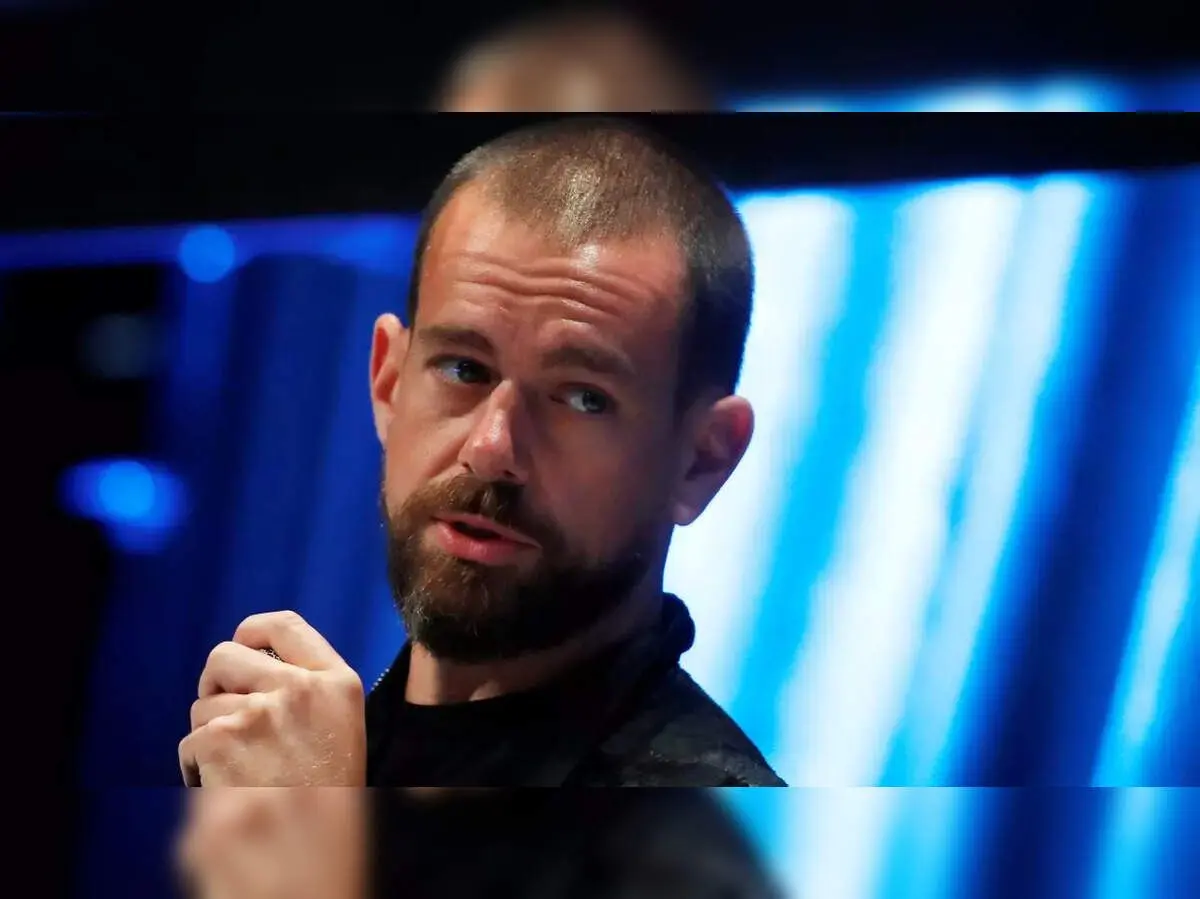
Jack Dorsey has unveiled an ambitious organizational vision where AI takes over the coordination functions traditionally handled by middle management, just weeks after Block Inc. announced it was cutting approximately 4,000 employees in February
1
.
Source: ET
2
.The layoffs reduced Block's workforce from more than 10,000 workers to just under 6,000, a decision Dorsey framed as a strategic bet on an AI-driven future of work rather than simple cost-cutting
3
. "I don't think we're early to this realization. I think most companies are late," Dorsey stated at the time, predicting that within the next year, the majority of companies will reach similar conclusions and make comparable structural changes1
.Building a Company as Mini-AGI
Dorsey's vision centers on creating what he describes as an intelligence-designed organization or "mini-AGI" rather than simply giving employees AI copilots that marginally improve existing workflows
2
. "For the first time, a system can maintain a continuously updated model of an entire business and use it to coordinate work in ways that previously required humans relaying information through layers of management," Dorsey and Botha wrote in their blog post2
.The approach leverages Block's unique position sitting on both sides of millions of transactions through Cash App and Square, providing a real-time view of consumer and merchant behavior through what the company calls its "economic graph"
1
. This data-rich environment in payments processing, merchant services, and peer-to-peer finance creates opportunities where AI can meaningfully reduce friction and manual effort3
.
Source: PYMNTS
Three Roles Replace Traditional Hierarchy
Under the proposed flatter organizational structure, employees would fall into three distinct categories instead of traditional reporting hierarchies. Individual contributors function as deep specialists who receive direction from the AI model rather than a manager, enabling faster and more independent decisions
2
. Directly responsible individuals own specific cross-functional problems and have full authority to pull resources from the model2
. Player-coaches replace traditional managers by focusing on both building products and developing talent, rather than purely coordination tasks1
."Companies move fast or slow based on information flow. Hierarchy and middle management impede information flow," Dorsey writes, adding that humans are no longer the only option for those organizational layers
1
. The remote-first nature of Block enables this transformation, as work is already machine-readable, allowing AI to build and maintain a continuous picture of operations that managers traditionally provided3
.Related Stories

AI Washing Concerns and Broader Implications
The corporate job reductions at Block have sparked debate about whether AI is genuinely driving workforce transformation or being used to justify financial necessity. Critics have warned of "AI washing," where companies reframe cost-cutting decisions as technological progress
1
2
. This skepticism emerges as tech companies more broadly have been trimming roles following years of rapid hiring during economic downturns.Yet Dorsey's thesis aligns with a larger transition happening across technology and financial services companies. As AI increasingly drafts code, automates internal documentation, analyzes risk signals, and handles customer support, the amount of human labor needed for certain workflows shifts fundamentally
3
. "Intelligence tool capabilities are compounding faster every single week," Dorsey said on an earnings call following the cuts, arguing that "a significantly smaller team using the tools we're building can do more and do it better"3
.References
Summarized by

Navi
Related Stories
Jack Dorsey cuts 4,000 jobs at Block, citing AI tools that 'can do more and do it better'
27 Feb 2026•Business and Economy

Block's 4,000-person layoff sparks debate: AI revolution or corporate cost-cutting in disguise?
05 Mar 2026•Business and Economy
Citrini Research AI Scenario Triggers Wall Street Panic Over Unemployment and Economic Collapse
23 Feb 2026•Business and Economy
Recent Highlights


Recent Highlights
Today's Top Stories







Your Daily Dose of Curated AI News
Don’t drown in AI news. We cut through the noise - filtering, ranking and summarizing the most important AI news, breakthroughs and research daily. Spend less time searching for the latest in AI and get straight to action.

