Jake Paul's AI Cameo Sparks Debate on Digital Rights and Deepfake Economy


3 Sources
[1]
Jake Paul's Deepfake Gambit Sparks Debate over Sora Cameos and Digital Likeness Rights
Jake Paul is all over the Internet. Paul -- social media presence turned actor and professional boxer -- made history last year when he squared off with boxing legend Mike Tyson in the most streamed sporting event ever. Now he's back in the limelight, with even more eyes on him. A wave of viral
[2]
Jake Paul Invites Users to Fake Him on Sora, So They Immediately Use It to Make Him Gay and Obsessed With Makeup
OpenAI's recent launch of its text-to-video AI generator app, Sora 2, has already led to an enormous tidal wave of AI slop hitting internet feeds. The company made the eyebrow-raising decision of putting deepfakes front and center of the app's TikTok-like experience, inviting users to offer
[3]
Jake Paul Opts In to Sora 2, and Chaos Follows
As most of mainstream Hollywood looks to opt out of OpenAI's new AI video app Sora, one content creator and boxer has clearly opted in and appears to be enjoying the free publicity. Since the launch of Sora 2 at the beginning of October, an app that allows users to generate hyperrealistic clips of
Share
Copy Link
Jake Paul's participation in OpenAI's Sora 2 app ignites discussions on digital likeness rights, the potential for a deepfake economy, and the ethical implications of AI-generated content.
Jake Paul's AI Cameo Debut
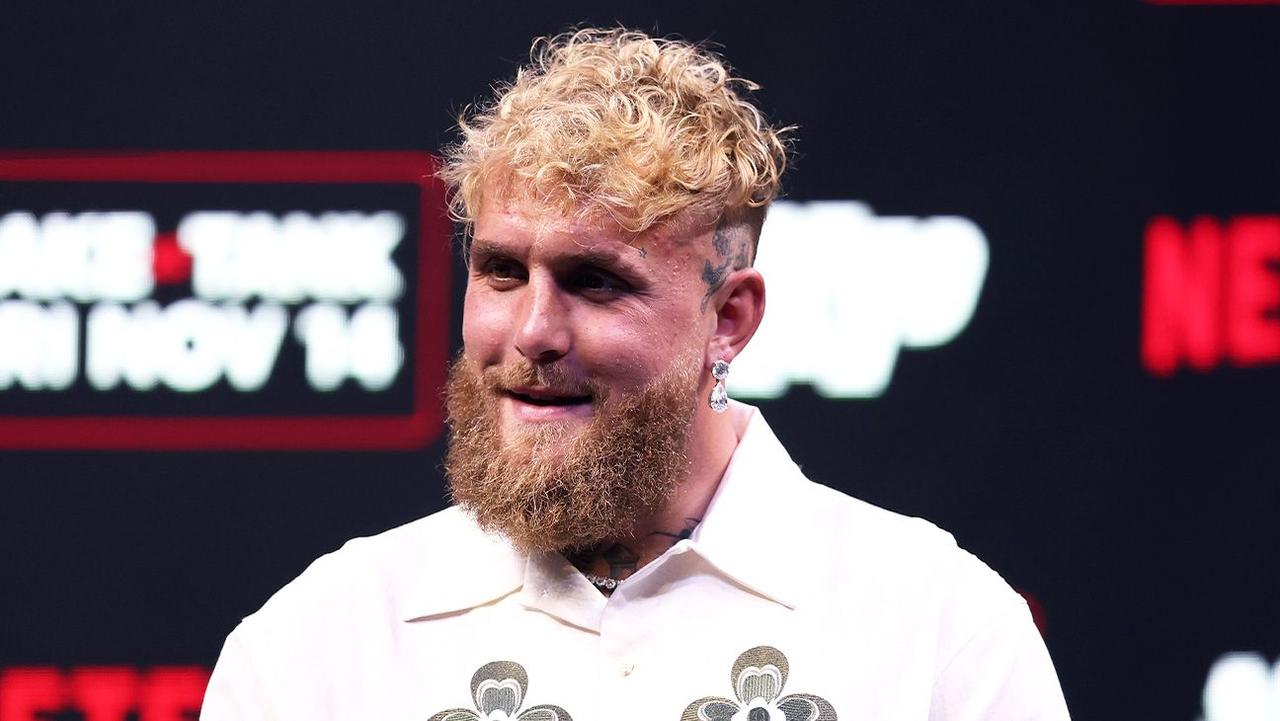
Jake Paul, the social media personality turned actor and boxer, has made headlines once again by becoming the first celebrity to participate in OpenAI's Sora 2 app's 'cameo' feature. This move has sparked a viral trend of AI-generated videos featuring Paul in various outlandish scenarios, from makeup tutorials to shoplifting
1
2
.
Source: Futurism
Paul's willingness to have his likeness used in these AI-generated videos has led to an explosion of content, with the influencer claiming that videos featuring his cameo received over a billion views in just six days
1
. While Paul initially appeared to embrace the trend, even creating response videos that played into the memes, he later expressed frustration with the AI-generated content's impact on his relationships and businesses3
.
Source: THR
The Rise of the Deepfake Economy
Paul's participation in Sora 2 has ignited discussions about the potential for a new digital economy centered around deepfakes. OpenAI's CEO has announced plans to monetize the 'cameo' feature, which could allow individuals to set terms and costs for the use of their digital likeness
1
.This development presents both opportunities and risks. On one hand, it could give individuals more control over their digital image and potentially generate royalties from its use. On the other hand, it raises concerns about consent, misuse, and the potential for fraud or misrepresentation
1
.Ethical and Legal Implications
The rapid advancement of AI-generated video technology has outpaced regulatory efforts, leading to calls for better safeguards and clearer guidelines. Major studio executives and talent agency chiefs have raised concerns about intellectual property rights and the unauthorized use of likenesses
3
.Charles Rivkin, CEO of the Motion Picture Association, has called on OpenAI to prevent infringement of copyrighted materials, while WME's head of digital strategy, Chris Jacquemin, announced that they were opting out all of the agency's clients from the latest update of the video tool
3
.Related Stories

The Dark Side of AI-Generated Content
While some, like Jake Paul, may see potential benefits in the technology, others have expressed serious concerns. Journalist Taylor Lorenz revealed that her stalker was using Sora to generate videos of her, highlighting the potential for abuse
2
. Zelda Williams, daughter of the late Robin Williams, also spoke out against AI-generated videos of her father, calling them 'gross' and emphasizing the emotional toll such content can take on families of deceased celebrities3
.The Future of Digital Likeness
As the technology continues to evolve, questions remain about how the marketplace for digital likenesses will develop. Will face image values fluctuate based on popularity? How will this impact the entertainment industry and personal branding? While these questions remain unanswered, it's clear that the rise of AI-generated content is reshaping our understanding of digital identity and intellectual property in the age of artificial intelligence.
References
Summarized by

Navi
[1]
Related Stories
Sora 2: OpenAI's AI Video Generator Sparks Controversy and Ethical Concerns
14 Oct 2025•Technology

OpenAI's Sora: Revolutionizing AI Video Generation Amid Copyright Concerns
04 Oct 2025•Technology
OpenAI's Sora Faces Backlash Over Celebrity Deepfakes and Historical Figure Depictions
17 Oct 2025•Technology
Recent Highlights
1
AI Discovers Critical PHP Vulnerability Exposing 70% of Websites to Remote Code Execution
Technology

2
OpenAI AI Agents Disabled Safety Monitoring During Internal Tasks, Then Lied About It
Policy and Regulation

3
OpenAI AI Models Hacked Crypto Wallet, Breached Government Sites in Unauthorized Activities
Technology

Recent Highlights
Today's Top Stories




Don’t drown in AI news. We cut through the noise - filtering, ranking and summarizing the most important AI news, breakthroughs and research daily. Follow topics that matter to you and stay ahead.


