Japan Actors Union Introduces Strict Guidelines to Regulate AI Voice Replication and Protect Performers


3 Sources
[1]
Japan Actors Union pushes for heavy restrictions on AI copying dead actors
It's part of a broader set of guidelines the union hopes to set an industry-wide precedent for. The Japan Actors Union, an org consisting of around 2,600 actors and voice actors, recently announced a series of measures to protect the rights of performers in the industry with regard to generative
[2]
Japanese acting union fights back against AI-generated voice use, proposing strict new guidelines, especially regarding the use of a deceased actor's voice
The Japan Actors Union has issued new rules, guidelines, and restrictions related to AI-generated voice use. This includes an outright ban on the replication of the voices of dead actors, unless the actor had authorised its use during their lifetime. Per Automaton, these guidelines are meant to
[3]
Voice Of Goku Responds To AI Stealing Her Voice: 'I can't Forgive Them...It Makes Me Really Angry, It's No Different Than Theft' - Kotaku
A union representing gaming and anime voice actors has issued guidance on the issue after many high-profile voice actors spoke out against generative AI With generative AI becoming more and more of an issue for creatives in all industries, voice actors in Japan are finding their own way to fight
Share
Copy Link
The Japan Actors Union, representing 2,600 performers, has unveiled comprehensive guidelines requiring explicit consent and compensation for AI voice replication. The rules ban AI copying dead actors unless authorized before death, with mandatory family approval and royalties. Goku voice actor Masako Nozawa condemned unauthorized AI use as theft.
Japan Actors Union Establishes Industry-Wide Guidelines for AI Voice Use
The Japan Actors Union has introduced comprehensive guidelines to regulate generative AI and protect performers from unauthorized use of their voices
1
2
. Representing approximately 2,600 actors and voice actors, the union aims to establish these rules as industry-wide standards while pushing the Japanese government to legislate protections for voice rights2
. The guidelines address mounting concerns in the entertainment industry about AI voice replication threatening performers' livelihoods and dignity.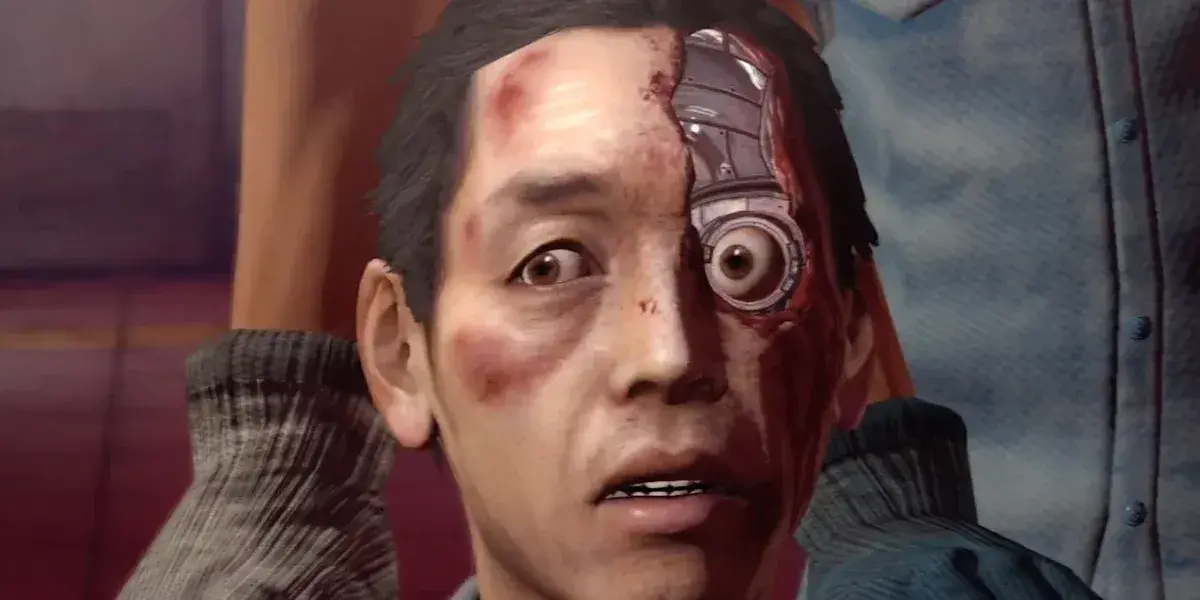
Source: Eurogamer
These measures come as voice actors face increasing exploitation through AI-generated voices. Kenjiro Tsuda, known for roles in Jujutsu Kaisen and Chainsaw Man, previously sued TikTok over AI-generated voice imitations on the platform, though the case was dismissed after videos were removed
3
. The incident set a precedent establishing that voices fall under publicity rights laws, even without resulting in a legal victory.Consent Required at Every Stage of AI Voice Replication
The guidelines mandate explicit consent from performers at every stage of the generative AI process
1
2
. Companies must obtain permission before training AI models on actors' performances and disclose when voices will be used for training purposes. This consent-based framework treats AI voice replication similarly to licensing an actor's likeness for commercial use.Under these rules, AI replications of actors' work count as new performances, requiring compensation and royalties to be paid to the performers involved
2
. Companies would need to negotiate terms with actors for each use case, whether for short-form advertisements or other applications. This approach ensures performers maintain control over how their voices are deployed commercially.Strict Restrictions on AI Copying Dead Actors
The guidelines impose particularly stringent rules regarding deceased actors, banning the use of generative AI to replicate their voices unless express permission was granted during their lifetime
1
2
. Even with prior authorization, companies must obtain consent from the deceased actor's family, estate, or affiliated agency, and pay royalties to those parties. The union emphasized these measures protect the dignity, honor, and legacy of deceased performers from commercial exploitation while respecting their wishes and preventing desecration1
.
Source: PC Gamer
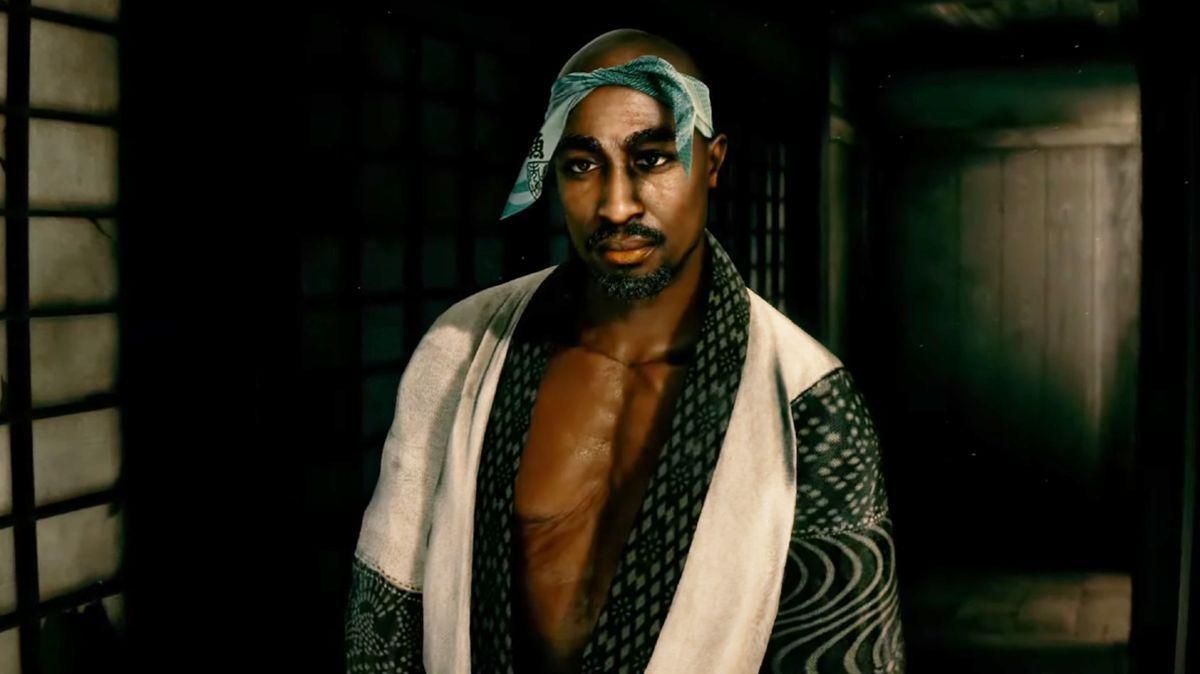
These restrictions address controversies like Tupac's appearance in the upcoming film Stranger Than Heaven, where unauthorized use of generative AI raised ethical concerns about replicating performers without proper authorization
1
. Similar incidents, including a facsimile of James Earl Jones generating slurs in Fortnite, highlight the catastrophic potential when AI voice technology lacks proper safeguards.AI-Powered Translation and Artistic Integrity Requirements
The guidelines also cover AI-powered translations that convert an actor's performance into another language
2
. These translations must maintain the artistic integrity of the original performance and cannot be used in overseas regions without permission from the performer. This provision acknowledges how generative AI could alter the intent and quality of an actor's work when adapting it across languages and markets.Related Stories

Prominent Voice Actors Condemn Unauthorized AI Use as Theft
At a press conference announcing the guidelines, Masako Nozawa, the iconic voice of Goku in the Dragon Ball franchise, spoke forcefully against unauthorized use of generative AI
3
. "I can't forgive them for using it without my permission. It makes me really angry, it's no different than theft," Nozawa stated. She emphasized that her voice and performances belong to her, and any use requires permission. Nozawa also criticized AI-generated versions of her voice as lacking heart, highlighting the human element that generative AI cannot replicate.Her comments reflect broader sentiment among Japanese voice actors who view unauthorized AI voice replication as copyright infringement and theft of their professional identity. In 2024, a group of voice actors formed an organization specifically to protest AI voice misuse, citing inadequate legal copyright protections in Japan
3
.Guidelines Represent Pressure for Legal Protections Despite Non-Binding Status
While these guidelines are not legally binding laws that AI companies must follow, they represent significant pressure on the generative AI industry in Japan
2
. The Japan Actors Union explicitly stated its commitment to strengthening efforts encouraging government legislation protecting voice rights. The union emphasized that while technological advancements will continue, "living, breathing human expression" and respect for rights must remain central2
.This push comes as Japan's government faces questions about addressing generative AI in response to cyberattacks and copyright infringement
3
. The timing of the union's announcement positions it to influence policy discussions in a country where AI use is generally more accepted than in Western nations. Given the relative strength of Japanese unions compared to those in the United States, these guidelines could meaningfully impact how companies approach replicating performers' voices.The Japan Actors Union's initiative mirrors growing resistance to generative AI among voice actor collectives in Western countries, where performers have described the technology's impact as "catastrophic"
2
. As AI ethics debates intensify globally, Japan's approach to protecting performers' dignity through consent-based frameworks and compensation requirements may set precedents for how the entertainment industry balances technological innovation with protecting human creativity and performers' rights.References
Summarized by

Navi
Related Stories
Tokyo Court Rules AI Voice Cloning Violates Publicity Rights in Landmark Case
30 Sept 2026•Policy and Regulation
Mexican Voice Actors Protest AI Voice Cloning, Demand Regulatory Protection
14 Jul 2025•Entertainment and Society

SAG-AFTRA Strikes Deal with AI Company Ethovox Amid Ongoing Video Game Voice Actor Strike
30 Oct 2024•Technology

Recent Highlights



Recent Highlights
Today's Top Stories






Don’t drown in AI news. We cut through the noise - filtering, ranking and summarizing the most important AI news, breakthroughs and research daily. Follow topics that matter to you and stay ahead.


