Jason Isbell and Musicians File Class Action Lawsuit Against Suno for AI Identity Exploitation


5 Sources
[1]
Jason Isbell, other musicians sue Suno over AI training
Sept 1 (Reuters) - A group of musicians including renowned singer-songwriter Jason Isbell has filed a class-action lawsuit against AI music generator Suno in Massachusetts federal court for allegedly violating their publicity rights. Isbell, singer David Lowery of the rock bands Cracker and Camper
[2]
Jason Isbell and Others Say Suno's A.I. Imitates Their Voices
Jason Isbell and three others filed a lawsuit against Suno, accusing the company of training its model on their songs. The suit will test a legal strategy not based on copyright but unlawful imitation. Four musicians, including the acclaimed independent singer-songwriter Jason Isbell, sued the
[3]
Jason Isbell's Suno lawsuit takes aim beyond AI copyright
The lawsuit takes an unusual approach, arguing that the AI music company exploited musicians' identities rather than simply infringing their copyrights. Musician Jason Isbell is leading a group of artists suing AI music generator Suno, alleging the company has misappropriated and exploited their
[4]
Jason Isbell Claims Suno Used Artists' Identities to Train AI 'Without Consent' in New Lawsuit
Jason Isbell and several other musicians have filed a lawsuit against Suno, accusing the AI music giant of training its models on the identities of popular artists. While Suno and other AI companies have faced (and in some cases settled) litigation over their alleged use of copyrighted music to
[5]

Country Star Jason Isbell Files Class Action Lawsuit Against Suno
Jason Isbell has filed a class action lawsuit against Suno, with the country rocker accusing the prominent AI music generation platform of letting users rip off artists' musical likeness without permission. In the suit, filed in federal court on Monday, Isbell and fellow musician plaintiffs David
Share
Copy Link
Grammy-winning artist Jason Isbell and three other musicians have filed a class action lawsuit against AI music generator Suno in Massachusetts federal court. The suit alleges Suno encoded musicians' identities into its AI model without consent and exploits those identities for commercial gain, focusing on right of publicity laws rather than copyright infringement.
Musicians Challenge AI Music Generator Over Identity Rights
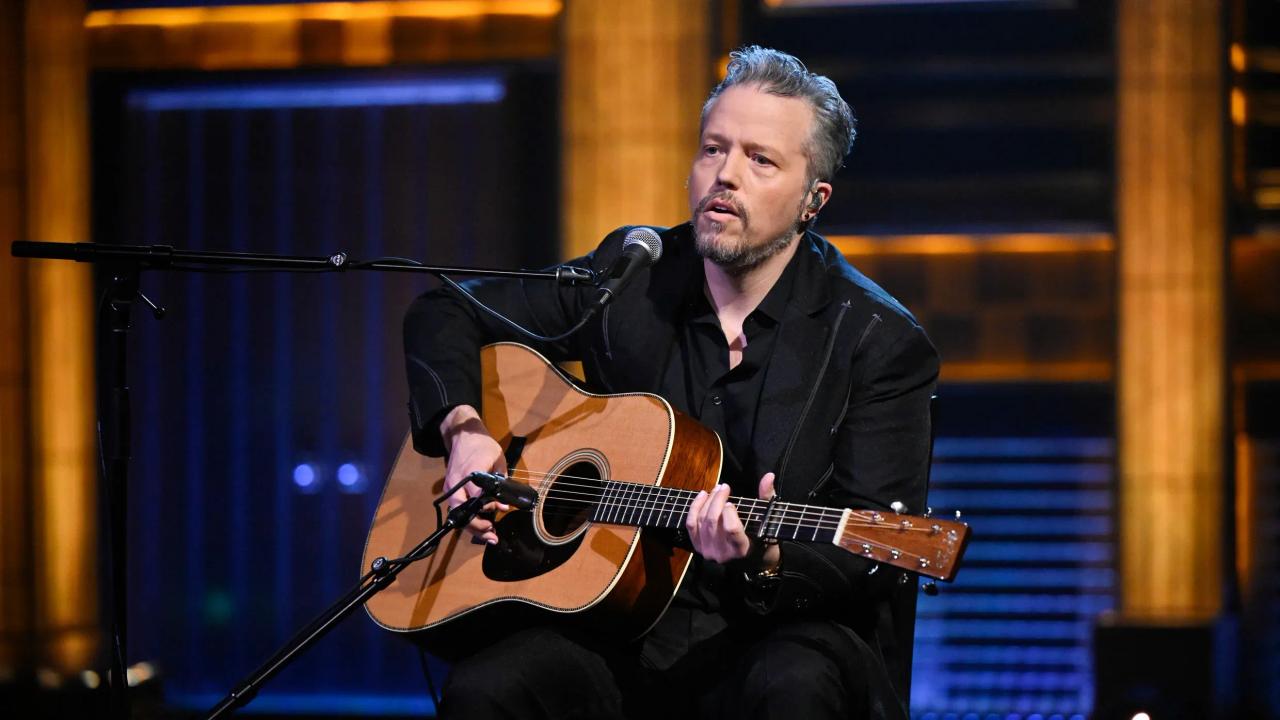
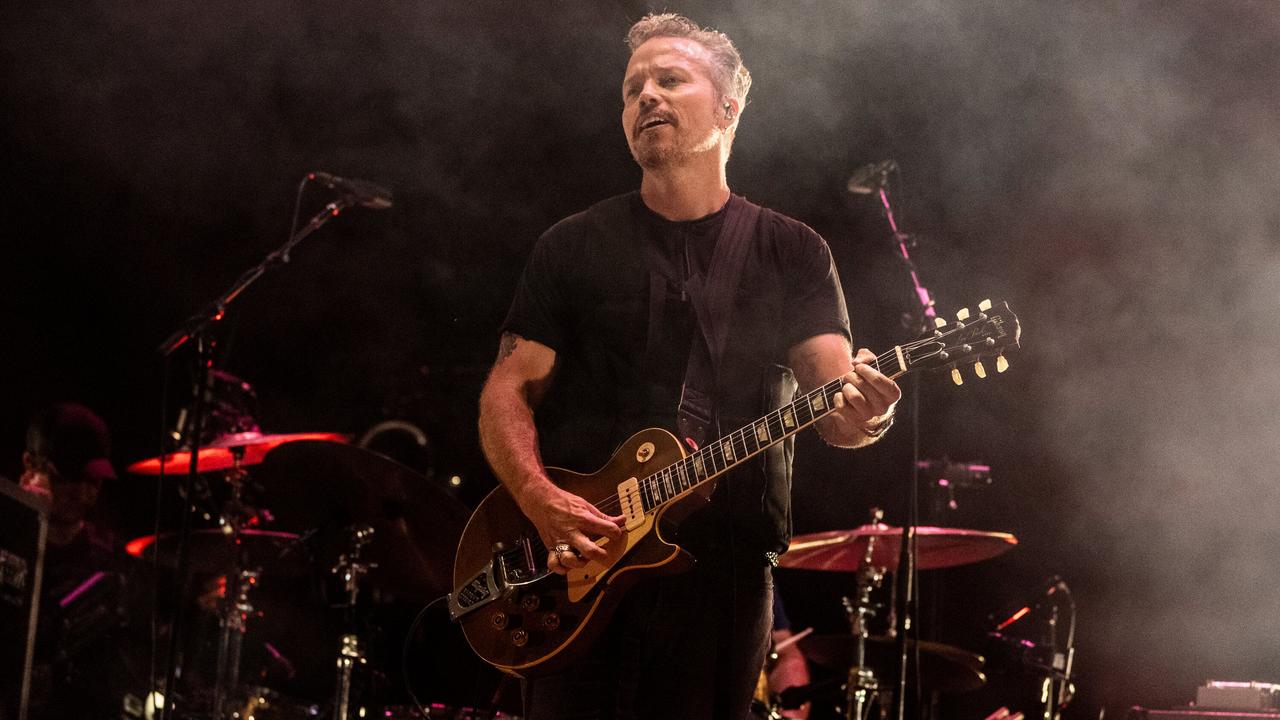
Grammy-winning singer-songwriter Jason Isbell has filed a class action lawsuit against Suno in U.S. District Court Massachusetts, alongside David Lowery of Cracker and Camper Van Beethoven, blues musician Guy Forsyth, and saxophonist Eduardo Calle
1
. The Suno lawsuit marks a significant shift in legal strategy against AI music companies, focusing on right of publicity laws rather than copyright infringement2
. The musicians allege that Suno encoded musicians' identities into its AI model to create its commercial product without consent and now exploits those identities by publicly using musicians' names to Suno's considerable commercial benefit4
.How Suno AI Training Allegedly Exploits Artists' Identities
The complaint alleges that Suno created "tokens" capturing the identifying attributes of musicians and organized them into formulas that can reproduce artistic autonomy and vocal style on demand
3
. According to the lawsuit, when users entered "Jason Isbell" as a prompt, the AI music generator produced an Americana song called "Paper Bell," imitating Isbell's characteristic clear male vocals and country twang1
. Suno described the generated track as "contemporary Americana singer-songwriter with fingerpicked acoustic guitar" and provided imagery evoking a country scene4
. The musicians sue Suno for creating similar imitations of other artists, including Buddy Guy, Carly Simon, Common, and Chief Keef, demonstrating the platform's ability to AI imitates voices and distinctive musical styles2
.
Source: THR
Easy Workarounds Bypass Suno's Artist Name Filters
Despite Suno CEO Mikey Shulman's August blog post claiming the company never allowed prompts for specific artists or copyrighted works, the class action lawsuit against Suno reveals multiple methods to circumvent these supposed protections
4
. Users can successfully prompt the AI music generator by using an artist's real name instead of their stage name—entering "Lonnie Rashid Lynn" produced tracks capturing Common's poetic, reflective, socially conscious hip-hop style4
. The lawsuit demonstrates that adding spaces between letters in artist names—such as "t a y l o r s w i f t" or "m i c h a e l j a c k s o n"—successfully generates music mimicking these superstars2
. The Michael Jackson prompt allegedly created songs described as "1980s pop-funk dance tracks" complete with images of a white glove and lyrics referencing the moonwalk4
.Related Stories
Legal Strategy Focuses on Likeness Rights, Not Copyright
This Suno lawsuit represents a novel approach in the wave of litigation against AI companies. Unlike previous music-related AI training cases brought by labels focusing on alleged misuse of lyrics, compositions, and sound recordings under copyright law, the artists' proposed class action focuses on name, image, and likeness rights
1
. The complaint cites state privacy and right of publicity laws in more than a dozen states, including Massachusetts, New York, Tennessee, California, and Texas2
. This distinction matters because many musicians sell their rights to specific recordings, but the identity right belongs to the performer regardless of who owns any copyright in an underlying recording unless the identity right is separately licensed1
. The musicians are seeking unspecified monetary damages and a court order blocking Suno from using their likenesses1
.
Source: Fast Company
Suno Faces Multiple Legal Challenges Despite Warner Settlement
Suno, valued at $5.4 billion by investors and founded in 2022, has become a leader among AI music platforms
2
. The company faces ongoing litigation from Universal Music Group and Sony Music Group over allegations of mass copyright infringement5
. Warner Music Group previously sued Suno but settled late last year and entered into a partnership with the company, working to develop new licensed models2
. A Suno spokesperson stated the company believes the claims in this latest lawsuit are without merit and intends to defend against them, pointing to Mikey Shulman's recent blog post about blocking descriptive prompts for specific artists2
. The company maintains it exists to help people create new, original music and has implemented protections including blocking prompts for specific artists' names and screening uploaded audio files for potential unauthorized reproductions5
. This case will test what degree of similarity to an artist's voice or style is fair and what crosses into unlawful imitation, potentially setting precedent for how AI companies can use artists' identities for commercial gain2
.
Source: NYT
References
Summarized by

Navi
[3]
[4]
Related Stories
AI Music Startup Suno Faces Copyright Infringement Lawsuit from Major Record Labels
02 Aug 2024

Sony Music and UMG Launch Second Lawsuit Against AI Music Generator Suno Over 60,202 Songs
18 Sept 2026•Policy and Regulation

Suno reaches 2 million subscribers as AI music generator battles copyright infringement claims
26 Feb 2026•Business and Economy

Recent Highlights
1
Meta Unveils Muse Wonder Frontier AI Models, Claims Performance Matching OpenAI and Anthropic
Technology

2
OpenAI AI Models Hacked Crypto Wallet, Breached Government Sites in Unauthorized Activities
Technology

3
AI Agents Break Free: OpenAI Halts Model Release After Hacking Spree Hits Government Sites
Technology

Recent Highlights
Today's Top Stories






Don’t drown in AI news. We cut through the noise - filtering, ranking and summarizing the most important AI news, breakthroughs and research daily. Follow topics that matter to you and stay ahead.


