Jensen Huang teases AI chip that will 'surprise the world' at Nvidia's GTC Conference in March


3 Sources
[1]
Jensen Huang says Nvidia will 'surprise the world' with a mystery chip -- here's what to expect
Nvidia GTC 2026 will have 'new chips the world has never seen before' Nvidia GTC 2026 is gearing up to be quite the show, with CEO Jensen Huang now hyping up the annual AI conference with "several new chips the world has never seen before." But what chips can we expect? During an interview with
[2]
Jensen Huang teases reveal of 'a chip that will surprise the world' at next month's GTC
Nvidia's regular GTC conference will soon kick off, taking place in San Jose, between March 16 and 19. From its very beginnings in 2008, the event has been all about what GPUs can be used for, other than gaming. And as he is wont to do, CEO Jensen Huang has been talking up what to expect. In an
[3]
Nvidia Set to Unveil New Chip that will 'Surprise the World': Jensen Huang
The event is still about a month away, but given this reveal we can rest assured that the entire AI industry would be watching with bated breath Nvidia is preparing to unveil a new chip "that will surprise the world" in March at the company's GTC Conference 2026 scheduled to be held in San Jose,
Share
Copy Link
Nvidia CEO Jensen Huang has promised to unveil a chip that will surprise the world at GTC 2026 on March 16. While details remain scarce, speculation points to advanced Rubin architecture developments, HBM4 memory integration, or possibly an early reveal of Feynman architecture. The mystery chip emerges from Nvidia's partnership with SK Hynix and could address critical memory bottlenecks in AI computing.
Nvidia CEO Promises World-Surprising Chip Reveal
Jensen Huang has set the tech industry buzzing with his bold promise to unveil new chip technology at the upcoming GTC Conference. During an interview with the Korea Economic Daily, the Nvidia CEO teased that "a chip that will surprise the world will be unveiled at GTC next month," scheduled for March 16-19 in San Jose
1
2
. The announcement came during a dinner hosted by SK Hynix and Nvidia, where Huang revealed the company had prepared "several new chips the world has never seen before"3
. While technical details remain under wraps, the reveal promises to mark a major leap forward in both performance and design for pushing AI technology to new limits.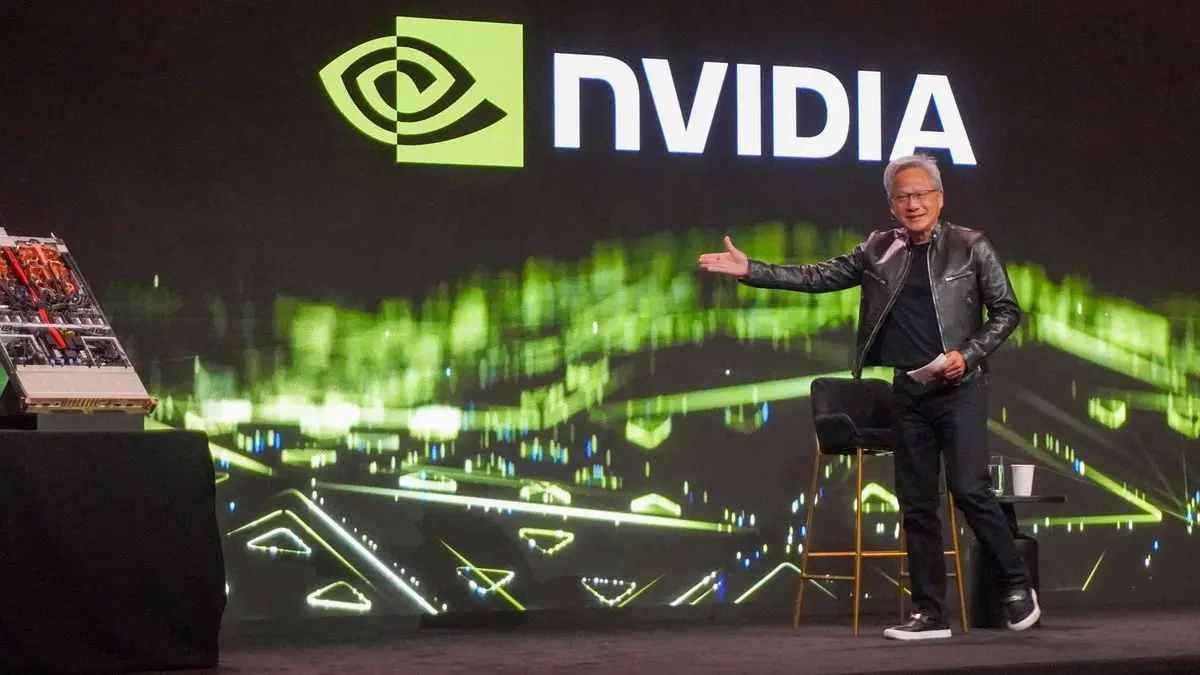
Source: Tom's Guide
Speculation Points to Advanced AI Data Centers Architecture
Market analysts believe the mystery AI chip could leverage advanced packaging to solve memory bottlenecks, which have become a critical constraint in modern AI computing power enhancement
3
. The Nvidia partnership with SK Hynix provides crucial context, as Huang emphasized that "nothing is impossible" when these semiconductor companies collaborate1
. The CEO specifically referenced the team's work on "Vera Rubin and HBM4," indicating that High Bandwidth Memory 4 integration could be central to the announcement. Nvidia's Rubin GPUs, which offer 5x more power than Blackwell and entered full production in January 2026, remain strong candidates for the spotlight1
. The Rubin architecture was first teased at Computex 2024 in Taipei before its official launch at last year's GTC event, making GTC 2026 a logical venue for its next evolution.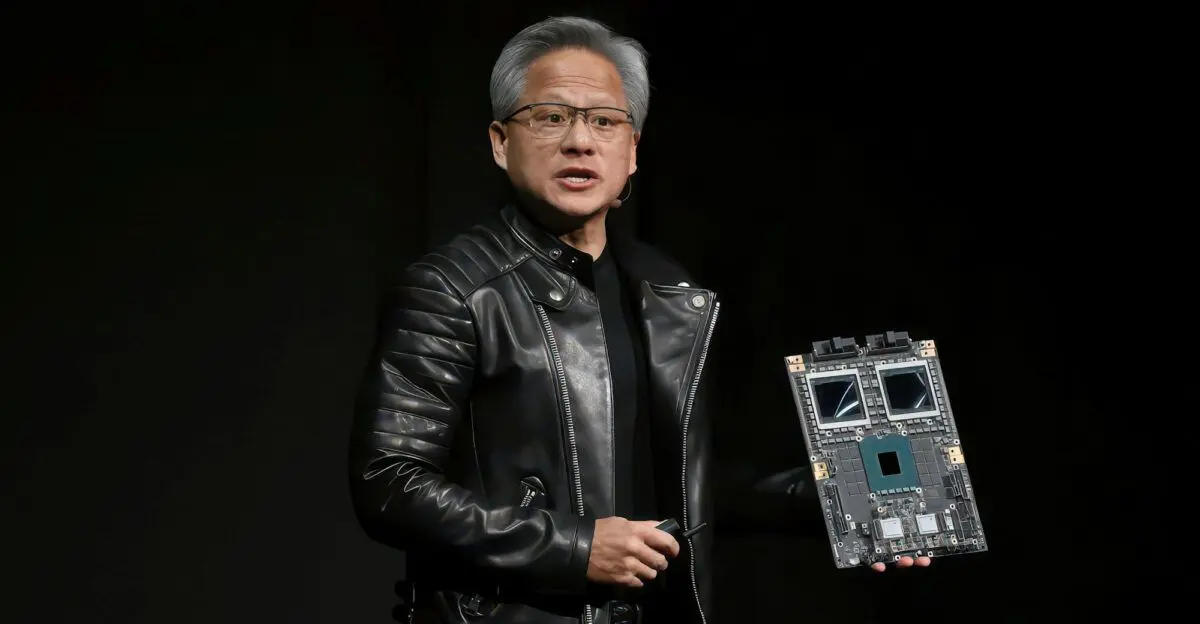
Source: CXOToday
Could Feynman Architecture Arrive Earlier Than Expected?
A more speculative possibility involves Nvidia bringing forward its next-generation Feynman architecture, originally slated to succeed Rubin only by 2028
3
. Published reports claim Feynman would use A16 1.6 nm process technology and silicon photonics that would allow data transmission with light instead of electricity. Huang acknowledged the mounting challenges, noting that "nothing is easy because all technologies are at their limits," which could justify an accelerated timeline for breakthrough innovations1
. The N1X Arm chip for consumer PCs has also surfaced as a possibility, with recent reports suggesting it could drop as soon as the end of March2
. However, rumors of delays make this less likely as the headline announcement.Related Stories


Implications for Consumer GPUs and AI Infrastructure
While GTC 2026 typically focuses on AI infrastructure and data center technology, the event could offer a glimpse into future consumer GPUs. The Blackwell architecture that powers RTX 50-series GPUs was first designed for AI data centers before trickling down to consumer products around a year or two later
1
. This pattern suggests that whatever Rubin architecture developments emerge could preview the RTX 60-series lineup down the line. Reports indicate Nvidia won't release new gaming GPUs this year due to the RAM crisis, pushing back both RTX 50 Super GPUs and RTX 60-series cards1
. However, sources claim an RTX 5090-beating GPU is in development for a potential September release2
.Addressing Growing Inference Demand and Industry Stakes
Huang's broader comments reveal Nvidia's strategic vision for addressing inference demand and scaling AI infrastructure. He told Korean media that "there is no AI bubble" and described the current moment as "just the beginning of the largest infrastructure project in human history, worth tens of trillions of dollars"
2
. When asked about investments in AI companies like OpenAI or Anthropic, Huang emphasized that "AI is not just a model; it's an entire industry encompassing energy, semiconductors, data centers, the cloud, and the applications built on top of it"2
. This suggests Nvidia may be diversifying its portfolio beyond pure model development. The intensified HBM4 competition adds urgency, with Reuters reporting that Samsung plans to start production to supply Nvidia alongside SK Hynix3
. The choice of venue for Huang's announcement—a joint Nvidia-SK Hynix staff meeting—signals that collaborative engineering between these semiconductor companies has produced the breakthrough technology set for reveal at GTC Conference.References
Summarized by

Navi
[1]
Related Stories
Recent Highlights



Recent Highlights
Today's Top Stories






Don’t drown in AI news. We cut through the noise - filtering, ranking and summarizing the most important AI news, breakthroughs and research daily. Follow topics that matter to you and stay ahead.


