2 Sources
[1]
Director Maggie Gyllenhaal ditched AI for Marilyn Monroe film
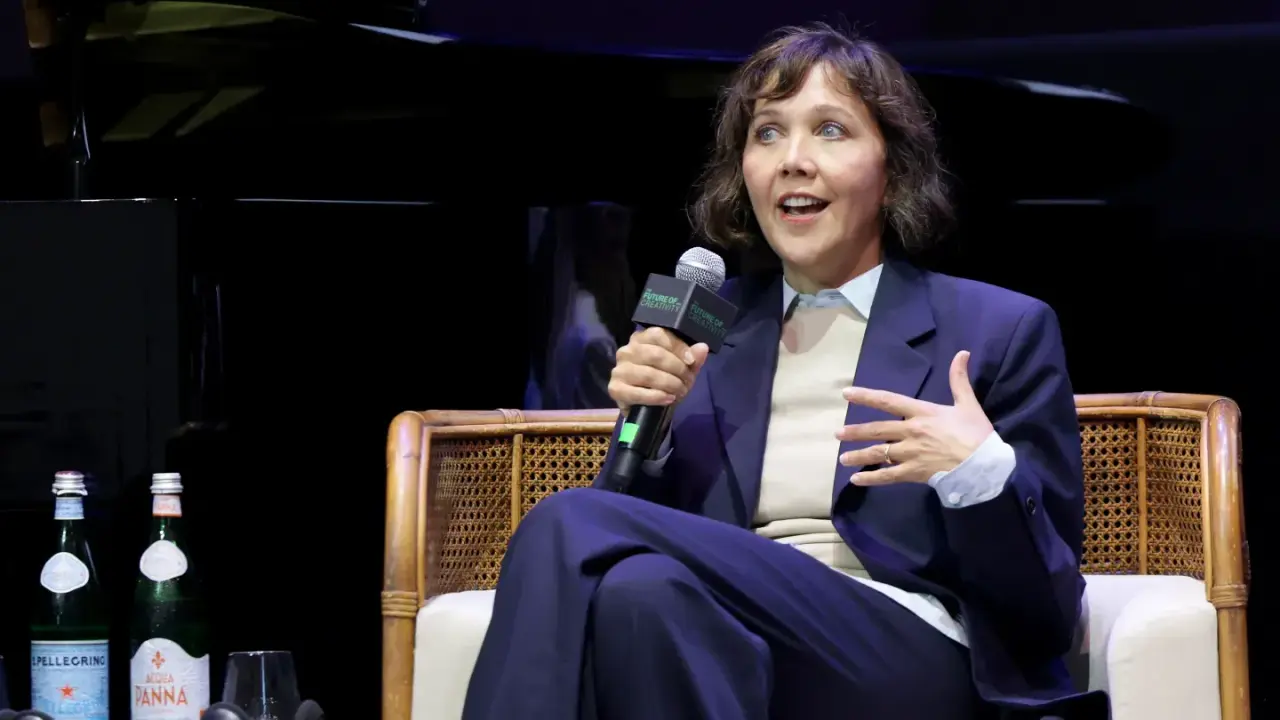
Venice (AFP) - American actress and director Maggie Gyllenhaal said Friday she ditched AI-generated video planned for her latest film about Marilyn Monroe due to quality problems, offering a degree of reassurance to actors worried about their jobs -- for now. The "Dark Knight" star is head of the jury at this year's Venice Film Festival but she is also premiering a new short film -- "Flesh Impact" -- which imagines 1950s screen icon Marilyn Monroe as if she had lived to 100 years old. Gyllenhaal told an audience in Venice how artificial intelligence technology -- one of the top topics at the festival -- is being pushed aggressively at directors as a cost-saving measure and as an alternative to acting. "The people who commissioned this project from me asked me to use AI," Gyllenhaal told The Future of Creativity event. "They were... training it off of Marilyn Monroe films that we had licensed. And I went for it," said the director. "I was like, 'All right, I'm curious. I don't know. Let's see'." The technology was meant to transform "Fifty Shades of Grey" actress Dakota Johnson into the elderly version of Monroe. "It fundamentally did not work," Gyllenhaal said. "We worked hard at it, and in the end, I threw it away because what was coming through Dakota playing Marilyn Monroe was so much more moving, human, alive." 'Dont buy the hype' Gyllenhaal's testimony underlines the current limitations of AI video technology, which has sparked fears about job losses throughout the film and TV industries -- as well as the mass theft of intellectual property by software companies. Speaking at the same event, the head of open-source messaging application Signal, Meredith Whittaker, warned about AI being controlled by a handful of billionaires, but urged the audience "don't buy the hype". Hollywood icon George Clooney sounded downbeat about the implications, however. "A lot of people are going to get replaced, not just actors: crew members, visual effects supervisors," the 65-year-old, who picked up a lifetime achievement award in Venice on Wednesday, told the audience. Gyllenhaal, from a well-connected Hollywood family that includes actor brother Jake, also stressed how AI companies were seeking to license the images of actors in order to reproduce them in digital form. "Someone who I respect a lot theoretically asked me to consider the idea of asking actors who trust me -- because I have a lot of actors who trust me that I love -- and they should trust me to give me their likeness and to make a film with them," she said. "I thought it's a completely and absolutely different paradigm than how I think, how I work," she added. Mixed feelings The advent of new AI video-generation technology is again a major topic of conversation at Venice as change sweeps through the industry. In an AFP interview earlier this week, Venice festival supremo Alberto Barbera acknowledged the dangers but he sounded more optimistic than other leading movie figures. The technology enables artists and directors "to achieve things that until now were not possible," he explained. The festival has programmed a documentary made entirely with AI -- "Be Brave" from Italian director Francesco Carrozzini, which centres on the founder of jeans brand Diesel, Renzo Rosso. "Lord of the Rings" director Peter Jackson, a special effects specialist, said in May at the Cannes Film Festival that he thought AI was "going to destroy the world". When it came to film however, "I don't dislike it at all," he added.
[2]
Maggie Gyllenhaal Was Asked to Use AI to Recreate Marilyn Monroe. But it Flopped Compared to Dakota Johnson
There have been many versions of Marilyn Monroe recreated using artificial intelligence over the years, and Maggie Gyllenhaal just revealed that she was asked to make another for her short film Flesh Impact. But it flopped in comparison to the real thing played by Dakota Johnson. "The people who commissioned this project from me asked me to use AI. They weren't using OpenAI, they were using licensable AI, training it off of Marilyn Monroe films that we had licensed. And I went for it. I was like, all right, I'm curious, I don't know, let's see," she said Friday during The Future of... Creativity summit hosted by Finch & Partners and CAA at Scuola Grande della Misericordia during the Venice Film Festival. "The idea was that we trained it on her, we then put her face on Dakota's face. We worked hard at it, and in the end, I threw it away because what was coming through Dakota playing Marilyn Monroe was so much more moving, human, alive." To punctuate the point, she added, "It fundamentally did not work. All the reasons we decided to make this project to begin with were killed off in the AI version." The 17-minute short film Flesh Impact stars Johnson and Ellen Burstyn as versions of the iconic Hollywood star. It was done "with the blessings" of Monroe estate holders Authentic Brands Group and described in press materials as "a love letter to one of cinema's most enduring icons." Johnson plays Monroe at the height of her fame while Burstyn stars as an imagined version of Monroe later in life. (Monroe was 36 when she died on Aug. 4, 1962.) Peter Sarsgaard and The Pitt star Sepideh Moafi round out the cast. Though Gyllenhaal didn't specify exactly who asked for the AI version, the short is presented by automotive brand Genesis and produced by William Green for The Cut, Michelle Ross for Superprime, Nicolette Spencer and Melissa Moore for INNOCEAN. Executive producers include Maddi Carlton, Brandon Boerner, Rebecca Skinner, David Webb and Courtney Kivowitz, the latter of whom is Gyllenhaal's longtime manager. During the panel discussion, Gyllenhaal also addressed the pitch that AI can democratize filmmaking and allow auteurs to make big-budget projects at a fraction of the cost. But she questioned why that is a common promotional tactic. "It concerns me a little bit because they own it. Who's making the money off it? The people that are pitching that," she stated, adding that in the near future, a $40 million project could be done for $4 million and "maybe eventually" $40,000. "But the thing is, if you can make a commercial good enough movie for $40,000 or even for $4 million, who's gonna give you $10 million to do it the old way? Nobody. Maybe there's a tiny, tiny little market for that. But that concerns me." Flesh Impact has its Venice Film Festival world premiere inside Sala Grande on Sept. 7. Gyllenhaal's comments about AI went viral -- as first reported by Variety and in a video posted by the outlet on social media -- and it wasn't her first trending moment during this year's Venice Film Festival. During an opening press conference featuring members of the jury, the Bride filmmaker, who won a best screenplay award in Venice for her directorial debut The Lost Daughter, was asked to comment on the lack of female filmmakers in the main competition. "I really am walking in with a question as to why there are so few women in the main competition," she told the international press inside Palazzo del Casinò. "It's much harder for women to get their films financed. Also, could it be possible that the things that women, having had a different experience of being alive in the world, want to make movies about are not always deemed high art?" This year's competition selections came under fire for gender imbalance. One of the original films selected as 20 Golden Lion contenders -- May el-Toukhy's Woman Unknown -- is directed by a woman, down from six competition titles last year. The festival later added the Gaza documentary NAZA, co-directed by Yuval Abraham and Rachel Szor, bringing the total to two. Venice artistic director Alberto Barbera noted the disparity when revealing the lineup, and Gyllenhaal in return acknowledged fest leadership for inviting her to preside over the jury as "a very important thing to consider" amid the scrutiny. Gyllenhaal's jury includes Tunisian filmmaker Kaouther Ben Hania (The Voice of Hind Rajab), Oscar-winning composer Daniel Blumberg, film scholar Francesco Casetti, French director Xavier Giannoli, Afghan filmmaker Shahrbanoo Sadat, and Hong Kong filmmaking legend Johnnie To. The 83rd edition of the Venice Film Festival concludes with an awards ceremony on Sept. 12.
Share
Copy Link
Director Maggie Gyllenhaal discarded AI-generated footage from her Marilyn Monroe short film 'Flesh Impact' after finding the technology couldn't match Dakota Johnson's performance. Speaking at Venice Film Festival, she revealed how commissioners pushed AI as a cost-saving tool, but the results lacked the humanity of real acting.
Director Maggie Gyllenhaal abandoned AI-generated video planned for her short film 'Flesh Impact' after discovering the technology fundamentally failed to capture the emotional depth of human performance
1
. Speaking at The Future of Creativity summit during the Venice Film Festival, Gyllenhaal revealed that commissioners specifically requested she use AI technology to recreate Marilyn Monroe, training the system on licensed Monroe films2
. The plan involved overlaying Monroe's AI-generated face onto Dakota Johnson, who plays the iconic Hollywood star at the height of her fame in the 17-minute film2
.
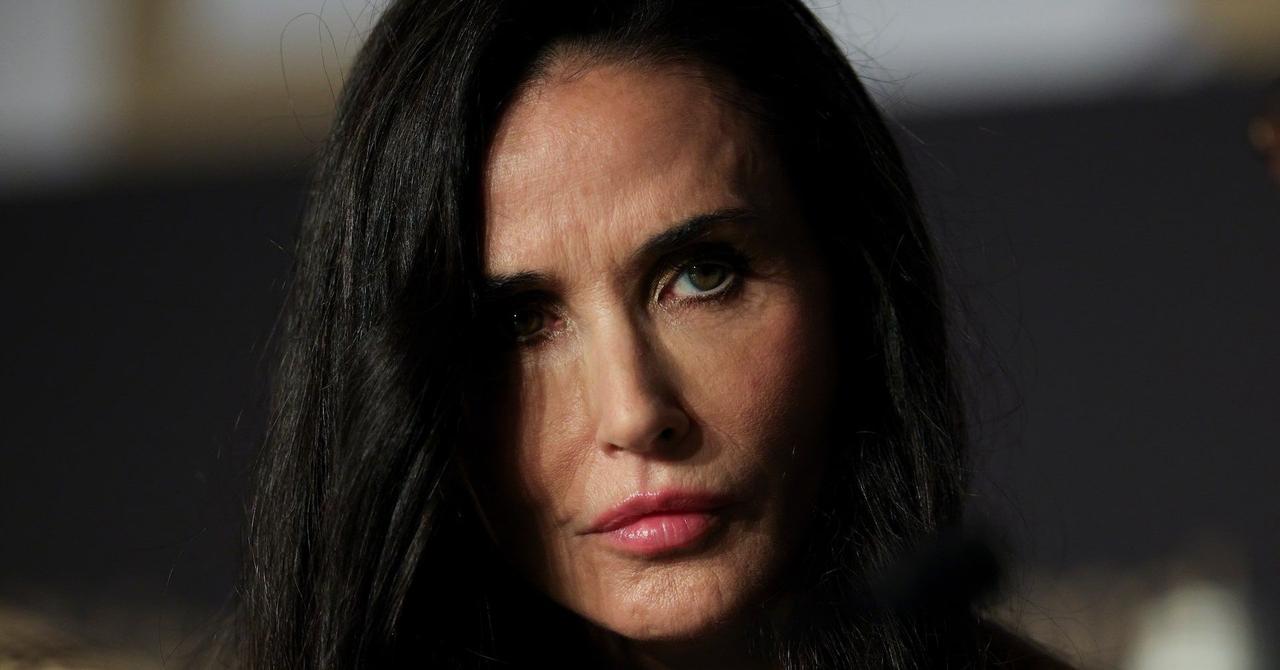
Source: THR
"I was like, all right, I'm curious, I don't know, let's see," Gyllenhaal explained about her initial willingness to experiment with AI in film
2
. However, after working extensively with the licensable AI system, she ultimately discarded the results. "What was coming through Dakota playing Marilyn Monroe was so much more moving, human, alive," she stated1
. The director emphasized that all the reasons they decided to make the project were "killed off in the AI version"2
. This revelation offers temporary reassurance to actors concerned about job displacement, though industry anxieties remain high.Gyllenhaal addressed how AI technology is being aggressively pushed at directors as a cost-saving alternative to traditional filmmaking methods
1
. She questioned the narrative that AI can democratize filmmaking by reducing costs from $40 million to $4 million or eventually $40,0002
. "It concerns me a little bit because they own it. Who's making the money off it? The people that are pitching that," she stated2
. The director warned that if commercial-quality films can be produced for a fraction of traditional costs, funding for conventional filmmaking will evaporate, leaving only a tiny market for human-centered productions.The director revealed she was approached by someone she respects to license actors' likenesses for AI-generated films, leveraging her relationships with performers who trust her
1
. "I thought it's a completely and absolutely different paradigm than how I think, how I work," Gyllenhaal responded1
. This proposal highlights growing concerns about intellectual property theft by software companies and the ethical implications of reproducing actors digitally without their ongoing creative input. The issue has sparked fears throughout the film and TV industries about mass job losses and the commodification of human likeness.Related Stories
At the same Venice Film Festival event, Meredith Whittaker, head of Signal, warned about AI being controlled by a handful of billionaires but urged audiences to "don't buy the hype"
1
. George Clooney offered a more pessimistic view, stating that "a lot of people are going to get replaced, not just actors: crew members, visual effects supervisors"1
. Festival director Alberto Barbera acknowledged the dangers but suggested the technology enables artists to "achieve things that until now were not possible"1
. The festival programmed a documentary made entirely with AI, "Be Brave" from Francesco Carrozzini, demonstrating the technology's growing presence in cinema.
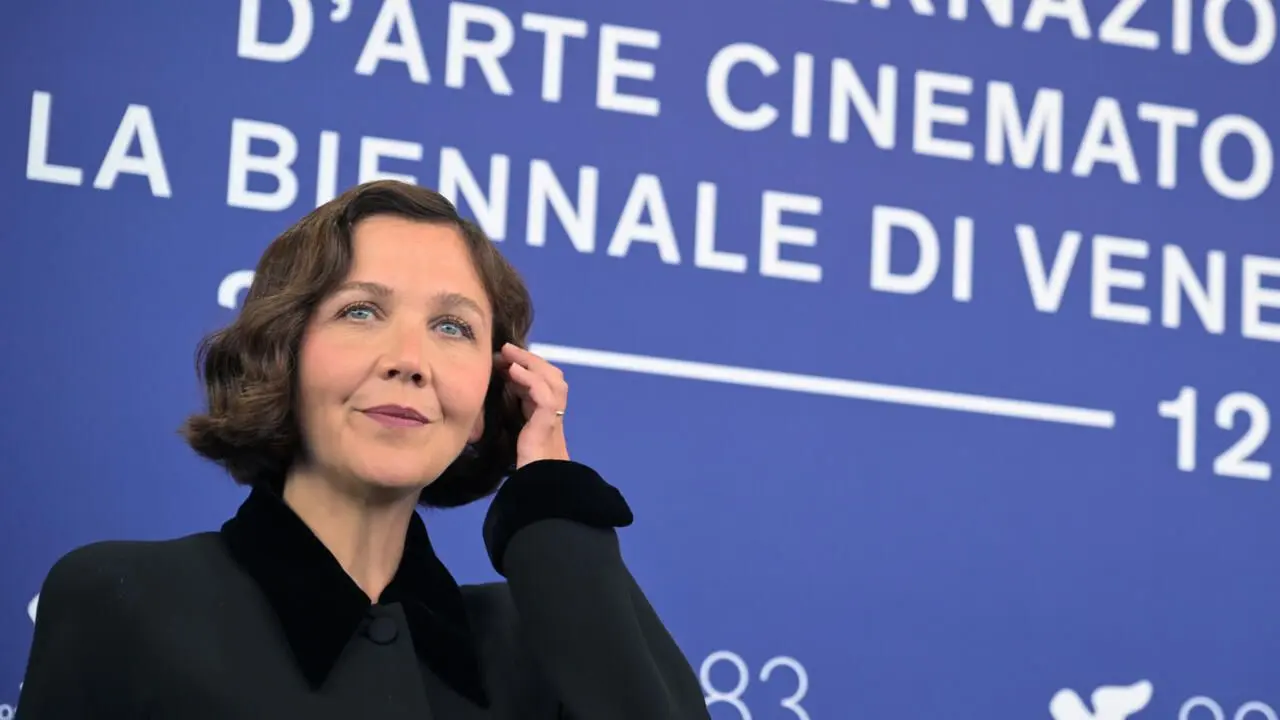
Source: France 24
'Flesh Impact' premiered at Venice Film Festival on September 7 inside Sala Grande, presented by automotive brand Genesis
2
. The film was made "with the blessings" of Monroe estate holders Authentic Brands Group and features Ellen Burstyn as an imagined version of Monroe later in life, alongside Peter Sarsgaard and Sepideh Moafi2
. Monroe died at 36 on August 4, 1962, making the film's premise of her living to 100 a speculative exploration. Gyllenhaal serves as head of the jury at this year's festival, which faced criticism for gender imbalance with only two female-directed films in competition2
.Summarized by
Navi
19 May 2026•Entertainment and Society

20 Feb 2026•Entertainment and Society

17 Jul 2026•Technology

1
Technology

2
Policy and Regulation

3
Technology