Major CEOs cite AI transformation as reason for stepping down from Coca-Cola and Walmart


5 Sources
5 Sources
[1]
Major outgoing CEOs are citing AI as a factor in their decisions to step down
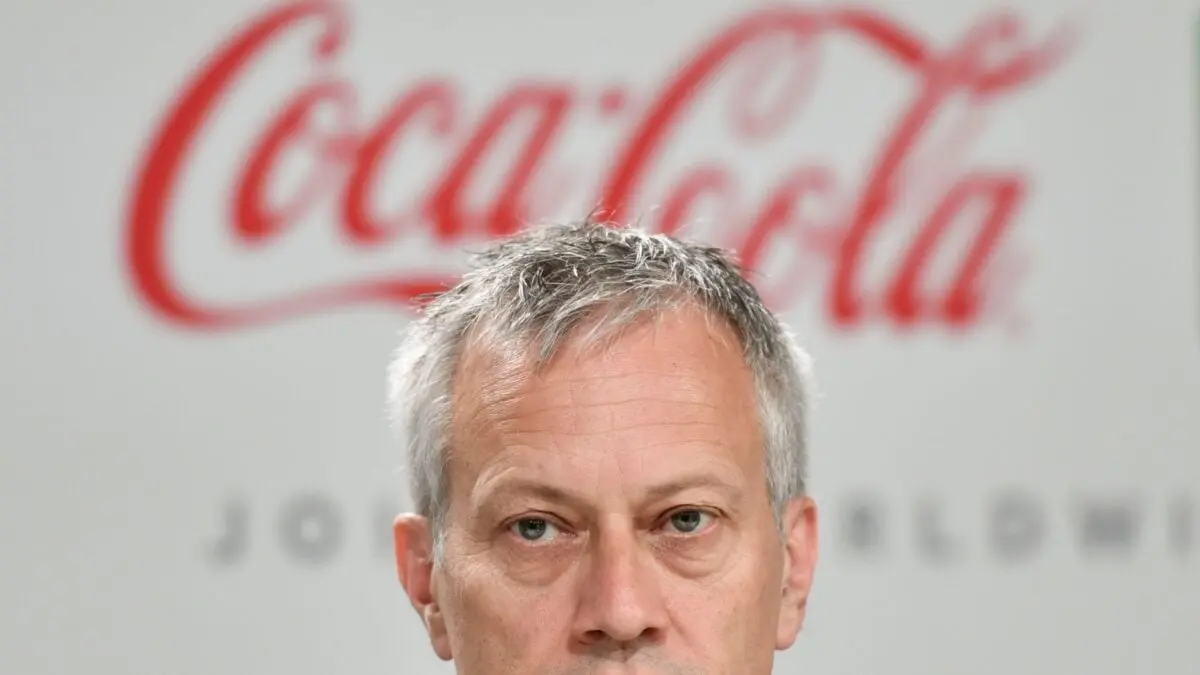
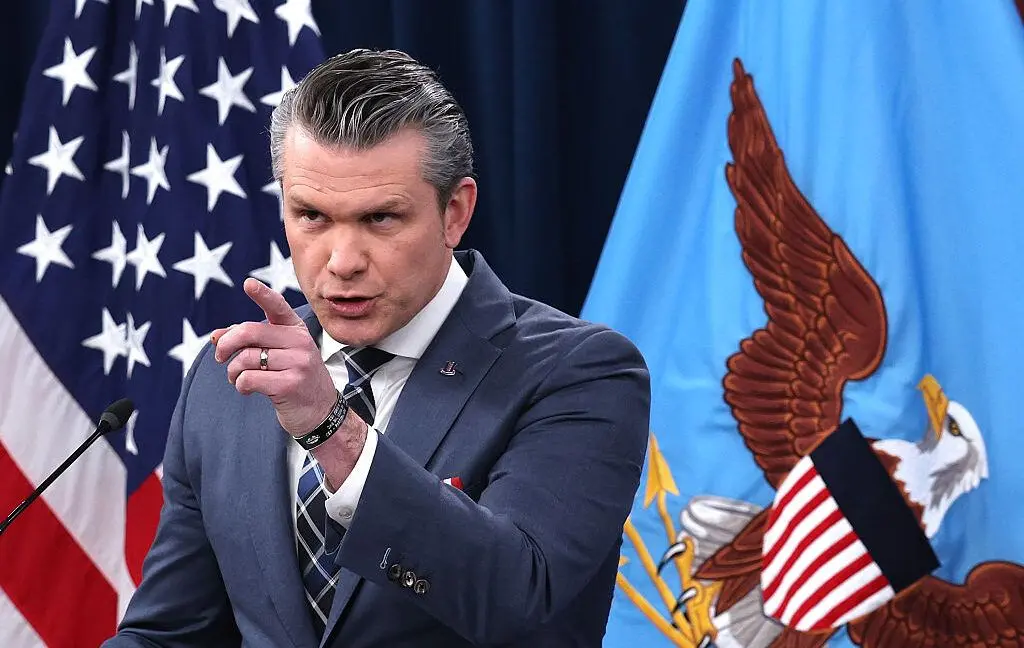
Coca-Cola CEO James Quincey: It was time for someone else to lead the next wave of growth Two major CEOs told CNBC in recent months that the rise of artificial intelligence contributed to their decisions to hand over the reins and step down from their positions. It's one of the latest insights into how America's corporate leaders are sizing up the AI transition. Coca-Cola CEO James Quincey told CNBC's "Squawk Box" on Thursday that his decision to step down from his role was influenced by larger "waves of the organizational momentum." "My job is also to think who's the best team to put on the field to get the next wave done," Quincey said. "And I concluded that, actually, it was time to put someone else on the field for the next wave of growth." Quincey, who has served as CEO of the beverage giant since 2017, will be succeeded by current COO Henrique Braun, effective at the end of this month. "In a pre-AI, a pre-gen-AI mode, we made a lot of progress. But now there's a huge new shift coming along," Quincey said. While he said he's leaning into the technological advances, he believes the beverage company needs "someone with the energy to pursue a completely new transformation of the enterprise." That person, Quincey said, is Braun, who he believes will uniquely equip the company to embrace its next chapter. Quincey's comments echo sentiments from former Walmart CEO Douglas McMillon in December ahead of his departure from that role.
[2]
AI Just One-Shotted Another CEO
Most CEOs are using the embrace of artificial intelligence as a cover to lay off staff and cut payroll costs in the name of "efficiency." But a couple are using it as an excuse to lay themselves off. According to a report from CNBC, Coca-Cola CEO James Quincey just joined former Walmart top executive Douglas McMillon in the group of guys who have decided to oust themselves and hand the reins over to someone better suited to keep up with AI. In what was effectively his exit interview during an appearance on CNBC's "Squawk Box," Quincey basically acknowledged that he doesn't believe he's the guy to handle what is coming. "In a pre-AI, a pre-gen-AI mode, we made a lot of progress. But now there’s a huge new shift coming along," Quincey said. “My job is also to think who’s the best team to put on the field to get the next wave done. And I concluded that, actually, it was time to put someone else on the field for the next wave of growth.†Quincey has been in the driver's seat over at Coca-Cola since 2017, and has been with the company since the 1990s, so his exit is a big deal for the beverage maker. But one has to wonder what exactly it is that he sees coming that led him to exit. It's not like he's afraid to be the cold, calculating executiveâ€"one of his first moves as CEO was to lay off 1,200 people. Another layoff, initiated earlier this year under Quincey's leadership, saw 75 people axed as part of a restructuring focused on AI adoption. He's not the only one getting out of the executive chair earlier than expected. Walmart's McMillon offered a similar explanation when he stepped down, telling CNBC, “With what’s happening with AI, I could start this next big set of transformations with AI, but I couldn’t finish." He specifically cited what he saw coming in the next few yearsâ€""you could see what agentic commerce was going to look like, the vision for AI shopping"â€"and decided he wanted out. That's an unusual choice for a couple of executives who are taking home compensation packages in the $20 million range, sitting in front of a future with a technology that these guys all like to claim is going to be a profit multiplier while significantly cutting the cost of labor. So why the sudden decision to step back? One way or another, they're probably getting out ahead of the axe. Adobe CEO Shantanu Narayen stepped down earlier this month at the behest of investors who thought he was too slow to push AI initiatives. It seems boards are getting increasingly impatient with how long it's taking for the big promises of AI implementation to come to fruition, and are starting to look for people to blame. Then there's the more existential threats looming in the air. Citi banker Jay Collins recently told Business Insider that he believes the rapid adoption of AI and robotics is an existential threat to capitalism, arguing, "Unless you're going to go to an authoritarian-type capitalist regime, we've got to figure out how to make this work." Let's be real, most of these executives probably wouldn't object to that outcome outright, so there must be something spooking them about the future. Seems they're taking the golden parachute while it's still an option.
[3]
First Walmart CEO Douglas McMillon stepped down and now Coca-Cola CEO James Quincey is departing -- here's what AI has to do with it
The recent uptick in AI becoming a central part of company workflows has caused professionals to panic as they now fear a future where this tech will replace them. And while it's disheartening to hear about mass layoffs from major companies due to AI automation/implementation, it's shocking to find out AI is the reason behind several company heads stepping down recently. Longstanding CEOs who have been with their companies through times of great change are now being met with an uptick in AI that has convinced them to relinquish their roles to someone better suited to handle the implementation of this constantly evolving technology. AI isn't just replacing tasks; it's replacing CEOs. From Walmart to Coca-Cola, tech's biggest leaders are stepping down as the "AI Succession" begins. Three companies in particular stand out among this recent trend: Walmart, Coca-Cola, and Adobe. Here is what led Walmart CEO Douglas McMillon, Coca-Cola CEO James Quincey and Adobe CEO Shantanu Narayen to step away from their roles and how their decisions to do so were influenced by AI. Riding AI's next wave During an interview with CNBC's Squawk Box, former Walmart CEO Douglas McMillon explained the reason behind his recent departure. After holding the role since 2014, he decided to hand over the reins to John Furner, who left his position as head of Walmart U.S. to step up to the CEO role. Furner has been the CEO of Walmart since February 1. McMillon spoke about the major transformations brought about by AI and how it was time for someone new to confront them for his company. "With what's happening with AI, I could start this next big set of transformations with AI, but I couldn't finish," McMillon said to CNBC. "About a year ago, I really started feeling like this next run, you could see what agentic commerce was going to look like, the vision for AI shopping, and I started thinking about everything that needs to happen over the next few years, and it really caused me to think that now was the right time [to step down]." Outgoing Coca-Cola CEO James Quincy also made a recent appearance on CNBC's Squawk Box and delved into his reasoning for stepping down at the end of this month and passing the torch to COO Henrique Braun. "In a pre-AI, a pre-gen-AI mode, we made a lot of progress," he stated. "But now there's a huge new shift coming along." Quincy supports his company's foray into major technological advancements and supports putting someone in place who is well-equipped to handle those massive changes. "My job is also to think who's the best team to put on the field to get the next wave done," Quincey stated. "And I concluded that, actually, it was time to put someone else on the field for the next wave of growth." Quincy has held the role of CEO of Coca-Cola since 2017. Shaping the next era of creativity Other companies, like Adobe, are looking ahead to a future where the company can compete with generative AI software through its own AI products, such as Firefly. In a memo to the rest of the company, former Adobe CEO Shantanu Narayen recognized the rising presence of AI and how Adobe will rise to the occasion to stay in tune with its evolution. "The next era of creativity is being written right now -- shaped by AI, by new workflows and by entirely new forms of expression, " he said. "Adobe has never waited for the future to arrive. We've anticipated it. We've built it. And we've led it. What gives me the greatest confidence isn't just our technology -- it's our people. Your ingenuity, resilience and commitment to customers are what will define this moment." Narayen has been CEO of Adobe since 2007, but recently announced his plans to leave the position in a move that some say is due to investor uncertainty over the company's ability to compete in a creative software sector filled with AI. The takeaway Walmart has already implemented AI tools to assist with real-time translation and task management, while Coca-Cola has -- mostly unsuccessfully -- used them to generate ads. Meanwhile, Adobe has created Firefly, a suite of generative AI models used for creating images and videos. With these three companies and surely more to come, it's interesting to consider how AI will have a major impact on the companies we interact with on a daily basis. AI may be a constant from here on out, but at least we're here to guide you along the way and better prepare you for the best ways to leverage it for your own professional & personal benefit. Improving yourself in whatever field you've chosen and adapting to the ever-evolving AI tools that may be seeping their way into your profession may seem daunting, but thankfully, we'll be here to call out and hopefully help you adapt to those changes as they come. Follow Tom's Guide on Google News and add us as a preferred source to get our up-to-date news, analysis, and reviews in your feeds.
[4]
AI Is Making CEOs Step Down, Too
It's not just you or your co-worker that could be replaced by AI; it could be your boss, too. The CEOs of Coca-Cola -- James Quincey -- and Walmart -- Doug McMillon -- are saying that the pace of artificial intelligence is the reason they're heading for the exit. AI has become deeply embedded in global business operations. As of 2026, 78% of companies globally have reported using AI, according to a study done by Stanford, with nearly 99% of Fortune 500 companies actively using AI as well. Skillsets No Longer Aligned Quincey explained to CNBC that AI is gaining momentum quicker than expected, both in its model and need. "My job is also to think who's the best team to put on the field to get the next wave done... and I concluded that, actually, it was time to put someone else on the field for the next wave of growth." The Coca-Cola CEO has been in charge of the beverage giant since 2017, and will be succeeded by current COO Henrique Braun at the end of March. Quincey believes Braun is will have the energy needed to equip the company alongside the AI space which is constantly transforming. "We made a lot of progress. But now there's a huge new shift coming along."
[5]

Coca-Cola CEO Says He Stepped Down Due to Demands of AI Transformation | PYMNTS.com
By completing this form, you agree to receive marketing communications from PYMNTS and to the sharing of your information with our sponsor, if applicable, in accordance with our Privacy Policy and Terms and Conditions. "My job is also to think who's the best team to put on the field to get the next wave done," Quincey said, per a Thursday CNBC report. "And I concluded that, actually, it was time to put someone else on the field for the next wave of growth." Quincey told CNBC that he and Coca-Cola made a lot of progress before the rise of AI and generative AI but "now there's a huge new shift coming along." He added that he is leaning into technological advances but believes that the company needs "someone with the energy to pursue a completely new transformation of the enterprise." Quincey is set to step down as CEO on Tuesday (March 31). Coca-Cola announced his plans in a December 2025 press release, saying Quincey would be succeeded as CEO by Executive Vice President and Chief Operating Officer Henrique Braun. The company said in the release that Quincey became CEO in 2017, reshaped the company's strategy and operating model to include a focus on digital transformation, and added more than 10 additional billion-dollar brands. CNBC reported that former Walmart CEO Douglas McMillon told "Squawk Box" in December 2025, before he left his role as CEO, that AI played a role in his decision to hand that role over to someone else. "About a year ago, I really started feeling like this next run, you could see what agentic commerce was going to look like, the vision for AI shopping, and I started thinking about everything that needs to happen over the next few years, and it really caused me to think that now was the right time [to step down]," McMillon said, per the report. It was reported in September 2025 that McMillon said at a workforce conference at Walmart's headquarters in Arkansas: "Maybe there's a job in the world that AI won't change, but I haven't thought of it." McMillon was succeeded as CEO on Feb. 1 by John Furner. PYMNTS reported at the time that while Furner is not an obvious "tech CEO" in the Silicon Valley sense, he could prove to be a right-fit "tech CEO" in the Walmart sense.
Share
Share
Copy Link
Coca-Cola CEO James Quincey and former Walmart CEO Douglas McMillon have cited AI as a key factor in their decisions to step down. Both leaders believe the demands of AI transformation require fresh leadership with the energy to navigate the AI landscape and drive the next wave of growth for their companies.
CEOs Stepping Down Amid AI Transformation Demands
A striking trend is emerging in corporate America as CEOs from major companies cite AI as a central factor in their decisions to step down. Coca-Cola CEO James Quincey and former Walmart CEO Douglas McMillon have both publicly acknowledged that the rapid pace of AI transformation influenced their departures, signaling a shift in how corporate leadership changes are being driven by technological disruption
1
.
Source: Gizmodo
Quincey, who has led the beverage giant since 2017, told CNBC's Squawk Box that his decision stemmed from recognizing the scale of change ahead. "In a pre-AI, a pre-gen-AI mode, we made a lot of progress. But now there's a huge new shift coming along," he explained
1
. He will be succeeded by current COO Henrique Braun at the end of March, with Quincey believing the company needs "someone with the energy to pursue a completely new transformation of the enterprise"1
.
Source: PYMNTS
The Disruptive Impact of AI on Business Operations
The scale of AI integration into business operations is unprecedented. As of 2026, 78% of companies globally have reported using AI, with nearly 99% of Fortune 500 companies actively implementing the technology
4
. This rapid adoption is creating pressure on leaders to possess updated skillsets capable of navigating the AI landscape.McMillon, who served as Walmart's CEO since 2014 before stepping down in February, offered similar reasoning. "With what's happening with AI, I could start this next big set of transformations with AI, but I couldn't finish," he told CNBC
3
. He specifically referenced agentic commerce and AI shopping as visions that convinced him the timing was right to hand leadership to John Furner5
.
Source: Tom's Guide
AI Succession and New Leadership Vision
This phenomenon, dubbed "AI succession" by some observers, represents more than typical retirement planning
3
. Both leaders are in their prime earning years, with compensation packages in the $20 million range, yet chose to step aside2
. Quincey framed his decision around organizational momentum: "My job is also to think who's the best team to put on the field to get the next wave done. And I concluded that, actually, it was time to put someone else on the field for the next wave of growth"5
.Adobe presents another case study in this trend. CEO Shantanu Narayen, who led the company since 2007, stepped down amid investor pressure over the company's ability to compete in a creative software sector increasingly dominated by AI
3
. In a company memo, Narayen acknowledged that "the next era of creativity is being written right now -- shaped by AI, by new workflows and by entirely new forms of expression"3
.Related Stories
What This Means for Enterprise Transformation
The departures raise questions about what these leaders see coming that prompted their exits. Quincey has demonstrated willingness to make tough decisions, including laying off 1,200 people early in his tenure and another 75 people earlier this year as part of AI-focused restructuring
2
. Yet even experienced executives who have navigated previous technological shifts appear to view the current AI transformation as fundamentally different in scope and speed.Industry observers note that boards are growing impatient with the pace of AI implementation, seeking leaders who can deliver on the technology's promises faster
2
. This creates pressure not just on workers facing automation, but on the executives responsible for orchestrating these changes. McMillon himself noted at a workforce conference that "maybe there's a job in the world that AI won't change, but I haven't thought of it"5
.Walmart has already implemented AI tools for real-time translation and task management, while Coca-Cola has experimented with AI-generated advertising
3
. As these companies continue their AI integration efforts under new leadership, the decisions by Quincey and McMillon may signal the beginning of a broader shift in how corporate leadership responds to technological disruption.References
Summarized by

Navi
[2]
[3]
[4]
Related Stories
Walmart CEO Predicts AI Will Transform Every Job, Plans for Workforce Adaptation
28 Sept 2025•Business and Economy

AI adoption reveals leadership crisis as 79% of CEOs fear losing their jobs within two years
18 Mar 2026•Business and Economy

Shopify CEO Mandates AI Consideration Before New Hires, Sparking Debate on Workforce Evolution
08 Apr 2025•Business and Economy

Recent Highlights
1
OpenAI shuts down Sora video app after six months, ending Disney's $1 billion investment deal
Technology

2
Apple plans major Siri AI overhaul in iOS 27 with standalone app and third-party chatbot support
Technology

3
Claude AI can now control your computer to complete tasks, but security risks remain
Technology
Recent Highlights
Today's Top Stories










Your Daily Dose of Curated AI News
Don’t drown in AI news. We cut through the noise - filtering, ranking and summarizing the most important AI news, breakthroughs and research daily. Spend less time searching for the latest in AI and get straight to action.

