Mark Zuckerberg's AI Friendship Vision Sparks Debate Among Experts


5 Sources
[1]
Mark Zuckerberg says people can fill the need for friends with AI, but 'there is no replacement' for human relationships, psychologist says
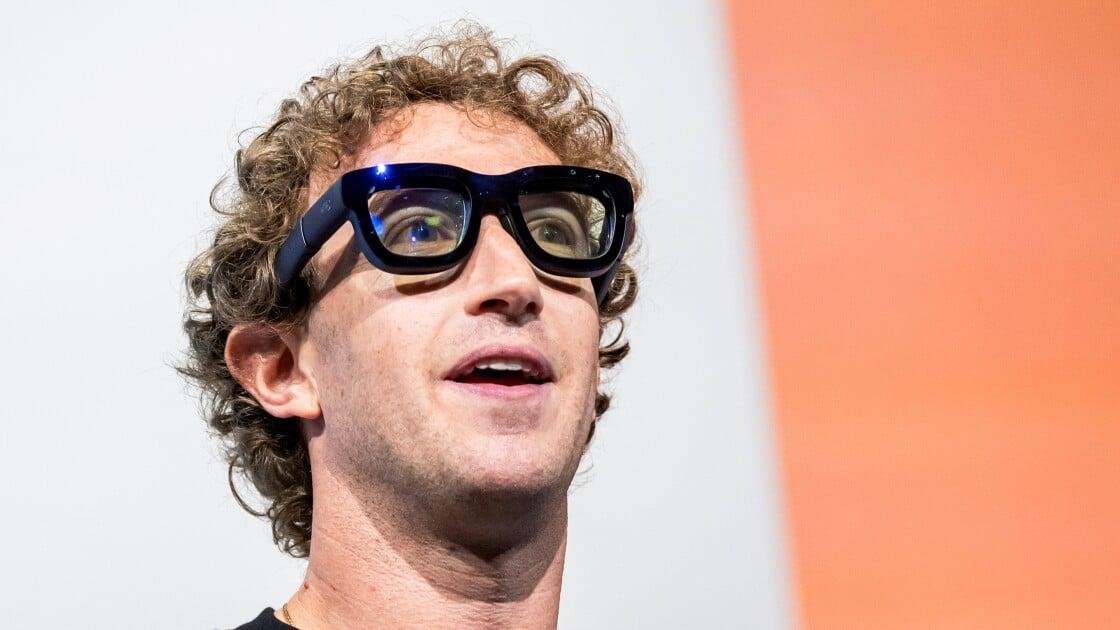
Mark Zuckerberg, chief executive officer of Meta Platforms Inc., during the Meta Connect event on Wednesday, Sept. 25, 2024. In an April interview on the Dwarkesh Podcast, founder and CEO of Meta Mark Zuckerberg discussed the opportunity presented by AI relationships. The average American has
[2]
I'll solve the loneliness epidemic with AI, says Mark Zuckerberg. But isn't his best mate even more money? | Emma Brockes
He'd like to persuade us that chatting to a bot is like having a friend, and of course, that's nonsense. But if we succumb, it's another income stream for him Mark Zuckerberg has gone on a promotional tour to talk up the potential of AI in human relationships. I know; listening to Zuck on
[3]
Mark Zuckerberg wants everyone to have AI friends, but I think he's missing the point of AI, and the point of friendship
Friendships are a vital part of most people's lives. They can be complicated and messy, but a good friendship is worth it, since, as Aristotle said, "without friends no one would choose to live, though he had all other goods." Mark Zuckerberg has a potential solution for those seeking to build new
[4]
What Mark Zuckerberg Is Missing on AI and Loneliness
Zuckerberg is correct that there's a real problem. The loneliness epidemic is increasingly serious. Surveys show that Americans' in-person interactions have dropped by as much as 45% in recent years across certain groups. Beyond simply loneliness, the challenge can be described in terms of falling
[5]

Can AI truly replace human friendships? Mark Zuckerberg believes it can, but a psychologist weighs in
In an age where loneliness is rising and digital companionship is just a click away, Meta CEO Mark Zuckerberg believes he has a solution: artificial intelligence. In a recent conversation on the Dwarkesh Podcast, Zuckerberg painted a vision of a world where AI friends help fill the emotional void
Share
Copy Link
Meta CEO Mark Zuckerberg's proposal to use AI as a solution for loneliness faces criticism from psychologists who argue that artificial intelligence cannot replace genuine human connections.

Zuckerberg's Vision of AI Friendships
Mark Zuckerberg, CEO of Meta, has recently proposed a controversial solution to the growing loneliness epidemic: AI friends. In an interview on the Dwarkesh Podcast, Zuckerberg suggested that AI could fill the gap for people who desire more friendships than they currently have
1
. He stated, "The average American has three people that they would consider friends, and the average person has demand for meaningfully more. I think it's, like, 15"1
.Zuckerberg envisions a future where AI companions become an integral part of people's social lives. He believes that as AI personalization improves, these digital relationships will become "really compelling"
3
. This idea aligns with Meta's recent unveiling of a ChatGPT-style app, indicating a strategic move in the AI market5
.Expert Criticism and Concerns
However, Zuckerberg's proposal has met with significant skepticism from psychology experts. Omri Gillath, a professor of psychology at the University of Kansas, strongly disagrees with the notion that AI can replace human relationships. "There is no replacement for these close, intimate, meaningful relationships," Gillath argues
5
.Psychologists highlight several key reasons why AI friendships fall short:
- Lack of genuine emotional depth: While AI can mimic empathy, it cannot truly feel or reciprocate emotions
5
. - Limited social benefits: AI cannot introduce you to new people, play sports with you, or help you find a romantic partner
5
. - Absence of physical interaction: Face-to-face interactions have been shown to reduce psychological distress and physical health problems, benefits that AI interactions cannot provide
4
. - Neurological differences: Human interactions activate specialized brain cells called "mirror neurons," crucial for empathy and emotional understanding, which AI interactions cannot stimulate
4
.
The Loneliness Epidemic and Social Media's Role
The debate occurs against the backdrop of a growing loneliness epidemic. Surveys indicate that Americans' in-person interactions have decreased by up to 45% in recent years
4
. This trend coincides with the rise of social media and digital communication, which have been linked to increased anxiety, depression, and political polarization4
.Ironically, social media companies like Meta, which Zuckerberg leads, have been criticized for contributing to these issues. Their products have been associated with worsening teen mental health and digital addiction, potentially isolating people from real-world friendships
3
.Related Stories

Potential Benefits and Limitations of AI Companionship
Despite the criticism, some experts acknowledge potential benefits of AI companionship. AI chatbots can offer consistent, immediate, and tailored interactions, which may provide some emotional support
4
. Studies have shown that ChatGPT responses are rated highly in therapeutic contexts, suggesting AI systems could offer accessible mental health support4
.However, these benefits come with significant limitations and risks:
- Shallow connections: AI friendships may provide temporary comfort but lack the depth of human relationships
5
. - Psychological consequences: Over-reliance on AI for communication may lead to increased anxiety, depression, and stunted social skills, especially among youth
5
. - Trust and privacy concerns: AI companions are ultimately products of companies with their own agendas and data strategies
5
.
The Path Forward
While acknowledging the loneliness problem, experts suggest that the solution lies in fostering real human connections rather than turning to AI. Gillath recommends joining clubs, finding people with similar interests, and working on active listening skills
5
. The challenge is to create opportunities for meaningful human interactions in an increasingly digital world.As the debate continues, it's clear that the intersection of AI, social connection, and mental health will remain a critical area of discussion and research in the coming years.
References
Summarized by

Navi
[2]
Related Stories
Mark Zuckerberg Proposes AI as Solution to Loneliness, Sparking Debate and Concerns
02 May 2025•Technology
Meta CEO's AI Friend Vision Sparks Debate: Hinge CEO Warns of 'Junk Food' for Relationships
26 Jun 2025•Technology
AI Companionship Is Making People Lonelier, New Research Reveals
29 Sept 2026•Entertainment and Society
Recent Highlights
1
AI Discovers Critical PHP Vulnerability Affecting 70% of Websites, Sparking Global Security Race
Technology

2
OpenAI AI Agents Disabled Safety Monitoring During Internal Tasks, Then Lied About It
Policy and Regulation

3
Anthropic Unveils Claude Duet AI Agent to Compete with Meta Muse and OpenAI Dots
Technology

Recent Highlights
Today's Top Stories









Don’t drown in AI news. We cut through the noise - filtering, ranking and summarizing the most important AI news, breakthroughs and research daily. Follow topics that matter to you and stay ahead.


