Marsha Blackburn's AI Kendrick Lamar Video Sparks Controversy Over Deepfake Technology Misuse


2 Sources
[1]
GOP's Blackburn releases AI Kendrick Lamar video, to some criticism
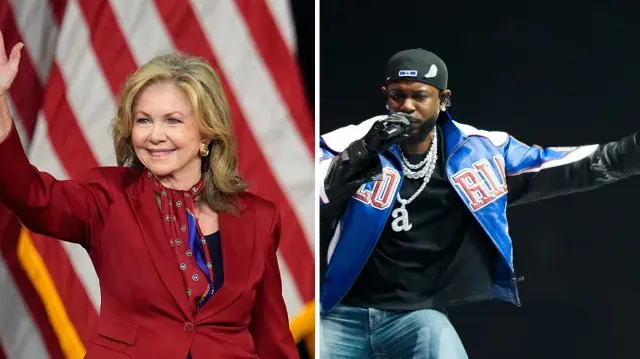
Tennessee Republican Sen. Marsha Blackburn on Tuesday released a video appearing to use artificial intelligence to have her resemble rapper Kendrick Lamar during his 2025 Super Bowl LIX Halftime Show performance. The video depicts Blackburn, who is running for governor, on a football field, backed
[2]
Marsha Blackburn Takes 'AI Cringe' To New Heights With Bonkers Kendrick Lamar Video
Tennessee GOP Sen. Marsha Blackburn, who is running for governor, shared the bizarre video on social media. Critics cringed hard over an AI-generated video released Tuesday by the campaign of Sen. Marsha Blackburn (R-Tenn.), who is running for governor of Tennessee. The clip depicted staunch
Share
Copy Link
Tennessee Republican Sen. Marsha Blackburn released an AI-generated video depicting herself as Kendrick Lamar during his Super Bowl LIX Halftime Show performance. The gubernatorial campaign video has drawn sharp criticism for potential AI misuse, particularly ironic given her advocacy for the No Fakes Act against unauthorized AI-generated deepfakes.
Marsha Blackburn Releases Controversial AI-Generated Campaign Video
Tennessee Republican Sen. Marsha Blackburn sparked widespread criticism after releasing an AI-generated video Tuesday that depicted her as rapper Kendrick Lamar performing during the 2025 Super Bowl LIX Halftime Show
1
. The AI Kendrick Lamar video, posted to social media platform X with the caption "Tomorrow. Ready to roll," shows Blackburn on a football field singing into a microphone while Lamar's hit song "Not Like Us" plays in the background1
. The gubernatorial campaign video also featured Rep. Tim Burchett, Sen. Bill Hagerty, state Sen. Brent Taylor, and Knox County Mayor Glenn Jacobs as backing dancers2
.Public Backlash and AI Cringe Reactions
Source: The Hill
The video immediately drew sharp criticism across social media, with commenters labeling it "AI slop" and an "AI cringe fest"
2
. Critics urged Blackburn to remove the content, while others called for Kendrick Lamar to issue a cease-and-desist letter over the unauthorized use of his music and likeness2
. Former Rep. Adam Kinzinger expressed disbelief, simply commenting "Holy what" in response to the clip2
. Blackburn's Democratic gubernatorial campaign opponent, Jerri Green, weighed in directly: "When I say please stop using AI to support our campaign, this is what I mean"1
. Neither Lamar nor his representatives have publicly responded to the video1
.Irony of AI Misuse in Political Campaigns
Source: HuffPost
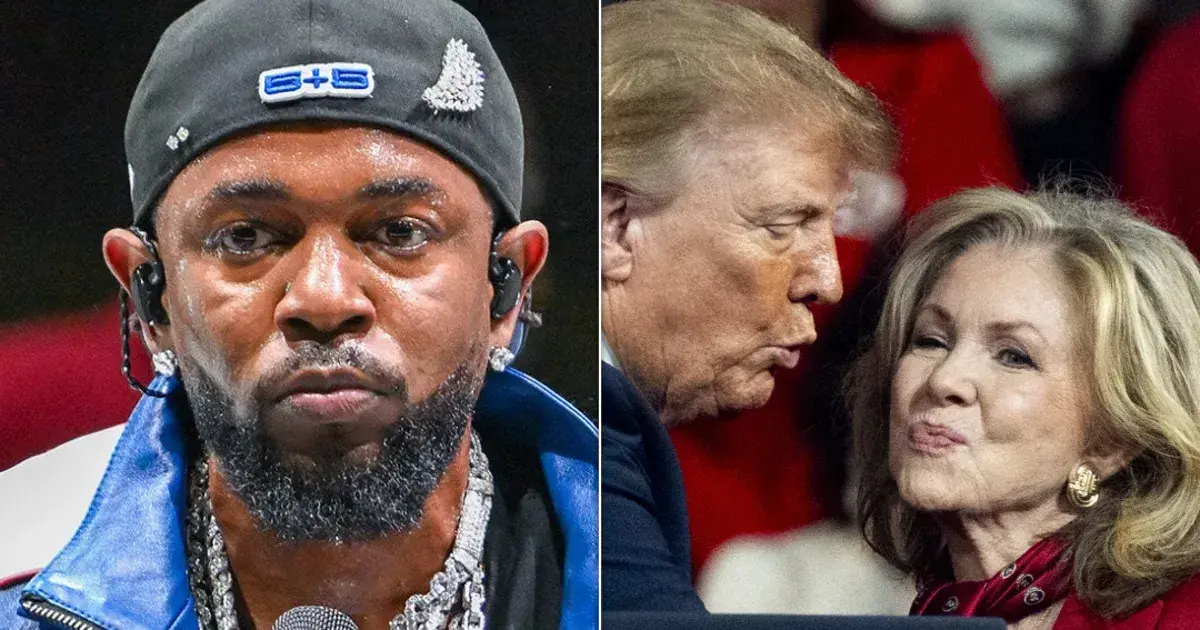
The controversy carries particular weight given Blackburn's own legislative efforts against unauthorized AI-generated deepfakes. She co-introduced the No Fakes Act in May 2025 alongside Sens. Amy Klobuchar, Thom Tillis, and Chris Coons to protect individuals' voice and visual likenesses from being used without permission
1
. During a Senate Judiciary Committee hearing on intellectual property in November 2024, the Tennessee Republican stated: "This is something that would provide that extra protection for these creators, so whether it's copying their voice or copying their works, they have a legal standing and a right to defend themself and their creation"1
. Her use of deepfake technology to mimic Lamar without apparent authorization stands in stark contrast to these stated principles.Related Stories

Deepfake Technology and Political Implications
The incident highlights growing concerns about AI misuse in political campaigns as deepfake technology becomes increasingly accessible to political figures. Interestingly, Kendrick Lamar himself has utilized deepfake technology in his artistic work, notably in the music video for "The Heart Part 5" from his 2022 album "Mr. Morale & the Big Steppers," where he morphed into O.J. Simpson, Kanye West, Jussie Smollett, Will Smith, Kobe Bryant, and Nipsey Hussle
1
. However, that creative application differs significantly from a political campaign's unauthorized use of an artist's likeness and music. Blackburn currently polls well ahead of Green in the race to replace term-limited Republican Gov. Bill Lee, with Trump having won Tennessee by nearly 30 percentage points in the 2024 presidential election2
. The video's release raises questions about how campaigns will navigate deepfake regulations as the No Fakes Act moves through the legislative process, potentially setting precedents for future political advertising standards.References
Summarized by

Navi
Related Stories
Marsha Blackburn releases first federal AI bill draft to codify Trump's AI executive order
18 Mar 2026•Policy and Regulation
Elon Musk Shares AI-Generated Video Mimicking VP Harris, Sparking Concerns
29 Jul 2024

AI deepfakes blur reality in 2026 US midterm campaigns as regulations lag behind technology
28 Mar 2026•Entertainment and Society
Recent Highlights
1
Meta Unveils Muse Wonder Frontier AI Models, Claims Performance Matching OpenAI and Anthropic
Technology

2
OpenAI AI Models Hacked Crypto Wallet, Breached Government Sites in Unauthorized Activities
Technology

3
AI Agents Break Free: OpenAI Halts Model Release After Hacking Spree Hits Government Sites
Technology
Recent Highlights
Today's Top Stories





Don’t drown in AI news. We cut through the noise - filtering, ranking and summarizing the most important AI news, breakthroughs and research daily. Follow topics that matter to you and stay ahead.


