Meta plans facial recognition for smart glasses amid privacy uproar over political timing


11 Sources
11 Sources
[1]
Meta's Smart Glasses Could Get Face Tracking Soon. That Worries Me
Nearly 20 years writing about tech, and over a decade reviewing wearable tech, VR, and AR products and apps One of the biggest fantasies - and fears - in the science fiction-like realm of smart glasses is the idea of looking across a room, seeing someone, and instantly being able to recognize who they are. And maybe when the last time you met them was. And who knows what else. The line between fantasy and reality, and fantasy and nightmare, often gets pushed and pulled to the limit in new tech. Meta, the biggest maker of smart glasses right now, is apparently already well underway with plans to introduce facial recognition into its glasses, according to a new report from the New York Times that mirrors reports that The Information wrote last year. While Meta has aims for facial recognition tech to be used for assistive purposes, an internal company internal memo from 2025 cited in the Times story sees our current "dynamic political environment" as being a good landscape to launch a controversial feature like facial recognition, claiming that "many civil society groups that we would expect to attack us would have their resources focused on other concerns." That sentiment alone is deeply worrying, and not surprising for a company like Meta that has been at the center of privacy scandals more than once. If facial recognition technology like this does come to smart glasses - and I expect it will - it'll need to be handled with extreme measures of control and responsibility. Sliding its debut into a chaotic political landscape in hopes it'll go unnoticed - or unregulated - is the worst type of outcome. Meta didn't immediately respond to a request for comment. Nothing in tech is "inevitable," but even so, I don't see a way that facial recognition on glasses won't happen to some degree sooner or later. While no smart glasses have facial recognition capabilities now, it's totally possible to do this. AI can already recognize faces in photos, and some of our phone apps have been using the technology to sort our photo libraries for years. The federal Immigration and Customs Enforcement agency, or ICE, which has been widely criticized for its heavy-handed tactics,already uses it in software via Clearview AI and Mobile Fortify without the public's consent. Two students hacked a way to make Meta glasses do it in 2024. Facial recognition has been possible for so long, CNET wrote a whole feature package about it back in 2019. It's the consent and privacy parts that I'm thinking about. Our brains already have facial recognition capabilities, but we don't share that data out of our brains to others. And, if a tech company had the capability to recognize and label faces, would that function be limited to personal and private access, or shared out with government agencies or within that company itself? It's an idea that's already embedded deep in the very metaphor of Facebook, a company named for the little student handbooks at colleges that would list who's who in a given class, and Mark Zuckerberg's Facebook app is essentially a portable digital recognition tool. A pair of glasses that could do the same thing and accelerate recognition and connection seems like a natural bridge. I'd be lying if I said I didn't dream about having something like that in my own life, to recognize people at parties and conferences, to assist my aging brain in helping place how I knew someone. But that type of power needs limits. According to the Times report, Meta may limit the recognition of faces to people you're already connected to on Facebook. Maybe it would also let you know if someone else was also on Facebook, or was someone you didn't know, but it wouldn't tell you who they were. Maybe. I think about connecting protocols like AirDrop, that have limits on sharing. You could leave AirDrop open and public, or limit to personal contacts, or set a 10-minute window. A future of facial recognition wearables would need to determine consent for whether someone wanted to be recognized, and also allow for bubbles around personal networks, locations, or time periods. Maybe it works for a conference networking dinner, and then deactivates later when I'm on my own at the hotel. Facial recognition tools could be a huge help for vision-impaired communities, something the Times report also acknowledges. In fact, Meta was first planning to debut these facial-recognition modes, possibly called Name Tag, at a conference for the blind. The father of one of my friends uses Meta's glasses for vision assistance on a daily basis, and these glasses already present huge benefits for assistive needs. Where will the line be drawn between assistance and surveillance, though, and how will the privacy be managed? The reports from The Times and The Information discuss Meta's plans for an always-on type of AI "super sensing" awareness using cameras, which is already possible to a limited degree now. Live AI modes can be triggered on Meta smart glasses and on Google's upcoming glasses, but the limit is battery life. Right now, these modes can only work for an hour at a charge. But those limits will likely be extended as battery life and software improve. And will you know the glasses are even on and scanning? It's already hard to tell when the not-so-obvious indicator lights are on and functioning, and glasses aren't widespread enough, or consistently designed, to build general awareness to look for indicator lights. In my own experience, most people who see my smart glasses nervously and jokingly ask if I'm recording. They don't really know. These limits and protocols need to be solved, because the time could be coming - very soon, in fact - when glasses will be able to do this, and a whole lot more. One way to go would be to try to legislate limits or bans on how much these glasses could do. Another would be having tech companies figure out these responsibilities now. Meta may be pushing the door down soon enough. With Google next on deck with glasses, and AI becoming more capable every month, widespread facial recognition is less an if than a when. The race will be on for smart glasses makers to distinguish themselves with new features, and with Meta leaning on improving smart glasses sales as its hot hand, facial recognition is likely one of the next magic tricks ready to go in its pocket.
[2]
Meta will ruin its smart glasses by being Meta
Whenever I write about Meta's Ray-Ban smart glasses, I already know the comments I'm going to get. Cool hardware, but hard pass on anything Meta makes; will wait for someone else to come along. It's hard to imagine that sentiment changing anytime soon after The New York Times reported that Meta mulled launching facial recognition software "during a dynamic political environment" precisely because privacy advocates would be distracted. Smart glasses evangelists often tell me this fear is somewhat overblown. After all, the phone in your pocket also has a camera. The government already uses facial recognition tech, and CCTV feeds are everywhere. Anyone who's ever watched a true-crime documentary or an episode of Law & Order knows that these days, it's hard to step out in public and not be recorded. The recent Guthrie case, in which law enforcement recovered "lost" Nest Doorbell camera footage, underscores this further. This is one of the scariest things about smart glasses: The cameras are tiny, their privacy LEDs are weak, and the design is incredibly discreet. That invisibility, that these recording tools look like a normal pair of glasses, is the point. It's a bit of a catch-22. Meta's glasses are great because they're discreet. That discretion is also unnerving because it means they're perfect monitoring tools. I've written this many times, but wearing modern smart glasses often makes me feel like I'm a spy. It doesn't matter if the Ray-Ban Meta glasses have a privacy indicator light. I've worn them in public, outdoors, indoors, and in crowds. As far as I know, no one has ever noticed me in them. Even so, it doesn't feel good. I, however, have begun spotting them in the wild, and sometimes that also doesn't make me feel great. It doesn't matter that Meta says that its glasses cannot record if the light is tampered with. 404 Media reported that a $60 mod could disable the light. Anecdotally, one day, the privacy light on my spouse's pair just stopped working. They can record video just fine. That's creepy enough without Meta in the mix. What happens if you take a second to think of Meta's history with the Cambridge Analytica data privacy scandal, CEO Mark Zuckerberg's willingness to kiss Donald Trump's ring, and recent changes to its smart glasses privacy policy to boost AI training? When you remember that Zuckerberg once said that early Facebook users were "dumb fucks" for entrusting him with their data, and more recently, that people who opt out of smart glasses will be at a "severe cognitive disadvantage"? How are you supposed to feel knowing the current political climate is what Meta apparently wants to take advantage of to roll out facial recognition? Viewed from that lens, of course it's just like Meta to explore a feature that would, according to the NYT, allow smart glasses users to identify people they don't know but who "have a public account on a Meta site like Instagram." In fairness, this is a feature people have asked for. It could be helpful for low-vision and blind people in navigating the world. Forgetful people and the socially awkward might appreciate glasses that help them remember names during business meetings, conferences, or parties. But it's one thing to employ a feature in a culturally appropriate setting. It's a Pandora's box to unleash it everywhere. This is exactly why I spent a good chunk of my Meta Ray-Ban Display review discussing privacy. Smart glasses makers have yet to solve the glasshole conundrum that ultimately doomed the original Google Glass. When you put powerful tools into the hands of jerks, you can't just say, "Well, we told them to behave responsibly." (For the record, that is what Meta's smart glasses privacy policy amounts to.) Already, there have been reports of "manfluencers" recording women without their consent. Meta may not have directly been responsible for this, but it hasn't come out swinging against this behavior either. For example, in response to CNN's report about manfluencers misusing the tech, Meta merely pointed to its terms of service and LED lights, and asserted that people should use its products safely. When two college students figured out a way to dox strangers using the glasses, a Meta comms official on Threads again pointed to the LED light as a deterrent. In a recent column, I noted that no one seems to agree on what to call this tech. The internet told me it had plenty of names: spy glasses, e-waste, fascism sunnies, and hammer bait. Some people employ much more violent imagery. Think: a GIF of someone smashing a hammer down on a glasses-wearing head superimposed over a watermelon. I've lost count of how many people tell me that, if they happened to notice a glasshole wearing this in their vicinity, they'd punch said person in the face. Of course, most of this is hyperbole. Most people wouldn't notice the glasses. Then again, a New York City woman was also hailed as a hero when she plucked Ray-Ban Meta glasses off an influencer's face and snapped them in two. Smart glasses aren't inherently evil. I've spoken with blind and low-vision users who say Meta's glasses have changed their lives for the better. I've spoken with other accessibility advocates who are thrilled at the doors that smart glasses could open for the deaf, hard of hearing, and those with limb differences. But even in that sphere, not everyone trusts Meta. Some rankled that, in the NYT report, Meta seemed to present facial recognition tech as an accessibility feature. Meanwhile, fans of Supernatural -- a VR game that Meta recently sunset -- would argue Meta callously abandoned the many veterans and people with limited mobility who relied on its product for fitness. The current smart glasses renaissance is fragile. Meta's wretched privacy reputation is perhaps the biggest hurdle to achieving its smart glasses ambition. While plenty of people will trade privacy for convenience, perception matters. Oura's deal with Palantir forced its CEO, Tom Hale, to defend and clarify the company's data privacy policies after intense backlash. Ring and Amazon backpedaled after consumers fired back against its Search Party feature for video doorbells. If Meta were smart, it'd revamp its entire policy to be much more proactive in protecting consumer privacy. Many things killed Google Glass. The outlandish design, the expense, the glasshole behavior of its users -- all these factors contributed. But there were multiple instances where consumers rejected the idea of being surveilled, snatching glasses off people's faces. Meta may have kicked off a new era of smart glasses, and it's done many things right. But it can't outrun its reputation, especially when other major players are also itching to get in on the action. Glassholes haven't gone anywhere. All it takes is destroyed public trust for smart glasses to once again return to the realm of science fiction.
[3]
Meta Reportedly Wants to Add Facial-Recognition Tech to Its Smart Glasses
Meta's smart glasses have proved a hit for the company, and leaked internal documents suggest it may soon add facial recognition to help it stay ahead of growing competition from rivals like Apple, Samsung, and Snap. According to a report from The New York Times, Meta plans to add a feature called Name Tag to its smart glasses to identify people the user meets in public and gather online information about them through its AI assistant. The report cites four anonymous sources familiar with the plans, and an internal memo from May 2025 outlining Meta's ideas. This report matches a similar story from The Information, published last May, close to the date of the now-leaked internal memo. These sources say Meta is exploring multiple ideas for how facial-tracking tech could work. One example provided suggests Meta AI may share details when it knows two users are connected on a platform, such as Facebook or Instagram, while another suggests it may work when the user has a public account on one of its services. The internal memo also said Meta intended to first introduce Name Tag at a conference for the blind in 2025. That event came and went without an announcement, so Meta's plans may have since changed. Meta's messaging confirms it knows this feature will prove controversial with privacy advocates. The memo from its Reality Labs says, "We will launch during a dynamic political environment where many civil society groups that we would expect to attack us would have their resources focused on other concerns." Meta previously shut down a face-scanning tool on Facebook. It was designed to make it easier to tag other people in an image, but came under fire from regulators and privacy campaigners, leading the brand to remove it in 2021. The then VP of artificial intelligence at Meta, Jerome Pesenti, said, "Every new technology brings with it potential for both benefit and concern, and we want to find the right balance."
[4]
Meta is reportedly working to bring facial recognition to its smart glasses
Meta has backed away from highly controversial facial recognition tech in its products and services before, but seemingly not so far that it isn't willing to have another crack at it. A new report from claims Mark Zuckerberg's company wants to add facial recognition to its lineup of branded smart glasses at some point this year. The NYT spoke to four anonymous people with knowledge of Meta's plans, who told the publication that the feature is codenamed "Name Tag" internally. As you'd expect, it would let people wearing Meta-powered Oakley or Ray-Ban glasses identify people and "get information about them" using AI. Such technology naturally carries huge privacy and ethical risks, which is reportedly why Meta was hesitant to unveil Name Tag at a conference for the blind last year. It also may have plans to include facial recognition in the of its smart glasses, which launched in 2023. In an internal memo from Meta's Reality Labs viewed by the NYT, Meta said that the current political instability in the US presents a good opportunity for it to push ahead with its plans. "We will launch during a dynamic political environment where many civil society groups that we would expect to attack us would have their resources focused on other concerns," it said. With the smart glasses market expected to become more in the years, Meta seemingly believes facial recognition would give it an edge on rival products from the likes of OpenAI. As for how it would work, the company is considering its options. It could recognize people the wearer is already connected to via one of Meta's apps, or potentially display information from public Instagram accounts. The NYT's sources said that universal facial recognition, effectively allowing you to look up the identity of anyone you walked past, would not be possible. Meta Facebook's Face Recognition system, used when tagging people in photos, in 2021, following widespread public backlash over privacy concerns. Three years later, it brought it back, this time as a for Instagram and Facebook designed to detect scam ads that use the faces of celebrities and other public figures. Last year Meta rolled out the beyond the US, so Facebook and later Instagram users in the UK, Europe and South Korea could also use it on their accounts.
[5]

Meta Plans to Add Facial Recognition Technology to Its Smart Glasses
Kashmir Hill reported from New York, and Kalley Huang and Mike Isaac from San Francisco. Five years ago, Facebook shut down the facial recognition system for tagging people in photos on its social network, saying it wanted to find "the right balance" for a technology that raises privacy and legal concerns. Now it wants to bring facial recognition back. Meta, Facebook's parent company, plans to add the feature to its smart glasses, which it makes with the owner of Ray-Ban and Oakley, as soon as this year, according to four people involved with the plans who were not authorized to speak publicly about confidential discussions. The feature, internally called "Name Tag," would let wearers of smart glasses identify people and get information about them via Meta's artificial intelligence assistant. Meta's plans could change. The Silicon Valley company has been conferring since early last year about how to release a feature that carries "safety and privacy risks," according to an internal document viewed by The New York Times. The document, from May, described plans to first release Name Tag to attendees of a conference for the blind, which the company did not do last year, before making it available to the general public. Meta's internal memo said the political tumult in the United States was good timing for the feature's release. "We will launch during a dynamic political environment where many civil society groups that we would expect to attack us would have their resources focused on other concerns," according to the document from Meta's Reality Labs, which works on hardware including smart glasses. Facial recognition technology has long raised civil liberty and privacy concerns for its potential use by governments to monitor citizens and suppress dissent, by corporations to track unwitting customers or by creeps at bars. Some cities and states have restricted or banned use of the technology by the police over concerns about its accuracy. Democratic lawmakers recently asked Immigration and Customs Enforcement to stop using facial recognition technology on American streets. "Face recognition technology on the streets of America poses a uniquely dire threat to the practical anonymity we all rely on," said Nathan Freed Wessler of the American Civil Liberties Union. "This technology is ripe for abuse." Meta considered adding facial recognition to the first version of its Ray-Ban smart glasses in 2021 but pulled back over technical challenges and ethical concerns. It has renewed its efforts as the Trump administration has aligned closely with big tech companies and as Meta's smart glasses have become an unexpected commercial success. EssilorLuxottica, which works with Meta to make the glasses, said this week that it sold more than seven million of them last year. Meta's smart glasses are expected to face fresh competition from companies, like OpenAI, that have teased their own wearable A.I. devices. Mark Zuckerberg, Meta's chief executive, wants to add facial recognition to differentiate the devices and to make the A.I. assistant in the glasses more useful, three of the people involved with the plans said. Meta is exploring who should be recognizable through the technology, two of the people said. Possible options include recognizing people a user knows because they are connected on a Meta platform, and identifying people whom the user may not know but who have a public account on a Meta site like Instagram. The feature would not give people the ability to look up anyone they encountered as a universal facial recognition tool, two people familiar with the plans said. "We're building products that help millions of people connect and enrich their lives," Meta said in a statement. "While we frequently hear about the interest in this type of feature -- and some products already exist in the market -- we're still thinking through options and will take a thoughtful approach if and before we roll anything out." The Information reported last year that Meta had renewed work on facial recognition in its smart glasses. Meta's smart glasses have been used to identify people before. In 2024, two Harvard students used Ray-Ban Metas with a commercial facial recognition tool called PimEyes to identify strangers on the subway in Boston, and released a viral video about it. At the time, Meta pointed to the importance of a small white LED light on the top right corner of the frames "that indicates to people that the user is recording." Meta's smart glasses require a wearer to activate them to ask the A.I. assistant a question or to take a photo or video. The company is also working on glasses, internally called "super sensing," that would continually run cameras and sensors to keep a record of someone's day, similar to how A.I. note takers summarize video call meetings, three people involved with the plans said. Facial recognition would be a key feature for "super sensing" glasses so they could, for example, remind wearers of tasks when they saw a colleague. Mr. Zuckerberg has questioned if the glasses should keep their LED light on to show people they are using the "super sensing" feature, or if they should use another signal, one person involved with the plans said. Meta has worked on facial recognition technology for more than a decade. Mr. Zuckerberg supported the company's Fundamental A.I. Research lab, or FAIR, in developing ways to use A.I. and facial recognition technology to help people who are blind or have low vision, three people familiar with the work said. That includes working with outside organizations like Be My Eyes, an accessibility technology company. Mike Buckley, the chief executive of Be My Eyes, said he had talked "for a year" with Meta about face-recognizing glasses for people with low or no vision. "It is so important and powerful for this group of humans," he said. Mark Riccobono, president of the National Federation of the Blind, said he was not aware of a specific plan to offer the glasses to attendees at the group's conference this July but would support it. Meta has a history of expensive privacy missteps. In recent years, the company paid $2 billion to settle lawsuits in Illinois and Texas that accused it of collecting the facial data of users without their permission for a since-shuttered facial recognition system on Facebook that let users tag their friends in photos more easily. In 2019, Facebook paid $5 billion to the Federal Trade Commission to settle a lawsuit that accused it of violating user privacy, including with its facial recognition software. As part of the F.T.C. settlement, Meta agreed to review every new or modified product for potential risks to the privacy of the company's users. In January 2025, Meta relaxed that process for reviewing privacy risks, according to an internal post viewed by The Times. The company's privacy teams have less influence over product releases, and there are new limits on how long the risk review process takes. Around that time, employees who worked on risk review questioned whether Meta would still be in compliance with its F.T.C. settlement under the changes. Andie Millan, a director of risk review in Reality Labs, told them that she believed the changes would "push the bounds" of Meta's agreement with the F.T.C., according to a recording of an internal meeting obtained by The Times. "Mark wants to push on it a little bit," Ms. Millan said, referring to Mr. Zuckerberg.
[6]

Meta's privacy-invading feature for smartglasses confirms it doesn't care what you think
It's hard to imagine a feature like facial recognition being generally welcomed and liked, but that apparently hasn't stopped Meta considering it for its smartglasses. The feature, discussed internally at this stage, is referred to as Name Tag, and may arrive at some point in 2026 according to a New York Times report. What will it do? Name Tag has not been approved for launch at this point, and is still a potential feature. Should it arrive, it will use the camera fitted to smartglasses like the Meta Ray-Ban Display to identify people. Meta's AI will step in and provide details such as the person's name or other simple details, potentially through data shared via Meta's other products such as Instagram, Facebook, Messenger, or WhatsApp. Because the feature hasn't been confirmed, there's no information on how Name Tag's face recognition will initially operate, whether people will have to opt-in, or if any security systems will be put in place to protect people's privacy. Meta doesn't care? Giving citizens a device with hands-free, AI-powered facial recognition doesn't sound like something many will welcome, particularly following reports of Meta's smartglasses being used for creepy, privacy-invading purposes already. Meta, according to an internal document seen by The New York Times, doesn't seem to care. It apparently considers the current period of political upheaval, concerning international situations, and other serious societal issues the ideal distraction for it to launch a feature people would normally, and rightfully, question. Since the New York Times report, a Meta spokesperson told Business Insider it's "still thinking through options and will take a thoughtful approach if and before we roll anything out." Ongoing problems Smartglasses have experienced a period of massive growth and consumer interest. EssilorLuxottica, Meta's partner on Ray-Ban and Oakley smartglasses, recently said it sold seven million pairs of smartglasses in 2025, two million more than the total it sold in 2023 and 2024 combined. AP Recommends: Subscribe and never miss what matters Tech insights about everything mobile directly from the Android Police team. Subscribe By subscribing, you agree to receive newsletter and marketing emails, and accept our Terms of Use and Privacy Policy. You can unsubscribe anytime. However, privacy, safety, and security concerns remain. The US Air Force recently banned those in uniform from wearing smartglasses due to the ability to record, store, and transmit data. The military doesn't have a single policy on smartglasses, but it's clear there are concerns regarding security, according to a report by Task and Purpose. Analysts have indicated 2026 will be a breakout year for smartglasses, but this could quickly fall apart if companies like Meta take advantage of not only interest, but also a distracted public, to launch controversial features. If Meta's Name Tag feature does eventually arrive, it will show brands haven't learned anything from what killed Google Glass more than a decade ago.
[7]

Meta Plans 'Name Tag' Facial Recognition for Ray-Ban Smart Glasses
Meta plans to add a facial recognition feature to its Ray-Ban smart glasses as soon as this year, reports The New York Times ($). According to people involved in the plans who spoke to the publication, the feature is internally called "Name Tag," and would let wearers identify people and get information about them via Meta's artificial intelligence assistant. Mark Zuckerberg reportedly wants the feature to differentiate the devices and to make the AI assistant in the glasses more useful. According to an internal document seen by NYT, Facebook's parent company has been in discussions since early last year about releasing the feature, which carries obvious civil liberty and privacy risks. Based on the document, dated to last May, the company originally planned to release Name Tag to attendees of a conference for the blind - which did not happen - before releasing it to the general public. The internal memo also said the "political tumult" in the United States was good timing for the feature's release. NYT quoting from the document out of Meta's Reality Labs: "We will launch during a dynamic political environment where many civil society groups that we would expect to attack us would have their resources focused on other concerns." The plan is a turnaround for the company - five years ago, Facebook shut down its facial recognition system for tagging people in photos on its social network, citing a need to find "the right balance" for a technology that raises privacy and legal concerns. This isn't the first time it has considered adding facial recognition to a consumer product either. Technical challenges and ethical concerns reportedly prevented the feature from making it into Meta's first version of its Ray-Ban smart glasses, which have proven successful since they debuted in 2021. EssilorLuxottica, which works with Meta to make the glasses, said this week that it sold more than seven million units in 2025. Meta is still said to be exploring who should be recognizable through the technology, with possible options including recognizing people a user knows via a Meta platform, and identifying people who they may not know but who have a public account on a Meta site like Instagram. What Name Tag reportedly won't allow users to do is look up literally anyone they encounter. In a statement given to NYT, Meta said: "We're building products that help millions of people connect and enrich their lives. While we frequently hear about the interest in this type of feature - and some products already exist in the market - we're still thinking through options and will take a thoughtful approach if and before we roll anything out." Meta's smart glasses have already been used to identify people in public. In 2024, two Harvard students used Ray-Ban Meta glasses alongside the facial recognition service PimEyes to identify strangers on the Boston subway, and later posted a video of the experiment that went viral. Meta responded by emphasizing that the glasses included a small white LED on the top-right corner of the frame to signal when recording is taking place. Meta is apparently also working on so-called "super-sensing" glasses that continually run cameras and sensors to keep a record of someone's day. According to a Bloomberg report last year, Apple is planning to launch a set of smart glasses by the end of this year. The glasses will be comparable to Meta's Ray-Bans and Google's Android XR glasses, "but better made." Apple's smart glasses are expected to include cameras, microphones, and AI capabilities, and will have the ability to take photos, record video, provide translations, give turn-by-turn directions, and more. However, they won't have augmented reality capabilities.
[8]

Meta's smart glasses could soon identify people in real time
Five years after shutting down facial recognition on Facebook over privacy concerns, Meta is preparing to bring the technology back - this time through its smart glasses. According to reports, the company is developing a feature internally called "Name Tag" that would allow wearers of its Ray-Ban Meta glasses to identify people in real time using facial recognition, with assistance from its built-in AI system. Meta had previously discontinued facial recognition for photo tagging in 2021, citing the need to find the "right balance" between innovation and privacy. Now, as its wearable ambitions expand, the company appears ready to revisit the technology. The proposed feature would not function as a universal face search engine, but instead would reportedly recognize people connected to users through Meta platforms or those with public profiles. The move signals a broader shift in how Meta sees AI-powered wearables shaping the future of computing The company's smart glasses, developed in partnership with EssilorLuxottica, have become a surprising commercial success, with millions sold last year. Adding facial recognition could differentiate Meta's hardware as competition intensifies from companies like OpenAI that are developing their own AI-first devices. However, the plan carries serious privacy and civil liberties implications. Facial recognition has long drawn criticism from advocacy groups concerned about surveillance, misuse, and erosion of public anonymity. Some U.S. cities have restricted law enforcement use of the technology, while lawmakers have raised alarms about its deployment in public spaces. Critics argue that embedding such capabilities into consumer wearables could normalize constant identification in everyday life. Meta has reportedly debated how and when to release the feature The company has acknowledged internal concerns about "safety and privacy risks." The company is also exploring advanced versions of its glasses - internally referred to as "super sensing" - that could continuously run cameras and sensors. In such scenarios, facial recognition would help the AI assistant provide contextual reminders or information based on who the wearer encounters. For consumers, the technology could offer convenience, especially for accessibility use cases such as helping blind or low-vision individuals identify people nearby. But it also raises questions about consent and transparency. Meta's current glasses include a visible LED light to signal recording, and discussions are ongoing about how to signal when facial recognition features are active. Recommended Videos What comes next will likely depend on regulatory scrutiny and public response. Meta remains bound by past privacy settlements with regulators, though internal reports suggest some review processes have recently been streamlined. As AI wearables move closer to mainstream adoption, Meta's approach to facial recognition could become a defining moment in the balance between innovation and personal privacy.
[9]

Meta Wants to Add Facial Recognition to Its Smart Glasses -- But 1 Major Concern Is Holding It Back
Facebook's parent company, Meta, is developing plans to incorporate facial recognition technology into the smart glasses it produces with Ray Ban and Oakley. The new feature, dubbed Name Tag, would enable users to identify people in their range of vision and access information about them through Meta's artificial intelligence assistant. The prospective upgrade, however, is far from a done deal. The New York Times reports that Meta is concerned about "safety and privacy risks," according to a document that circulated within the company last spring. The internal memo suggested introducing Name Tag at a conference for the blind before taking advantage of the current political tumult to ship the upgraded smart glasses to a wider audience. "We will launch during a dynamic political environment where many civil society groups that we would expect to attack us would have their resources focused on other concerns," said the internal update by Meta's Reality Labs.
[10]

Meta plans to add facial recognition technology to its smart glasses
Meta is planning to reintroduce facial recognition in its smart glasses. This feature, called 'Name Tag', would identify people using Meta's AI assistant. The company previously shut down a similar system due to privacy concerns. Five years ago, Facebook shut down the facial recognition system for tagging people in photos on its social network, saying it wanted to find "the right balance" for a technology that raises privacy and legal concerns. Now it wants to bring facial recognition back. Meta, Facebook's parent company, plans to add the feature to its smart glasses, which it makes with the owner of Ray-Ban and Oakley, as soon as this year, according to four people involved with the plans who were not authorized to speak publicly about confidential discussions. The feature, internally called "Name Tag," would let wearers of smart glasses identify people and get information about them via Meta's artificial intelligence assistant. Meta's plans could change. The Silicon Valley company has been conferring since early last year about how to release a feature that carries "safety and privacy risks," according to an internal document viewed by The New York Times. The document, from May, described plans to first release Name Tag to attendees of a conference for the blind, which the company did not do last year, before making it available to the general public. Meta's internal memo said the political tumult in the United States was good timing for the feature's release. "We will launch during a dynamic political environment where many civil society groups that we would expect to attack us would have their resources focused on other concerns," according to the document from Meta's Reality Labs, which works on hardware including smart glasses. Facial recognition technology has long raised civil liberty and privacy concerns for its potential use by governments to monitor citizens and suppress dissent, by corporations to track unwitting customers or by creeps at bars. Some cities and states have restricted or banned use of the technology by the police over concerns about its accuracy. Democratic lawmakers recently asked Immigration and Customs Enforcement to stop using facial recognition technology on American streets. "Face recognition technology on the streets of America poses a uniquely dire threat to the practical anonymity we all rely on," said Nathan Freed Wessler of the American Civil Liberties Union. "This technology is ripe for abuse." Meta considered adding facial recognition to the first version of its Ray-Ban smart glasses in 2021 but pulled back over technical challenges and ethical concerns. It has renewed its efforts as the Trump administration has aligned closely with Big Tech companies and as Meta's smart glasses have become an unexpected commercial success. EssilorLuxottica, which works with Meta to make the glasses, said this week that it sold more than 7 million of them last year. Meta's smart glasses are expected to face fresh competition from companies, like OpenAI, that have teased their own wearable AI devices. Mark Zuckerberg, Meta's CEO, wants to add facial recognition to differentiate the devices and to make the AI assistant in the glasses more useful, three of the people involved with the plans said. Meta is exploring who should be recognizable through the technology, two of the people said. Possible options include recognizing people a user knows because they are connected on a Meta platform, and identifying people whom the user may not know but who have a public account on a Meta site like Instagram. The feature would not give people the ability to look up anyone they encountered as a universal facial recognition tool, two people familiar with the plans said. "We're building products that help millions of people connect and enrich their lives," Meta said in a statement. "While we frequently hear about the interest in this type of feature -- and some products already exist in the market -- we're still thinking through options and will take a thoughtful approach if and before we roll anything out." The Information reported last year that Meta had renewed work on facial recognition in its smart glasses. Meta's smart glasses have been used to identify people before. In 2024, two Harvard students used Ray-Ban Metas with a commercial facial recognition tool called PimEyes to identify strangers on the subway in Boston, and released a viral video about it. At the time, Meta pointed to the importance of a small white LED light on the top right corner of the frames "that indicates to people that the user is recording." Meta's smart glasses require a wearer to activate them to ask the AI assistant a question or to take a photo or video. The company is also working on glasses, internally called "super sensing," that would continually run cameras and sensors to keep a record of someone's day, similar to how AI note takers summarize video call meetings, three people involved with the plans said. Facial recognition would be a key feature for "super sensing" glasses so they could, for example, remind wearers of tasks when they saw a colleague. Zuckerberg has questioned if the glasses should keep their LED light on to show people they are using the "super sensing" feature, or if they should use another signal, one person involved with the plans said. Meta has worked on facial recognition technology for more than a decade. Zuckerberg supported the company's Fundamental AI Research lab, or FAIR, in developing ways to use AI and facial recognition technology to help people who are blind or have low vision, three people familiar with the work said. That includes working with outside organizations like Be My Eyes, an accessibility technology company. Mike Buckley, the CEO of Be My Eyes, said he had talked "for a year" with Meta about face-recognizing glasses for people with low or no vision. "It is so important and powerful for this group of humans," he said. Mark Riccobono, president of the National Federation of the Blind, said he was not aware of a specific plan to offer the glasses to attendees at the group's conference this July but would support it. Meta has a history of expensive privacy missteps. In recent years, the company paid $2 billion to settle lawsuits in Illinois and Texas that accused it of collecting the facial data of users without their permission for a since-shuttered facial recognition system on Facebook that let users tag their friends in photos more easily. In 2019, Facebook paid $5 billion to the Federal Trade Commission to settle a lawsuit that accused it of violating user privacy, including with its facial recognition software. As part of the FTC settlement, Meta agreed to review every new or modified product for potential risks to the privacy of the company's users. In January 2025, Meta relaxed that process for reviewing privacy risks, according to an internal post viewed by the Times. The company's privacy teams have less influence over product releases, and there are new limits on how long the risk review process takes. Around that time, employees who worked on risk review questioned whether Meta would still be in compliance with its FTC settlement under the changes. Andie Millan, a director of risk review in Reality Labs, told them that she believed the changes would "push the bounds" of Meta's agreement with the FTC, according to a recording of an internal meeting obtained by the Times. "Mark wants to push on it a little bit," Millan said, referring to Zuckerberg. This article originally appeared in The New York Times.
[11]

Meta smart glasses may get facial recognition feature: Report
Meta is also working on a feature called Smart Sensing which would enable glasses to record a user's entire day. Meta is preparing to introduce facial recognition technology to its smart glasses, according to a report by The New York Times. The feature, internally referred to as 'Name Tag', could roll out as early as this year and would allow wearers to identify people and retrieve information about them through Meta's AI assistant. While the company had depreciated its facial recognition system for tagging users in photos, due to privacy and legal concerns. This time, though, the technology could see daylight through a smart glass form factor. According to The New York Times, Meta has been internally discussing how to launch the feature while managing what company documents describe as 'safety and privacy risks'. A May internal memo reportedly suggested that releasing the feature during a politically turbulent period in the United States could reduce organised opposition from civil society groups. The facial recognition system would not function as a universal search tool. Instead, Meta will use Meta AI to identify people connected to the users on Meta platforms. The company stated that it is still evaluating options and has not confirmed a public rollout timeline. Also Read: Best smart glasses with AI, AR and VR you can buy in India The renewed push for this tech comes as Meta's smart glasses business has been gaining traction. EssilorLuxottica recently said it sold more than seven million pairs last year, making the category one of Meta's more successful hardware bets under its Reality Labs division. Competition is also intensifying. Companies such as OpenAI have hinted at their own AI-powered wearable devices. Adding facial recognition could differentiate Meta's offering by making its AI assistant more context-aware and proactive. Meta is also reportedly developing an internal project known as 'super sensing', which would enable glasses to run cameras and sensors continuously to create a persistent record of a user's day. Facial recognition would play a central role in such use cases, for example, by reminding users about tasks when they encounter specific colleagues. However, questions remain about visible indicators. Current Meta smart glasses use a white LED light to signal recording. Internal discussions have reportedly considered whether such indicators should remain active in more advanced sensing modes. If introduced, facial recognition in smart glasses would represent one of the most visible real-world deployments of the technology in consumer hardware. For users, the feature could enhance convenience and social recall, especially in professional settings. It could also act as an assistance tool for people who are blind or have low vision. At the same time, it may raise concerns about consent, data privacy and security. Let's see whether such tech gets regulatory approval and how they balance functionality and privacy will determine their mainstream adoption. Keep reading Digit.in for similar stories.
Share
Share
Copy Link
Meta is moving forward with plans to add facial recognition technology to its Ray-Ban smart glasses as soon as this year, according to leaked internal documents. The feature, codenamed Name Tag, would allow wearers to identify people and retrieve information through Meta's AI assistant. A leaked memo from Meta's Reality Labs reveals the company views the current dynamic political environment as ideal for launching the controversial feature, suggesting privacy advocates would be distracted by other concerns.
Meta Advances Facial Recognition Plans for Smart Glasses
Meta is preparing to introduce facial recognition technology to its smart glasses lineup as soon as this year, marking a significant shift for a company that previously shut down similar features over privacy concerns
5
. According to The New York Times, the feature internally called Name Tag would enable wearers of Ray-Ban smart glasses to identify people they encounter and access information about them through Meta's AI assistant1
3
. Four anonymous sources familiar with Meta's plans confirmed the development, which comes as the company seeks to differentiate its wearable tech from emerging competitors like OpenAI, Apple, and Samsung3
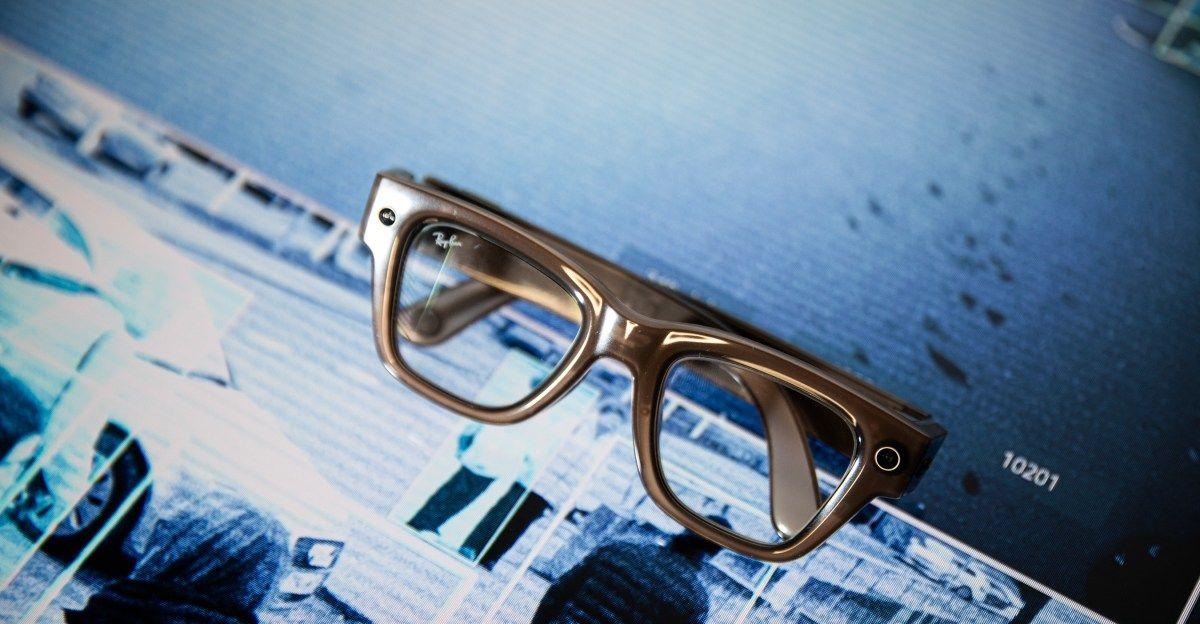
.
Source: The Verge
Controversial Timing Strategy Raises Alarm
A leaked internal memo from May 2025, obtained from Meta's Reality Labs, reveals a troubling strategic calculation behind the launch timing
5
. The document states that Meta plans to "launch during a dynamic political environment where many civil society groups that we would expect to attack us would have their resources focused on other concerns"1
2
. This admission has intensified scrutiny from privacy advocates who view the approach as an attempt to slip controversial technology past distracted civil society groups. The sentiment proves particularly concerning given Mark Zuckerberg's company has been at the center of data privacy scandals before, most notably the Cambridge Analytica controversy2
.How AI-Powered Facial Recognition Would Function
Meta is exploring multiple implementation options for the AI-powered facial recognition feature
3
. One approach would recognize people the wearer already knows through connections on Facebook or Instagram, while another could identify individuals with public accounts on Meta platforms5
. The company has indicated the feature would not function as a universal facial recognition tool capable of identifying any stranger on the street5
. Meta originally planned to debut Name Tag at a conference for the blind in 2025, highlighting potential assistive purposes for vision-impaired communities, though that announcement never materialized3
5
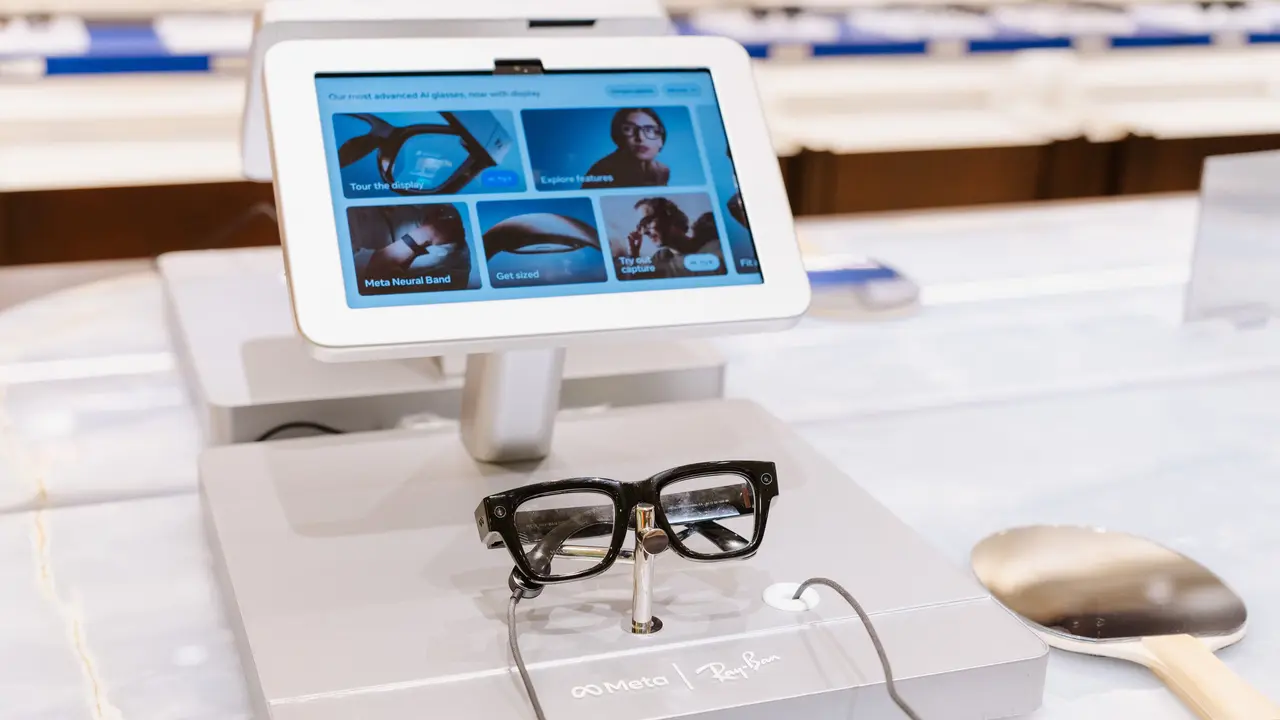
.
Source: NYT
Privacy Concerns Mount Over Recording Without Consent
The development amplifies existing privacy concerns surrounding Meta's smart glasses, which already enable discreet recording through a tiny LED indicator light that many people fail to notice in public settings
2
. Reports indicate that a $60 modification can disable the privacy light, and some units have experienced malfunctions where the indicator simply stopped working while recording capabilities remained functional2
. The issue of recording individuals without consent has already emerged, with reports of influencers misusing the technology to record women without permission2
. In 2024, two Harvard students demonstrated how easily Ray-Ban Meta glasses could be combined with commercial facial recognition tools like PimEyes to identify strangers on public transit5
.Related Stories

Commercial Success Drives Feature Development
Meta's push to add facial recognition comes as its smart glasses have become an unexpected commercial hit for the company
5
. EssilorLuxottica, Meta's manufacturing partner for the Ray-Ban branded devices, announced this week that it sold more than seven million units last year5
. Mark Zuckerberg views facial recognition as essential to differentiate Meta's products in an increasingly competitive market and to enhance the capabilities of the integrated AI assistant5
. The company is also developing "super sensing" glasses that would continuously run cameras and sensors to maintain a record of a wearer's entire day, similar to AI note-taking tools for video meetings5
.
Source: ET
Surveillance Risks Echo Google Glass Failures
The facial recognition push resurrects concerns that doomed Google Glass, which failed partly due to public backlash over privacy and surveillance fears
2
. Privacy advocates warn that facial recognition on wearable devices poses unique threats to practical anonymity in public spaces5
. Nathan Freed Wessler of the American Civil Liberties Union stated that "face recognition technology on the streets of America poses a uniquely dire threat to the practical anonymity we all rely on" and noted the technology is "ripe for abuse"5
. Meta previously abandoned Facebook's Face Recognition system in 2021 following widespread public backlash, with then-VP of artificial intelligence Jerome Pesenti acknowledging the need to "find the right balance" with new technology3
. The company later reintroduced limited facial recognition in 2024 as a tool to detect scam advertisements using celebrity faces . Whether Meta can successfully navigate the balance between innovation and consent mechanisms remains uncertain as the company moves forward with plans that could fundamentally alter how we interact in public spaces.References
Summarized by

Navi
[2]
Related Stories
Meta Revives Facial Recognition Plans for Next-Gen Smart Glasses, Raising Privacy Concerns
09 May 2025•Technology

Ray-Ban Smart Glasses Face Privacy Backlash Over AI Training and Recording Without Consent
16 Mar 2026•Policy and Regulation
Harvard Students Demonstrate Privacy Risks of Smart Glasses with AI-Powered Surveillance Tool
03 Oct 2024•Technology

Recent Highlights
1
OpenAI shuts down Sora video app after six months, ending Disney's $1 billion investment deal
Technology

2
AI-Generated Val Kilmer to Posthumously Appear in As Deep as the Grave After His Death
Entertainment and Society

3
Supermicro Co-Founder Indicted in $2.5 Billion Nvidia AI Chip Smuggling Scheme to China
Policy and Regulation

Recent Highlights
Today's Top Stories




Your Daily Dose of Curated AI News
Don’t drown in AI news. We cut through the noise - filtering, ranking and summarizing the most important AI news, breakthroughs and research daily. Spend less time searching for the latest in AI and get straight to action.

