Meta tests StoryKit, an AI storytelling app that generates bedtime stories for exhausted parents


3 Sources
[1]
Meta is testing an AI bedtime story app for people with no imagination
Meta is working on an AI storytelling app called StoryKit, which creates AI-generated children's stories with custom characters, settings, lessons, and music. As the App Store listing assures parents, "You don't need to write a single word." At last, a tech company has found a way to outsource
[2]
Meta Working on Crushingly Sad AI App That Tells Bedtime Stories to Children, for "Tired" Parents
Can't-miss innovations from the bleeding edge of science and tech Meta is testing an app that uses AI to automate bedtime stories for children. The future is here, folks -- and boy, is it depressing. The app, first caught by 9to5Mac, is called "StoryKit." (It's not yet available in the US; Meta
[3]
Suck at bedtime stories? Meta has an AI to tuck kids in
Bedtime storytelling is the next job AI is taking away from us. Bedtime improvisation can demand an unreasonable amount of creativity from a parent who is just trying to get their overstimulated child to go to sleep. Meta might have a solution to this. Using AI, the company wants to take over the
Share
Copy Link
Meta is piloting StoryKit, an AI-powered app that creates personalized children's stories complete with custom characters, settings, moral lessons, and narration. While designed to help tired parents, the app has sparked debate about outsourcing bedtime stories to AI and the impact on parent-child bonding and human creativity.
Meta StoryKit Brings AI-Generated Content for Children to Bedtime
Meta is piloting an AI storytelling app called StoryKit that generates personalized children's stories, marking the company's latest venture into AI-powered consumer applications. First spotted in the App Store by 9to5Mac, the iPhone app allows parents to create custom bedtime tales without writing a single word themselves
1
. Meta confirmed to TechCrunch that it is testing the app in select countries, including Mexico, while the United States remains excluded from the pilot testing phase3
.
Source: TechCrunch
The AI-powered app creates stories by having parents first select or create custom characters, either by describing them manually or by snapping a photo of a child's favorite toy or person to bring them to life
1
. Parents then choose a setting such as an enchanted forest, distant galaxy, or underwater world, and select moral lessons involving values like kindness, courage, or empathy that the app weaves into the narrative without it feeling like a lecture2
.AI Illustrations and Narration Create Complete Story Experience
Meta StoryKit generates complete storybooks that include AI illustrations and narration alongside accompanying music. The completed story can be delivered in multiple formats: as a narrated picture book, an audiobook for hands-free listening, a read-aloud script for parents, or a printable PDF
3
. Saved books remain inside a private library, and downloaded stories work offline. Meta has confirmed the app includes no advertising, in-app purchases, or social features.A Meta spokesperson described StoryKit as a creative storytelling tool designed to help parents craft imaginative storybooks for their children, emphasizing that it uses AI safety filters and is only available to users over the age of 18
1
. The company positions the app as a solution for exhausted parents, with its webpage stating: "Tired after a long day but want to give your kids a special bedtime story? StoryKit uses AI to help you create personalized bedtime stories in seconds. No more guilt about screen time"2
.Debate Emerges Over Outsourcing Bedtime Stories to AI
The app has sparked significant debate about whether outsourcing bedtime stories to AI represents helpful innovation or a troubling erosion of parent-child bonding. Critics argue that storytelling has been humanity's oldest pastime and that AI bedtime stories remove opportunities for human creativity and connection
1
. The concern centers on whether having an AI voice read an AI-generated story differs meaningfully from simply placing children in front of screens, despite Meta's claims about reducing guilt over screen time2
.Yet the app does address genuine challenges parents face. Bedtime improvisation can demand considerable creativity from exhausted caregivers trying to settle overstimulated children
3
. The printable and read-aloud formats keep parents involved rather than leaving a phone to run bedtime alone, potentially preserving some elements of the bonding experience.Related Stories
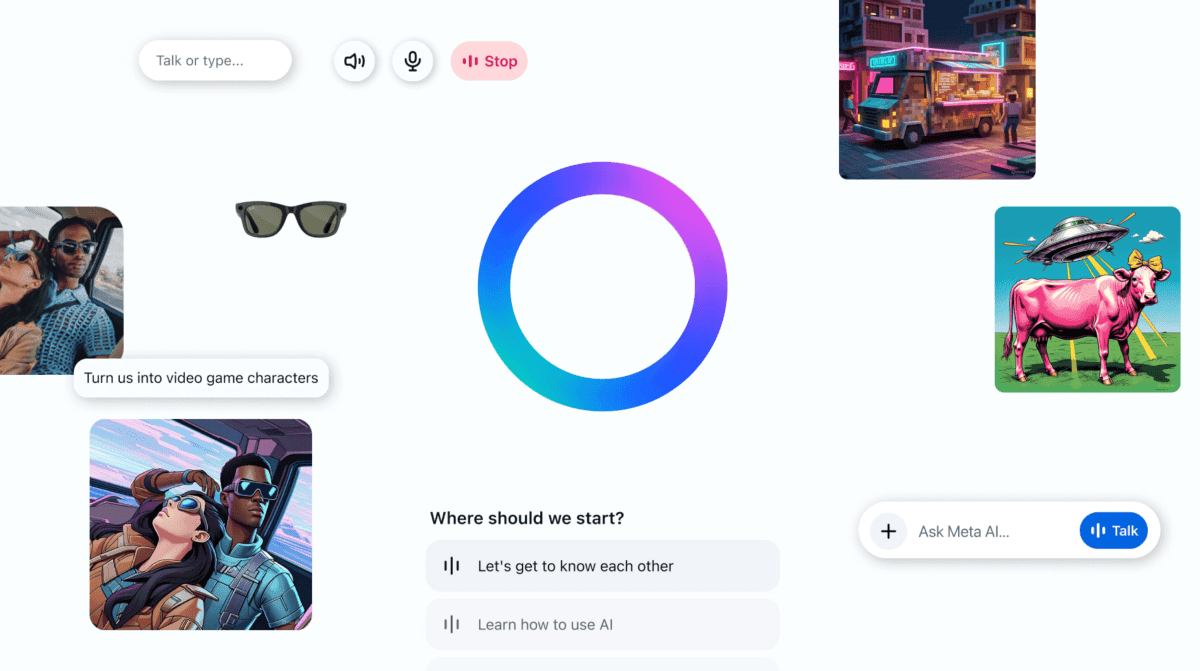
Privacy Concerns and Data Collection Questions
Handing Meta photos of children raises privacy concerns that parents should consider carefully. While Meta states that StoryKit includes AI content filters, safety guardrards, and PIN protection, Apple's App Store listing indicates the app may collect photos, videos, and other data
3
. AI-powered children's products have previously raised concerns around inappropriate outputs, data collection, and systems designed for adults appearing inside toys. StoryKit's parent-controlled structure and lack of social features address some risks, though questions about data handling persist.The broader implications extend beyond individual family choices. As AI tools increasingly automate creative and emotional labor, society faces decisions about which human experiences merit preservation. Countless human-written children's books exist as alternatives, and storytelling traditions have thrived for millennia through oral tradition and shared mythology
1
. Whether Meta StoryKit gains traction beyond pilot testing will signal how parents balance convenience against the value of improvisation, imagination, and the personal rituals that define childhood memories.References
Summarized by

Navi
[2]
[3]
Related Stories
Google's Gemini AI Launches Storybook Feature: A New Frontier in Children's Literature or a Cause for Concern?
07 Aug 2025•Technology

Tech Dad's AI Voice Model for Bedtime Stories Sparks Fierce Parenting Debate
09 Oct 2026•Entertainment and Society

Sam Altman's ChatGPT Parenting Podcast Idea Gets 122,000-Like Backlash From Alex Hirsch
01 Aug 2026•Entertainment and Society
Recent Highlights
1
Meta Unveils Muse Wonder Frontier AI Models, Claims Performance Matching OpenAI and Anthropic
Technology

2
IMF Report Warns AI Market Correction Could Spark Global Financial Crisis With $1.4T at Risk
Business and Economy

3
OpenAI Releases 722 AI-Generated Math Solutions, Triggering Existential Crisis in Mathematics
Technology

Recent Highlights
Today's Top Stories







Don’t drown in AI news. We cut through the noise - filtering, ranking and summarizing the most important AI news, breakthroughs and research daily. Follow topics that matter to you and stay ahead.


