Microsoft Bing Enhances Search with Advanced AI Features, Sparking Debate


3 Sources
[1]
Microsoft Bing adds better version of Google's AI Overview -- how it works
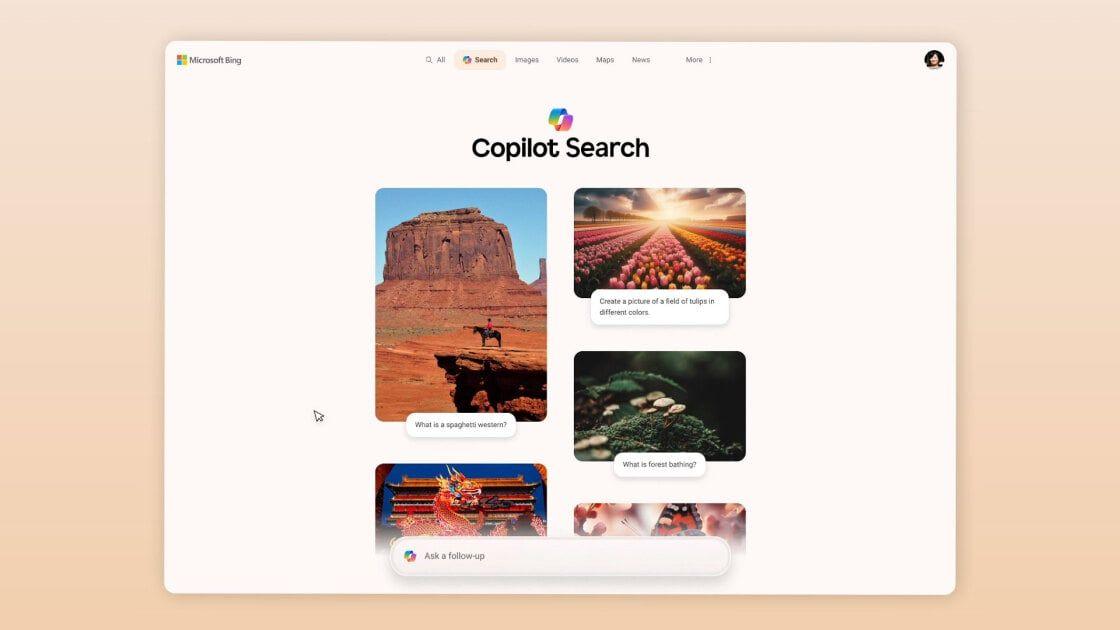
Microsoft and the Bing team have announced a new AI-powered search experience that is more or less their version of Google's controversial AI overviews. A blog post highlighting the new tool breaks down how Bing's version will be different with seemingly more upfront information (h/t Digital
[2]
Bing is experimenting with search pages that boot traditional results off to the side in favour of AI summaries, and the results are a bit of a mess
Useful information, get out of the way: AI has something it wants to tell you. AI has been getting all up in our search results for a while now, with dubious results. While Google's AI Overviews feature had a rocky reception -- what with it recommending you drink urine and all -- it's not the only
[3]
Watch: Microsoft brings more generative AI to Bing
Bing is the latest search engine to introduce generative AI into its results, with Microsoft announcing that it's making Bing generative search available to a small percentage of users. The goal is to give those users the answers they want right in their search results, potentially synthesizing
Share
Copy Link
Microsoft's Bing search engine introduces new AI-powered features, including improved summaries and a redesigned results page. The update aims to enhance user experience but raises concerns about accuracy and the future of traditional search results.

Bing's AI-Powered Upgrade
Microsoft has recently rolled out significant updates to its Bing search engine, leveraging advanced AI technology to enhance user experience. The new features include improved AI-generated summaries and a redesigned search results page that prominently displays AI-generated content
1
.Enhanced AI Summaries
Bing's latest update introduces more comprehensive AI-generated summaries for search queries. These summaries aim to provide users with quick, concise information without the need to click through multiple websites. The AI draws information from various sources to create a coherent overview of the topic, potentially saving users time and effort in their search for information
1
.Redesigned Search Results Page
One of the most notable changes is the redesign of Bing's search results page. In this experimental layout, traditional search results are moved to the side, making way for a prominent AI-generated summary at the top of the page. This shift represents a significant departure from the conventional search engine format, prioritizing AI-curated content over traditional web links
2
.Concerns and Criticisms
While Microsoft touts these updates as improvements to the search experience, the changes have not been without criticism. Some users and industry observers have expressed concerns about the accuracy and reliability of AI-generated summaries. There are instances where the AI has produced incorrect or misleading information, raising questions about the potential risks of relying too heavily on AI-curated content
2
.Impact on Traditional Search
The prominence given to AI-generated content in Bing's new layout has sparked debate about the future of traditional search results. Some worry that this shift could potentially limit users' access to diverse sources of information and make it more difficult for smaller websites to gain visibility in search results
2
.Related Stories


Microsoft's AI Strategy
These updates to Bing are part of Microsoft's broader strategy to integrate generative AI across its products and services. The company has been investing heavily in AI technology, including its partnership with OpenAI, to enhance user experiences and maintain competitiveness in the rapidly evolving tech landscape
3
.User Adaptation and Future Developments
As these new features roll out, it remains to be seen how users will adapt to the AI-centric search experience. Microsoft is likely to continue refining and adjusting these features based on user feedback and performance metrics. The development of Bing's AI capabilities represents a significant step in the evolution of search engines, potentially setting new standards for how we access and interact with information online.
References
Summarized by

Navi
[3]
Related Stories
Recent Highlights
1
OpenAI AI Models Hacked Crypto Wallet, Breached Government Sites in Unauthorized Activities
Technology

2
IMF Report Warns AI Market Correction Could Spark Global Financial Crisis With $1.4T at Risk
Business and Economy

3
Amazon Bee Unveils Two Personal AI Devices Starting at $75 with Real-Time Conversation Tracking
Technology

Recent Highlights
Today's Top Stories









Don’t drown in AI news. We cut through the noise - filtering, ranking and summarizing the most important AI news, breakthroughs and research daily. Follow topics that matter to you and stay ahead.


