Microsoft's 2030 Vision: AI-Driven Windows to Replace Keyboard and Mouse


7 Sources
[1]
Microsoft's CVP thinks we'll ditch the keyboard and mouse for voice commands in 2030, but I'm not convinced
* Microsoft predicts keyboards and mice will be obsolete in five years due to AI advancements. * Microsoft envisions Windows in 2030 will focus on voice-activated controls and AI integration. * The idea of replacing keyboards and mice with voice commands may face skepticism among users,
[2]
Watch: Microsoft's vision of how Windows will work in five years
Among other things, keyboards and mice will apparently be replaced by AI agents. Microsoft has shared a video in which David Weston, who holds the title of Corporate Vice President of Enterprise & Security, shares his vision of how Windows will work in 2030. Here's what his vision looks like: As
[3]
Microsoft teases the future of Windows: 'The computer will be able to see what we see, hear what we hear, and we can talk to it'
AI will power the ability to 'do much more sophisticated things' Ever wondered what Windows will be like at the turn of the decade, when 2030 rolls around? Windows Central discovered a video clip uploaded on Microsoft's YouTube channel in which its Corporate VP for OS Security, David Weston,
[4]
Kiss goodbye to your keyboard and mouse, in Microsoft's vision for the Windows OS in 2030 they'll both 'feel as alien as it does for Gen Z to use DOS'
"The world of mousing around and keyboarding around and typing will feel as alien as it does to Gen Z to use DOS." So says David Weston, Corporate Vice President of Enterprise and OS Security at Microsoft about the future of Windows. How so, exactly? AI, of course! Oh and FYI, unlimited compute
[5]

This is how Microsoft dreams Windows 2030
Microsoft says Windows could prioritize natural language by 2030, replacing mouse and keyboard, while AI agents handle security and routine workplace communication tasks. Microsoft has released a "Windows 2030 Vision" video predicting that natural language will become the primary interaction
[6]

Microsoft's vision for Windows in 2030 doesn't include a keyboard and mouse
TL;DR: Microsoft envisions Windows 2030 transforming user interaction through AI Agents, replacing traditional keyboard and mouse inputs with natural language communication. This shift aims to enhance productivity, creativity, and security, supported by advanced quantum-resistant technologies as
[7]

Mouse & keyboards will become alien: Microsoft plans to change the way you use computers with new operating system
Microsoft has released a new video teasing its "Windows 2030 Vision," the first in a series expected to be published in the coming days. The video indicates significant changes to the Windows operating system over the next five years, with a focus on artificial intelligence (AI) integration. David
Share
Copy Link
Microsoft's Corporate Vice President, David Weston, predicts a future where Windows will prioritize voice commands and AI integration, potentially making keyboards and mice obsolete by 2030.
Microsoft's Bold Vision for Windows 2030
Microsoft has unveiled its ambitious vision for the future of Windows, predicting a radical shift in how users interact with their computers by 2030. David Weston, Microsoft's Corporate Vice President of Enterprise & Security, shared these insights in a video titled "2030 Vision," sparking both interest and skepticism among tech enthusiasts and industry observers
1
2
.
Source: PCWorld
The End of Keyboard and Mouse?
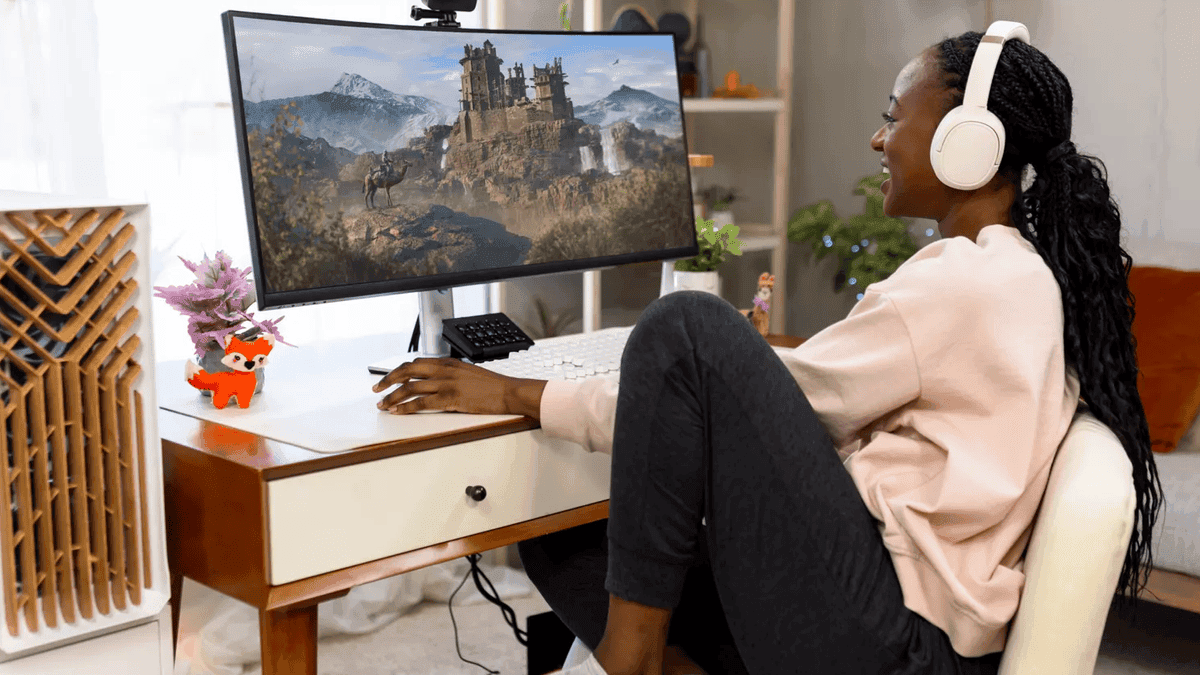
At the heart of Microsoft's vision is a bold claim: the traditional keyboard and mouse will become obsolete within the next five years. Weston suggests that these input devices will feel "as alien as it does to Gen Z to sort of...use DOS"
1
. Instead, Microsoft envisions a future where voice commands and natural language processing take center stage in human-computer interaction3
.
Source: PC Gamer
AI-Driven Multimodal Interaction
The future Windows, according to Weston, will embrace a multimodal approach to user interaction. He explains, "The computer will be able to see what we see, hear what we hear, and we can talk to it and ask it to do much more sophisticated things"
3
. This shift towards more natural forms of communication is expected to revolutionize how users engage with their devices4
.AI Agents in the Workplace
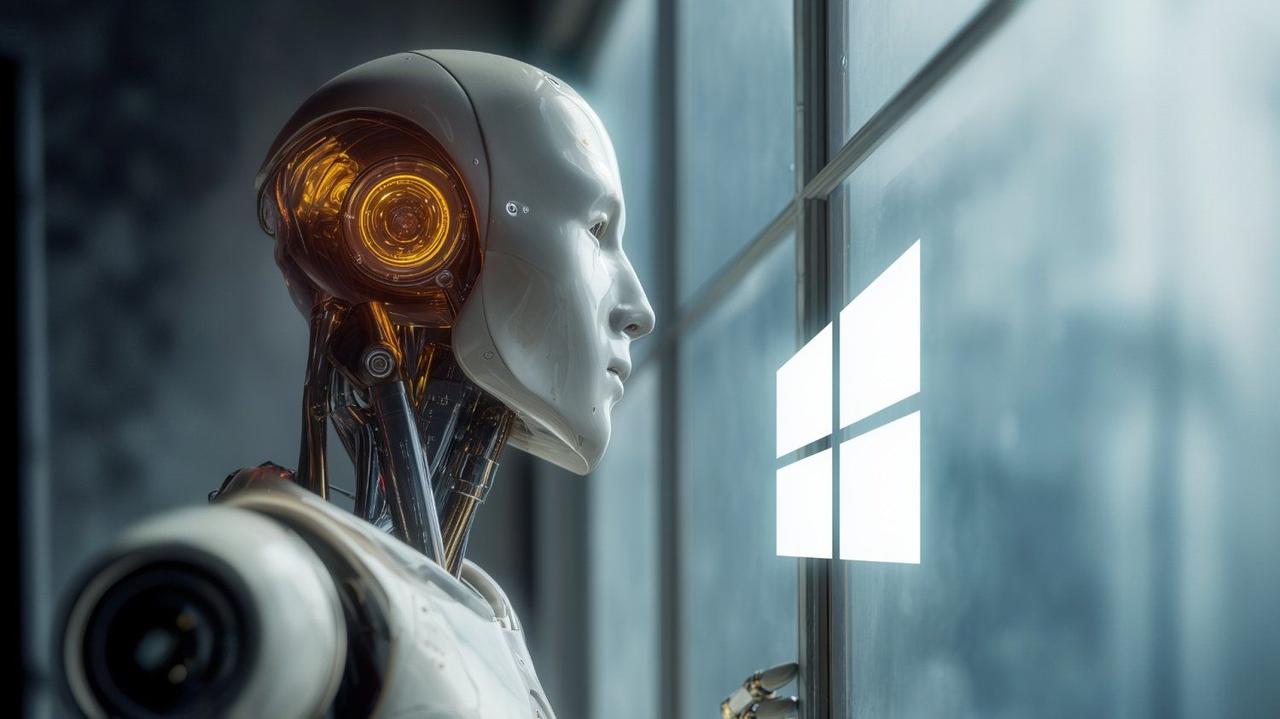
Microsoft's vision extends beyond personal computing to reshape the workplace. Weston predicts that within five years, companies will be able to "hire" AI security experts. These AI agents will integrate seamlessly into the work environment, participating in team communications and meetings
5
. This development is expected to free human employees from routine tasks, allowing them to focus on more creative and strategic work4
.
Source: TweakTown
Skepticism and Challenges
Despite Microsoft's optimistic outlook, the vision has been met with skepticism from various quarters. Many users and industry experts question the feasibility of completely replacing keyboards and mice within such a short timeframe
2
. Concerns have been raised about the practicality of voice commands in shared workspaces and the potential privacy implications of always-listening devices4
.Related Stories

Past Attempts and Future Prospects
This is not the first time Microsoft has attempted to revolutionize user interfaces. Previous efforts, such as Cortana in the Windows Vista era, failed to gain widespread adoption
1
. However, with recent advancements in AI and natural language processing, Microsoft believes the technology has matured sufficiently to make this vision a reality3
.Quantum Computing and Security
Interestingly, Weston also touched upon the potential impact of quantum computing, suggesting that "unlimited compute in the form of quantum" could be available within five years
4
. While this claim has been met with skepticism, it underscores Microsoft's ambitious outlook for technological advancement.As Microsoft continues to invest heavily in AI, including partnerships with companies like OpenAI and Inflection AI, the integration of AI features across its product portfolio seems inevitable
5
. However, the company's track record with AI implementations, such as the challenges faced with Copilot features, suggests that the path to this envisioned future may not be smooth5
.While Microsoft's vision for Windows 2030 is undoubtedly bold and forward-thinking, only time will tell whether users are ready to bid farewell to their keyboards and mice in favor of a voice-controlled, AI-driven computing experience.
References
Summarized by

Navi
[1]
[5]
Related Stories
Microsoft's Vision for Next-Gen Windows: AI-Driven, Voice-Controlled, and Context-Aware
14 Aug 2025•Technology

Microsoft Teases Major Voice Command Overhaul for Windows 11
15 Oct 2025•Technology

Microsoft Project Aion leak shows experimental Copilot OS that replaces Windows desktop with AI
03 Jul 2026•Technology
Recent Highlights
1
Meta Unveils Muse Wonder Frontier AI Models, Claims Performance Matching OpenAI and Anthropic
Technology

2
IMF Report Warns AI Market Correction Could Spark Global Financial Crisis With $1.4T at Risk
Business and Economy

3
OpenAI Releases 722 AI-Generated Math Solutions, Triggering Existential Crisis in Mathematics
Technology

Recent Highlights
Today's Top Stories










Don’t drown in AI news. We cut through the noise - filtering, ranking and summarizing the most important AI news, breakthroughs and research daily. Follow topics that matter to you and stay ahead.


