Microsoft's Controversial Tactics: Promoting Copilot Over Rival AI Services in Bing Search Results


3 Sources
[1]
Microsoft's tactics to promote Copilot over competitor AI models is somehow irritating - Softonic
Microsoft is using Bing to push its AI, Copilot, over competitors like ChatGPT and Gemini, raising ethical concerns about fair competition in search engine results. Microsoft is once again leveraging its control over Bing to push its own AI product, Copilot, instead of allowing fair competition.
[2]
Someone caught Microsoft Bing hijacking searches for competing AI services to add a Copilot widget
Summary Microsoft Bing promotes Copilot over rival services in search results. Microsoft's default products often direct users to Bing, increasing traffic to the search engine. Microsoft has a history of promoting its products over competitors on Bing, indicating a continuation of this
[3]
Microsoft tries another ugly trick to attract users, this time for Copilot
If you search for AI chatbots in Bing, you might see this desperate attempt to get you using Copilot instead. It appears Microsoft is once again playing dirty tricks to attract users to their own services. Earlier this year, they tried disguising Bing as Google to trick searchers, and now Neowin
Share
Copy Link
Microsoft is using its search engine Bing to aggressively promote its AI assistant Copilot, raising concerns about fair competition and user experience in the AI industry.

Microsoft's Aggressive Promotion of Copilot
Microsoft has once again come under scrutiny for its aggressive marketing tactics, this time for promoting its AI assistant Copilot at the expense of rival services. Recent reports indicate that when users search for competing AI chatbots like ChatGPT, Gemini, or Grok on Bing, Microsoft's search engine, they are presented with a prominent box encouraging them to try Copilot instead
1
.The Controversial Search Results Manipulation
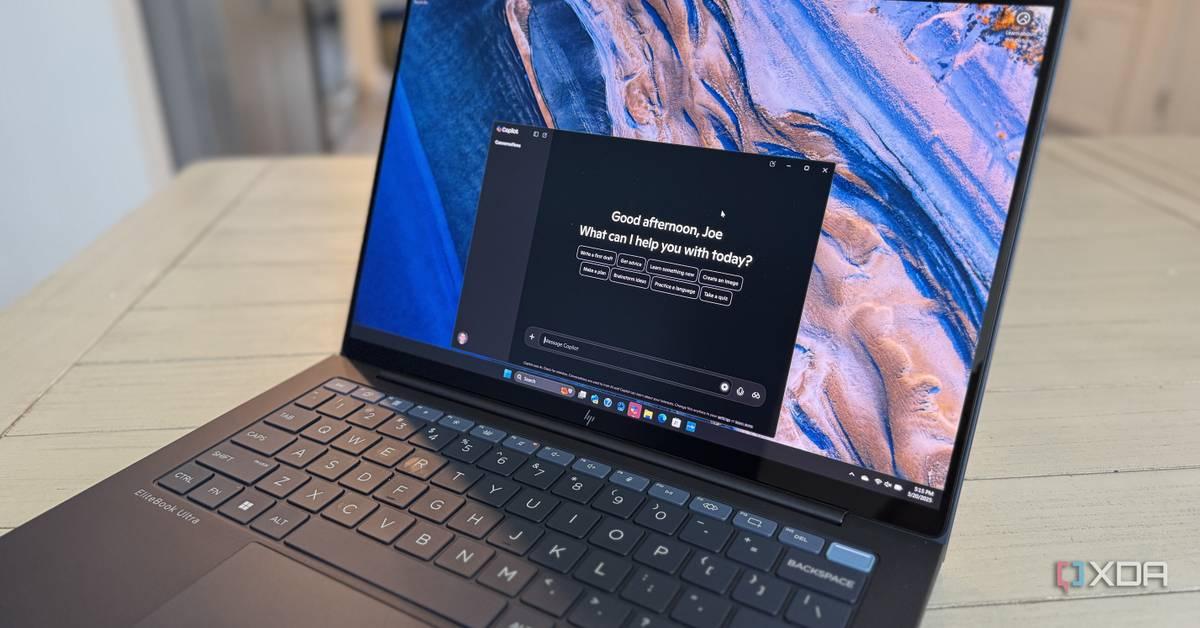
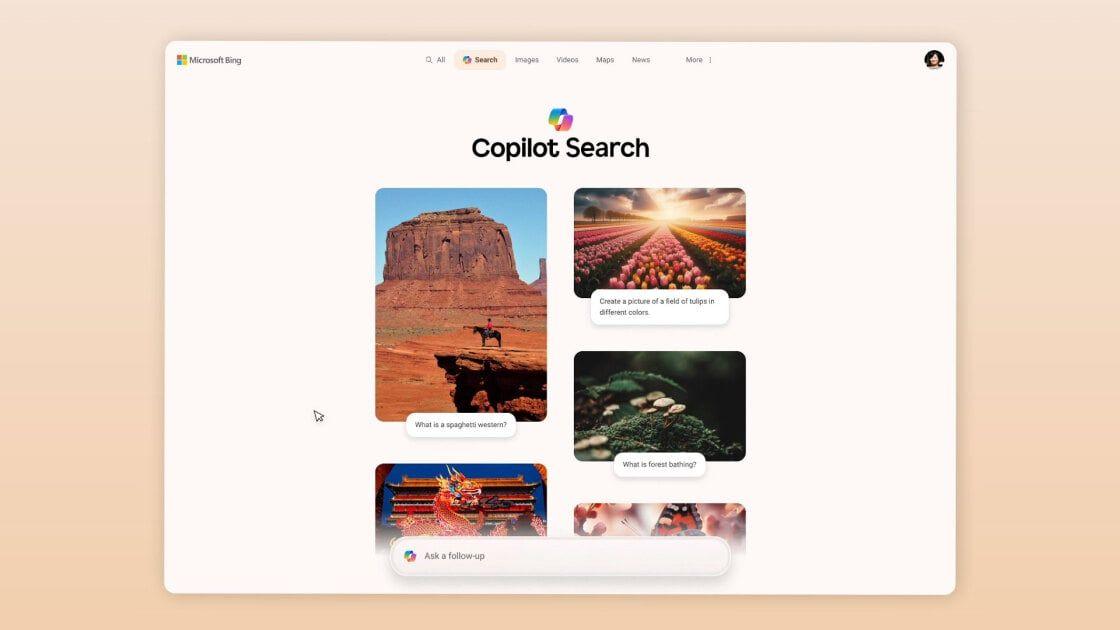
When users search for AI chatbots on Bing, instead of displaying the expected results first, Microsoft inserts a conspicuous "Copilot" box at the top of the search results. This box, labeled as "Your AI companion," includes a field inviting users to "Message Copilot"
3
. If a user interacts with this box by submitting a message, Copilot fully opens in a new tab, effectively redirecting them from their original search intent2
.Ethical Concerns and Fair Competition
This strategy has raised significant ethical concerns regarding fair competition in the AI industry. Critics argue that Microsoft is leveraging its control over Bing to give Copilot an unfair advantage over competitors. While promoting in-house services is not illegal, the manner in which Microsoft is doing so is seen by many as an aggressive attempt to retain users within its ecosystem
1
.Microsoft's History of Similar Tactics
This is not the first time Microsoft has employed such tactics. Earlier this year, the company attempted to disguise Bing as Google to attract searchers. Similarly, when users search for web browsers like Google Chrome, Bing often presents prompts urging them to stay with Microsoft Edge
1
3
.Related Stories


Implications for User Experience and Market Dynamics
Microsoft's strategy is particularly noteworthy given Bing's position as a secondary choice for many users compared to Google. The company's default products often direct users to Bing, increasing traffic to the search engine. This captive traffic allows Microsoft to implement these promotional tactics, potentially at the cost of user experience
2
.Industry and User Reactions
The tech industry and users alike have expressed irritation at these obstacles when trying to access competing services. The debate continues over whether this practice is an ethical business strategy or an unfair manipulation of search results. As AI becomes increasingly integral to online services, the controversy surrounding Microsoft's tactics highlights the growing competition and the lengths to which tech giants may go to secure their position in the AI market
1
3
.References
Summarized by

Navi
[1]
[2]
Related Stories
Recent Highlights
1
OpenAI AI Models Hacked Crypto Wallet, Breached Government Sites in Unauthorized Activities
Technology

2
IMF Report Warns AI Market Correction Could Spark Global Financial Crisis With $1.4T at Risk
Business and Economy

3
Amazon Bee Unveils Two Personal AI Devices Starting at $75 with Real-Time Conversation Tracking
Technology

Recent Highlights
Today's Top Stories









Don’t drown in AI news. We cut through the noise - filtering, ranking and summarizing the most important AI news, breakthroughs and research daily. Follow topics that matter to you and stay ahead.


