Microsoft Unveils Copilot Appearance: A New Face for AI Interaction


5 Sources
[1]
Microsoft's AI CEO thinks Copilot will age and 'have a room that it lives in'
Tom Warren is a senior editor and author of Notepad, who has been covering all things Microsoft, PC, and tech for over 20 years. Mustafa Suleyman, Microsoft's AI CEO, has a vision of Copilot that involves it being so highly personalized that "it will age." Microsoft has been increasingly pushing
[2]
Microsoft gives Copilot a face - here's how to try your new Appearance chat buddy
Microsoft has a new experiment, called Copilot Appearance, that's designed to bring its AI assistant to life -- visually, anyway. Also: Microsoft's Copilot Vision can now see and analyze your entire Windows desktop Available now as an early preview in Copilot Labs, this feature layers real‑time
[3]
Microsoft has given Copilot a face, and it really wants you to love him
* AI companies are enhancing models by giving them personas and faces to make interactions more human-like. * Microsoft's Copilot is getting a brand new face, bringing more non-verbal communication to voice interactions. * Microsoft aims to make Copilot a friendlier assistant but some worry about
[4]
Is Copilot's new emoji-like avatar the new AI Clippy? Microsoft tests Copilot Appearance feature.
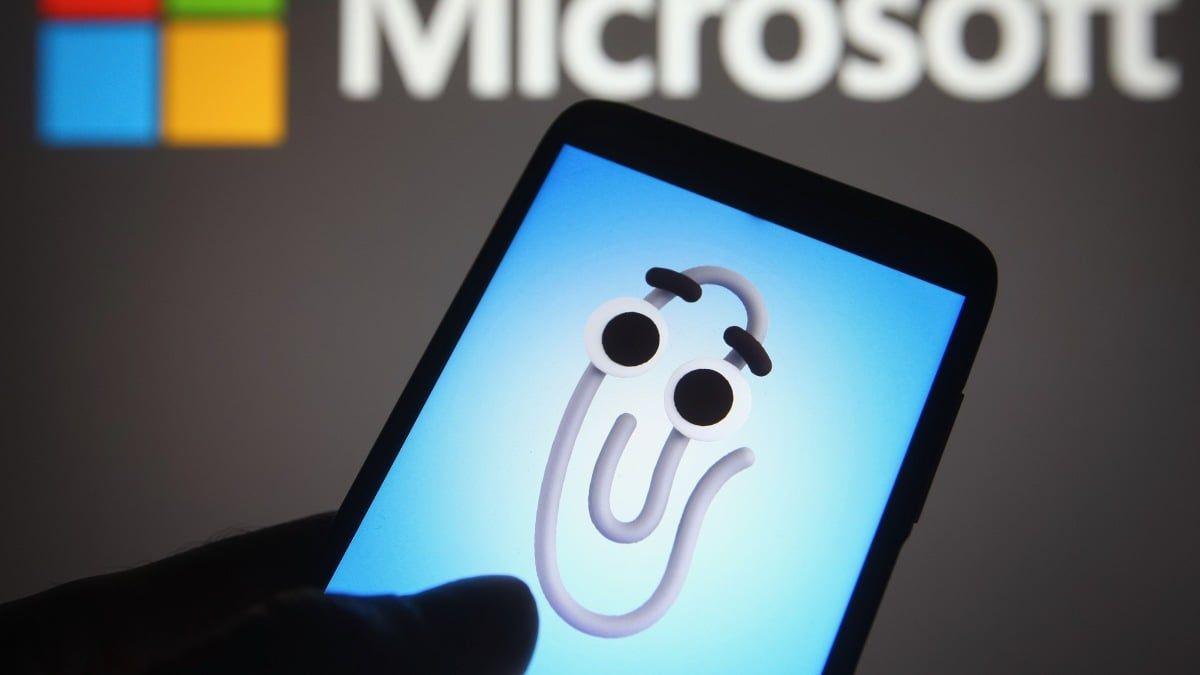
Credit: Pavlo Gonchar/SOPA Images/LightRocket via Getty Images As an elder millennial, I remember Clippy well. I don't remember Microsoft Office's animated paperclip fondly, but I'll never forget him. The rarely helpful assistant would pop up to make suggestions as you worked in Microsoft Word,
[5]

What if Clippy and AI Cloud intelligence had a baby? It would probably look like Microsoft's new Copilot Appearance feature
Copilot Appearance is part of a broader push to give Copilot a persistent identity Microsoft has decided to put a face on its Copilot AI assistant with a new feature called Copilot Appearance. Rolling out to a limited set of users in the U.S., U.K., and Canada as part of Microsoft's Copilot Labs,
Share
Copy Link
Microsoft introduces Copilot Appearance, giving its AI assistant a visual avatar with real-time expressions, aiming to make AI interactions more engaging and human-like.
Microsoft Introduces Copilot Appearance
Microsoft has unveiled a new feature for its AI assistant Copilot, called Copilot Appearance, which gives the AI a visual avatar capable of real-time expressions. This development marks a significant step in Microsoft's efforts to make AI interactions more engaging and human-like
1
.The Vision Behind Copilot Appearance
Mustafa Suleyman, Microsoft's AI CEO, has shared his vision for Copilot, emphasizing the importance of personalization and permanence. He envisions Copilot as having "a kind of permanent identity, a presence, and it will have a room that it lives in, and it will age"
1
. This concept of "digital patina" aims to bring a sense of familiarity and aging to the digital world, mirroring the way physical objects accumulate character over time.Features and Functionality

Source: The Verge
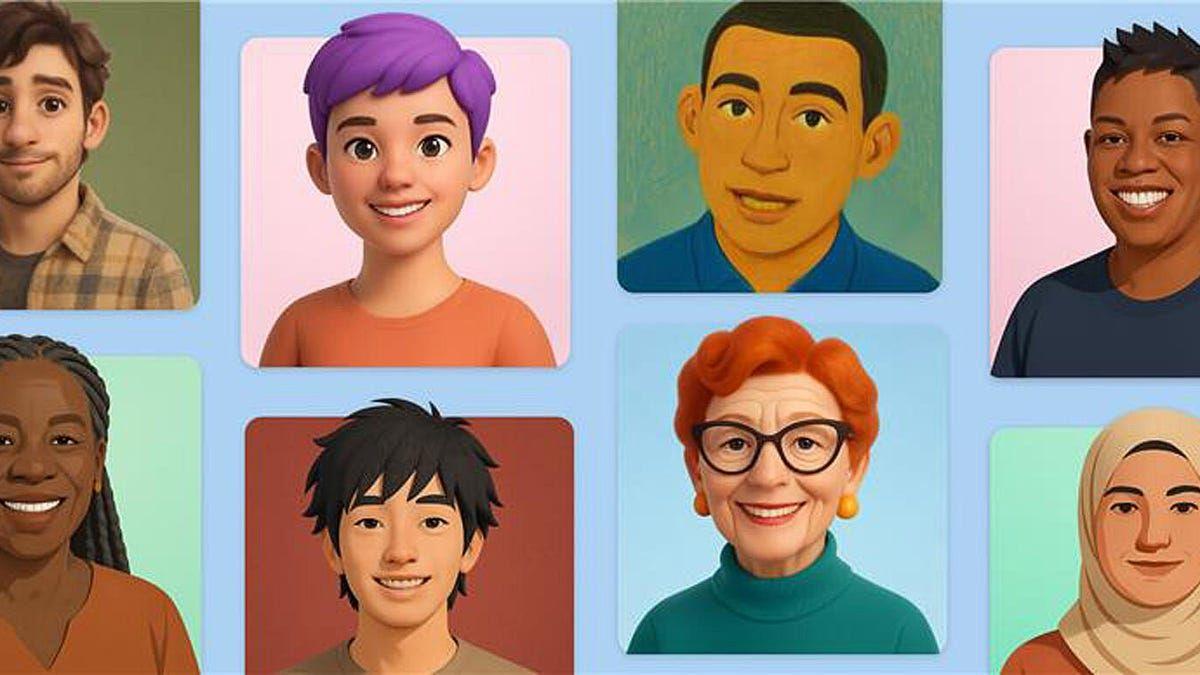
Copilot Appearance introduces a visual element to AI interactions, allowing the assistant to smile, nod, and express surprise based on the conversation context
2
. The feature is designed to enhance voice conversations with non-verbal communication, making the interaction feel more natural and engaging. Users can activate Copilot Appearance through the Voice settings in the web version of Copilot3
.Limited Availability and Testing
Currently, Copilot Appearance is available as an early preview in Microsoft's Copilot Labs. Access is limited to a subset of consumers in the US, UK, and Canada who have been invited to participate in the test flight
2
. This controlled rollout allows Microsoft to gather feedback and refine the feature before a potential broader release.Implications for AI Interaction
The introduction of Copilot Appearance reflects a broader trend in the AI industry towards creating more personalized and relatable AI assistants. By giving Copilot a face and expressions, Microsoft aims to make the AI feel more like a friendly assistant or co-worker
4
. However, this approach also raises questions about the potential risks of anthropomorphizing AI and blurring the lines between human and machine interactions.Related Stories



Comparisons to Past AI Assistants
Source: Mashable
Some observers have drawn parallels between Copilot Appearance and Microsoft's earlier AI assistant, Clippy
5
. While there are similarities in the attempt to create a more approachable interface for digital assistance, Copilot Appearance represents a more sophisticated and less intrusive approach, designed to enhance rather than interrupt the user experience.Future Developments and Considerations
As Microsoft continues to develop Copilot, there are hints at potential changes to the Windows desktop environment. Suleyman has expressed interest in creating a "quieter, simpler, optimized working environment," which could indicate future updates to the Copilot app on Windows or even broader changes to Microsoft's AI-enhanced PCs
1
.Balancing Engagement and Ethics
While the goal of Copilot Appearance is to make AI interactions more engaging, Microsoft faces the challenge of maintaining a clear distinction between AI tools and sentient beings. As AI assistants become more personalized and human-like, it will be crucial for companies to establish guidelines that prevent users from developing unhealthy attachments or misconceptions about the nature of their AI interactions
4
5
.As Copilot Appearance moves through its testing phase, the tech community will be watching closely to see how users respond to this new form of AI interaction and how Microsoft navigates the complex landscape of AI personalization and ethics.
References
Summarized by

Navi
[3]
[4]
Related Stories
Recent Highlights
1
Meta Unveils Muse Wonder Frontier AI Models, Claims Performance Matching OpenAI and Anthropic
Technology

2
IMF Report Warns AI Market Correction Could Spark Global Financial Crisis With $1.4T at Risk
Business and Economy

3
OpenAI Releases 722 AI-Generated Math Solutions, Triggering Existential Crisis in Mathematics
Technology

Recent Highlights
Today's Top Stories








Don’t drown in AI news. We cut through the noise - filtering, ranking and summarizing the most important AI news, breakthroughs and research daily. Follow topics that matter to you and stay ahead.


