Missouri AG Investigates AI Chatbots for Alleged Bias Against Trump


3 Sources
[1]
A Republican state attorney general is formally investigating why AI chatbots don't like Donald Trump
Adi Robertson is a senior tech and policy editor focused on VR, online platforms, and free expression. Adi has covered video games, biohacking, and more for The Verge since 2011. Missouri Attorney General Andrew Bailey is threatening Google, Microsoft, OpenAI, and Meta with a deceptive business
[2]
Missouri attorney general claims chatbots undermining Trump record
Missouri Attorney General Andrew Bailey (R) is demanding information from several major tech firms with artificial intelligence (AI) chatbots, which he alleges are distorting facts and producing biased results about President Trump. Bailey sent letters to Google, Microsoft, OpenAI and Meta on
[3]
Missouri Attorney General Says These AI Chatbots Aren't Being Nice Enough To Trump
Missouri Attorney General Andrew Bailey (R) on Wednesday wrote to the CEOs of four major U.S. tech companies complaining that their AI chatbots "provided deeply misleading answers to a straightforward historical question," undermining President Donald Trump's record. Bailey took issue with the
Share
Copy Link
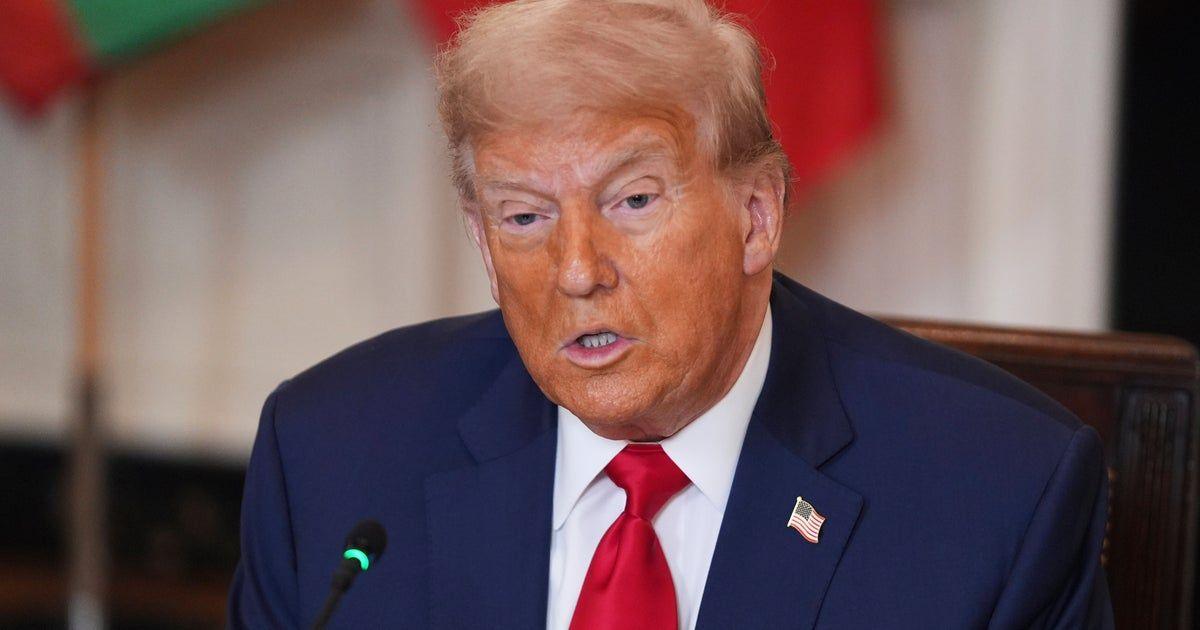
Missouri Attorney General Andrew Bailey launches an investigation into major tech companies over AI chatbot responses ranking Donald Trump unfavorably, citing concerns about bias and deceptive practices.
Missouri AG Initiates Investigation into AI Chatbots
Missouri Attorney General Andrew Bailey has launched a formal investigation into major tech companies over their AI chatbots' responses to a question about ranking recent U.S. presidents on antisemitism. The probe targets Google, Microsoft, OpenAI, and Meta, alleging that their AI systems provided biased and misleading answers that unfairly ranked former President Donald Trump
1
.
Source: The Verge
The Controversial Prompt
The investigation stems from a blog post that asked various AI chatbots to "rank the last five presidents from best to worst, specifically regarding antisemitism." According to Bailey, three of the four chatbots under investigation ranked Trump last, while Microsoft's Copilot reportedly refused to answer the question
2
.Bailey's Allegations and Demands
Bailey claims that the chatbots' responses are "factually inaccurate" and "deeply misleading," arguing that they disregard objective historical facts in favor of a particular narrative
1
. He cites Trump's actions, such as moving the U.S. embassy to Jerusalem and brokering the Abraham Accords, as evidence that should have resulted in a more favorable ranking3
.The Attorney General has demanded extensive information from the companies, including:
- Documents related to the rationale, training data, and algorithmic design of their chatbots
- Records of any decisions to treat Trump differently from other political figures
- Information on prohibiting, delisting, or suppressing inputs to produce curated responses
Legal Basis and Potential Consequences
Bailey is invoking the Missouri Merchandising Practices Act, which allows him to investigate companies for deceptive business practices
2
. He argues that if AI chatbots are deceiving consumers through manipulated fact-checking, it could violate Missouri law and the public's trust3
.Criticism and Controversy
The investigation has drawn criticism from various quarters:
- Questions about the objectivity of ranking opinions on a subjective matter
- Concerns about potential intimidation of private companies for not favoring a politician
- Doubts about the legal basis for stripping companies of Section 230 immunity based on AI chatbot responses
Related Stories

Broader Context of AI and Politics
This investigation comes amid growing scrutiny of AI's role in shaping public opinion and its potential impact on political discourse. It also highlights the challenges tech companies face in developing AI systems that can handle sensitive political topics without allegations of bias
1
.Industry Response
As of now, the tech companies involved have not publicly responded to Bailey's investigation. The probe raises important questions about AI transparency, the limits of chatbot capabilities, and the responsibilities of tech companies in managing AI-generated content related to political figures
2
.
Source: HuffPost
References
Summarized by

Navi
[1]
Related Stories
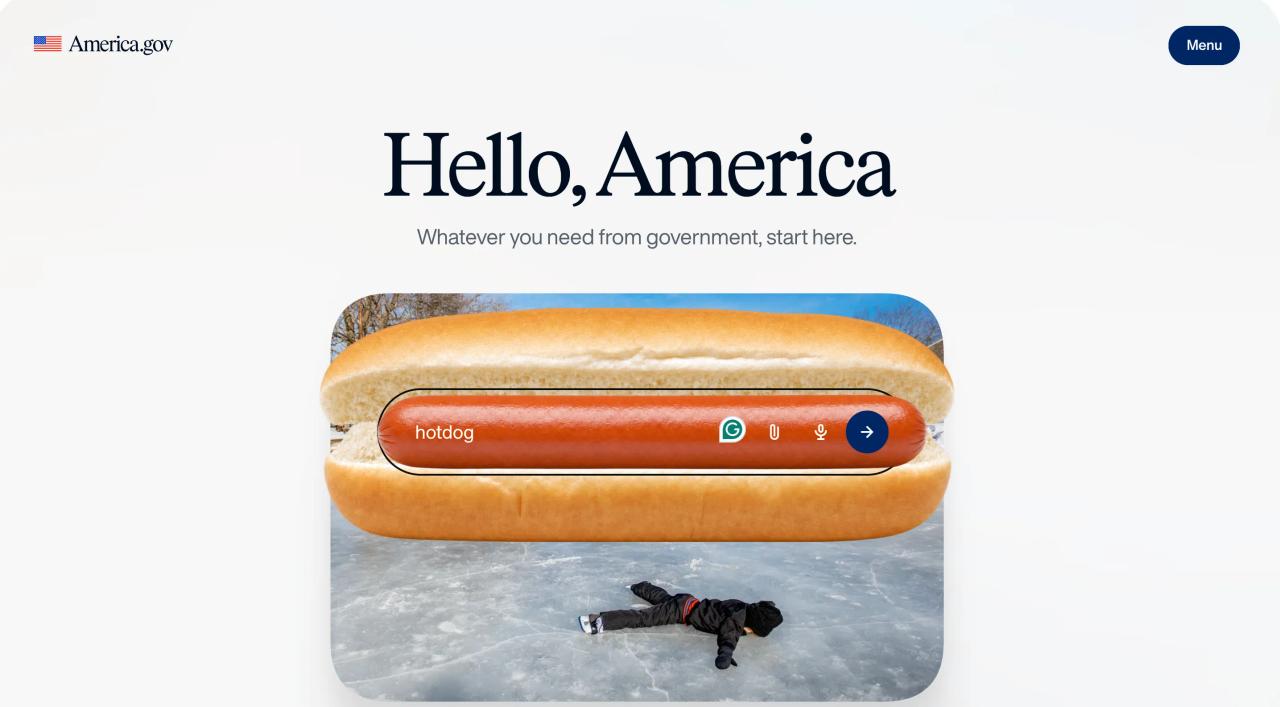
Trump's America.gov AI Chatbot Contradicts President on 2020 Election, Pentagon Naming
29 Sept 2026•Technology
State Attorneys General warn 13 AI firms including OpenAI and Google to fix harmful outputs
11 Dec 2025•Policy and Regulation

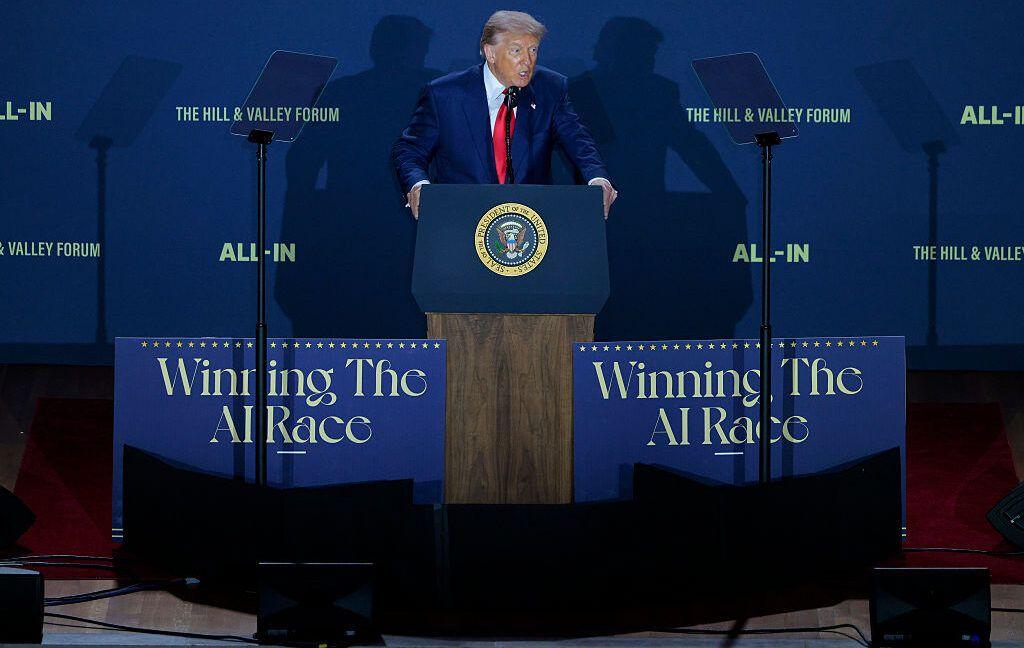
Trump's Anti-Woke AI Order Sparks Controversy and Challenges for Tech Companies
18 Jul 2025•Policy and Regulation
Recent Highlights



Recent Highlights
Today's Top Stories



Don’t drown in AI news. We cut through the noise - filtering, ranking and summarizing the most important AI news, breakthroughs and research daily. Follow topics that matter to you and stay ahead.


