Neuralink's Brain Chip Implanted in Second Human Patient


2 Sources
[1]
Musk's Neuralink Brain Chip Is Now Inside a Second Human Patient
Elon Musk's implant company Neuralink has surgically implanted its N1 brain chip into its second patient, according to the executive. "I don't want to jinx it but it seems to have gone extremely well with the second implant," Musk said during a very long episode of the Lex Fridman podcast.
[2]
Second patient receives the Neuralink implant
According to company boss Elon Musk, its Neuralink implant is now at work in a second patient, and this time, almost half of the device's electrodes are working. During a podcast discussion, which also featured Neuralink's first human subject, Noland Arbaugh, Musk said, "We've got, I think, on the
Share
Copy Link
Elon Musk's Neuralink has successfully implanted its brain-computer interface chip in a second human patient. The company aims to help people with severe disabilities control digital devices using their thoughts.

Neuralink Expands Human Trials
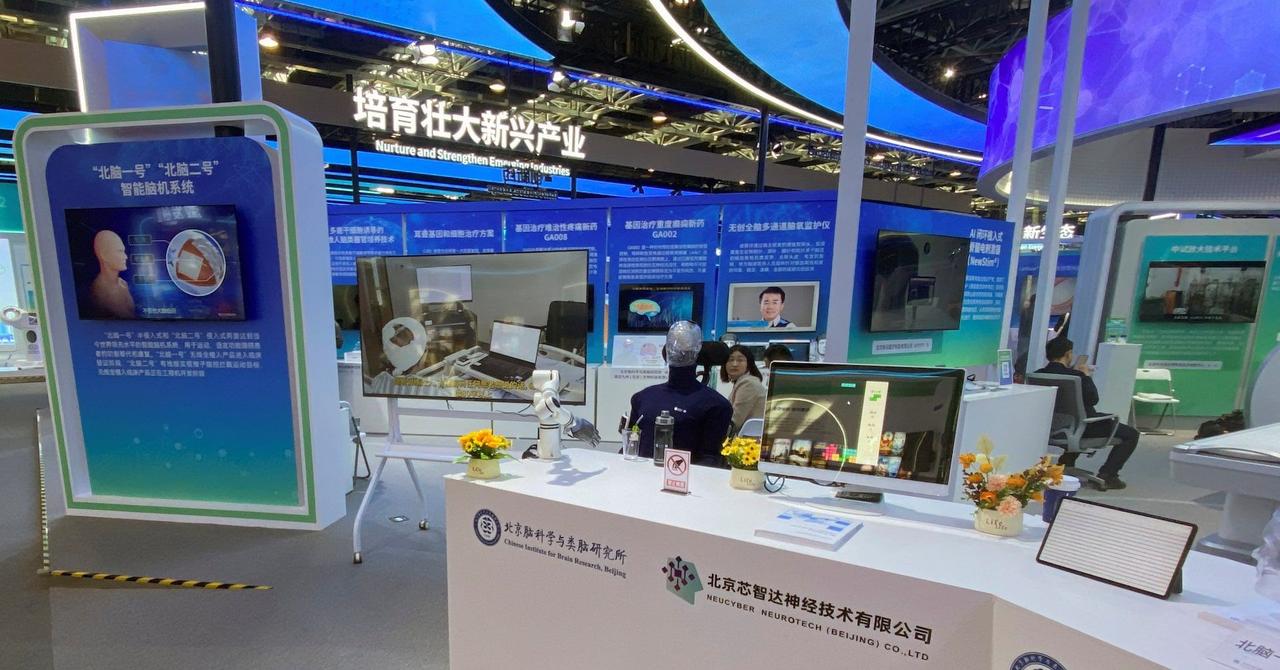
Neuralink, the brain-computer interface company founded by Elon Musk, has reached a significant milestone by implanting its brain chip in a second human patient. This development marks a crucial step in the company's mission to create a direct neural interface between the human brain and external devices
1
.The Implantation Process
The brain chip, known as the N1, is a small device that is surgically implanted into the brain. It contains numerous electrodes capable of recording and stimulating brain activity. The implantation procedure involves using a specialized robot to precisely place the chip in the targeted area of the brain
2
.Potential Applications
Neuralink's primary goal is to assist individuals with severe disabilities, such as paralysis, by enabling them to control digital devices using their thoughts. The technology aims to restore independence and improve the quality of life for those with neurological conditions
1
.Progress and Challenges
While the implantation of the second chip represents progress, Neuralink faces ongoing scrutiny and challenges. The company has been under investigation by federal authorities regarding its animal testing practices. Additionally, competitors in the brain-computer interface field, such as Synchron, have already conducted human trials with less invasive methods
2
.Future Prospects
Elon Musk has expressed ambitious goals for Neuralink, including the potential for the technology to address conditions like obesity, autism, depression, and schizophrenia. However, these claims have been met with skepticism from some members of the scientific community
1
.Related Stories
Regulatory Oversight
The U.S. Food and Drug Administration (FDA) has granted Neuralink approval for human clinical trials. This regulatory green light allows the company to proceed with its research while ensuring adherence to safety and ethical standards
2
.Public Reception and Ethical Considerations
The advancement of brain-computer interface technology raises important ethical questions about privacy, autonomy, and the potential for misuse. As Neuralink continues its human trials, these concerns are likely to become more prominent in public discourse
1
2
.References
Summarized by

Navi
[2]
Related Stories
Neuralink's Second Brain Implant Patient Plays Video Games with Mind Control
23 Aug 2024

Neuralink's First Human Patient Faces Setback: Electrode Threads Retract Due to Possible Air Pocket
13 Jul 2024

Paradromics Joins the Race in Brain-Computer Interface Technology with Successful Human Implant
03 Jun 2025•Technology
Recent Highlights
1
Microsoft and Nvidia Launch Surface Laptop Ultra: A $2,599 AI-Ready PC With RTX Spark Chip
Technology

2
Meta Muse AI Agent Surges to 6.6M Downloads Despite Privacy and Security Controversies
Technology
3
Scientists Build AI Model That Reconstructs Images From Brain Scans in Record Time
Science and Research

Recent Highlights
Today's Top Stories










Don’t drown in AI news. We cut through the noise - filtering, ranking and summarizing the most important AI news, breakthroughs and research daily. Follow topics that matter to you and stay ahead.


