New Orleans' AI 911 Calls System Sparks Debate After Misleading Reports Trigger Public Backlash


7 Sources
[1]
A misleading headline made people think AI was replacing 911 dispatchers
Serving tech enthusiasts for over 25 years. TechSpot means tech analysis and advice you can trust. Sounding off: As AI moves into more parts of daily life, the possibility of using it in New Orleans' 911 system struck a nerve. Residents were relieved to learn that reports of AI replacing
[2]
No, AI isn't answering all of New Orleans' 911 calls
Why it matters: It's not true, Orleans Parish Communication District executive director Karl Fasold says, and it pushed staff to go on the offensive this week to counter fears that someone won't answer an emergency call. The latest: The newspaper, the Shreveport Times, has since updated and
[3]
New Orleans joins other cities testing AI 911 operators
Modern emergency services systems lean on AI. Credit: Newsday LLC / Contributor / Newsday via Getty Images New Orleans, home to more than 300,000 residents and an emergency system that handles thousands of calls each day, is turning to AI for help. The city recently confirmed that emergency
[4]
Better Hope You Don't Need an Ambulance in New Orleans, Because the City's 911 Operators Are Now AI
Can't-miss innovations from the bleeding edge of science and tech If you thought AI customer service bots were bad, just wait until you need to convince a large language model that yes, you have been involved in a car accident, actually. According to new reporting by the Shreveport Times,
[5]

New Orleans Turned to AI to Field 911 Calls. Now Critics Say It May Miss Crucial Human Cues
Due to a personnel and employee shortage, 911 operations across the U.S. are turning to artificial intelligence to field calls. The Orleans Parish Communication District in Louisiana is one of the most recent districts in the country to adopt the new technology. The local agency is using Carbyne's
[6]

AI Is Already Answering Some of Your 911 Calls
AI has worked its way into daily life since ChatGPT made it a household name in 2022. It writes emails, edits photos, and recommends what to watch next. Now add another place it's been quietly operating: the 911 call center in New Orleans. Orleans Parish officials confirmed this week that
[7]

New Orleans becones first major US city to use AI for 911 calls: 'The worst idea you could think of'
New Orleans has become the first city in the US to use artificial intelligence to answer emergency 911 calls -- but critics warn it could have deadly consequences. The Orleans Parish Communication District -- which gets over a thousand emergency dials a day, in what is among the highest volume of
Share
Copy Link
A misleading headline claiming AI was replacing 911 dispatchers in New Orleans sparked widespread concern before officials clarified the technology's limited role. The Orleans Parish Communication District uses Carbyne's AI Emergency Call Triage only for duplicate vehicle crash reports when human dispatchers are busy, highlighting growing tensions around AI in public safety.
Misleading Headline Triggers Public Concern Over AI 911 Calls
A Shreveport Times article headlined "New Orleans will use AI to answer 911 calls instead of a human" sparked immediate backlash before officials at the Orleans Parish Communication District clarified the technology's actual scope
1
. The story, later corrected, prompted concerned New Orleanians to contact City Council members and Mayor Helena Moreno's office, forcing the department to counter fears that AI was replacing human operators2
. National outlets including The New York Post, Fox, and Newsweek amplified the original version before corrections were issued2
.How New Orleans Actually Uses AI Emergency Call Triage
Karl Fasold, executive director of the Orleans Parish Communication District, explained the AI triage tool operates under strict limitations. The system activates only when all human dispatchers are busy and a caller is within approximately 200 meters of an already-reported vehicle crash
1
. Carbyne's AI Emergency Call Triage asks callers whether they're reporting that specific crash. If the caller says anything besides "yes" in any language, they're immediately routed to a human dispatcher2
. The technology has been screening duplicate calls about vehicle crashes for approximately two years1
."We listened to 100 percent of the calls for the first three months. We had no false positives, [and] we had no false negatives, meaning the AI handled the calls it should've handled and didn't try to handle any it shouldn't have tried to handle," Fasold told WVUE
5
.
Source: TechSpot
Staffing Shortages Drive AI Adoption in Emergency Services
The Orleans Parish Communication District manages emergency services for more than 300,000 residents handling thousands of calls daily
3
. Fasold emphasized that every 911 center nationwide faces tighter budgets and staffing shortages even with available funding1
. Rush-hour motor vehicle accidents generate overwhelming call volume as the department receives calls in the order they arrive5
. The AI in public safety tool aims to prevent lines from bottlenecking by reducing repetitive calls3
.Growing Trend Across Major Cities
New Orleans joins Seattle, Atlanta, Washington D.C., and Boston in deploying AI into emergency and 311 non-emergency services operations
3
4
. Seattle Fire Department has used Corti, a Denmark-based company's AI-powered triage tool, for nearly two years to monitor live medical calls and advise operators on dispatch decisions3
. Carbyne maintains multiple partnerships with transportation and law enforcement authorities nationwide, including recent agreements with Washington D.C. city services to modernize public safety systems3
. The National Telecommunications and Information Administration published a 2024 fact sheet exploring AI implementation in emergency service operations, determining the technology could assist in automating initial detection and triage while streamlining call flow3
.
Source: Axios
Public Skepticism and Technical Concerns
Online commenters questioned whether AI should play any role in emergency communications, with one writing: "I wonder what happens if someone has to be discreet and order a 'pizza' and instead AI answers"
1
. Critics pointed to McDonald's abandoned AI drive-thru ordering test with IBM at more than 100 restaurants in 2024, where widely shared examples of incorrect orders became symbols of the technology's shortcomings1
. A February study by NewsGuard found AI bots like ChatGPT and Gemini produced false claims with realistic audio up to 50 percent of the time in voice mode4
. Cybersecurity researchers successfully manipulated voice models' behavior with success rates between 79 and 96 percent, raising concerns about vulnerability to cyberattacks4
.Related Stories

Privacy and Bias Concerns Mount
Critics have raised persistent concerns about caller data privacy, potential AI model bias when interacting with diverse populations, and limitations of AI-generated voice tools
3
. Many take issue with the lack of transparency by city services integrating AI into public-facing call lines without explicit notice to callers3
. Questions about reliability, accountability, and guaranteed access to human operators remain particularly sensitive in emergency response contexts where mistakes carry serious consequences1
.
Source: Phandroid
What's Next for AI in Emergency Services
The Orleans Parish Communication District is developing an AI tool to answer 311 non-emergency services calls, approximately half of which are information requests
2
. The city experimented with implementing AI for 311 calls starting in April4
. Fasold emphasized the department's position: "We're not looking to replace people with computers"2
. Watch for continued expansion of AI triage systems in emergency operations nationwide as agencies balance staffing constraints against public trust and technical reliability concerns.References
Summarized by

Navi
[4]
Related Stories
AI Startup Aurelian Raises $14M to Revolutionize 911 Call Centers with AI Voice Assistants
28 Aug 2025•Technology

Seattle Fire Department used AI to route 911 calls for two years without public knowledge
15 Jun 2026•Policy and Regulation

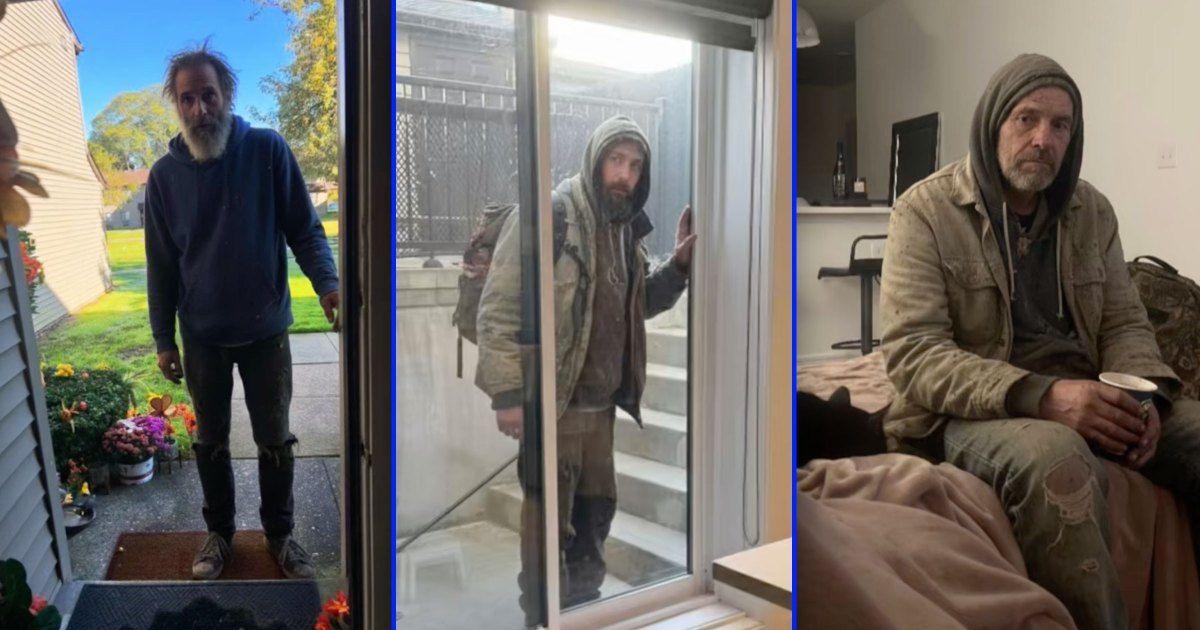
AI-Generated 'Homeless Man' Prank Sparks Police Concerns and Highlights AI Misuse
17 Oct 2025•Technology
Recent Highlights
1
Meta Unveils Muse Wonder Frontier AI Models, Claims Performance Matching OpenAI and Anthropic
Technology

2
IMF Report Warns AI Market Correction Could Spark Global Financial Crisis With $1.4T at Risk
Business and Economy

3
OpenAI Releases 722 AI-Generated Math Solutions, Triggering Existential Crisis in Mathematics
Technology

Recent Highlights
Today's Top Stories








Don’t drown in AI news. We cut through the noise - filtering, ranking and summarizing the most important AI news, breakthroughs and research daily. Follow topics that matter to you and stay ahead.


