NVIDIA and AMD Prepare New AI Chips for China Amid US Export Restrictions


5 Sources
[1]
NVIDIA, AMD may soon start selling new AI chips in China to comply with US restrictions | TechCrunch
To comply with the U.S.' restrictions on exporting advanced semiconductor technology to China, chipmakers NVIDIA and AMD will soon begin selling new GPUs made for AI workloads in China, Taiwanese tech publication Digitimes reported, citing supply chain sources. NVIDIA plans to sell a stripped-down
[2]
AMD to build export-compliant AI chips for the Chinese market, Radeon AI PRO 9700 to arrive by 3Q25
AMD is following Nvidia and introducing an AI chip that complies with Washington's limitations. AMD is following the lead of Nvidia in creating a new AI chip for the Chinese market that complies with Washington's export controls. The Radeon AI PRO R9700 is designed specifically for local AI
[3]
AMD preps China-specific AI chip to battle NVIDIA, Huawei: cut-down Radeon AI PRO R9700 rumored
AMD reportedly preparing 'China-specific' AI GPU option to battle NVIDIA and Huawei: we should expect to see a cut-down version of the Radeon AI PRO R9700. As an Amazon Associate, we earn from qualifying purchases. TweakTown may also earn commissions from other affiliate partners at no extra cost
[4]
After losing billions NVIDIA and AMD are trying a brand new China chip strategy
NVIDIA and AMD are expected to begin selling new GPUs in China starting in July, according to Digitimes, to comply with U.S. restrictions on advanced semiconductor technology exports. These GPUs are designed for AI workloads. NVIDIA's offering will be a modified AI GPU, codenamed "B20." AMD plans
[5]

AMD to Launch a "China-Specific" AI Chip Option To Rival NVIDIA & Huawei; Expected to Be a Cut-Down Version of the Radeon AI PRO R9700
AMD plans to focus on the China AI market with its "Radeon PRO" workstation GPUs, which comply with US regulations and offer an alternative to NVIDIA. AMD Plans To Enter China's AI Markets With a Workstation GPU Offering, Capitalizing On NVIDIA's Situation China's AI market is currently under
Share
Copy Link
NVIDIA and AMD are developing new AI-focused GPUs for the Chinese market to comply with US export restrictions, aiming to maintain their presence in a crucial market while balancing regulatory challenges.
NVIDIA and AMD's New AI Chip Strategy for China
In response to stringent US export restrictions on advanced semiconductor technology, chip giants NVIDIA and AMD are gearing up to introduce new AI-focused GPUs tailored for the Chinese market. This strategic move comes as both companies seek to maintain their foothold in one of the world's largest AI chip markets while navigating complex geopolitical challenges
1
2
.The New Offerings
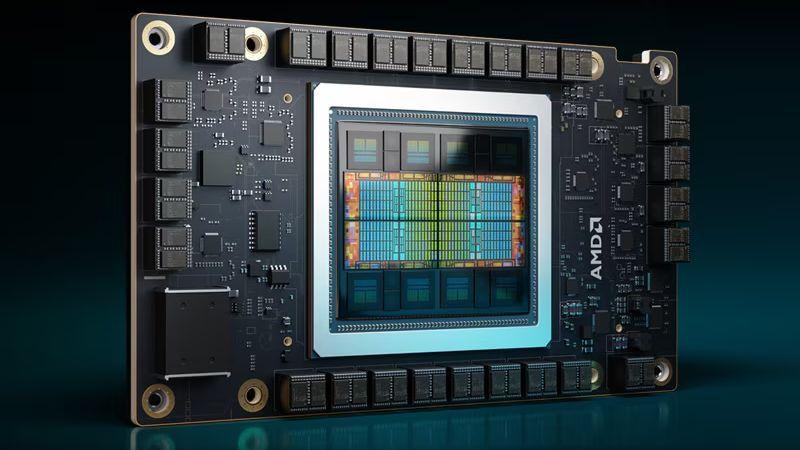
NVIDIA is reportedly developing a budget AI chip codenamed "B20," based on its cutting-edge Blackwell architecture. This GPU is expected to be priced between $6,500 and $8,000, significantly lower than the company's current H20 GPUs, which sell for $10,000-$12,000 each
1
4
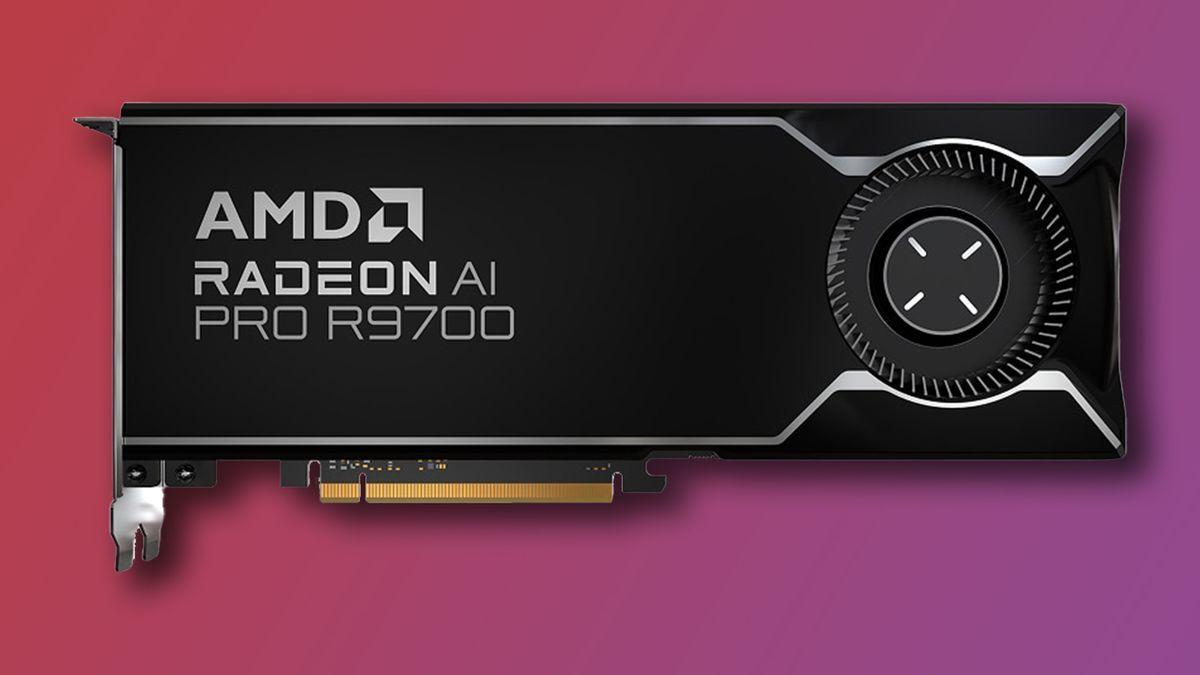
.AMD, not to be left behind, is preparing to launch the Radeon AI PRO R9700 workstation GPU. This chip is specifically designed for local AI inference and other AI workloads, with the capability to scale for multi-GPU setups
2
3
.
Source: Tom's Hardware
Compliance with US Restrictions
Both companies are modifying their designs to ensure compliance with US export controls. NVIDIA's B20 chip will feature downgraded compute and memory dies, while AMD's offering is expected to use GDDR6 memory instead of more advanced options
2
5
.These new chips, while less powerful than their unrestricted counterparts, are still anticipated to generate significant interest among Chinese institutions due to their optimization for existing AI models and compatibility with current hardware
2
.Financial Impact and Market Dynamics
The export restrictions have already taken a substantial toll on both companies. NVIDIA reported a $4.5 billion charge in Q1 2025 due to licensing requirements affecting H20 AI chip sales to Chinese companies. The company forecasts an additional $8 billion revenue impact in Q2
1
4
.AMD, while less affected, still faces an $800 million write-off due to restrictions on its MI308 chip
2
.Related Stories


Competitive Landscape in China
Source: TweakTown
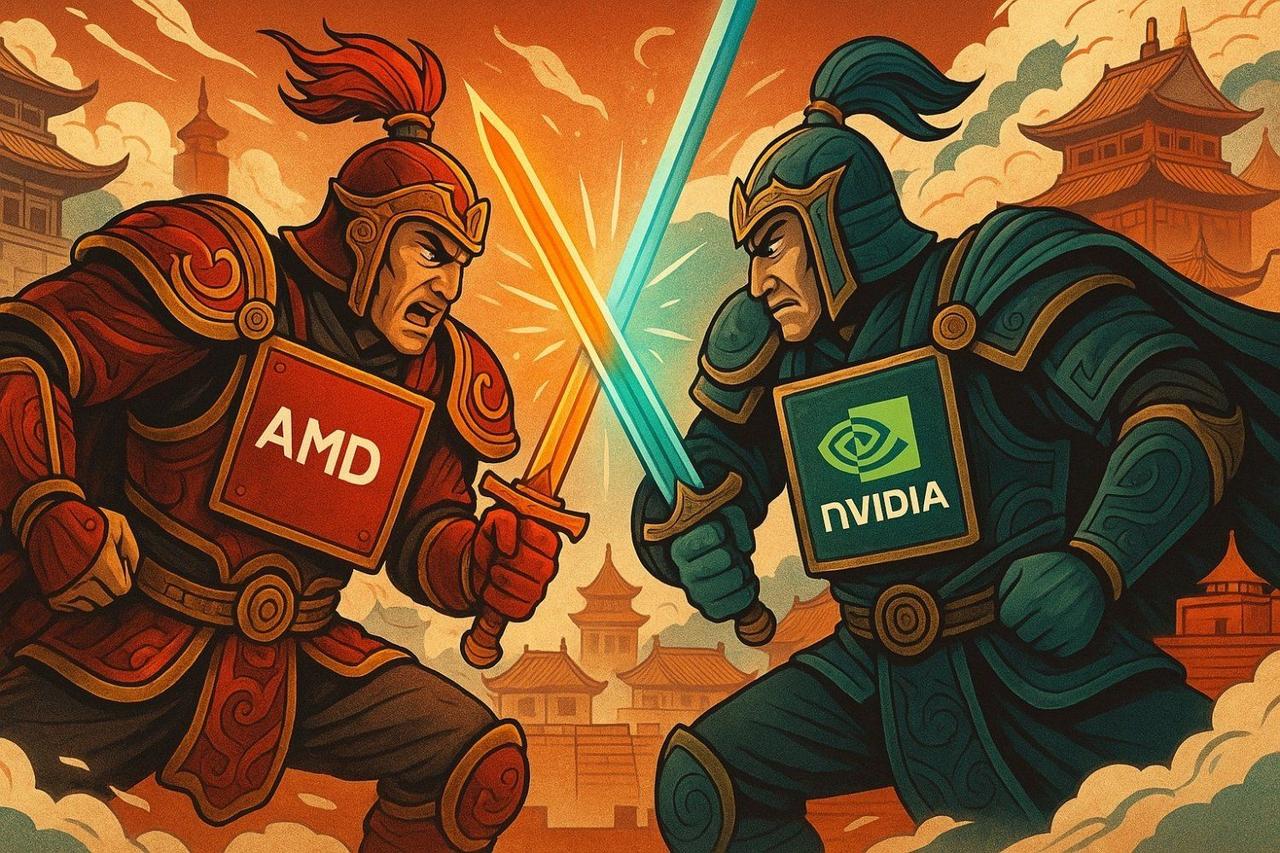
The introduction of these new chips comes at a critical time in the Chinese AI market. Domestic companies, such as Huawei, are rapidly developing their own AI chip alternatives, spurred on by the export controls
2
5
.NVIDIA CEO Jensen Huang acknowledged this shift, stating, "AI researchers are still doing AI research in China. They have a lot of mobile technology they would use if they didn't have Nvidia. If they don't have enough Nvidia, they will use their own!"
2
Future Outlook
Despite the challenges, both NVIDIA and AMD remain committed to the Chinese market. The companies are expected to begin selling these new GPUs in China starting from July 2025
1
4
.
Source: Wccftech
However, the long-term effectiveness of this strategy remains uncertain. As NVIDIA's Huang noted, "I think, all in all, the export control was a failure -- the facts would suggest it." This sentiment underscores the complex interplay between technological innovation, market forces, and geopolitical considerations in the global AI chip industry
2
.References
Summarized by

Navi
[1]
[2]
[3]
Related Stories
Recent Highlights



Recent Highlights
Today's Top Stories



Don’t drown in AI news. We cut through the noise - filtering, ranking and summarizing the most important AI news, breakthroughs and research daily. Follow topics that matter to you and stay ahead.


