NVIDIA CEO Jensen Huang Secures 50% Production Boost from TSMC Amid Soaring AI Chip Demand


3 Sources
[1]
NVIDIA's unstoppable AI chip demand has TSMC boosting 3nm production by a huge 50%
TL;DR: NVIDIA CEO Jensen Huang has requested TSMC to boost 3nm chip production by 50% to meet rising demand for Blackwell AI GPUs and Rubin AI platforms. This expansion highlights NVIDIA's reliance on TSMC's advanced semiconductor fabs as both companies prepare for increased AI chip manufacturing
[2]
TSMC Chief CC Wei Says Nvidia CEO 'Wants More Chips' As Jensen Huang Enjoys Hotpot In Taipei And Praises The Taiwanese Foundry: 'No TSMC, No Nvidia' - Samsung Electronics Co (OTC:SSNLF), NVIDIA (NASDAQ:NVDA)
During his latest trip to Taiwan, Nvidia Corp. (NASDAQ:NVDA) CEO Jensen Huang strengthened ties with longtime manufacturing partner Taiwan Semiconductor Manufacturing Co. (NYSE:TSM), blending business with camaraderie over a hotpot dinner in Taipei. Huang's Taiwan Visit Centers On Strengthening
[3]
"No TSMC, No NVIDIA," Stresses CEO Jensen Huang as He Highlights the Importance of the Taiwan Chip Giant for the AI Industry
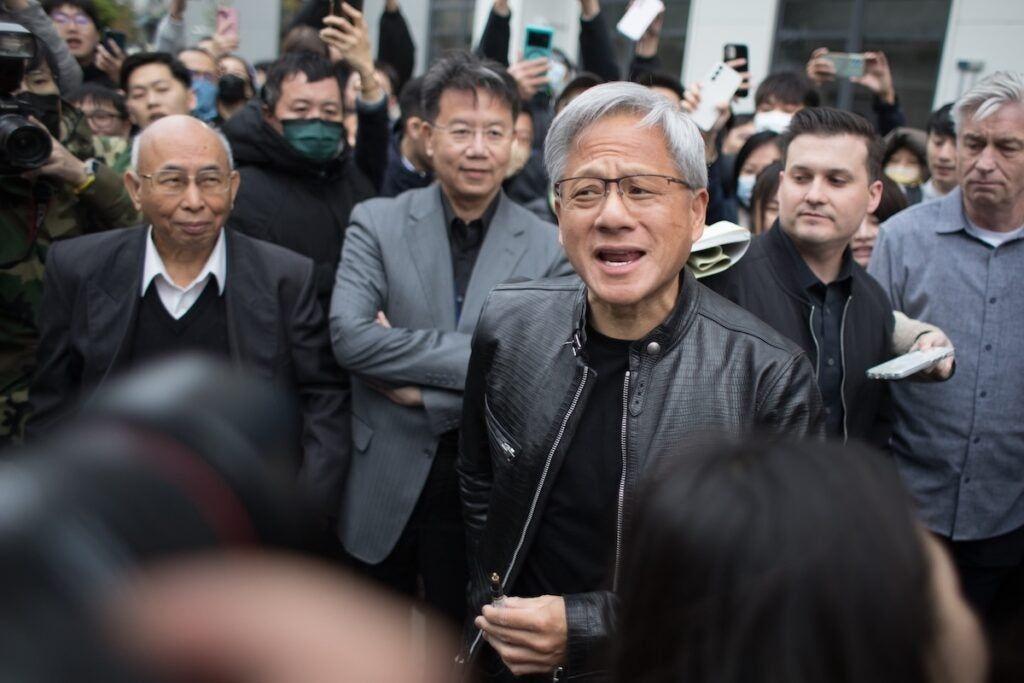
NVIDIA's CEO was spotted at TSMC's "Sports Day" today, and while addressing the public, Jensen stated that without TSMC, NVIDIA wouldn't have been in the dominant position it currently is. Jensen is currently on his fourth visit to Taiwan this year alone, and every time, his meeting with TSMC's
Share
Copy Link
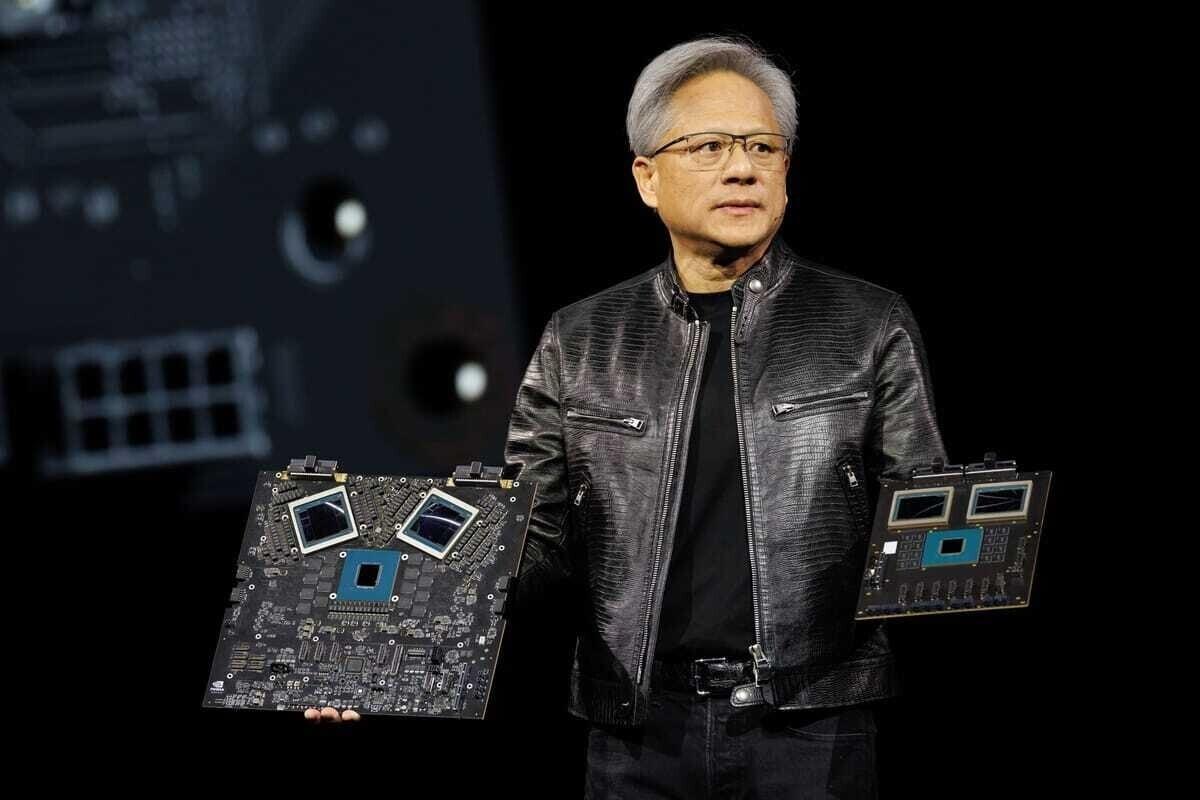
NVIDIA CEO Jensen Huang visits Taiwan to strengthen partnership with TSMC, securing a massive 50% increase in 3nm chip production to meet exploding demand for Blackwell AI GPUs and future Rubin platforms.
NVIDIA Secures Massive Production Increase from TSMC
NVIDIA CEO Jensen Huang has successfully negotiated a substantial 50% increase in Taiwan Semiconductor Manufacturing Company's (TSMC) 3nm chip production capacity during his latest visit to Taiwan
1
. The expansion will boost TSMC's monthly wafer production from the current 100,000-110,000 wafers to 160,000 wafers per month at its Southern Taiwan Science Park 18B fabrication facility, with NVIDIA requiring an additional 35,000 wafers monthly to meet surging demand for its Blackwell AI GPUs1
.
Source: TweakTown
Strengthening Strategic Partnership Through Personal Diplomacy
Huang's fourth visit to Taiwan this year has been marked by a blend of business negotiations and relationship-building activities
2
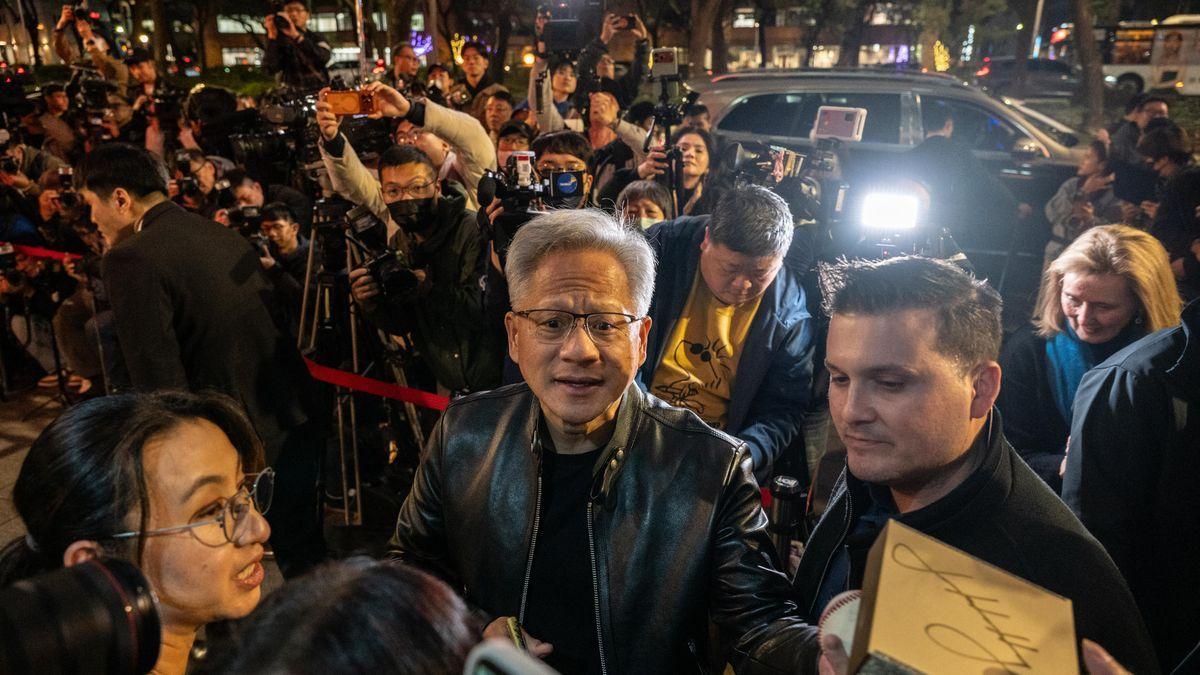
. The NVIDIA CEO met with TSMC CEO CC Wei over a hotpot dinner in Taipei, with videos of their meeting quickly going viral on social media2
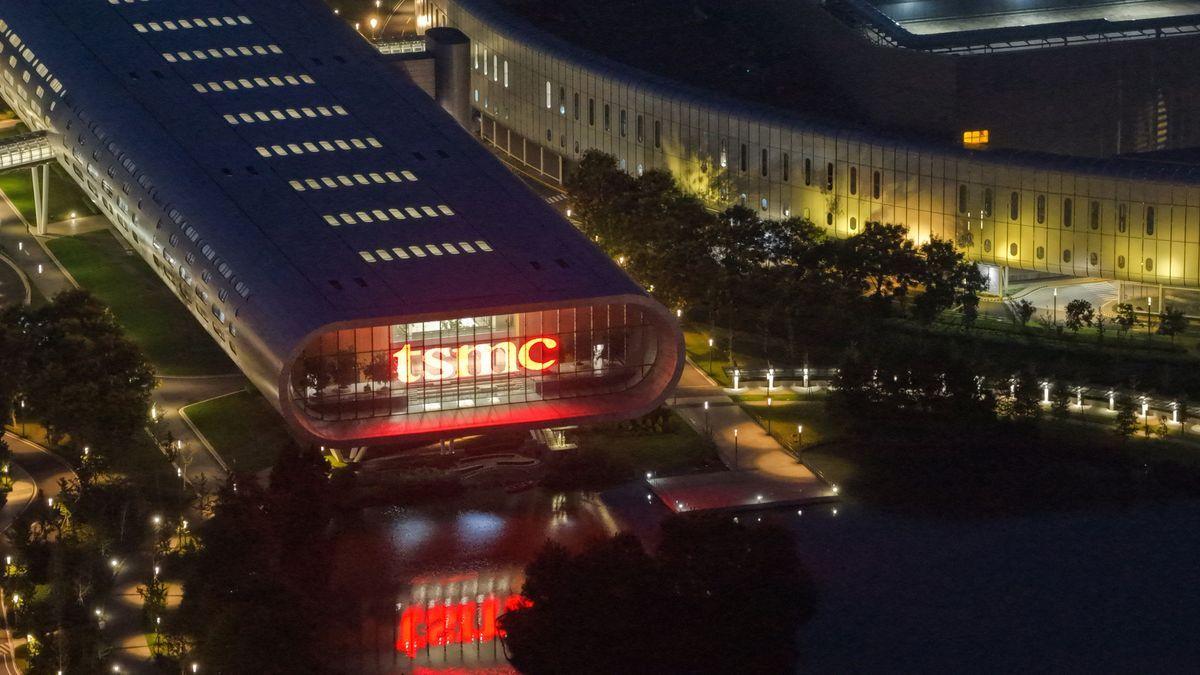
. Huang also attended TSMC's annual sports day and visited the company's new Tainan 3nm semiconductor fabrication facility, where he met with TSMC founder Morris Chang1
.
Source: Wccftech
"No TSMC, No NVIDIA" Declaration
During his Taiwan visit, Huang made a striking declaration about TSMC's importance to NVIDIA's success, stating "without TSMC, there would be no NVIDIA today"
1
3
. This statement underscores the critical dependency NVIDIA has developed on TSMC's advanced semiconductor manufacturing capabilities, particularly for its AI chip production3
. When pressed by local media about the specifics of their discussions, TSMC CEO Wei confirmed that Huang "wants more chips" but kept the exact details confidential2
.
Source: Benzinga
Related Stories
Preparing for Next-Generation AI Platforms
The production capacity expansion is being driven by demand for both current and future NVIDIA products. The company's Blackwell Ultra GB300 AI chips and the upcoming Vera Rubin AI platform are both manufactured using TSMC's N3P process node
1
. NVIDIA is expected to secure approximately 30% of TSMC's total 3nm production capacity, highlighting the scale of the AI chip demand and NVIDIA's dominant position in the market3
.Market Context and Future Outlook
This production increase comes at a time when TSMC's 3nm and 5nm production capacity is expected to be "100% booked out" in 2026, indicating the intense competition for advanced semiconductor manufacturing
1
. TSMC CEO Wei expressed confidence that the company will continue setting revenue and profit records, stating that "not just this year, every year from now will set a new record"2
. The Blackwell series remains central to NVIDIA's growth strategy, with analysts estimating it could generate $5 billion to $6 billion in revenue next quarter2
.References
Summarized by

Navi
Related Stories
Nvidia CEO warns TSMC must double capacity as AI demand threatens to overwhelm chip supply
01 Feb 2026•Business and Economy
Jensen Huang heads to Taiwan to launch Nvidia headquarters and host trillion-dollar dinner
05 Jan 2026•Business and Economy

Tesla Eyes Massive Chip Manufacturing Plant as Musk Considers Intel Partnership for AI Ambitions
07 Nov 2025•Business and Economy

Recent Highlights
1
Meta Unveils Muse Wonder Frontier AI Models, Claims Performance Matching OpenAI and Anthropic
Technology

2
IMF Report Warns AI Market Correction Could Spark Global Financial Crisis With $1.4T at Risk
Business and Economy

3
OpenAI Releases 722 AI-Generated Math Solutions, Triggering Existential Crisis in Mathematics
Technology

Recent Highlights
Today's Top Stories










Don’t drown in AI news. We cut through the noise - filtering, ranking and summarizing the most important AI news, breakthroughs and research daily. Follow topics that matter to you and stay ahead.


