Nvidia delays next-gen graphics cards until 2028 as AI chips take priority over gaming GPUs


6 Sources
6 Sources
[1]
Report: Nvidia's RTX 6000 Graphics Cards Might Not Launch Until 2028
In some unwelcome news for PC builders, Nvidia might delay next-generation RTX 6000 graphics cards because of the ongoing memory shortage. Mass production of the RTX 6000 series was originally slated for late 2027, but the global memory shortage caused by the race to build AI data centers has derailed those plans, according to The Information, which suggests that RTX 6000 GPUs won't arrive until 2028. That would mean a three-year stretch of not releasing a new gaming GPU generation since the RTX 5000 series was announced in January 2025. In response to the report, Nvidia told PCMag: "Demand for GeForce RTX GPUs is strong, and memory supply is constrained. We continue to ship all GeForce SKUs and are working closely with our suppliers to maximize memory availability." Still, The Information story corroborates earlier rumors that Nvidia has shelved the RTX 5000 Super series, which missed its expected debut at CES 2026. Company managers reportedly blamed the pause on the global memory crunch and a shift toward prioritizing its lucrative AI chip business. The effects of the memory shortage can already be seen in the existing RTX 5000 graphics cards. Prices for the more powerful RTX 5070 Ti and up have all been increasing. Other models are simply out of stock amid reports that supplies have dried up. And with the shortage expected to last into 2028, PC builders probably won't see relief any time soon. In more bad news, the memory crunch is expected to hit all kinds of consumer electronics, leading to price increases and lower memory configurations. On Wednesday, for example, Valve said it needs to delay and reprice its console-like Steam Machine.
[2]
NVIDIA reportedly won't release new graphics cards this year
With gaming becoming an ever-smaller part of NVIDIA's lucrative business, the company reportedly won't bother releasing new graphics cards this year. The Information reported on Thursday that NVIDIA has pushed back its plan to release an update to the RTX 50 line in 2026. This would be the first time in three decades that the company hasn't launched new gaming chips. The culprit? Why, AI, of course. AI demand has driven the current memory chip shortage, throwing the consumer electronics industry out of kilter. Many product prices are expected to rise (as if tariffs hadn't already done enough damage there). And the scarcity of memory chips has made components that rely on them, including GPUs, nearly impossible to find. Even the auto industry isn't spared. Facing those constraints, NVIDIA, which made its bones on graphics chips for PCs and gaming consoles, is essentially brushing off that demographic. The Information notes that in the first nine months of 2022, NVIDIA's gaming GPUs made up 35 percent of its total revenue. During that same period in 2025, only around 8 percent came from gaming components. In addition, NVIDIA's AI chips have much higher profit margins: 65 percent vs. 40 percent for graphics cards. That means gamers, already hard-pressed to find last year's RTX 50 series, likely won't get the expected "Super" version in 2026. On top of that, The Information says the delay will also push back NVIDIA's next-gen graphics card (likely "RTX 60"). That component was initially expected to begin mass production at the end of 2027.
[3]
You Couldn't Afford Nvidia’s Next Gen GPUs, Even if You Wanted Them
Are we honestly upset that the pace of tech product releases is slowing down? Nvidia may have already pushed back the launch of its next-generation RTX GPUs for PC gaming. The bigger issue at play isn’t the loss of future graphics cards bearing minimal performance boosts. Even if it launched new cards, Nvidia isn’t doing anything to keep them affordable. On Thursday, The Information reported, based on anonymous sources, that Nvidia was scaling back plans for its consumer-end GPUs. The report claimed there were three issues at play. One, that Nvidia was delaying the launch of any of its “Super†RTX 50-series refreshes beyond 2026. Two, that Team Green was likely pushing the launch of the RTX 60-series GPUsâ€"codenamed Rubinâ€"into 2028. Finally, Nvidia is cutting production of its current 50-series GPUs. It’s the last point that we should be most concerned about. Nvidia has reiterated to Gizmodo that it was still shipping “all GeForce SKUs†but blamed memory supply for any current supply hiccups. What Nvidia is not saying is it needs to make more room for production of its AI training chipsâ€"the reason the company has catapulted into the most profitable business in the world. Rumors swirled late last year that Nvidia had originally intended to launch the "Super" versions of its current GPUs, like the RTX 5070 Ti and RTX 5080. CES 2026 came and went without any peep of consumer news from the GPU maker. However, that timing would have been a quick turnaround compared to past GPUs. Nvidia launched its previous RTX 40-series in October of 2022, then pushed out the Super versions of those cards in January of 2024. Those GPUs included higher specs and lower base prices than the previous models and were an all-around solid upgrade with increased core counts and clock speeds. They had the added effect of lowering costs for the original 40-series as well. Prices of today’s cards can’t possibly compare to just two years ago. The RTX 50-series launched with higher base prices than their previous counterparts. Now, in 2026, you can’t find any 4K-ready GPUs, like the RTX 5070 Ti and RTX 5090, for hundreds or even thousands of dollars more than their original manufacturer suggested retail price (MSRP). If an RTX 5070 Ti costs more than $1,000 while an RTX 5080 demands $500 or more than the original price, what would adding a Super variant actually change? It’s too early to be talking about the 60-series, anyway. In a video published late Thursday, reliable leaker Moore’s Law is Dead cited several anonymous sources surrounding and inside Nvidia who claimed the company didn’t have concrete plans to push back the fabled Rubin GPUs past 2027. If Nvidia is going to make any decision to delay the launch, it will likely happen closer to the date of arrival. It’s too early to tell how the RTX 60-series will shake things up. Based on what we know about Nvidia’s Vera Rubin AI training chips, which is our first glimpse of the “more efficient†next-gen GPU, it will still demand a heap of VRAM for playing today’s games at higher resolutions. And it's not just memory shortages impacting, but manufacturing scale. Nvidia CEO Jensen Huang told Taiwanese outlet UDN that TSMC will need to increase manufacturing by 100% in the next 10 years “just to meet Nvidia’s demand.†A little more than a year ago, Nvidia did not think of itself as a gaming company. Nor is it a “technology company,†as Jensen put it in a 2025 Q&A. Nvidia is an AI company. Anything related to gaming and the “personal computer,†whether it’s GeForce, cloud streaming, DLSS, or its newfangled lightweight laptop chips, are outliers on Nvidia’s quarterly spreadsheets. If the AI bubble bursts, Nvidia should hope there are still enough gamers left who can afford whatever new, ultimately expensive GPU comes their way.
[4]
Nvidia's gaming GPU roadmap just hit a weird speed bump
Memory shortages and booming AI demand are reshuffling RTX plans for 2026 and beyond. NVIDIA is reportedly set to skip releasing any new gaming graphics chips in 2026, a rare and unexpected twist in an industry where new GPUs traditionally roll out annually. According to a report in The Information, supply constraints in the global memory market, driven largely by booming demand for AI accelerators and data-center memory, have left Nvidia with too little memory to go around, forcing the company to delay its planned RTX 50 Super refresh and to effectively deprioritize gaming GPUs this year. That situation could create an unusual gap in Nvidia's product cycle. Even the next generation of flagship GPUs, the much-anticipated RTX 60 series, is now expected to be delayed beyond what gamers had hoped, with production potentially pushed into 2028 as memory shortages persist. Reports indicate Nvidia has even cut production of some existing RTX 50 series cards to free up memory for AI-focused chips. Why this matters for gamers and the GPU market For the gaming audience, a 2026 without new Nvidia GPUs is more than just disappointing. In fact, it could reshape upgrade planning and pricing for the entire PC market. NVIDIA's RTX 50 series, including cards like the RTX 5090 and RTX 5080 that launched in 2025, was designed to succeed the RTX 40 generation and keep performance growing. But with memory chips in short supply and AI demand siphoning allocations, NVIDIA appears to be shelving the incremental "Super" refresh that was expected to arrive early this year. Recommended Videos The global memory shortage itself has been widening for months, partly because memory makers have shifted production capacity toward high-bandwidth memory (HBM) and other components that serve AI workloads. That trend has driven up prices for consumer-oriented memory like GDDR and DDR, making it harder and more expensive for companies like Nvidia to secure enough supply for gaming-focused GPUs while still meeting booming AI-data-center demand. Perhaps the bigger shock isn't just a delayed refresh but the absence of any new gaming GPU for the first time in decades. As such, the once-reliable cadence of mid-year refreshes and generational launches gives way to shortages and strategic prioritization. In this scenario, Nvidia's gaming lineup may rely on existing RTX 50 cards longer than expected, and premiums on current GPUs could remain high as buyers wait for the next real jump in performance. For now, Nvidia hasn't formally commented on the delays, but as things stand, the traditional rhythm of GPU releases is being disrupted, and gamers may find themselves holding onto current hardware longer than they anticipated.
[5]

Nvidia RTX 6000 GPUs might not actually happen next year, but I'm more concerned about what Dynamic Multi-Frame Generation will mean for current-gen cards
If your current PC upgrade plans revolve around waiting for new Nvidia RTX 6000 graphics cards, I've got bad news for you. While the company's current release cadence would point towards a new generation of GPUs in 2027, rumours are already suggesting 60-series models won't happen until 2028. At the same time, whispers are pointing towards an April launch for the green team's new DLSS 4.5 Dynamic Multi-Frame Generation tech, and I reckon the latest AI tool should be what we're talking about instead. The RTX 60-series rumors come courtesy of The Information, with the publication referencing previous RTX 50 Super series delays (via Reddit). According to the report, "Nvidia managers changed plans" while also delaying the current gen refresh, "without offering a new timeline." As a result, the outlet's source says the situation will "push back the release Nvidia's next gen gaming GPU," which they say was supposed to "enter mass production at the end of 2027." Simply put, Nvidia's whole timeline has potentially been shunted further into the future, and it's largely thanks to the demands of the AI industry. Component costs and shortages aside, you could say the green team also doesn't have a reason to race towards the next generation, and I've got a sneaking suspicion its upcoming DLSS Dynamic Multi-Frame Generation tricks could be tied to the lack of new GPUs. Comment from r/nvidia Announced during CES 2026, Dynamic Multi-Frame Generation is a new side to DLSS 4.5 that can adjust the number of artificial frames situationally. While Nvidia hasn't shared a solid release date yet, Hardwareluxx claims the feature will land in April 2026, accompanied by the new x6 MFG mode that leans even more heavily into AI enhancements. My current hypothesis is that, rather than tormenting itself with trying to get RTX 50 Super pricing right and then trying to make RTX 6000 cards a thing anytime soon, Nvidia is hoping Dynamic Multi-Frame Generation will satiate its GeForce graphics card fans for now. The latest version of the tool does sound promising since it will only ramp up MFG when your GPU really needs a fps boost, hitting x6 when things get really hairy, but I'm still worried about where the industry is going as a whole. The new driver-controlled mode does feel like a more logical approach to Multi-Frame Generation, given that it uses refresh rate as a target. Technology like this could ultimately be what makes slideshow-style frame rates and stuttering a thing of the past, even on lower-end GPUs handling big jobs, but there's absolutely a reasonable conversation to be had over whether the x6 mode puts too much distance between a native experience and one that critics claim relies on "fake frames." The main takeaway right now is that new graphics cards probably aren't coming any time soon, and the next release we do see could just be the shelved RTX 50 Super cards. The disruptive AI industry, and Nvidia's pivot to being an AI company mean the whole PC gaming scene as we know it now needs to re-find its feet and figure out its priorities. While rivals like AMD are resisting fully embodying features like Multi-Frame Generation for now, Nvidia isn't shy about its intention to make it a default feature. There are absolutely drawbacks, like added latency and visual artefacts, but it feels like the GPU giant's whole strategy is to answer hardware demands with DLSS enhancements. I'm personally worried that particular rabbit hole leads to a place where my at-home rig is reliant on the same AI tools that are financially locking me out of upgrades, or affording whatever the new Steam Machine price will be, tying into my fears that PC hardware could become something that exists thousands of miles away in a data centre.
[6]

The Nvidia GeForce RTX 5080 Super is Probably Dead, Thanks To AI - IGN
Nvidia Blackwell graphics cards launched more than a year ago, starting with the RTX 5090. And while this generation had a controversial launch, the RTX 5080 Super could have redeemed the generation. But that's probably not going to happen. Thanks to its immense success with AI hardware, it seems like Nvidia has both scaled back production of existing 50-series cards and cancelled its mid-generation refresh of Blackwell, according to a report from The Information (via Insider Gaming). At the same time, known hardware leaker @kopite7kimi suggests that the next generation of GPUs, likely led by the RTX 6090, won't be out until the second half of 2027. Just like with the RAM shortage that's affecting all kinds of gaming hardware right now, this is thanks to the AI industry's demand for computer hardware. Nvidia has reported huge growth, thanks to the AI boom, leading to the company being the most valuable in the world, at $4.24 trillion. It wouldn't be surprising, then, if Team Green wanted to focus on the enterprise market. Nvidia issued IGN the following comment: "Demand for GeForce RTX GPUs is strong, and memory supply is constrained. We continue to ship all GeForce SKUs and are working closely with our suppliers to maximize memory availability." That doesn't sound like a denial, so we'll just have to wait and see how the year plays out. Nvidia isn't the only company that has been mysteriously silent on mid-generation releases. AMD also hasn't released a new consumer graphics card since the Radeon RX 9060 in August 2025. And it's likely for the exact same reason that Nvidia isn't releasing its super cards: the AI demand is just too high right now. AMD just had its earnings call as well, and while CEO Lisa Su used it as a chance to reassure gamers that the Steam Machine is still coming soon - which was followed by a delay from Valve - the company also reported $16.6 billion in revenue from its datacenter business last year. Team Red's gaming business, on the other hand, brought in $3.9 billion, and that seems like it was largely driven by the custom chips in devices like the Xbox Ally X and the Steam Machine. Instead, both Nvidia and AMD have been focused on improving the software that runs on their graphics cards. AMD launched FSR Redstone in December 2025, which improves frame generation and ray tracing, while Nvidia launched DLSS 4.5, which gives a noticeable boost to image quality - though with a performance cost. If both companies are indeed skipping their mid-generation GPU launches, we'll probably have to make do with these software improvements. And while I would prefer to have an RTX 5080 Super that actually performs better than the RTX 4090, I can make do with better upscaling.
Share
Share
Copy Link
Nvidia is pushing back its RTX 6000 graphics cards to 2028, marking a three-year gap without new gaming GPU releases. The delay stems from a global memory shortage fueled by AI data center demand, forcing the company to prioritize its lucrative AI chips over consumer gaming products. With gaming GPUs now representing just 8% of Nvidia's revenue compared to 35% in 2022, PC gamers face extended waits and rising prices.
Nvidia Shifts Focus From Gaming GPUs to AI Chips
Nvidia is delaying its next-generation RTX 6000 series graphics cards until 2028, according to a report from The Information
2
. Mass production was originally slated for late 2027, but the global memory shortage caused by the race to build AI data centers has derailed those plans1
. This marks a three-year stretch without releasing a new gaming GPU generation since the RTX 5000 series was announced in January 2025. The company has also shelved the RTX 50 Super series, which missed its expected debut at CES 2026, with managers blaming the pause on the memory crunch and a strategic shift toward prioritizing its lucrative AI chip business1
.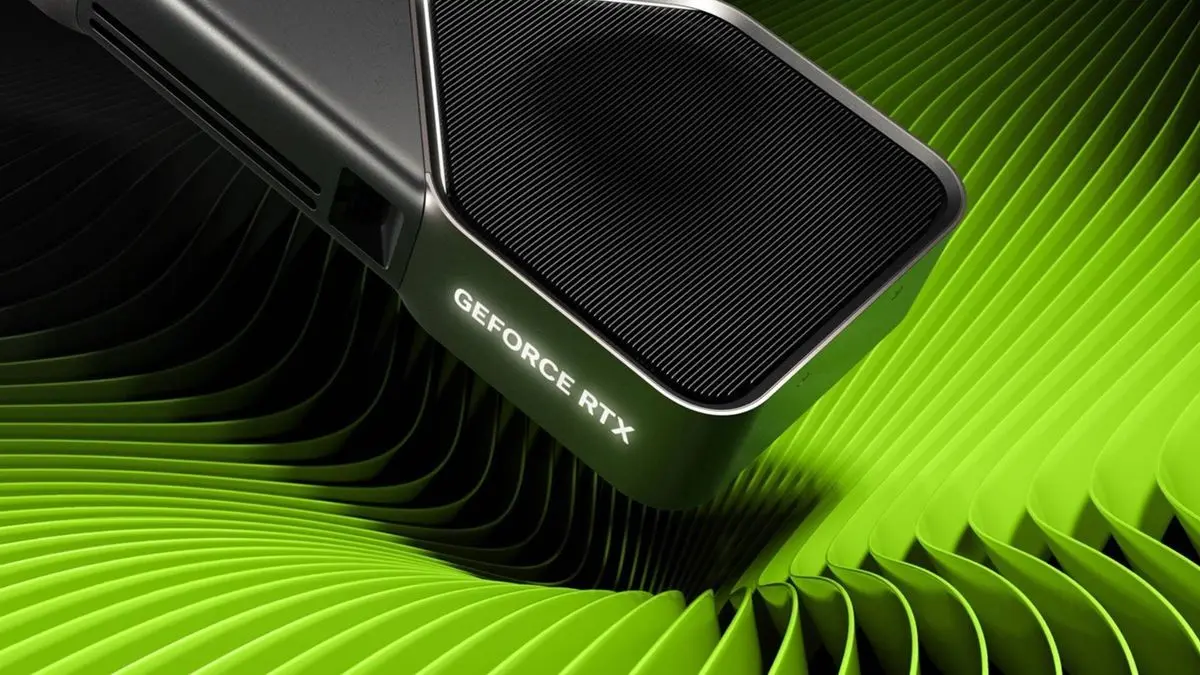
Source: GamesRadar
In response to the report, Nvidia told PCMag that demand for GeForce RTX GPUs remains strong and memory supply is constrained, adding that the company continues to ship all GeForce SKUs while working closely with suppliers to maximize memory availability
1
. This represents the first time in three decades that Nvidia won't launch new gaming chips in a given year2
.Memory Shortage Driven by AI Demand Reshapes Priorities
AI demand has driven the current memory chip shortage, throwing the consumer electronics industry out of balance
2
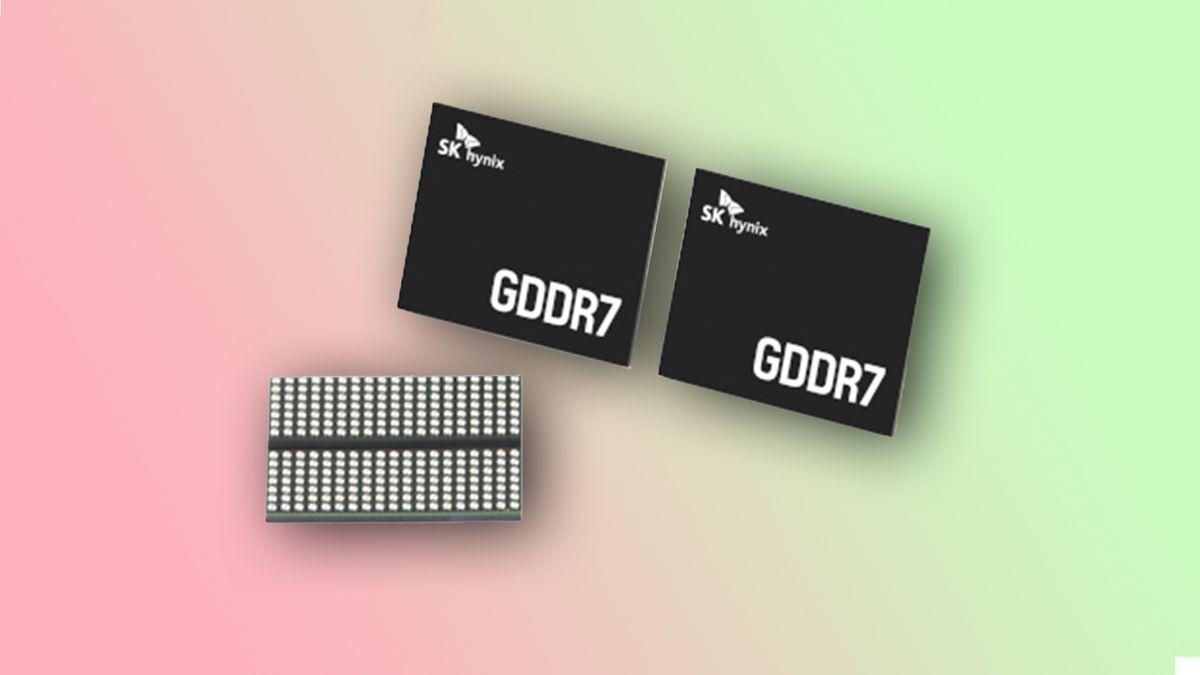
. The global memory shortage has been widening for months, partly because memory makers have shifted production capacity toward high-bandwidth memory (HBM) and other components that serve AI workloads4
. This trend has driven up prices for consumer-oriented memory like GDDR and DDR, making it harder and more expensive for companies like Nvidia to secure enough supply for gaming-focused GPUs while meeting booming data center demand4
.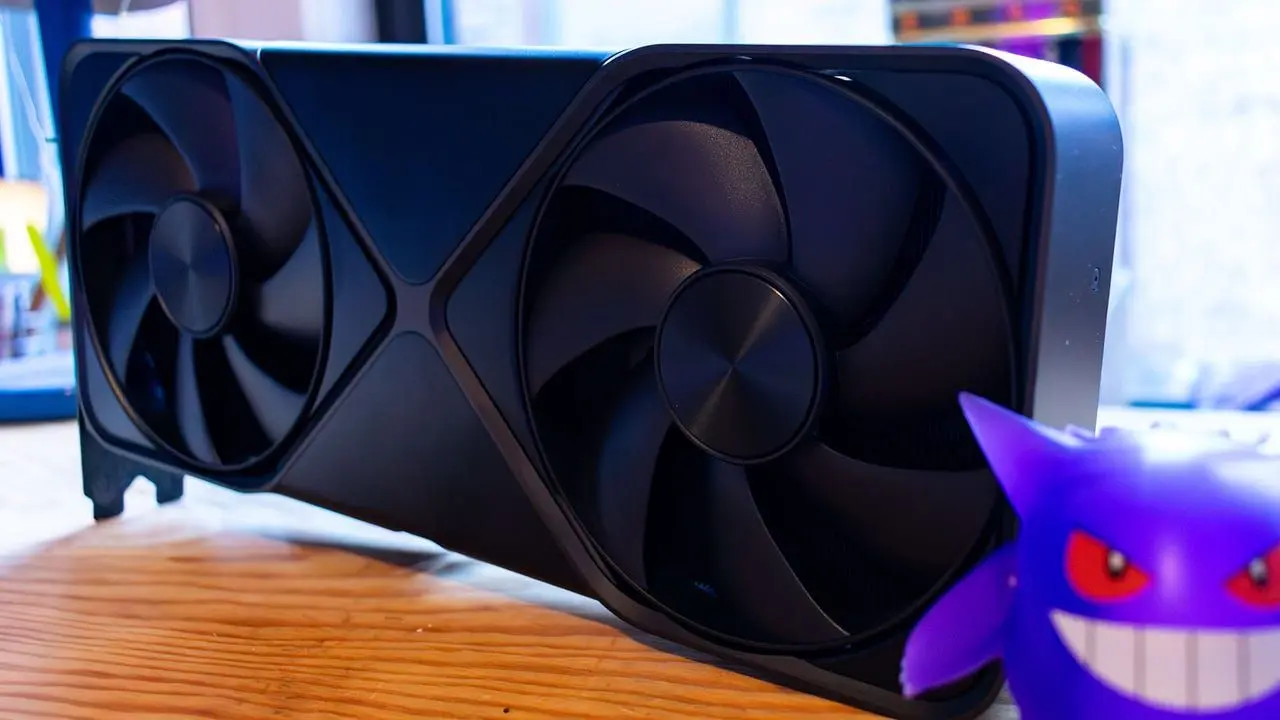
Source: IGN
Facing these supply constraints, Nvidia is essentially brushing off the gaming demographic that once defined its business
2
. In the first nine months of 2022, Nvidia's gaming GPUs made up 35 percent of its total revenue. During that same period in 2025, only around 8 percent came from gaming components2
. The profit margins tell an even clearer story: AI chips deliver 65 percent margins compared to 40 percent for graphics cards2
.Price Increases and Supply Issues Impact PC Gaming Market
The effects of the memory shortage can already be seen in existing RTX 50 series cards. Prices for the more powerful RTX 5070 Ti and up have all been increasing, while other models are simply out of stock amid reports that supplies have dried up
1
. An RTX 5070 Ti now costs more than $1,000 while an RTX 5080 demands $500 or more than the original price3
. With the shortage expected to last into 2028, PC builders probably won't see relief any time soon1
.Nvidia has reiterated that it is still shipping all GeForce SKUs but blamed memory supply for any current supply hiccups. What Nvidia is not saying is it needs to make more room for production of its AI training chips—the reason the company has catapulted into the most profitable business in the world
3
. The memory crunch is expected to hit all kinds of consumer electronics, leading to price increases and lower memory configurations1
. On Wednesday, for example, Valve said it needs to delay and reprice its console-like Steam Machine1
.Related Stories
What This Means for Gamers Looking Ahead
For the gaming audience, a 2026 without new Nvidia GPUs reshapes upgrade planning and pricing for the entire PC gaming market
4
. Nvidia's gaming lineup may rely on existing RTX 50 cards longer than expected, and premiums on current GPUs could remain high as buyers wait for the next real jump in performance4
. A little more than a year ago, Nvidia did not think of itself as a gaming company, nor is it a "technology company," as CEO Jensen Huang put it in a 2025 Q&A. Nvidia is an AI company3
.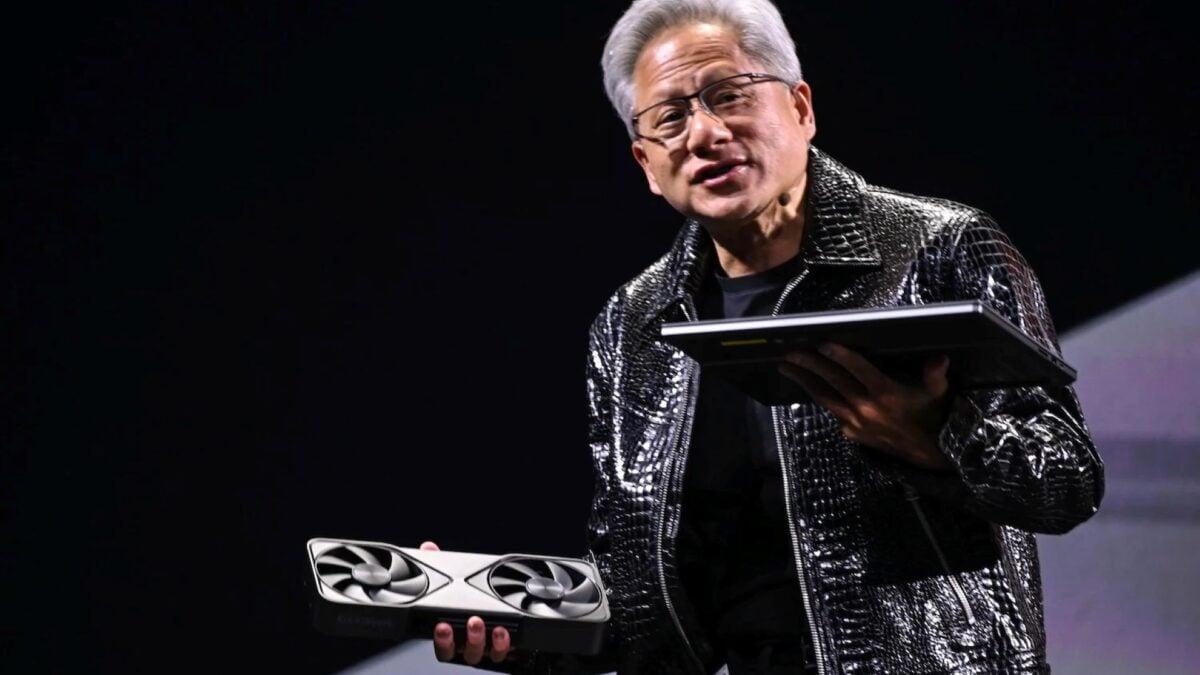
Source: Gizmodo
Huang told Taiwanese outlet UDN that TSMC will need to increase manufacturing by 100% in the next 10 years "just to meet Nvidia's demand"
3
. This suggests the tension between AI and gaming priorities will persist well into the future. If the AI bubble bursts, Nvidia should hope there are still enough gamers left who can afford whatever new, ultimately expensive GPU comes their way3
. For now, the traditional rhythm of GPU releases is being disrupted, and gamers may find themselves holding onto current hardware longer than they anticipated4
.References
Summarized by

Navi
[4]
Related Stories
Nvidia slashes RTX 50-series production to prioritize AI demand, triggering GPU drought
22 Jan 2026•Business and Economy

Nvidia skips gaming GPUs at CES 2026, doubles down on AI as shortages squeeze PC gamers
02 Jan 2026•Technology
NVIDIA Reports Strong Gaming Revenue Amid GPU Shortage and Hints at Next-Gen RTX 50 Series
22 Nov 2024•Business and Economy

Recent Highlights


Recent Highlights
Today's Top Stories












Your Daily Dose of Curated AI News
Don’t drown in AI news. We cut through the noise - filtering, ranking and summarizing the most important AI news, breakthroughs and research daily. Spend less time searching for the latest in AI and get straight to action.

