Nvidia slashes RTX 50-series production to prioritize AI demand, triggering GPU drought


4 Sources
[1]
Nvidia is reportedly cutting RTX 50-series production to focus on AI demand
Serving tech enthusiasts for over 25 years. TechSpot means tech analysis and advice you can trust. Rumor mill: The AI boom is turning into an even bigger headache for PC builders than previously expected. Not only has it made DDR5 memory prohibitively expensive, but it is also driving another
[2]
Report: Nvidia cancels GPU MSRP program
The RTX 5080 could see a significant 40-50% price increase, making gaming hardware less accessible to consumers. Finding an in-demand graphics card at retail price -- or at least the price originally announced by the manufacturer at launch -- is hard. Sometimes it's effectively impossible. And if
[3]
'Yes. The entire series. Effectively': Nvidia RTX 50-series production reportedly on hold, and it's all because of AI demand
The state of Nvidia's RTX 50-series GPUs is in flux. With the RAM crisis causing prices to skyrocket and supply to dwindle, Nvidia was put in the position to confirm that it will "continue to ship" its graphics cards. But a recent leak claims otherwise. Speaking with industry sources, reputable
[4]
Rumor: NVIDIA May Pause RTX 5060 Output, Tighten 50-Series Supply
A new rumor is making the rounds in the graphics card channel, and it does not paint a friendly picture for anyone shopping midrange GPUs in 2026. According to claims attributed to YouTuber Moore's Law Is Dead, NVIDIA is allegedly preparing to cut back GeForce RTX 50-series production to reallocate
Share
Copy Link
Nvidia is reportedly cutting production of its RTX 50-series consumer graphics cards by 15-20% through at least Q3 2026 to meet surging AI demand. The RTX 5060 may be discontinued for six months, while flagship models like the RTX 5090 and 5070 Ti could become nearly unobtainable. Industry sources warn of potential 30-50% price increases as the company prioritizes AI data centers over gaming hardware.
Nvidia Prioritizes AI Data Centers Over Consumer Graphics Cards
Nvidia is reportedly implementing significant production cuts across its RTX 50-series lineup, redirecting manufacturing capacity toward AI data centers amid what industry sources describe as "vastly overbooked AI sales." According to unnamed sources cited by YouTube channel Moore's Law Is Dead, Nvidia RTX 50-series production will be reduced by 15-20% through at least Q3 2026, affecting all models in the lineup
1
. The move marks a dramatic shift in Nvidia's strategy as the company weighs the profitability of AI hardware against traditional gaming markets. A distributor reportedly confirmed that multiple phone calls with board partners revealed Nvidia has "vastly overbooked AI sales" and needs to pause almost all RTX 50-series production until at least Q3 20263
. This decision comes as memory shortage conditions intensify across the tech industry, with DRAM prices soaring and affecting everything from smartphones to SSDs.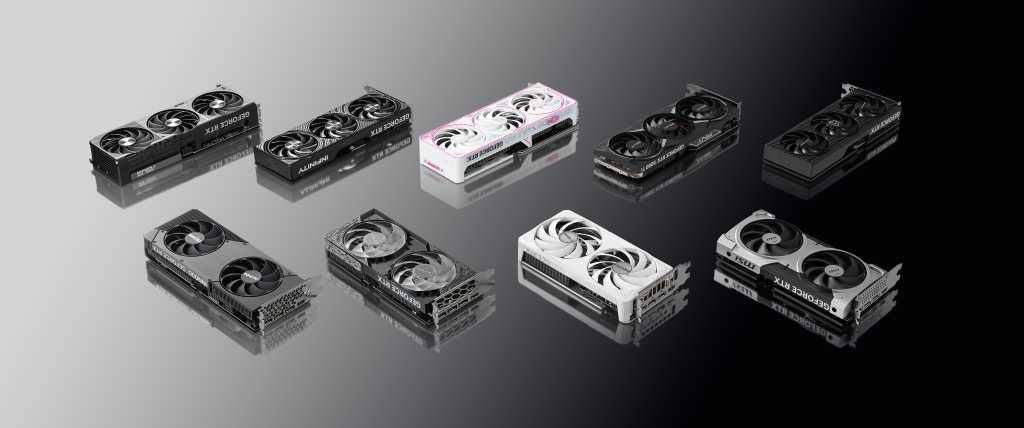
Source: PCWorld
GPU Shortages Hit Mainstream Models Hardest
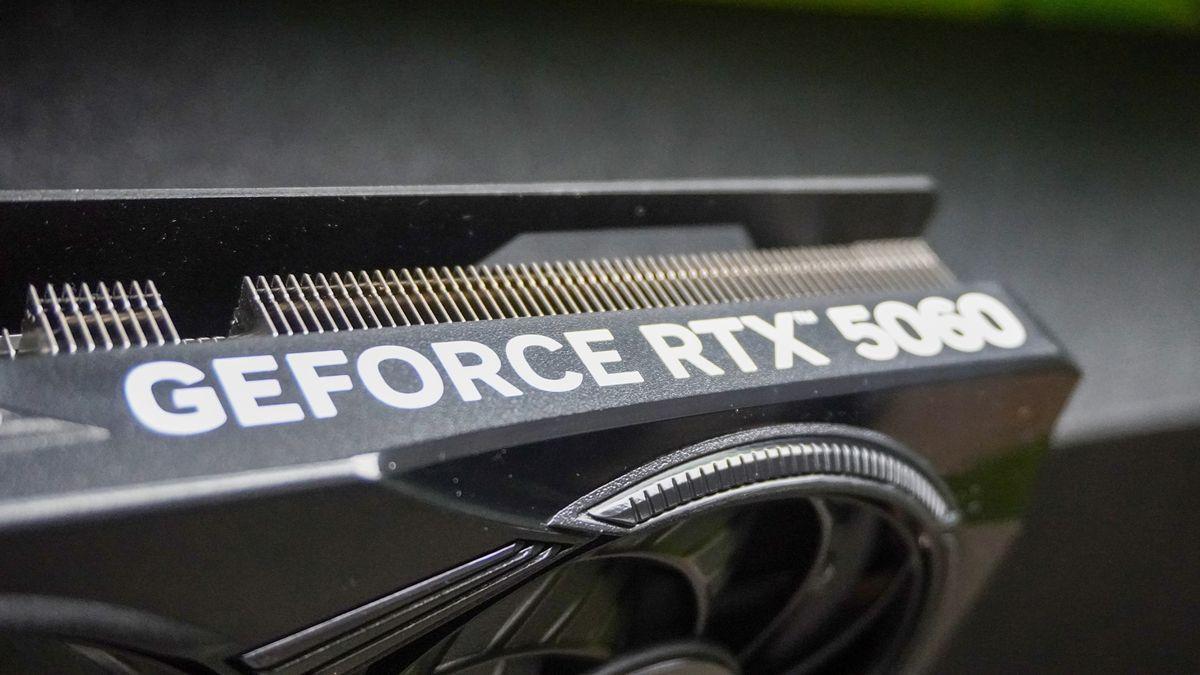
The production cuts appear most severe for mid-range and high-memory configurations. The RTX 5060 with 8GB of GDDR7 VRAM will reportedly be out of production for at least six months, while the RTX 5090, RTX 5070 Ti, and RTX 5060 Ti 16GB models are expected to become "unobtanium"—effectively unobtainable for an indefinite period
3
. A major retailer source indicated that RTX 5060 supply will deteriorate until at least Q4 2026, with the RTX 5050 and RTX 5060 Ti 8GB becoming the primary volume offerings through summer1
. The RTX 5080 and RTX 5070 will remain available but in "incredibly low volume," according to distributor sources3
. Interestingly, the RTX 5050 may face less pressure because it uses GDDR6 memory rather than the more constrained GDDR7 found in higher-tier products4
. This selective approach reflects what Gigabyte has characterized as Nvidia's strategy focused on "revenue per gigabyte"3
.
Source: Tom's Guide
MSRP Program Cancellation Signals Price Surge
Compounding supply concerns, Germany-based YouTuber and Thermal Grizzly CEO Roman "der8auer" Hartung reports that Nvidia has canceled its MSRP discount program for board partners. The program, known as "OPP" or possibly "Open Price Program," previously offered discounts and rebates to companies like Asus and Gigabyte to incentivize selling cards at manufacturer-suggested retail prices
2
. Without this program, gaming hardware becomes significantly less accessible to consumers. Hartung estimates the RTX 5080 could see a 40-50% price increase even before scalpers enter the equation2
. Another industry source speaking to Moore's Law Is Dead warned of an imminent 30% baseline price increase across GPUs3
. These projections align with broader market trends, as an IDC report suggested PC and smartphone prices could rise nearly 10% in 2026 if DRAM shortages continue1
.Related Stories

What This Means for PC Builders and Gamers
The timing creates a challenging environment for anyone planning system builds or upgrades. Nvidia reportedly informed its board partners, distributors, and retailers that it will reevaluate its strategy in Q4 2026, but that doesn't guarantee production will return to normal levels
1
. Graphics card availability is likely to remain a significant problem for gamers and professionals for the foreseeable future. What began as a memory crunch last year has now spread to other PC hardware segments including SSDs and hard drives1
. The situation echoes earlier supply crises, but with the added complexity of AI demand fundamentally reshaping manufacturing priorities. For consumers, the choice becomes stark: purchase available RTX 50-series cards now at elevated prices, or wait until late 2026 hoping supply normalizes. According to Scan CEO Elan Raja, the RTX 5070 GPU with 12GB VRAM represents the "sweet spot" for what PC gamers are actually buying3
—fortunately one of the models expected to maintain some availability, albeit limited. Watch for allocation patterns from board partners and retail restocking frequency over the coming months as the clearest indicators of how severe these constraints will become.References
Summarized by

Navi
[2]
[3]
Related Stories
Nvidia plans to slash RTX 50 GPU production by up to 40% as memory shortage bites
18 Dec 2025•Business and Economy

Nvidia RTX 5090 Disappears From Shelves as AI Demand Pushes Prices Beyond $9,500
14 Sept 2026•Business and Economy
Nvidia's RTX 5000 Super Series Faces Cancellation as AI Demand Drives GDDR7 Memory Shortage
07 Nov 2025•Technology
Recent Highlights
1
Microsoft and Nvidia Launch Surface Laptop Ultra: A $2,599 AI-Ready PC With RTX Spark Chip
Technology

2
OpenAI Releases 722 AI-Generated Math Papers on GitHub, Igniting Fury Among Mathematicians
Science and Research

3
Trump Consulted Grok AI Before Ordering Venezuela Invasion and Capture of Nicolás Maduro
Policy and Regulation

Recent Highlights
Today's Top Stories












Don’t drown in AI news. We cut through the noise - filtering, ranking and summarizing the most important AI news, breakthroughs and research daily. Follow topics that matter to you and stay ahead.


