NVIDIA's AI AI server evolution: GB300 production ramps up as Vera Rubin looms on the horizon


4 Sources
[1]
Large-scale shipments of Nvidia GB300 servers tipped to start in September -- GB200 demand remains 'robust' despite widespread coolant leak reports
While Dell and probably some other Nvidia partners have initiated early production of their GB300-based servers, large-scale shipments of such machines are expected to begin only in September 2025, reports DigiTimes. The rollout is expected to proceed more smoothly than prior generations due to
[2]
NVIDIA's next-gen GB300 AI servers now in production, will begin shipping in September
TL;DR: NVIDIA's next-gen GB300 "Blackwell Ultra" AI servers have entered production, leveraging the existing GB200 motherboard design to streamline manufacturing. Shipments are set to begin in the second half of 2025, promising smooth supply chain operations and steady volume production through Q4
[3]
NVIDIA's High-End "Blackwell Ultra" GB300 AI Servers to Begin Shipping by September as Design Changes Ease Pressure on the Supply Chain
NVIDIA's GB300 AI servers are finally expected to see volume shipments commence by September, as the supply chain has adjusted to Team Green's design changes. The "Blackwell Ultra" lineup of AI servers by NVIDIA did see a hiccup when they were released in H1 2025, as Team Green introduced several
[4]
NVIDIA Gears Up for Next-Gen Vera Rubin AI Servers While Rolling Out Blackwell Ultra GB300 Units; A Relentless Standard Only Jensen Dares to Set
NVIDIA is now preparing for the next generation of AI servers, at a time when the company has just started low-volume production of Blackwell Ultra, which shows that there won't be another NVIDIA at all. Team Green has been accelerating through the AI hype at a rate that no other competitor has
Share
Copy Link
NVIDIA's GB300 "Blackwell Ultra" AI servers enter production with shipments starting in September, while the company already prepares for the next-generation Vera Rubin platform, showcasing NVIDIA's relentless pace in AI innovation.
NVIDIA's GB300 "Blackwell Ultra" Enters Production
NVIDIA's next-generation GB300 "Blackwell Ultra" AI servers have entered production, with large-scale shipments expected to begin in September 2025
1
2
. This rollout is anticipated to proceed more smoothly than previous generations, thanks to strategic design reuse and improved coordination across the supply chain1
.Design Reuse and Modular Approach

Source: TweakTown
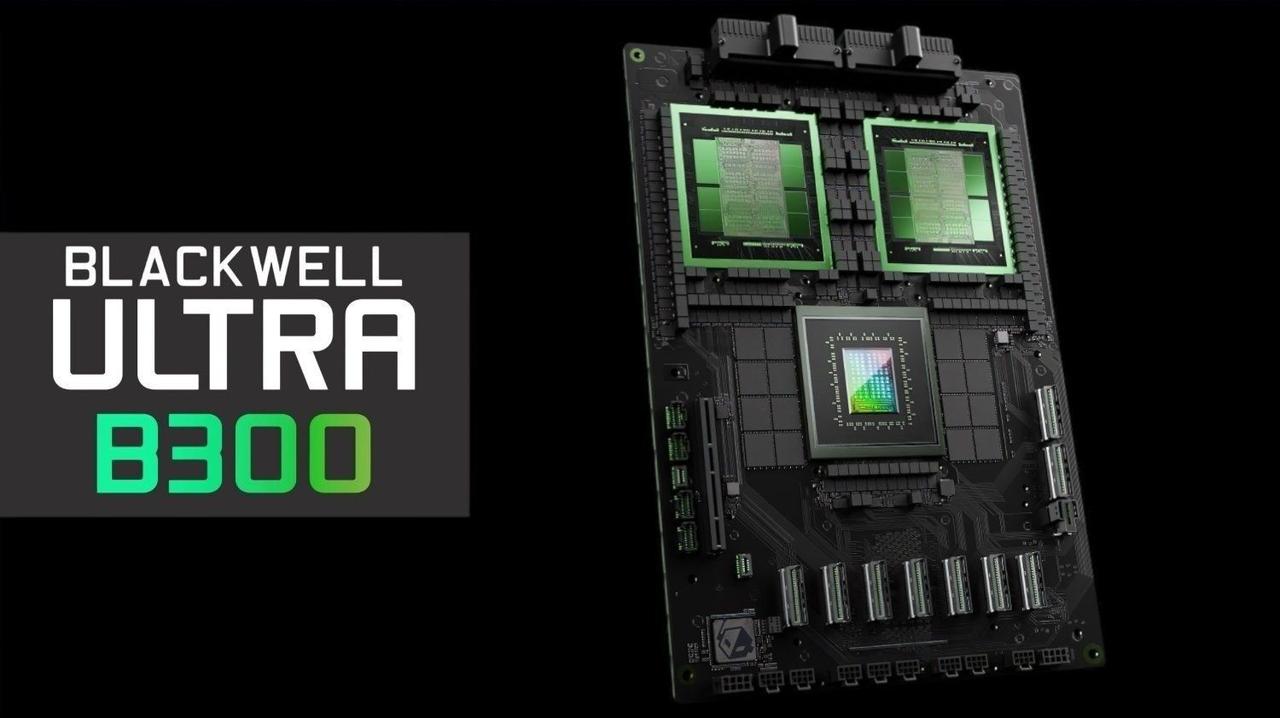
A key factor enabling the faster transition is NVIDIA's decision to retain the motherboard design used in the current GB200 platform, known as the Bianca board
1
2
. This move has significantly shortened the learning curve for suppliers, many of which were struggling to keep up with NVIDIA's rapid product update cycle2
.For the GB300, NVIDIA is shifting to a more modular approach:
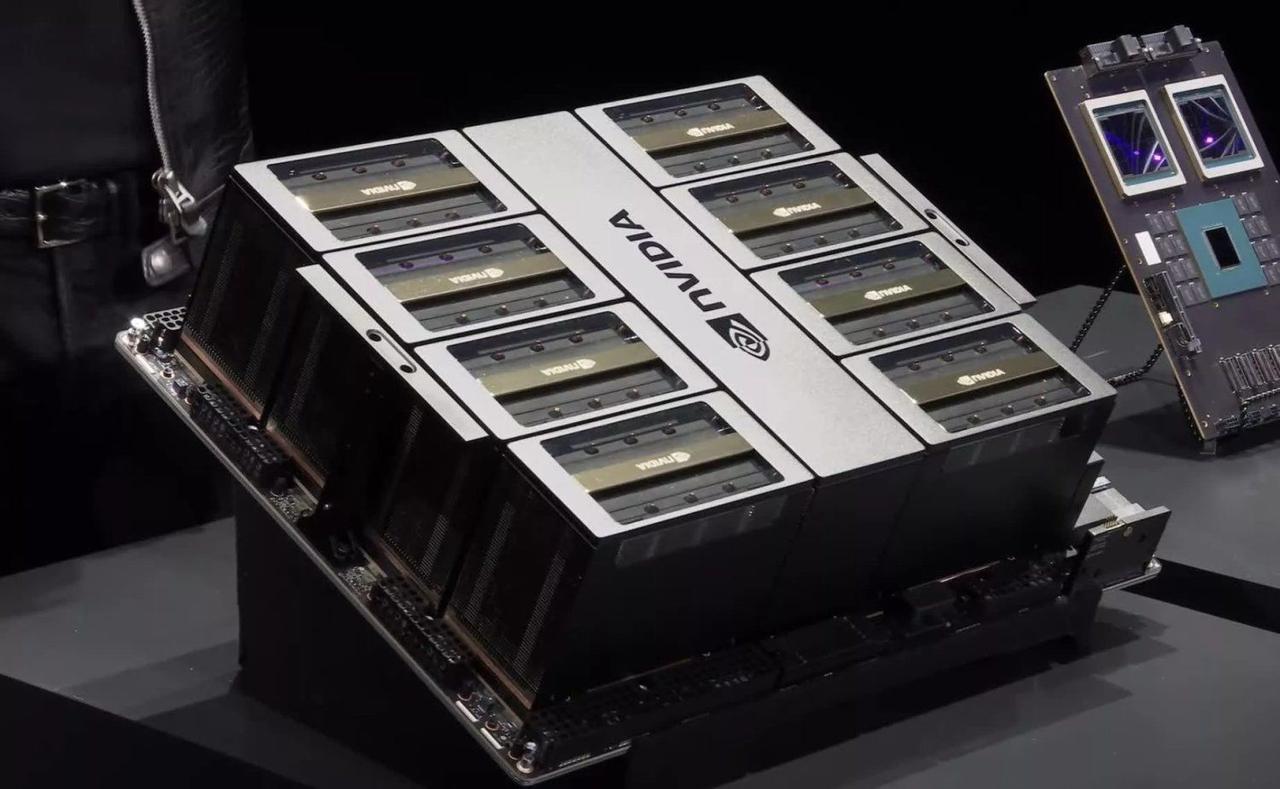
- The B300 GPU is provided on an SXM Puck module
- The Grace CPU comes in a separate BGA package
- The hardware management controller (HMC) is supplied by Axiado
- Customers source remaining motherboard components themselves
- CPU memory uses standard SOCAMM memory modules from various vendors
1
This reuse and modular design eliminate the need for a complete redesign, streamlining production processes and reducing risk
1
.Production and Shipment Timeline
ODMs report no significant hurdles in the validation and early production phases of GB300
1
. Feedback from partners indicates that component qualification is progressing as planned, and NVIDIA is on track to increase output steadily throughout the third quarter of 20251
2
. By the fourth quarter of 2025, shipment volumes are expected to ramp up significantly1
3
.Challenges with GB200 Liquid Cooling
Source: Tom's Hardware
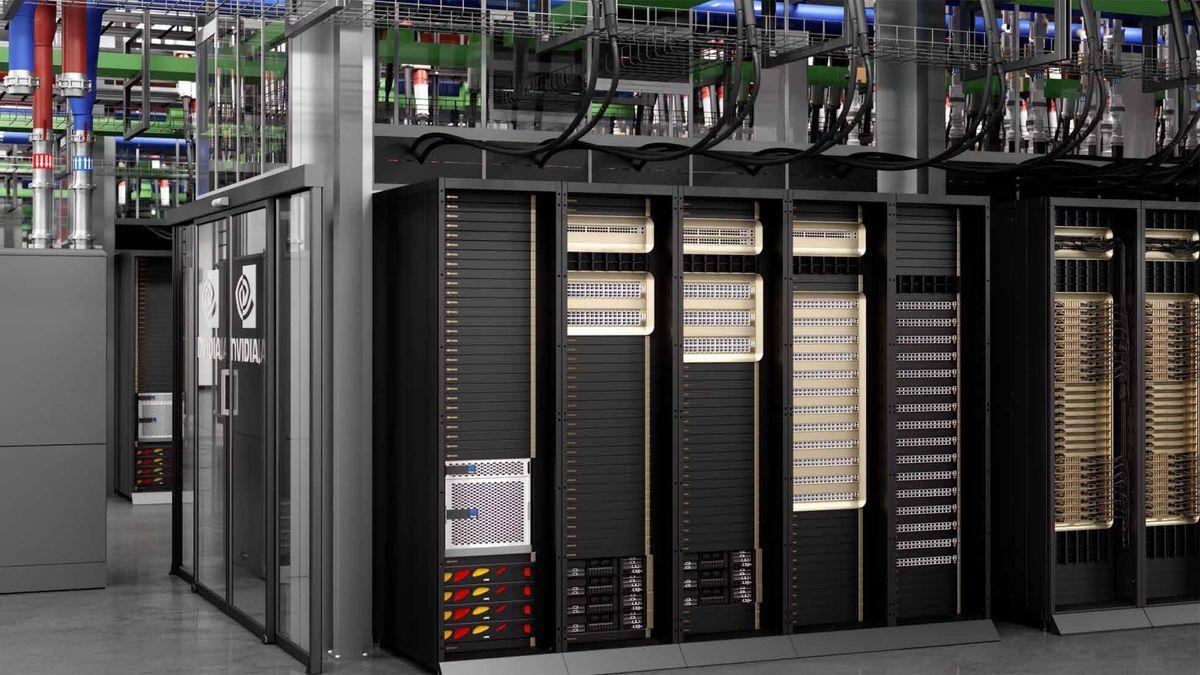
Despite high-volume shipments of GB200 to data centers, persistent problems with its liquid cooling systems have been reported
1
. The primary failures occur with quick-connect fittings, which have shown a tendency to leak despite undergoing factory stress tests1
. Data center operators have responded by adopting measures like localized shutdowns and extensive leak testing, prioritizing deployment speed and performance over hardware reliability1
.Related Stories
Looking Ahead: Vera Rubin Platform
Even as GB300 production ramps up, NVIDIA is already preparing for its next-generation AI servers, codenamed Vera Rubin
1
4
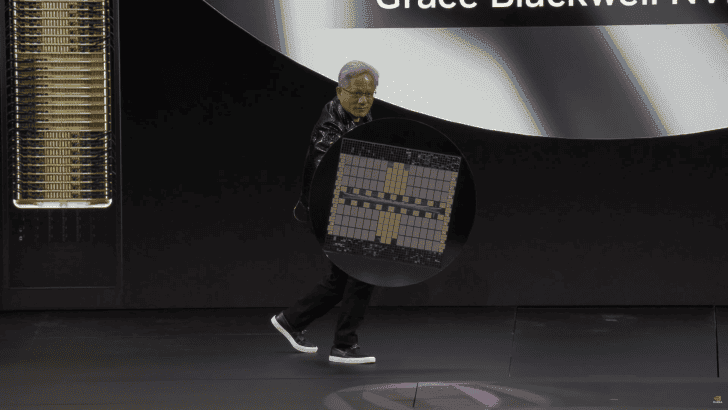
. This platform will roll out in two phases:- Replace Grace CPUs with Vera CPUs and Blackwell GPUs with Rubin GPUs, retaining the current Oberon rack (NVL144)
- Introduce an all-new Kyber rack with Vera CPUs and Rubin Ultra GPUs featuring four compute chiplets
1
Source: Wccftech
The Vera Rubin platform is expected to be available in the market from 2026 to 2027
4
. It will utilize next-generation HBM4 chips, adopt TSMC's 3nm (N3P) process, and implement CoWoS-L packaging4
. Notably, Rubin will be NVIDIA's first implementation of a chiplet design, featuring a 4x reticle design compared to Blackwell's 3.3x4
.NVIDIA's Relentless Innovation Pace
NVIDIA's rapid product cycle, releasing new AI server architectures every six to eight months, has set a blistering pace that competitors struggle to match
2
4
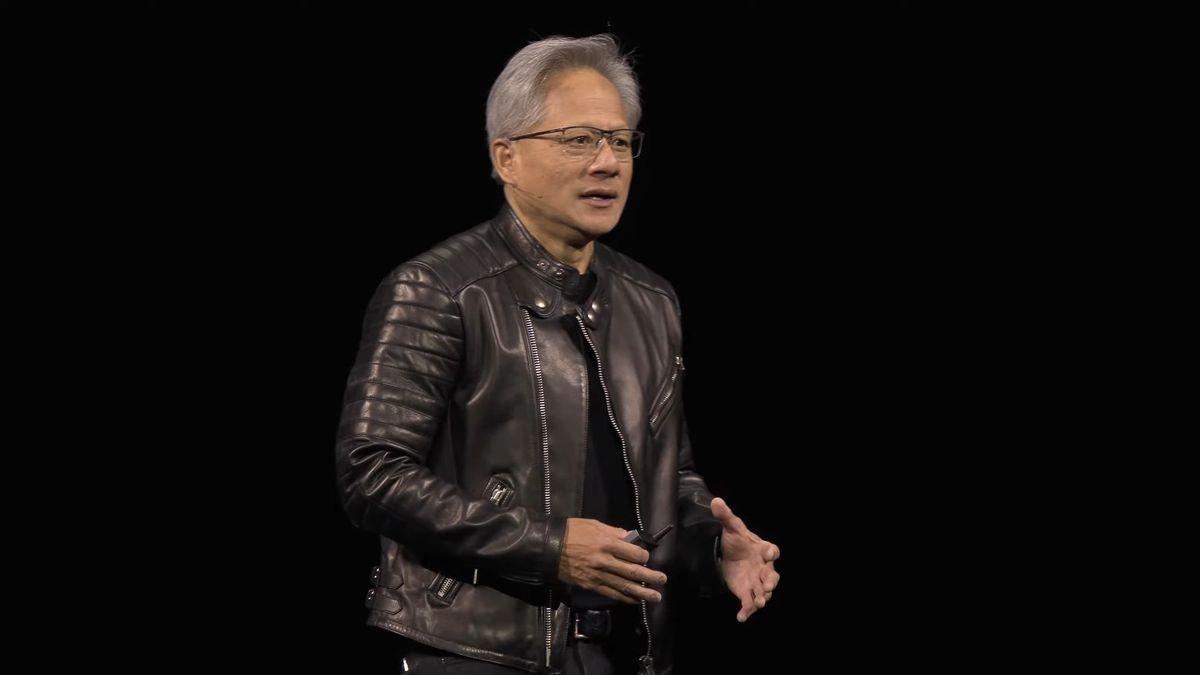
. This relentless standard, driven by CEO Jensen Huang, has positioned NVIDIA at the forefront of AI innovation4
. However, it also raises questions about how the supply chain can adapt to such frequent architectural changes4
.As NVIDIA continues to push the boundaries of AI server technology, the industry watches closely to see how this rapid innovation cycle will shape the future of artificial intelligence and high-performance computing.
References
Summarized by

Navi
[1]
Related Stories
Nvidia Unveils Blackwell Ultra B300: A Leap Forward in AI Computing
19 Mar 2025•Technology
NVIDIA's GB300 'Blackwell Ultra' AI Servers: A Leap Towards Fully Liquid-Cooled AI Clusters
11 Mar 2025•Technology
Nvidia Overcomes Technical Hurdles, Accelerates Production of Blackwell AI Servers
28 May 2025•Technology
Recent Highlights
1
Meta Unveils Muse Wonder Frontier AI Models, Claims Performance Matching OpenAI and Anthropic
Technology

2
IMF Report Warns AI Market Correction Could Spark Global Financial Crisis With $1.4T at Risk
Business and Economy

3
OpenAI Releases 722 AI-Generated Math Solutions, Triggering Existential Crisis in Mathematics
Technology

Recent Highlights
Today's Top Stories











Don’t drown in AI news. We cut through the noise - filtering, ranking and summarizing the most important AI news, breakthroughs and research daily. Follow topics that matter to you and stay ahead.


