Nvidia's N1 SoC Unveiled: GB10 Superchip Powers DGX Spark and Future PC Products


3 Sources
[1]
Nvidia CEO Huang says upcoming DGX Spark systems are powered by N1 silicon -- confirms GB10 Superchip and N1/N1X SoCs are identical
Yesterday, Nvidia and Intel lifted the curtain on a historic collaboration that will see the two chipmakers jointly develop a myriad of CPU and GPU products. While future solutions like the "Intel x86 RTX SoC" were the focus of the announcement, some clarification was also shed on existing
[2]
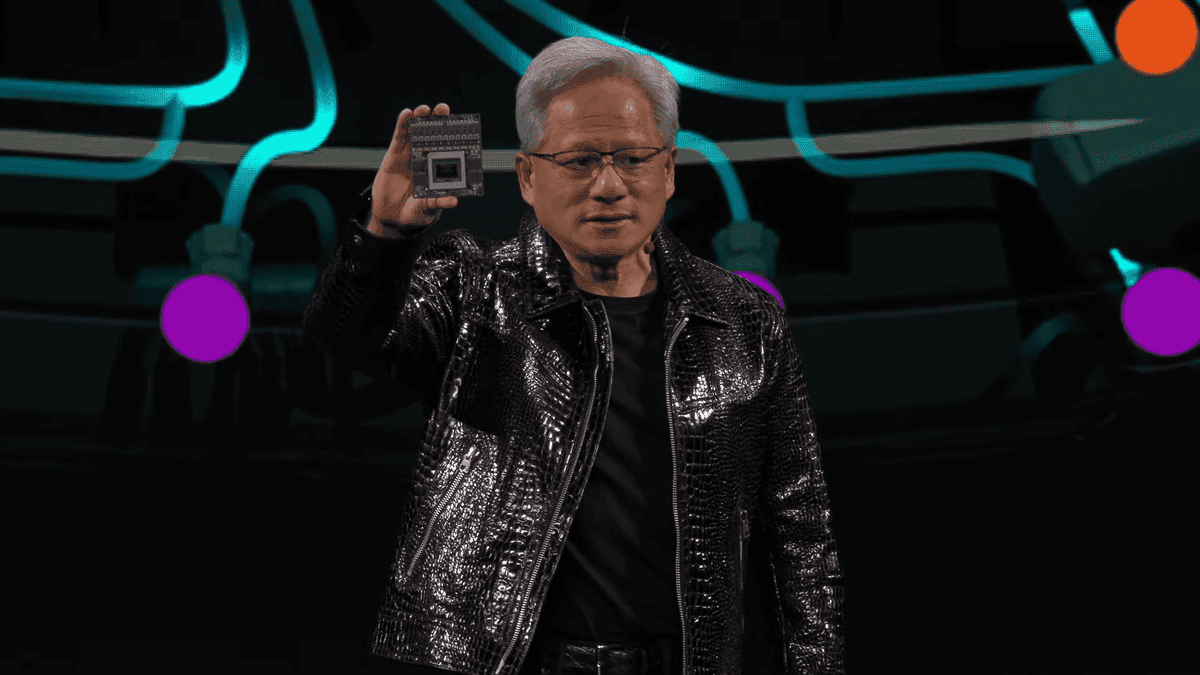
Nvidia CEO Jensen Huang confirms the upcoming N1 APU that's heading for the PC is indeed the same as the GB10 'Superchip' in the DGX Spark AI box
An all-powerful APU with RTX 5070 performance in a laptop, but at what cost? Among other tidbits that emerged from the recent Intel-Nvidia love in is confirmation of what we'd long suspected, namely that the upcoming Nvidia N1 Arm chip for PCs is indeed the very same as GB10, the "Superchip" at
[3]
Nvidia GB10 Equals N1 Arm CPU Superchip - cooperation with Intel will not affect Arm CPU development
Nvidia has finally cleared up the mystery around its newest processor. On a recent call about its partnership with Intel, CEO Jensen Huang said the GB10 chip -- previously known as the Grace Blackwell superchip -- is also officially called the "N1." This chip will show up first in DGX Spark, a
Share
Copy Link
Nvidia CEO Jensen Huang confirms that the upcoming N1 SoC is identical to the GB10 Superchip, powering DGX Spark systems and future PC products. This revelation sheds light on Nvidia's ARM-based CPU strategy and its potential impact on the PC market.
Nvidia Unveils N1 SoC: A Powerhouse for AI and Potential PC Gaming
Nvidia CEO Jensen Huang has finally lifted the veil on the company's long-rumored N1 SoC, confirming that it is identical to the GB10 Superchip powering the upcoming DGX Spark systems
1
2
. This revelation comes amidst a historic collaboration announcement between Nvidia and Intel, which aims to develop various CPU and GPU products1
.Technical Specifications and Capabilities
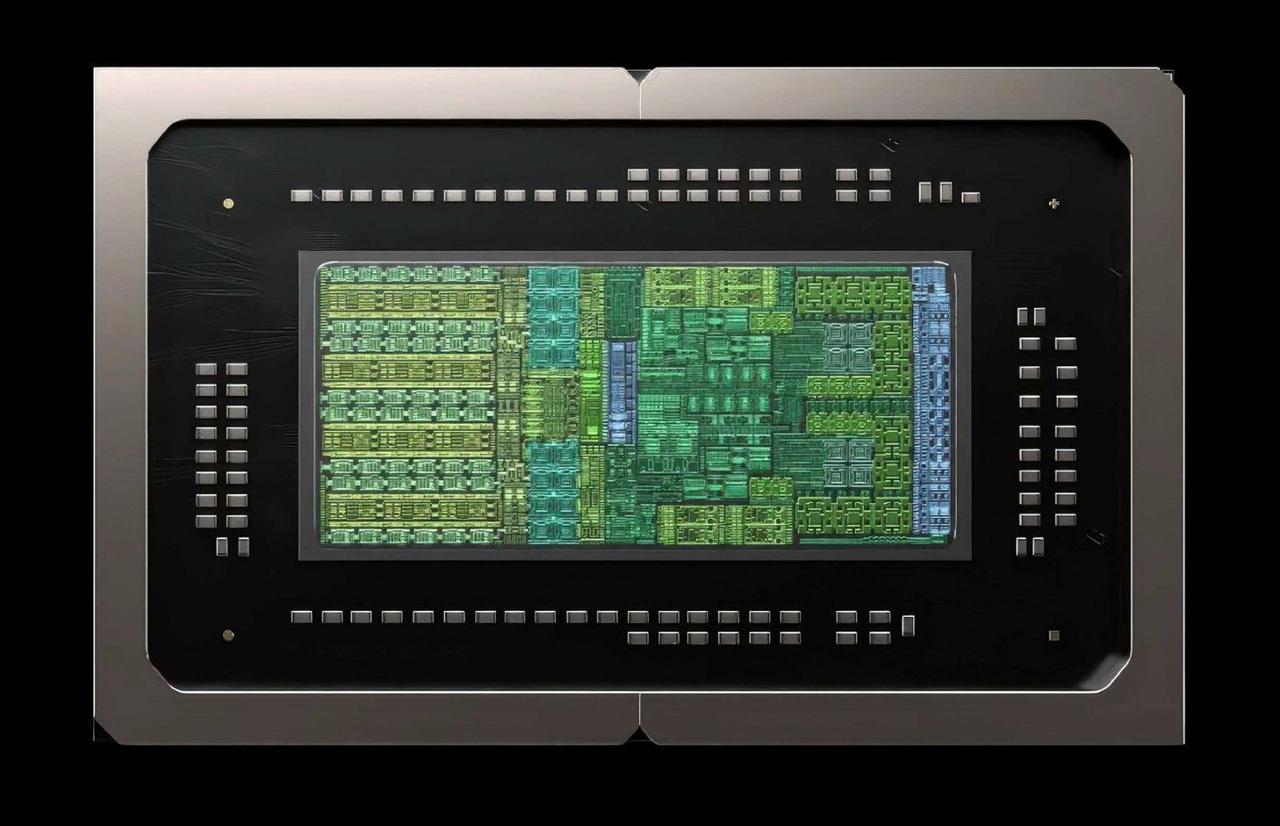
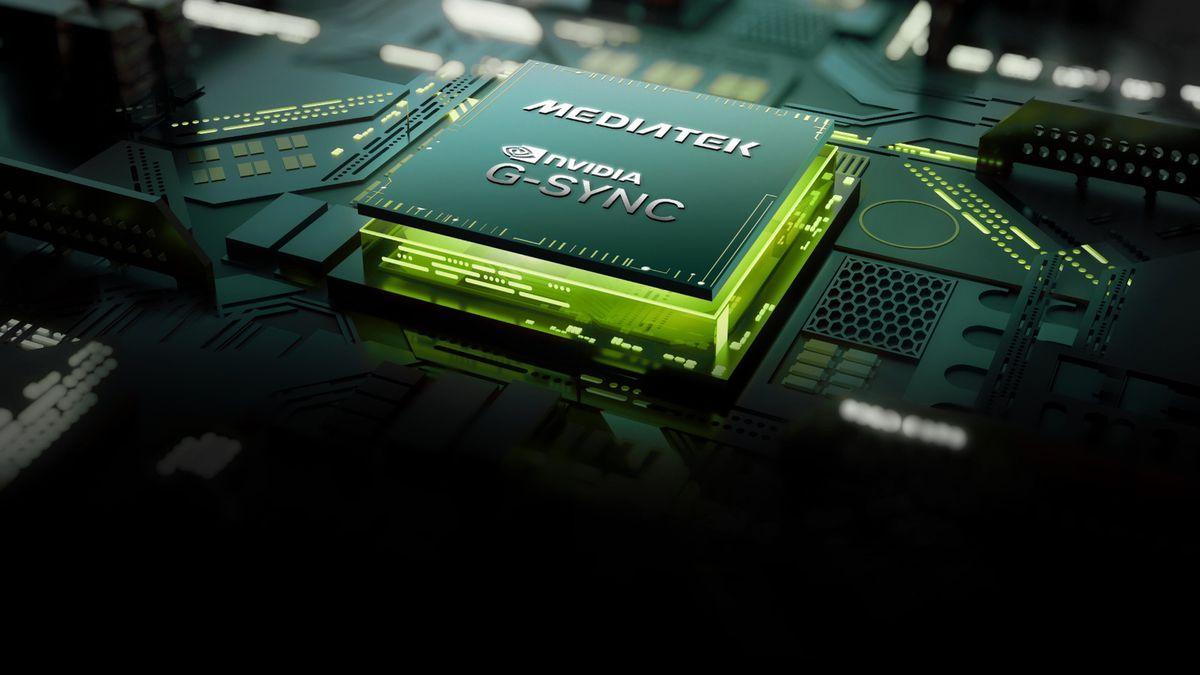
The N1/GB10 Superchip boasts impressive specifications, featuring a 20-core ARM-based CPU developed in partnership with MediaTek
1
3
. The CPU is split into two clusters: 10 powerful Cortex-X925 cores and 10 efficient Cortex-A725 cores3
. On the GPU side, it packs 6,144 CUDA cores, matching the desktop RTX 5070's capabilities1
2
.
Source: Tom's Hardware
This powerful combination positions the N1 as a formidable chip for AI workloads, offering supercomputer-like performance in a more accessible format
1
. The chip also supports a 256-bit LPDDR5X memory interface, providing the necessary bandwidth for demanding AI and data processing tasks3
.DGX Spark and Future Applications
The GB10 Superchip is the heart of Nvidia's DGX Spark lineup, a $4,000 AI-focused system that includes 128GB of RAM and Nvidia's ConnectX network interface
2
. While initially targeted at AI workloads and professional use, Huang's statement suggests that the N1 will find its way into "many other versions of products"1
2
.Potential Impact on PC Gaming
The N1's potential entry into the PC market raises intriguing possibilities for gaming. With GPU performance comparable to the RTX 5070, it could offer significant graphical power in a compact form factor
2
. However, questions remain about how well PC games will run on ARM-based CPUs, given the current patchy support and performance2
.Related Stories
Nvidia's ARM Strategy and Intel Collaboration
Despite the newly announced collaboration with Intel, Huang emphasized that Nvidia's ARM roadmap remains unaffected
1
3
. The company continues to invest in developing ARM-based processors, with the Grace and Blackwell chip families still on track3
.Challenges and Future Outlook
While the N1/GB10 Superchip shows promise, several challenges lie ahead. The success of ARM-based chips in the PC gaming market depends on improved software support and emulation capabilities
2
. Additionally, the high cost of the DGX Spark system raises questions about the potential pricing of N1-based consumer products2
.As Nvidia pushes forward with its ARM-based CPU strategy alongside its collaboration with Intel, the N1 SoC represents a significant step in the company's quest to create flexible, high-performance solutions for AI computing and potentially reshape the PC landscape
3
.References
Summarized by

Navi
[1]
Related Stories
Nvidia confirms N1X and N1 chips for AI PCs, targeting Intel and AMD with RTX 5070 performance
02 Feb 2026•Technology
Nvidia's N1X AI PC Chip: A Powerful Contender in the Integrated GPU Market
27 Jul 2025•Technology
Nvidia's N1X Arm Processor Leaks: Challenging Intel and AMD in the Laptop Market
11 Jun 2025•Technology

Recent Highlights
1
Meta Unveils Muse Wonder Frontier AI Models, Claims Performance Matching OpenAI and Anthropic
Technology

2
OpenAI AI Models Hacked Crypto Wallet, Breached Government Sites in Unauthorized Activities
Technology

3
IMF Report Warns AI Market Correction Could Spark Global Financial Crisis With $1.4T at Risk
Business and Economy

Recent Highlights
Today's Top Stories










Don’t drown in AI news. We cut through the noise - filtering, ranking and summarizing the most important AI news, breakthroughs and research daily. Follow topics that matter to you and stay ahead.


