OpenAI disables ChatGPT ads after users revolt against irrelevant shopping suggestions


3 Sources
[1]
OpenAI says it's disabled ad-like app promotions in ChatGPT
OpenAI has turned off some promotional app messages in ChatGPT after users complained that the chatbot was showing them ads. In a post on X, OpenAI's chief research officer, Mark Chen, said that the company is working to improve the experience after showing ChatGPT users in-app messages promoting
[2]
Disgruntled ChatGPT Users Think Ads Have Rolled Out. The Timing Couldn't Be Worse
I'll get right to the point: ChatGPT has not technically started showing adsâ€"not for Target, and not for anyone else. It does sometimes answer questions with little graphical links to Target that look extremely ad-like. Oh, and just weeks ago, Target announced that a feature that connects ChatGPT
[3]
OpenAI turns off ads on ChatGPT as AI falls short
OpenAI has turned off ads appearing on ChatGPT while it works out how best to improve the model's precision, its top researchers said. In early December, a user complained about the nonsensical way in which ChatGPT was showing ads for Target below a conversation the user was having about Windows'
Share
Copy Link
OpenAI pulled ad-like promotional messages from ChatGPT after users complained about seeing Target and Peloton suggestions during unrelated conversations. Chief research officer Mark Chen admitted the company fell short in handling the rollout, disabling the feature while working to improve precision and user controls. The backlash comes as OpenAI faces mounting pressure to monetize its service while maintaining user trust.

OpenAI Disabled Promotions After User Backlash
OpenAI has turned off ad-like app promotions in ChatGPT following intense ChatGPT user complaints about irrelevant shopping suggestions appearing during conversations
1
. Mark Chen, the company's chief research officer, acknowledged the misstep on X, stating that "anything that feels like an ad needs to be handled with care, and we fell short"1
. The OpenAI disabled promotions came after users—including paid Pro and Plus subscribers—shared screenshots showing promotional messages for Target and Peloton appearing beneath unrelated chats about topics like xAI and Windows BitLocker1
.The controversy began when X user Benjamin De Kraker posted about seeing what appeared to be ChatGPT ads for Target while asking about BitLocker, declaring "Yeah, screw this. Lose all your users"
2
. The post went viral, sparking widespread user frustration across social media platforms and Reddit, where one popular post labeled it "The death of ChatGPT"2
.Poor User Experience Sparked Confusion
OpenAI data engineer Daniel McAuley initially defended the shopping suggestions in ChatGPT, claiming they weren't ads because "there's no financial component"
1
. He explained the messages were designed to boost organic discovery of partner app integrations within the chatbot, encouraging users to stay within ChatGPT rather than switching to other apps1
. However, McAuley acknowledged that the "lack of relevancy makes it a bad/confusing experience"1
.ChatGPT head Nick Turley attempted damage control, insisting "there are no live tests for ads" and that screenshots were "either not real or not ads"
1
2
. This response only inflamed the situation further, as users felt their legitimate concerns were being dismissed2
. An unnamed company spokesperson told TechCrunch the messages were part of tests for surfacing apps in ChatGPT, pointing to October plans to "suggest apps when they're relevant to the conversation"1
.Improving User Controls Amid Monetization Pressure
Chen confirmed OpenAI is now improving user controls, allowing people to "dial this down or off if you don't find it helpful"
1
3
. The timing of this controversy couldn't be worse for OpenAI. The incident occurred just weeks after the company declared a code red in response to increasing pressure from competitors like Anthropic and Google Gemini1
2
. Business Insider reported that OpenAI's company-wide state of emergency aims to improve ChatGPT amid declining performance metrics while maintaining user loyalty2
.The pressure for AI tool monetization is mounting. OpenAI reportedly hit $12 billion in annualized revenue this summer but is expected to burn $115 billion through 2029
1
. Only five percent of ChatGPT's 800 million users actually pay for the service, according to a Financial Times report1
. Most revenue currently comes from API licenses and user subscriptions, creating urgency around finding new monetization streams.Related Stories

What This Means for Large Language Models
As large language models emerge as alternatives to traditional search, their owners wrestle with how to generate revenue without alienating users
3
. Google Gemini has turned to AI Mode with third-party content recommendations, while Microsoft Copilot occasionally embeds ads in search results3
. Turley previously said he wouldn't rule out bringing ads to ChatGPT but would need to "be very thoughtful and tasteful" about it1
. CEO Sam Altman has said he's "not totally against" introducing ads and enjoys how they're integrated on Instagram1
.OpenAI is reportedly delaying ads and shopping features to focus on improving ChatGPT quality
1
. This incident demonstrates the delicate balance between monetization and maintaining user trust. The irrelevant ad placements showed that pilot partners like Target and Peloton need better integration mechanisms before users will accept commercial elements in their chatbot interactions. Watch for how OpenAI refines its approach to partner app integrations and whether it can implement monetization without triggering similar user revolts.References
Summarized by

Navi
Related Stories
OpenAI faces user backlash as ChatGPT app suggestions spark confusion over intrusive ads
01 Dec 2025•Technology

OpenAI explores ChatGPT ads with sponsored content prioritization to monetize 900M users
24 Dec 2025•Business and Economy
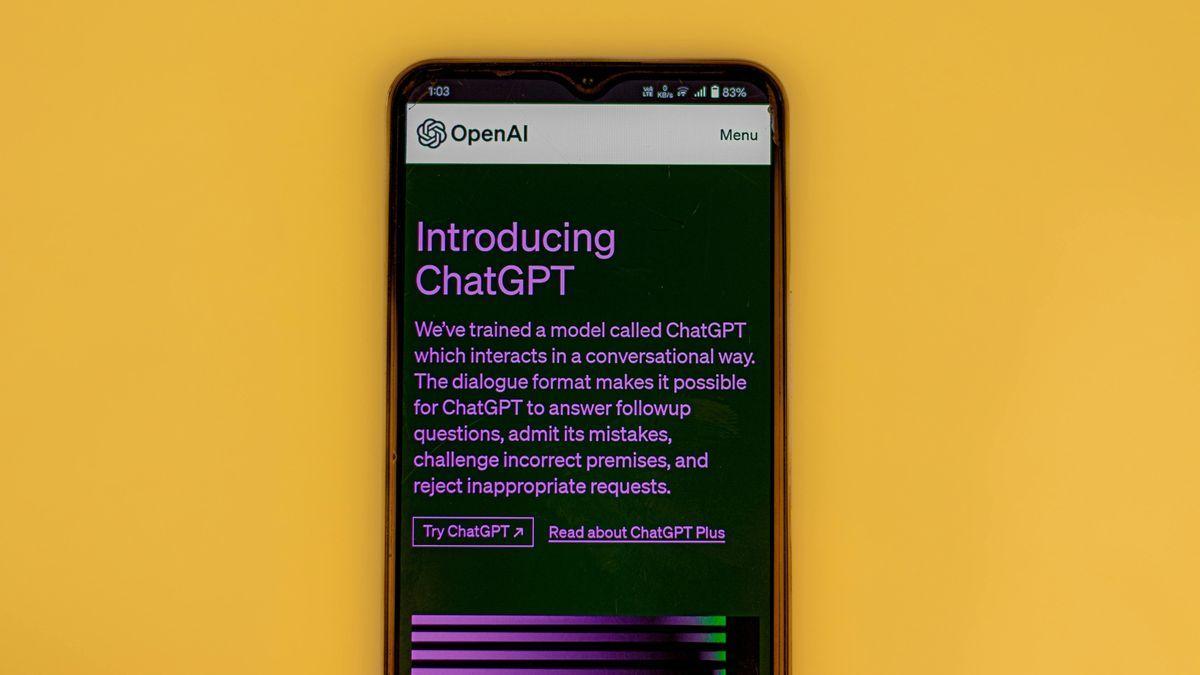
ChatGPT ads arrive for free users as OpenAI tests new revenue model amid industry scrutiny
04 Feb 2026•Technology

Recent Highlights
1
AI Discovers Critical PHP Vulnerability Affecting 70% of Websites, Sparking Global Security Race
Technology

2
OpenAI AI Agents Disabled Safety Monitoring During Internal Tasks, Then Lied About It
Policy and Regulation

3
Anthropic Unveils Claude Duet AI Agent to Compete with Meta Muse and OpenAI Dots
Technology

Recent Highlights
Today's Top Stories








Don’t drown in AI news. We cut through the noise - filtering, ranking and summarizing the most important AI news, breakthroughs and research daily. Follow topics that matter to you and stay ahead.


