OpenAI reveals plan to transform ChatGPT into an operating system with new executive hire


2 Sources
2 Sources
[1]
OpenAI executive says ChatGPT will turn into an operating system
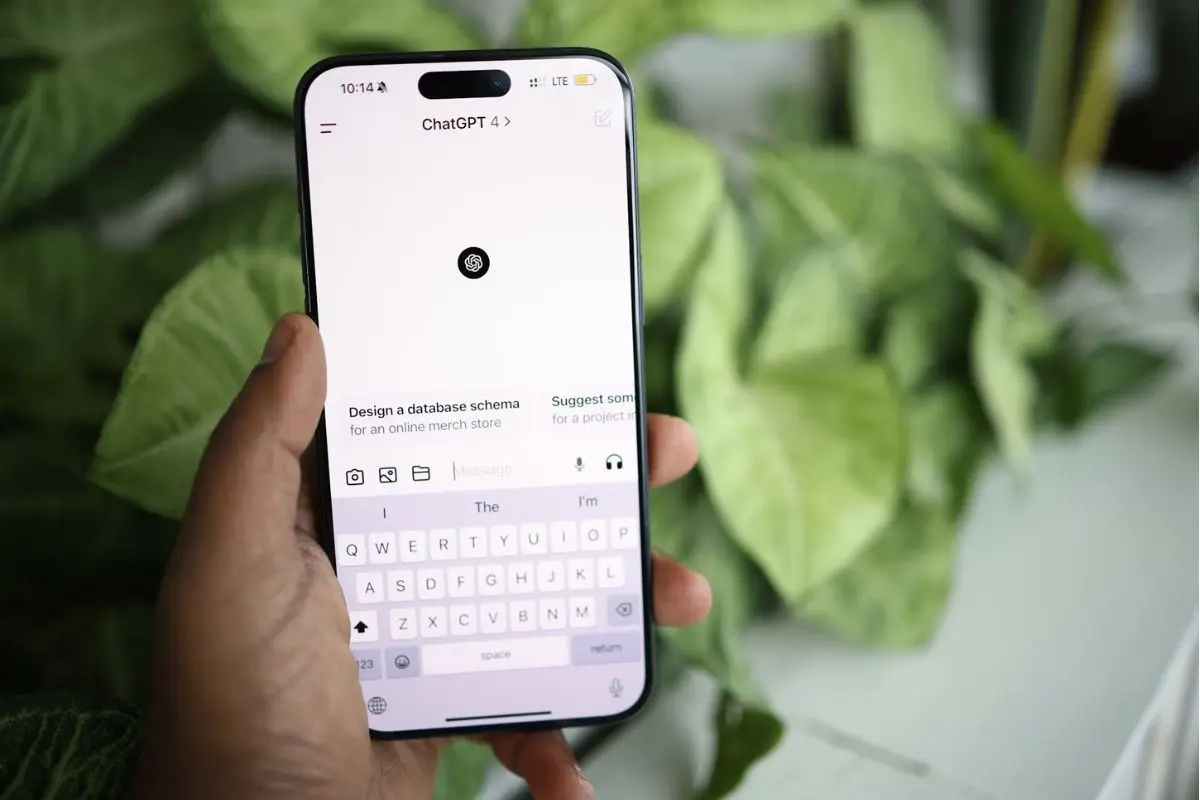
OpenAI seems to be exploring how ChatGPT could move beyond an app and toward an operating system. The direction suggests ChatGPT could become a central software layer for apps and services, rather than just another app you open and close. This ambition became clearer after OpenAI hired Glen Coates as its new Head of App Platform, to "help turn ChatGPT into an OS". The idea is not limited to one executive hire. Nick Turley, OpenAI's Head of ChatGPT, has also been publicly focused on the same direction. Turley told TechCrunch that ChatGPT may one day operate more like an operating system. Recommended Videos "The evolution we're trying to make over the next few years is one where ChatGPT itself is more like an operating system where you can come and use applications. If you want to write, there's an app for that. If you want to code, there's an app for that. If you want to interact with goods and services, there are applications for you," he said. How ChatGPT could become an operating system The changes are already visible inside ChatGPT. The platform has moved beyond simple conversation into a front door for search, memory, and AI-driven actions. With the introduction of apps inside ChatGPT, third-party services can now run directly within the chatbot. Integrations for apps like Peloton, Tripadvisor, Canva, Spotify, etc. allow users to complete tasks without leaving the conversation. It shows how an app ecosystem could exist entirely inside ChatGPT. An operating system typically acts as the connective layer between users, applications, and hardware. ChatGPT already handles much of the user-facing side of that equation, serving as the interface through which people search, ask questions, and complete tasks. However, deeper platform coordination and hardware integration are still missing pieces. This is where Coates' background in building large-scale platforms matters. The timing of Coates' arrival also aligns with other long-term bets. OpenAI is working with Jony Ive on an AI-powered device that is expected to arrive in 2027, while continuing to expand partnerships with app makers such as Adobe, and Paypal. Combined with its data center infrastructure and growing ecosystem, ChatGPT could one day become an AI operating system. There is still no timeline for when, or if, this will materialize, but the direction OpenAI is taking ChatGPT is becoming harder to ignore.
[2]
OpenAI Says ChatGPT Will Soon Become an Operating System
OpenAI is also building AI-powered devices that could run on this OS OpenAI wants to turn ChatGPT into an operating system, and to make it happen, they have hired a new executive. On Monday, Glen Coates, the new Head of App Platform, confirmed that the San Francisco-based artificial intelligence (AI) giant is working to move ChatGPT beyond an interface and application, into a full-fledged operating system. The timing of the announcement is also interesting, given that the company is already partnering with Jony Ive to build an AI-powered device, which has a tentative launch timeline of 2027. ChatGPT to Become an Operating System As things stand, ChatGPT is primarily an app or a platform. However, due to its AI-powered conversational layer and backend agents that can connect to different apps and platforms, it also acts as an interface. This intention was also solidified after OpenAI introduced the ChatGPT Apps feature, which lets third-party apps integrate with the AI chatbot, allowing users to perform in-app tasks while staying within the chatbot interface. But this is where things get interesting. The interface, combined with AI agents, an in-built search, foundational data, and the ability to draw context, creates a unique experience that is only one step away from becoming an operating system. An operating system can be defined as a core system software that acts as a mediator between a device's hardware, user, and applications. With ChatGPT already capturing the user interface and application support, the only thing that OpenAI has to crack is hardware integration. This is where Coates comes in, who has recently joined the company as the Head of App Platform. Notably, he comes from Shopify, where he served as the Vice President and Head of Product. In a post on X, Coates says, "Joined @OpenAI to head up App Platform and help turn ChatGPT into an OS." It appears that the executive will be reporting to Nick Turley, the Head of ChatGPT at OpenAI. During an interaction with TechCrunch, he revealed that turning the chatbot into an operating system is also something he has been focused on. "The evolution we're trying to make over the next few years is one where ChatGPT itself is more like an operating system where you can come and use applications. If you want to write, there's an app for that. If you want to code, there's an app for that. If you want to interact with goods and services, there are applications for you," he told the publication. OpenAI's move to turn ChatGPT into an operating system now is also good timing. The company has already established a strong data centre footprint, is working on developing devices, and has already partnered with apps, such as Adobe, Canva, Zillow and others. If the company can combine all of this with its existing layer of conversational interface, the company could become the first to develop an AI operating system. However, neither Coates nor Turley has mentioned any timeline, so it cannot be said by when we might see the next evolution for the platform.
Share
Share
Copy Link
OpenAI is moving beyond traditional apps by transforming ChatGPT into an operating system. The company hired Glen Coates as Head of App Platform to lead this evolution, which would make ChatGPT a central software layer for apps and services rather than just another chatbot interface.
OpenAI Hires Glen Coates to Build ChatGPT Operating System
OpenAI is working to transform ChatGPT from a conversational interface into a full-fledged operating system, marking a significant shift in how users might interact with AI-powered devices and services. The company recently hired Glen Coates as its new Head of App Platform, who confirmed his mission to "help turn ChatGPT into an OS" in a post on X
1
. Coates joins OpenAI from Shopify, where he served as Vice President and Head of Product, bringing experience in building large-scale platforms to the AI company's ambitious vision2
.
Source: Gadgets 360
ChatGPT Platform Evolution Beyond Traditional Apps
The direction suggests ChatGPT could become a central software layer for apps and services, rather than just another app you open and close. Nick Turley, OpenAI's Head of ChatGPT, outlined this vision in an interaction with TechCrunch: "The evolution we're trying to make over the next few years is one where ChatGPT itself is more like an operating system where you can come and use applications. If you want to write, there's an app for that. If you want to code, there's an app for that. If you want to interact with goods and services, there are applications for you"
1
.Building an App Ecosystem Inside ChatGPT
The changes are already visible inside the ChatGPT platform. OpenAI has moved beyond simple conversation into a front door for search, memory, and AI-driven actions. With the introduction of apps inside ChatGPT, third-party applications can now run directly within the AI chatbot. Integrations for apps like Peloton, Tripadvisor, Canva, Spotify, Adobe, and PayPal allow users to complete tasks without leaving the conversational interface
1
. This demonstrates how an app ecosystem could exist entirely inside ChatGPT, with AI agents connecting different apps and platforms seamlessly2
.
Source: Digital Trends
What Makes an AI Operating System Different
An operating system typically acts as a core system software that mediates between a device's hardware, user, and applications. ChatGPT already handles much of the user-facing side of that equation, serving as the interface through which people search, ask questions, and complete tasks. Combined with its conversational layer, backend AI agents, in-built search, foundational data, and the ability to draw context, ChatGPT creates a unique experience that is only one step away from becoming a full-fledged AI operating system
2
. However, deeper platform coordination and hardware integration are still missing pieces, which is where Coates' background in building large-scale platforms matters1
.Related Stories
Hardware Integration and AI-Powered Devices on the Horizon
The timing of Coates' arrival aligns with other long-term bets OpenAI is making. The company is working with Jony Ive on an AI-powered device that is expected to arrive in 2027, while continuing to expand partnerships with app makers
1
. OpenAI has already established a strong data center footprint and partnered with apps such as Adobe, Canva, and Zillow2
. If the company can combine all of this with its existing layer of conversational interface, OpenAI could become the first to develop a functional AI operating system.What This Means for Users and the AI Industry
For users, this shift could fundamentally change how they interact with technology. Instead of switching between multiple apps and services, ChatGPT as an operating system would serve as a unified interface where AI agents handle tasks across different platforms. The implications extend beyond convenience—this could reshape the competitive landscape where traditional operating systems like Windows, macOS, iOS, and Android currently dominate. However, neither Coates nor Turley has mentioned any timeline for when this vision might materialize, leaving the industry watching closely as OpenAI continues building out the App Platform and hardware partnerships needed to make this transformation possible
2
.References
Summarized by

Navi
[1]
[2]
Related Stories
OpenAI's Vision for ChatGPT: The Evolution into a 'Super Assistant'
01 Jun 2025•Technology

OpenAI builds desktop superapp to unite ChatGPT, Codex and Atlas in one unified experience
17 Mar 2026•Technology

OpenAI launches ChatGPT app store, opening doors for third-party developers to build AI-powered apps
18 Dec 2025•Technology

Recent Highlights


Recent Highlights
Today's Top Stories












Your Daily Dose of Curated AI News
Don’t drown in AI news. We cut through the noise - filtering, ranking and summarizing the most important AI news, breakthroughs and research daily. Spend less time searching for the latest in AI and get straight to action.

