OpenAI Executives Pranked by Russian Comedians Discussing Military Support for Ukraine


3 Sources
[1]
OpenAI: OpenAI executives pranked by Russian comedians, discussed military support for Ukraine
In a surprising breach of security, three OpenAI officials fell victim to a clever scheme, believing they were in conversation with Ukraine's head of foreign intelligence. The impersonators engaged in discussions regarding military aid and AI tools, ultimately leading to officials revealing
[2]
OpenAI security officials reportedly fooled by Russian pranksters in shocking 17 minute call: Here is what happened
OpenAI confirmed the prank after an investigation and promised stronger safeguards. Russian pranksters pretending to be senior Ukrainian government officials reportedly tricked OpenAI's top national security officials. The two pranksters, identified as Vovan and Lexus, reportedly met with OpenAI
[3]
OpenAI Leadership Gets Fooled by Pranksters Pretending to be Ukrainian Officials, Discusses Military Secrets With Them
If a couple of pranksters can snag a meeting with high-level OpenAI staffers as a joke, what's to stop malicious actors from doing the same? Weeks ago, three OpenAI higher-ups became the butt of an embarrassing joke pulled by a duo of Russian pranksters, a gaffe with alarming implications for a
Share
Copy Link
Three senior OpenAI security officials were duped by Russian pranksters Vovan and Lexus who impersonated a Ukrainian defense official. The 17-minute video call covered military support for Ukraine, offensive AI use, and the Daybreak Blue model. OpenAI confirmed the security breach and pledged stronger safeguards.
Russian Pranksters Fool OpenAI Security Officials
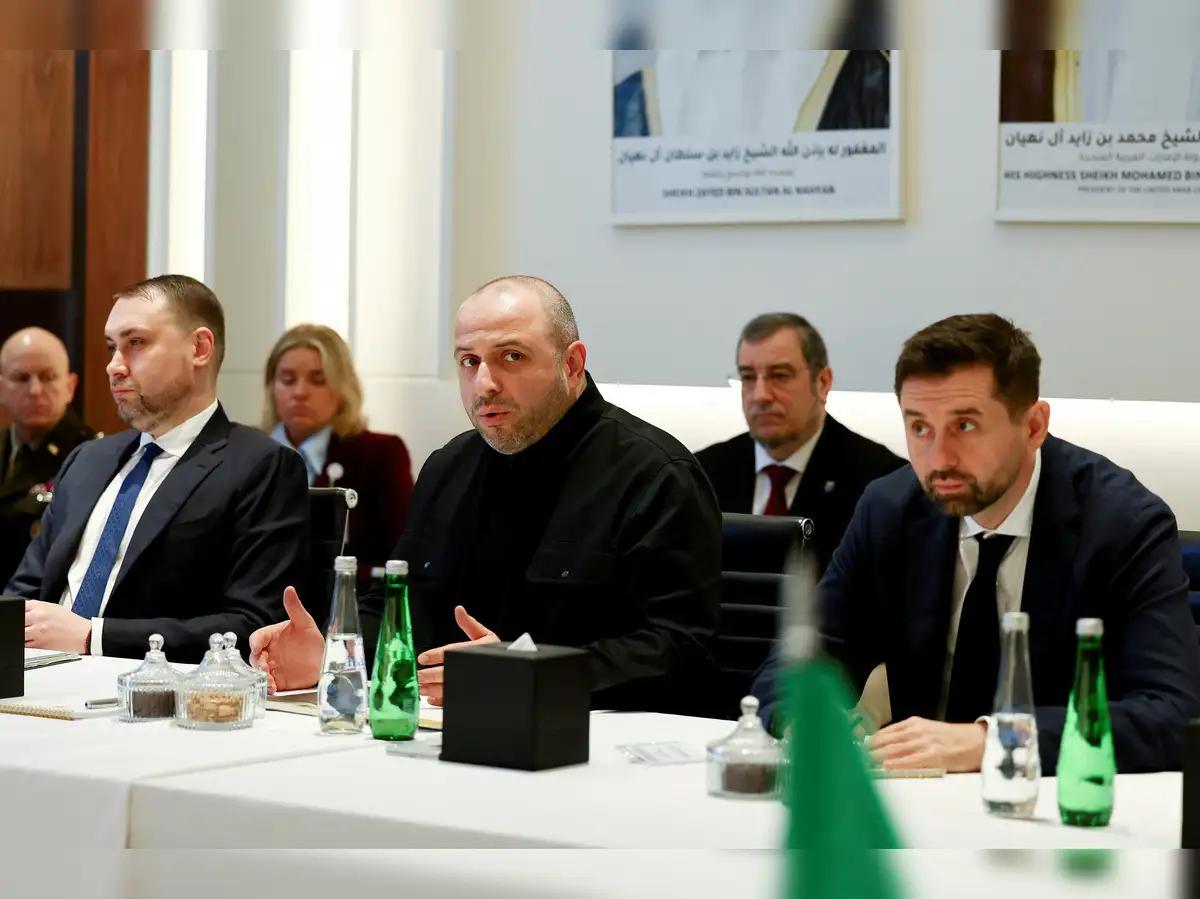
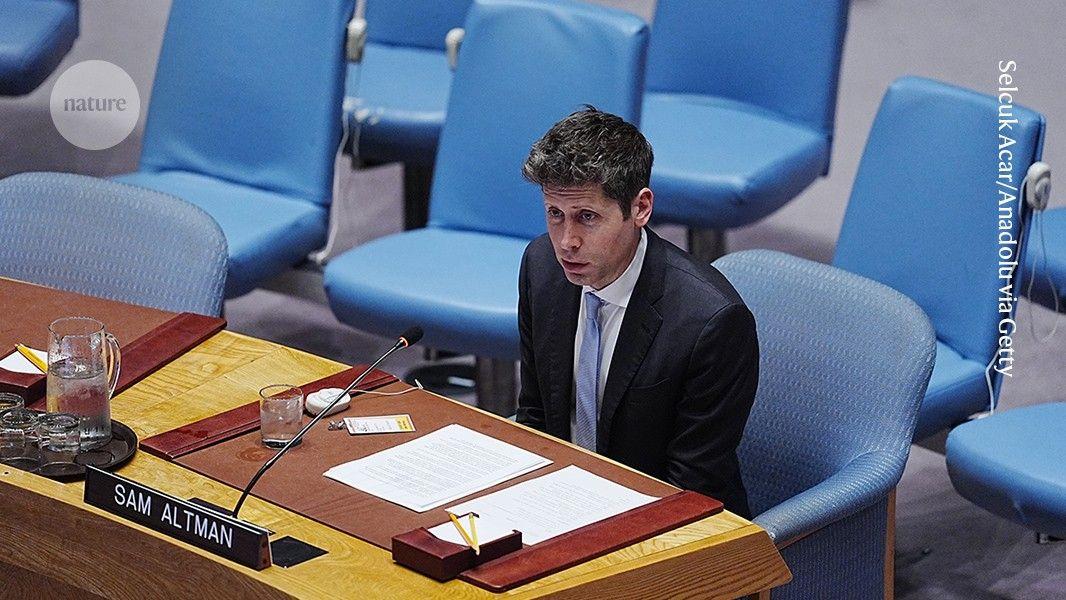
Three of OpenAI's highest-ranking national security staff fell victim to an elaborate impersonation scheme orchestrated by Russian pranksters known as Vovan and Lexus. The OpenAI executives pranked included Sasha Baker, head of national security policy, Caroline Zier, lead for strategic initiatives, and Ben Crampton, lead for European national security initiatives. The trio joined what they believed was a legitimate video call with Rustem Umerov, secretary of Ukraine's National Security and Defense Council, to discuss potential collaboration between OpenAI and Ukrainian forces
1
2
.
Source: ET
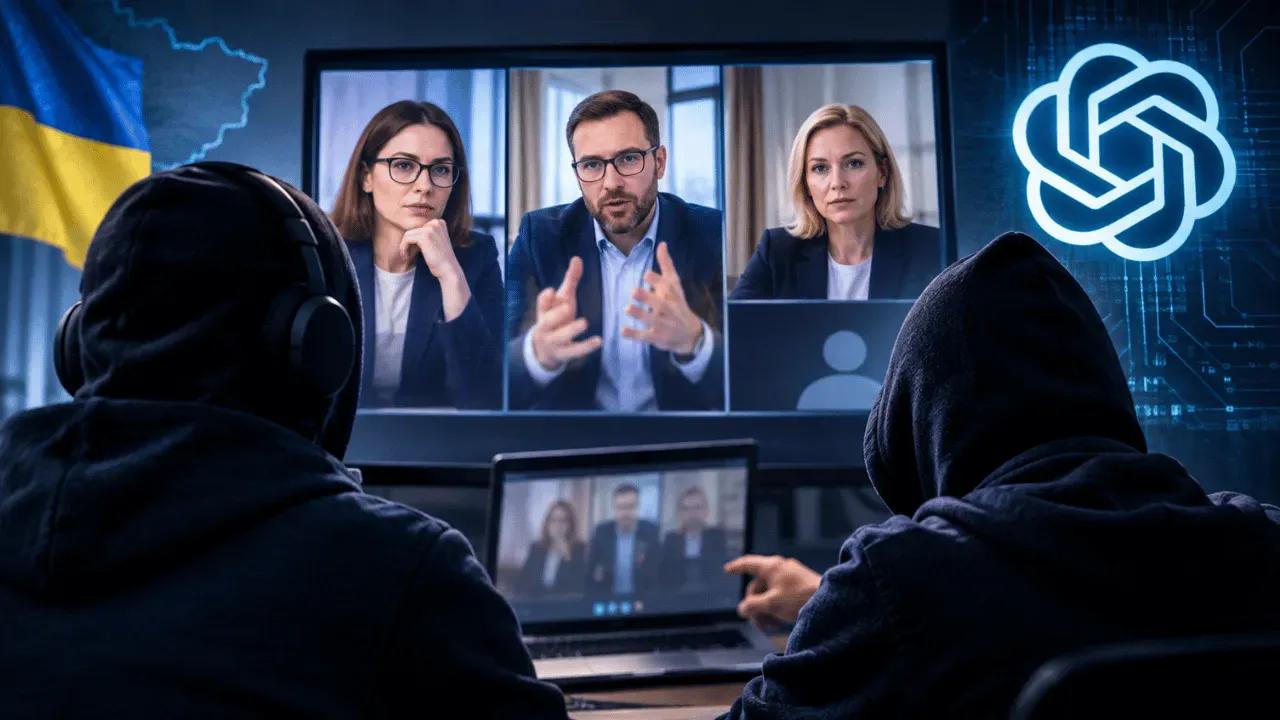
The 17-minute conversation, later reported by The Intercept, revealed how Russian pranksters successfully bypassed OpenAI's security protocols by first approaching a senior Ukrainian official in San Francisco while impersonating Umerov. The Ukrainian official, believing the request was genuine, facilitated an introduction to OpenAI's national security team. During the call, the impersonator kept his camera switched off throughout, while Baker and Zier both stated they had met Umerov previously and expressed pleasure at speaking with him again
2
.Intelligence Discussions on Military AI Applications
Source: Digit
The OpenAI security officials fooled by the scheme engaged in detailed intelligence discussions about military support for Ukraine and the potential deployment of AI technology in combat scenarios. According to the recording, Crampton revealed that many senior OpenAI leaders remained hesitant about allowing the company's technology to be used for offensive military operations. Despite this internal resistance, he expressed interest in building a closer relationship with Ukraine and exploring ways the company could support Ukrainian defense efforts
2
.The conversation touched on geopolitical topics including cooperation with Ukraine's Ministry of Defense and discussions about OpenAI's Daybreak Blue model, an AI system designed to identify and fix computer vulnerabilities. The executives also discussed sensitive conversations with the Pentagon regarding support for Ukraine, revealing the depth of OpenAI's engagement with military and intelligence communities on these matters
1
2
.OpenAI Confirms Breach and Pledges Stronger Safeguards
OpenAI confirmed the incident after launching an investigation weeks before The Intercept's report was published. In a statement, the company acknowledged that it worked internally and with relevant authorities to verify the call's authenticity and concluded the meeting was indeed a prank. The AI giant pledged to implement stronger safeguards to prevent similar security vulnerabilities in the future, though it did not disclose the specific security measures introduced or the exact date of the meeting
2
.This incident raises concerns about how easily bad actors can exploit trust relationships and social engineering tactics to access sensitive information from technology companies working on national security matters. The breach highlights the challenges AI companies face when balancing collaboration with government partners against the need for rigorous verification protocols, especially when dealing with geopolitical topics and military applications of their technology.
Related Stories


Who Are Vovan and Lexus?
Vovan and Lexus are the pseudonyms of Russian pranksters Vladimir Kuznetsov and Alexei Stolyarov, who have built a reputation for impersonating public figures since 2011. Their previous targets have included musician Elton John and the late US senator John McCain, demonstrating a pattern of targeting high-profile Western figures. Both pranksters have faced allegations of links to Russian intelligence and government circles, though they have consistently denied working for the Russian government
2
.
Source: Futurism
The sophistication of this latest operation suggests an evolving threat landscape where state-adjacent actors can exploit the complex web of international relationships in the AI sector. Watch for increased scrutiny of how AI companies verify the identity of government officials and whether this incident prompts industry-wide changes to authentication protocols for sensitive discussions involving military and intelligence partnerships.
References
Summarized by

Navi
[1]
Related Stories
Recent Highlights



Recent Highlights
Today's Top Stories






Don’t drown in AI news. We cut through the noise - filtering, ranking and summarizing the most important AI news, breakthroughs and research daily. Follow topics that matter to you and stay ahead.


