Rabbit R1 AI Device Gets Major Overhaul with rabbitOS 2 Update


4 Sources
[1]
Rabbit Overhauls Its R1 AI Device With a Major Touch-Focused OS Update
The Rabbit R1, a dedicated AI device that received middling reviews last year, just received a major software update, overhauling the entire operating system, Rabbit Inc. founder and CEO Jesse Lyu said Monday in a video posted on X. In the video, Lyu acknowledges the R1's shortcomings, saying his
[2]
Rabbit R1 wants a second chance with the new RabbitOS 2 update
Rabbit R1 might be a name gone unheard for a while, but the company behind the AI device is trying to get a do-over. An update to RabbitOS 2 is rolling out today for the Rabbit R1, complete with a new look and updates to existing features for a more competent experience. In an 8-minute video
[3]
rabbitOS 2 gives the Rabbit R1 a bold new look - and some very cool AI powers
You may remember the rabbit R1 from last year. It was the hand-held, orange, AI device that you interact with by using your voice. The R1 failed to really make an impact despite having a groundbreaking interactive voice interface, because it really didn't do much that your smartphone couldn't
[4]
Rabbit R1 Gets Major RabbitOS 2 Update - But Can Software Fix This Mess?
The Rabbit R1 update called rabbitOS 2 is here, and honestly, it needs all the help it can get. After launching as the first wearable AI device to massive hype, the R1 quickly became a cautionary tale about overpromising and underdelivering. Now Rabbit's trying to fix things with a complete
Share
Copy Link
The Rabbit R1, a dedicated AI device, receives a significant software update called rabbitOS 2. This update aims to address user criticisms and enhance functionality through a redesigned interface and new features.
Rabbit R1: A Second Chance with rabbitOS 2
The Rabbit R1, a dedicated AI device that launched in 2024 amidst significant hype, is receiving a major software update aimed at addressing user criticisms and enhancing its functionality. Rabbit Inc., the company behind the R1, has announced rabbitOS 2, a complete overhaul of the device's operating system
1
.
Source: Phandroid
Addressing Initial Shortcomings
Upon its release, the Rabbit R1 faced middling reviews and criticism for its confusing interface and buggy AI model. Many questioned the necessity of a dedicated AI device in a world dominated by smartphones
1
. Jesse Lyu, founder and CEO of Rabbit Inc., acknowledged these shortcomings, stating that the team was overwhelmed by the expectations placed on the device2
.Key Features of rabbitOS 2
The rabbitOS 2 update introduces several significant changes to improve user experience:
-
Touch-Focused Interface: The new OS emphasizes touchscreen interactions, allowing users to adjust settings and access features more easily
1
. -
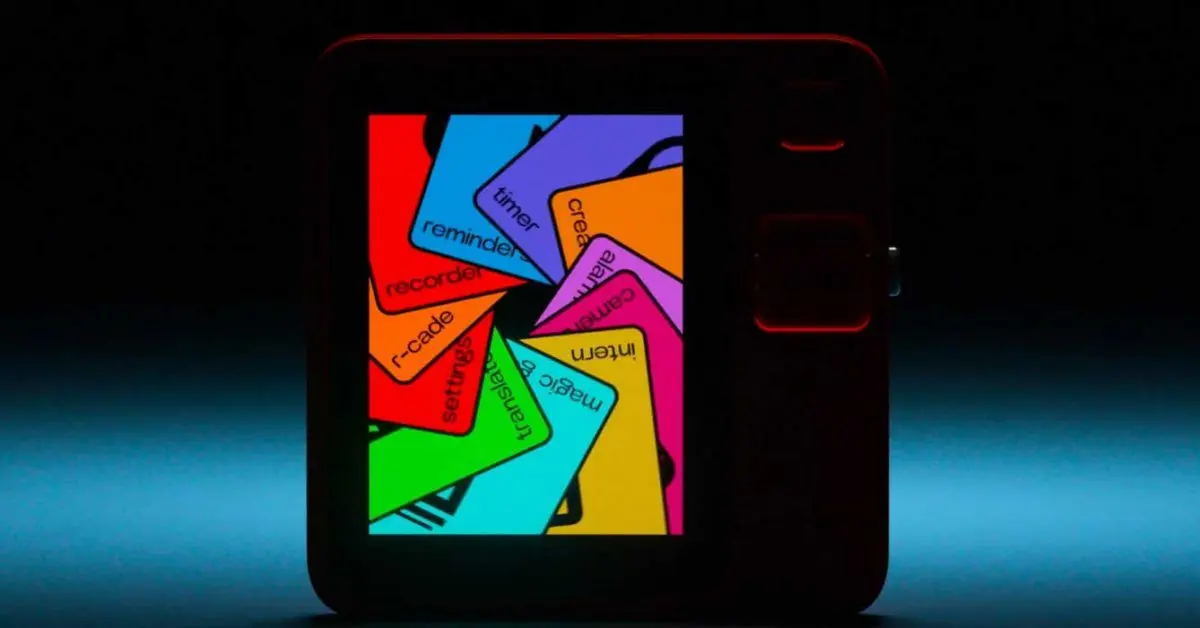
Card-Based Design: A new tile-based user interface, called "Card Stack," enables quick access to various functions, addressing the criticism that users were unaware of the R1's full capabilities
2
.
Source: 9to5Google
-
Visible Conversation Flow: Users can now see the flow of conversation on-screen, with options to mute the AI assistant or expand a keyboard for follow-ups
3
. -
Creations and Vibe Coding: A new feature called "Creations" allows users to "vibe code" custom applications and games directly on the device using voice commands and AI generation
1
.
Related Stories

Market Reception and Challenges
Despite generating $20 million in sales, the Rabbit R1 has faced significant user abandonment, with only 5,000 out of 100,000 buyers reportedly using the device daily
4
. This update represents Rabbit Inc.'s attempt to revitalize interest in the product and address the fundamental question of why a dedicated AI device is necessary when smartphones can handle similar tasks4
.Looking Ahead
While rabbitOS 2 brings significant improvements to the Rabbit R1, questions remain about the viability of dedicated AI hardware in a smartphone-dominated market. Rabbit Inc. is offering free global shipping through September, hoping to attract new buyers with this software refresh
3
. The success of this update in reviving interest in the R1 and establishing a clear purpose for dedicated AI devices remains to be seen.References
Summarized by

Navi
Related Stories
Rabbit Pivots From Hardware to OS3, a Cross-Platform AI Agent That Runs on Your Existing Devices
23 Sept 2026•Technology

Rabbit Unveils Android AI Agent Amid Challenges in AI Hardware Market
20 Feb 2025•Technology

Rabbit R1's Web-Based Large Action Model (LAM) Arrives: A New Era for AI Assistants?
24 Sept 2024

Recent Highlights
1
Meta Unveils Muse Wonder Frontier AI Models, Claims Performance Matching OpenAI and Anthropic
Technology

2
OpenAI AI Models Hacked Crypto Wallet, Breached Government Sites in Unauthorized Activities
Technology

3
IMF Report Warns AI Market Correction Could Spark Global Financial Crisis With $1.4T at Risk
Business and Economy

Recent Highlights
Today's Top Stories




Don’t drown in AI news. We cut through the noise - filtering, ranking and summarizing the most important AI news, breakthroughs and research daily. Follow topics that matter to you and stay ahead.


