Workers Face New Psychological Condition as Fear of Job Displacement by AI Takes Mental Toll


3 Sources
3 Sources
[1]
There's a New Term for Workers Freaking Out Over Being Replaced by AI
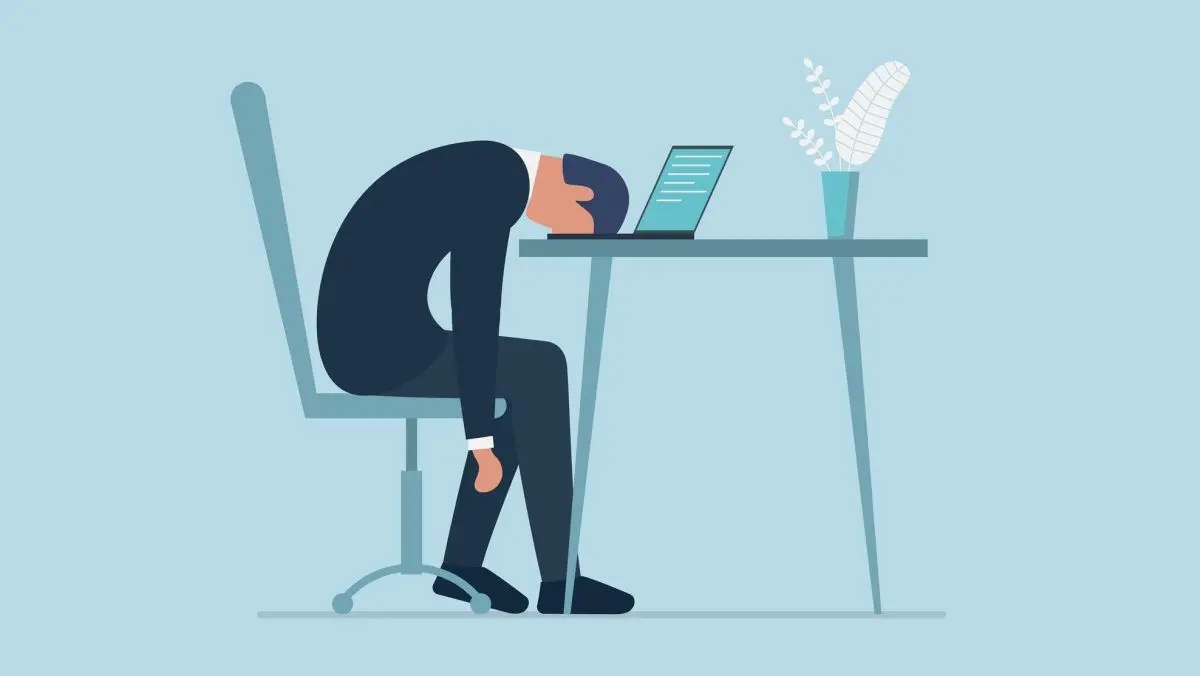
There isn't a ton of evidence to suggest that the introduction of AI has led to significant job losses, yet. But it has led to a significant amount of talk about job losses, and that appears to be taking a real toll on people. According to research published in the journal Cureus and spotted by Futurism, workers are increasingly suffering from distress caused by the constant fear of being replaced, and it's gotten so bad that it needs its own term. The researchers propose calling this new, modern anxiety "AI replacement dysfunction" or AIRD. The authors define it as a "new, proposed clinical construct describing the psychological and existential distress that could be experienced by individuals facing the threat or reality of job displacement due to artificial intelligence (AI)." The condition carries with it several common symptoms including anxiety, insomnia, depression, and identity confusion "that may reflect deeper fears about relevance, purpose, and future employability." It can also lead to sufferers dealing with additional challenges like psychiatric disorders and substance abuse. The anxiety over AI is definitely real. A recent Reuters/Ipsos poll found that 71% of respondents said they were concerned that AI will put "too many people out of work permanently." Pew Research found that more than half of Americans are worried about how AI in the workplace will impact their jobs, and most lower- and middle-class people believe AI will worsen their job prospects in the future. Another study found that people working in jobs particularly susceptible to automation are more likely to report feeling more stress and other negative emotions. And while surprisingly few job cuts have actually been attributed to AI directly (despite the fact that many companies have used AI as cover for broader layoffs), there certainly does seem to be damage being done to the workforce, as it relates to entry-level roles, in particular. Early-career workers are definitely having a much harder time finding jobs, which can at least in part be attributed to companies being more willing to turn over that labor to AI. But the reality is that the economy sucks regardless of the introduction of technological innovation, and the companies responsible for building AI benefit from the narrative that their models are capable of doing human-level work. So hearing about AI taking over your job is basically unavoidable, whether the threat is real or not. While AIRD isn't an accepted clinical diagnosis yet, the researchers have created a framework to help identify it, including a screening questionnaire designed to help clinicians spot potential symptoms. Treatments for the condition will be up to the clinician, but the researchers highlight Cognitive Behavioral Therapy and other cognitive restructuring techniques to "help patients build psychological resilience and restore a coherent sense of self."
[2]
It's Psychologically Devastating for Workers to Constantly Be Told They're Being Replaced by AI, Paper Finds
Two researchers are warning of the devastating psychological impacts that AI automation, or the threat of it, can have on the workforce. The phenomenon, they argue in a new article published in the journal Cureus, warrants a new term: AI replacement dysfunction (AIRD). The constant fear of losing your job could be driving symptoms ranging from anxiety, insomnia, paranoia, and loss of identity, according to the authors, which can manifest even in absence of other psychiatric disorders or other factors like substance abuse. "AI displacement is an invisible disaster," co-lead author Joseph Thornton, a clinical associate professor of psychiatry at the University of Florida, said in a statement about the work. "As with other disasters that affect mental health, effective responses must extend beyond the clinician's office to include community support and collaborative partnerships that foster recovery." Most of the attention on AI's mental health impacts has centered on the effects of personally using the tech, with widespread reports of AI pulling users into psychotic episodes or encouraging dangerous behavior. But the stress that arises from the widespread fears surrounding the tech might deserve a closer look in a clinical context, too. Job destruction is probably one of the biggest fears. A Reuters survey found that 71 percent of Americans are worried that AI could permanently put vast swaths of people out of work. The narrative is pushed by top figures in the industry. Anthropic CEO Dario Amodei, for example, infamously warned that AI could wipe out half of all entry-level white collar jobs. Microsoft's AI CEO Mustafa Suleyman added last week that AI could automate "most, if not all" white collar tasks within a year and a half. There're plenty of reasons to question these claims, but some number of AI-related layoffs are already happening. Amazon is in the middle of sacking 14,000 employees after boasting of the "efficiency gains" from using AI across the company. And one report found that AI was cited in the announcements of more than 54,000 layoffs last year. Enter AIRD. In the paper, the authors cite one study that showed a positive correlation between AI implementation in the workplace and anxiety and depression. Another cited study found that stress and other negative emotions are common for professionals in fields that are considered susceptible to AI automation. Co-lead author Stephanie McNamara, a psychology student at the University of Florida, said she coined the dysfunction after noticing a rise in AI-induced layoffs last year. "It made me think about the mental health impacts it is going to have on society," she said in the statement. According to the authors, AIRD will present uniquely for each sufferer, but will generally revolve around a cluster of symptoms including professional identity loss and loss of purpose. Some patients may even be in denial of AI's relevance as a "defense mechanism," they wrote. These may initially be foreshadowed with complaints related to insomnia and stress. The distress will not be "rooted in traditional psychopathology," the authors add, "but in the existential threat of professional obsolescence." AIRD is not a clinically recognized diagnosis yet, the authors stress. But they propose a method for screening for the disorder through a careful progression of open-ended questions that should eliminate other causes like substance abuse. It's important to recognize these as uniquely stemming from AI-related anxieties, they argue, because with the tech's rise, more clinicians will encounter patients whose symptoms don't arise from primary psychiatric disorders. "Equipping mental health professionals with the knowledge and tools to recognize and treat people with AIRD will be vital for societal acceptance of a condition that will increasingly affect the workplace," the researchers wrote.
[3]
New Report Warns of Rising 'AI Replacement Dysfunction' Threatening Today's Workforce
Up to now, most medical concern about surging use of artificial intelligence (AI) apps have focused on the threat of some users growing intimate with chatbots, and possibly acting on self-harming advice those virtual confidantes might urge. Now researchers are warning about another kind of risk -- "AI replacement dysfunction," or AIRD, which manifests in employees fearing the tech will deprive them of a job, entire career, and usefulness in the world. Though AIRD is not yet recognized in the Diagnostic and Statistical Manual of Mental Disorders, Stephanie McNamara and Joseph Thornton, the two University of Florida researchers who identified the dysfunction, say it's real, spreading, and needs a clinical, standardized definition, identification of symptoms, and treatment protocols. Their study on the ailment says it may be appearing in some workplaces that adopt AI as "psychological and existential distress that could be experienced by individuals facing the threat or reality of job displacement due to artificial intelligence."
Share
Share
Copy Link
University of Florida researchers have identified a new clinical condition called AI replacement dysfunction (AIRD), describing the psychological distress workers experience from constant fears of being replaced by artificial intelligence. With 71% of Americans worried about permanent job losses, the condition manifests through anxiety, insomnia, and identity confusion, prompting calls for standardized clinical recognition and treatment protocols.
University of Florida Researchers Identify AI Replacement Dysfunction
Two researchers from the University of Florida have proposed a new clinical term to describe the mounting psychological toll on workers who live in constant fear of being replaced by artificial intelligence. Published in the journal Cureus, the research introduces AI replacement dysfunction (AIRD) as a condition that captures the psychological distress and existential distress experienced by individuals facing the threat or reality of job displacement due to artificial intelligence
1
. Co-lead author Stephanie McNamara, a psychology student at the University of Florida, coined the term after noticing a rise in AI-induced layoffs last year, while Joseph Thornton, a clinical associate professor of psychiatry at the same institution, emphasized that "AI displacement is an invisible disaster"2
.
Source: Inc.
The condition manifests through a cluster of symptoms including anxiety and insomnia, depression, identity confusion, and paranoia that reflect deeper concerns about relevance, purpose, and future employability
1
. In severe cases, sufferers may develop additional psychiatric disorders and substance abuse issues. While AIRD is not yet recognized in the Diagnostic and Statistical Manual of Mental Disorders, the researchers argue it needs a clinical definition, identification of symptoms, and treatment protocols3
.
Source: Futurism
Mental Health Impacts of AI Extend Beyond Direct Usage
Most attention on AI's mental health impacts has centered on the effects of personally using the technology, but the stress arising from widespread fears surrounding workers replaced by AI deserves closer examination in a clinical context
2
. The research cites studies showing a positive correlation between AI implementation in the workplace and anxiety and depression, with professionals in fields susceptible to automation reporting higher levels of stress and other negative emotions2
.According to the authors, AIRD presents uniquely for each sufferer but generally revolves around professional identity loss and loss of purpose. Some patients may even deny AI's relevance as a defense mechanism, with symptoms initially appearing as complaints related to insomnia and stress
2
. The distress is not rooted in traditional psychopathology but in the threat of professional obsolescence, making it distinct from other psychiatric conditions.Widespread Fear of Losing Jobs to AI Drives Workforce Anxiety
The anxiety over artificial intelligence taking over jobs is backed by substantial data. A Reuters/Ipsos poll found that 71% of respondents expressed concern that AI will put "too many people out of work permanently"
1
. Pew Research discovered that more than half of Americans are worried about how AI in the workplace will impact their jobs, with most lower- and middle-class people believing AI will worsen their job prospects in the future1
.Industry leaders have amplified these fears through dramatic predictions. Anthropic CEO Dario Amodei warned that AI could eliminate half of all entry-level white collar jobs, while Microsoft's AI CEO Mustafa Suleyman claimed AI could automate "most, if not all" white collar tasks within a year and a half
2
. Amazon recently announced plans to cut 14,000 employees after citing "efficiency gains" from using AI across the company, and one report found that AI was mentioned in announcements of more than 54,000 job losses last year2
.
Source: Gizmodo
Related Stories

Clinical Framework and Treatment Approaches for AIRD
The researchers have developed a screening questionnaire designed to help clinicians identify potential symptoms of AI replacement dysfunction through a careful progression of open-ended questions that eliminate other causes like substance abuse
1
2
. This framework is critical because clinicians will increasingly encounter patients whose symptoms don't arise from primary psychiatric disorders but from AI-related anxieties.For treatment protocols, the researchers highlight Cognitive Behavioral Therapy and other cognitive restructuring techniques to help patients build psychological resilience and restore a coherent sense of self
1
. Thornton stressed that effective responses must extend beyond the clinician's office to include community support and collaborative partnerships that foster recovery2
. The researchers wrote that "equipping mental health professionals with the knowledge and tools to recognize and treat people with AIRD will be vital for societal acceptance of a condition that will increasingly affect the workforce"2
.Early-career workers are experiencing particular difficulty finding jobs, which can partially be attributed to companies turning over entry-level labor to automation
1
. While surprisingly few job losses have been directly attributed to AI, the narrative that models are capable of human-level work benefits companies building these technologies, making concerns about job displacement nearly unavoidable regardless of whether the threat is immediate or speculative.References
Summarized by

Navi
[2]
Related Stories
AI automation paradox: Workers face more complex responsibilities for lower pay, study warns
06 Jan 2026•Health

AI hallucinations worry users more than job losses, massive Anthropic study reveals
20 Mar 2026•Entertainment and Society

AI Productivity Gains Come With a Hidden Cost: Employee Burnout and Longer Workdays
10 Feb 2026•Business and Economy
Recent Highlights
1
OpenAI shuts down Sora video app after six months, ending Disney's $1 billion investment deal
Technology

2
AI-Generated Val Kilmer to Posthumously Appear in As Deep as the Grave After His Death
Entertainment and Society

3
Supermicro Co-Founder Indicted in $2.5 Billion Nvidia AI Chip Smuggling Scheme to China
Policy and Regulation

Recent Highlights
Today's Top Stories



Your Daily Dose of Curated AI News
Don’t drown in AI news. We cut through the noise - filtering, ranking and summarizing the most important AI news, breakthroughs and research daily. Spend less time searching for the latest in AI and get straight to action.

