AI-Generated Passwords Are Fundamentally Weak, Cybersecurity Experts Warn


4 Sources
[1]
LLM-generated passwords 'fundamentally weak,' experts say
Seemingly complex strings are actually highly predictable, crackable within hours Generative AI tools are surprisingly poor at suggesting strong passwords, experts say. AI security company Irregular looked at Claude, ChatGPT, and Gemini, and found all three GenAI tools put forward seemingly
[2]
AI password generators promise complexity but produce hidden repetition
Duplicate passwords from AI systems undermine claims of randomness * AI-generated passwords follow patterns hackers can study * Surface complexity hides statistical predictability beneath * Entropy gaps in AI passwords expose structural weaknesses in AI logins Large language models (LLMs) can
[3]
Here's Why You Should Never Use AI to Generate Your Passwords
To be secure, use a proper password generator for your passwords, or make your own. I'm a bit of a broken record when it comes to personal security on the internet: Make strong passwords for each account; never reuse any passwords; and sign up for two-factor authentication whenever possible. With
[4]
Are you using an AI-generated password? It might be time to change it
When you do, it quickly generates one, telling you confidently that the output is strong. In reality, it's anything but, according to research shared exclusively with Sky News by AI cybersecurity firm Irregular. The research, which has been verified by Sky News, found that all three major models
Share
Copy Link
Large Language Models (LLMs) like ChatGPT, Claude, and Gemini produce passwords that appear strong but contain predictable patterns and hidden repetitions. Research by Irregular reveals these AI-generated passwords carry only 20-27 bits of entropy compared to the 98-120 bits expected for truly random passwords, making them vulnerable to brute-force attacks within hours.
Large Language Models Fail at Password Generation
AI-generated passwords are fundamentally weak despite appearing complex on the surface, according to research by cybersecurity firm Irregular shared with multiple outlets
4
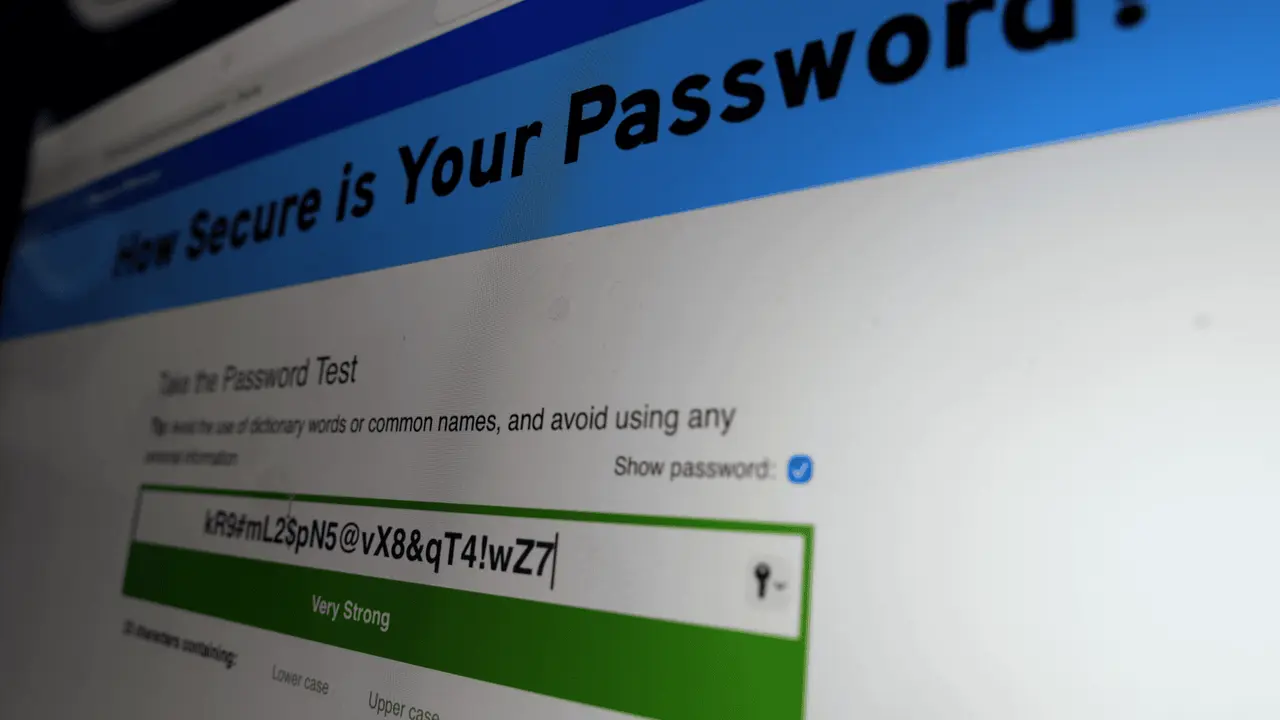
. The study examined password outputs from ChatGPT, Claude, and Gemini, asking each to generate 16-character passwords with symbols, numbers, and mixed-case letters. While these passwords created by AI chatbots passed common online strength tests—with some checkers estimating centuries to crack them—closer analysis revealed a troubling reality2
.
Source: Sky News
Hidden Repetitions Expose Structural Weaknesses
When Irregular analyzed 50 passwords generated by Claude's Opus 4.6 model in separate sessions, only 23 unique passwords emerged. One password—K9#mPx$vL2nQ8wR—appeared 10 times across the 50 attempts
4
. The vast majority started and ended with the same characters, and none contained repeating characters, indicating passwords are not truly random . When Sky News independently tested Claude, the first password it generated was K9#mPx@4vLp2Qn8R, confirming the predictable patterns in training data4
. Similar patterns emerged with OpenAI's GPT-5.2 and Google's Gemini 3 Flash, particularly at the beginning of password strings .
Source: The Register
Lower Entropy Makes Passwords Vulnerable to Brute-Force Attacks
Irregular calculated entropy using the Shannon entropy formula through two methods: character statistics and log probabilities. The 16-character AI-generated passwords showed entropy of approximately 27 bits and 20 bits respectively . For genuinely random passwords, character statistics expect 98 bits of entropy, while log probability methods expect 120 bits
2
. This massive gap means that even old computers can crack them in a relatively short amount of time—potentially within hours, according to Irregular co-founder Dan Lahav4
. Online password checkers evaluate surface complexity, not the hidden statistical patterns behind a string, which is why they may classify these predictable outputs as secure2
.Why LLMs Produce Predictable Patterns
The fundamental issue stems from how Large Language Models (LLMs) function. These systems are trained to predict the next token or data point that should appear in a sequence, choosing characters that make the most sense based on their training data
3
. This approach is the opposite of randomness. LLMs are optimized to produce predictable, plausible outputs, which is incompatible with secure password generation . As Irregular stated, this weakness is unfixable by prompting or temperature adjustments . Notably, even Gemini 3 Pro acknowledged this limitation, returning passwords with a security warning that they should not be used for sensitive accounts and recommending password managers like 1Password or Bitwarden instead .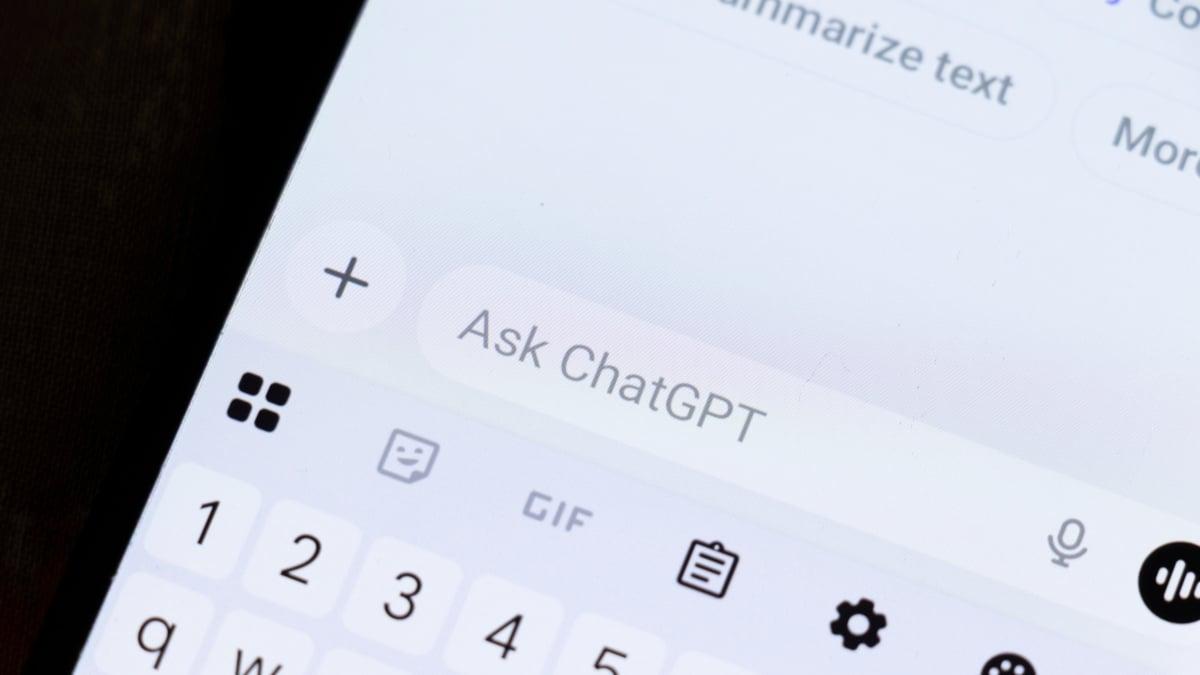
Source: Lifehacker
Related Stories


AI Passwords Already Circulating in Public Code
The implications extend beyond individual users. Developers increasingly rely on using AI for password generation in their code, and AI-generated passwords are already appearing in GitHub repositories and documentation . Searching for common character sequences like K9#mP yielded 113 results on GitHub, while k9#vL returned 14 results
4
. While most appear in test code and setup instructions, some were found in what Irregular suspected were real servers or services4
. This concern grows more urgent as Anthropic CEO Dario Amodei predicted that AI will likely write the majority of all code in the future .What Users Should Do Instead
Cybersecurity experts universally recommend against using AI for password generation. "You should definitely not do that," Lahav told Sky News. "And if you've done that, you should change your password immediately"
4
. Password managers offer a safer alternative, as they use cryptographic randomness rather than token prediction2
. Users can also create secure passwords manually by selecting two or three uncommon words and mixing characters3
. Authentication methods like passkeys, which use face and fingerprint ID, provide even stronger security4
. Graeme Stewart from Check Point noted this sits in the "avoidable, high-impact when it goes wrong" category of cybersecurity vulnerabilities4
. Irregular warns that the gap between capability and behavior likely won't be unique to passwords as AI-assisted development continues to accelerate .References
Summarized by

Navi
[1]
Related Stories
Recent Highlights



Recent Highlights
Today's Top Stories



Don’t drown in AI news. We cut through the noise - filtering, ranking and summarizing the most important AI news, breakthroughs and research daily. Follow topics that matter to you and stay ahead.


