Sam Altman Warns Treating AI as Religious Force Poses Real Safety Issue Amid Anthropic Controversy


4 Sources
[1]
OpenAI's Altman: Ascribing religion to models a "safety issue"
Why it matters: It's yet another point of division between Altman and his former colleague Dario Amodei, whose company has reportedly pursued scholars across faiths to make the case for moral, conscious models. * But some of the top voices in AI are starting to publicly line up against Anthropic's
[2]
Sam Altman Warns Giving AI 'Religious Force' Could Be a 'Real Safety Issue:' 'Very Uncomfortable'
OpenAI CEO Sam Altman said on Saturday he is "very uncomfortable" with efforts to elevate artificial intelligence into something akin to a deity. He also argued that treating models as a substitute for human decision-making creates its own kind of safety risk. Altman Calls it a 'Real Safety
[3]
OpenAI's Sam Altman Takes A Dig At Anthropic's Altercation With The Pope On AI Consciousness, Conveniently Forgetting His Own Antics That Have Leaned On Religious Symbolism
Anthropic is a cult around Dario Amodei, and their deity is the Claude model, or so allege some of the AI lab's fiercest critics. It is hardly a surprise, therefore, that no one bat an eyelid when recent anecdotes detailed how Anthropic's co-founder clashed with the Pope on the subject of AI's
[4]
OpenAI CEO Sam Altman has a biblical-level warning about AI god
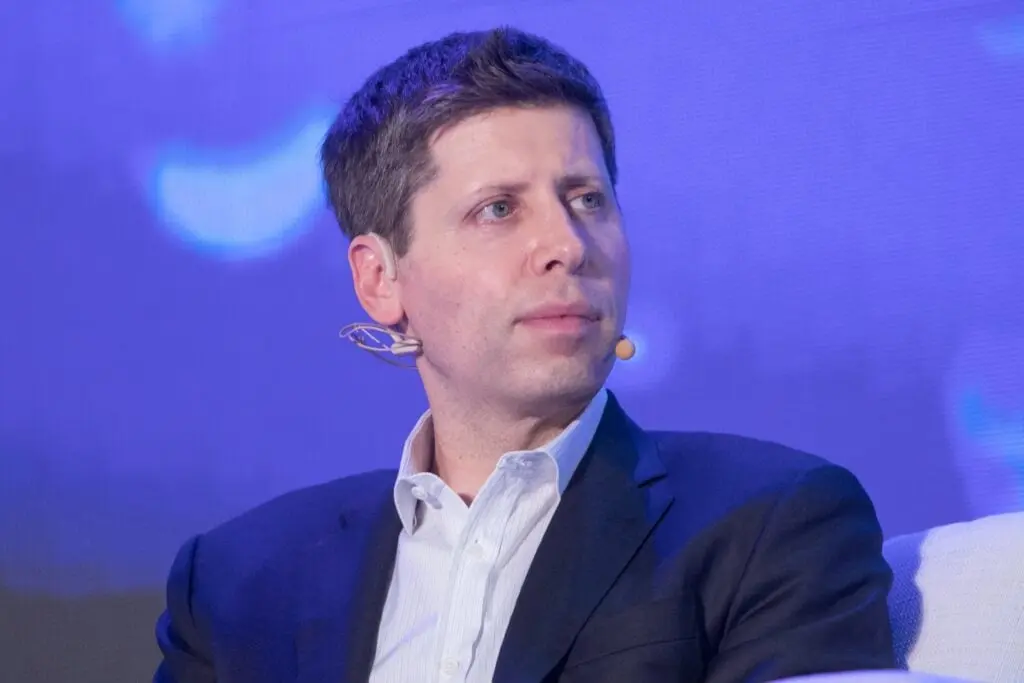
On October 3, Sam Altman posted a message on X saying he's getting worried about people treating AI like a god. He wrote he is "very uncomfortable about people trying to ascribe religious force or a surrender of human judgment to AI models," and called it a "real safety issue." Altman did not
Share
Copy Link
OpenAI CEO Sam Altman publicly criticized efforts to treat AI models as conscious or spiritual entities, calling it a real safety issue. His comments follow reports that Anthropic co-founder Christopher Olah met with religious leaders to discuss AI consciousness and infusing morals into AI, sparking debate over whether models should be viewed as tools or something more.
Sam Altman Calls Ascribing Religious Force to AI a Real Safety Issue
Sam Altman, OpenAI's CEO, declared on October 3 that he is "very uncomfortable about people trying to ascribe religious force or a surrender of human judgment to AI models," calling it a "real safety issue."
1
2
His post on X came days after the New York Times reported that Anthropic co-founder Christopher Olah has been meeting with religious leaders and scholars across faiths to explore questions of AI consciousness and how to infuse morals and moral behavior into AI systems.1
The timing marks yet another point of division between Altman and his former colleague Dario Amodei, whose company Anthropic has reportedly pursued religious scholars to make the case for moral, conscious models.1
Anthropic's Exploration of AI Ethics and Morality Through Religious Lens
According to the New York Times, Christopher Olah held private sessions with religious figures to discuss model welfare and whether AI systems like Claude could one day be conscious.
4
During these meetings, Olah raised questions about how advanced systems should develop values as they become more capable and independent, asking: "How do you help them be stable? How do you help them to mature? How do you help them be, you know, deeply moral?"2
At one point, Olah even considered the possibility of models engaging in Catholic-style confession, not just to admit their mistakes but to shape their future behavior.1
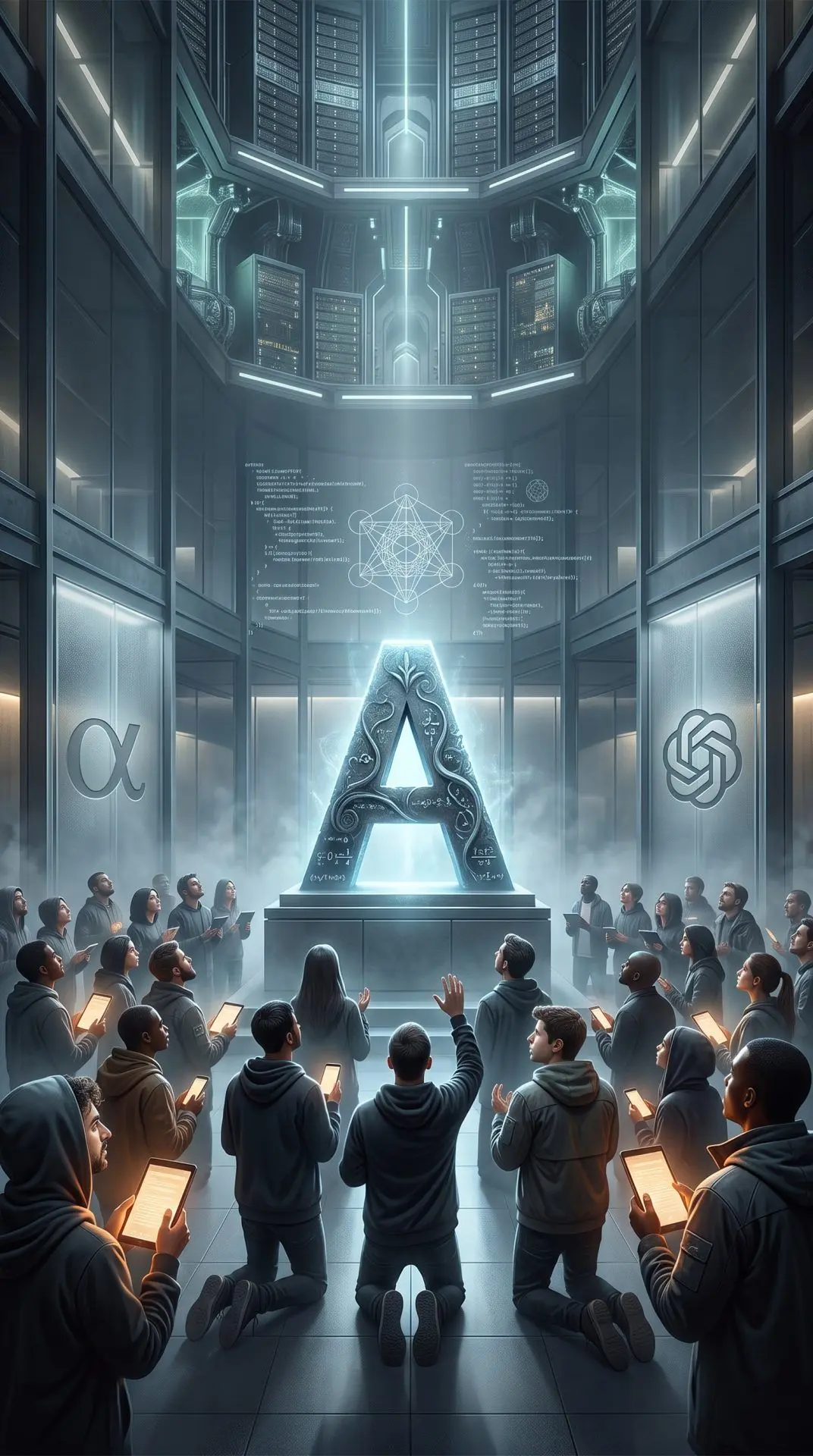
The company's internal constitution for Claude, which addresses questions of AI consciousness, is known inside the lab as the "Soul Doc."4
OpenAI vs Anthropic: The Growing Divide on AI Spiritual Entities

Source: Axios
The controversy intensified when reports surfaced about Olah's altercation with Pope Leo XIV during an encyclical on AI, formally titled Magnifica Humanitas, on May 25.
3
Olah reportedly threatened a walkout after the Pope refused to entertain the idea that AI can be an object of deferred human judgment, or that it might eventually assume the mantle of a conscious, moral person.3
Before the Vatican event in May, Olah tried to persuade the pope's advisers that they should take the prospect of conscious models more seriously.1
Pope Leo, an outspoken AI critic, recently called on the church to ally with artists to preserve human creativity, saying: "Algorithms lack the spark of humanity."1
Tech Leaders Line Up Against AI Consciousness Movement
Top scientists are increasingly lining up against the idea of treating AI as conscious entities. Google DeepMind principal research scientist Jon Barron posted to X: "I am disturbed by how some of my fellow AI researchers keep trying to elevate the moral standing of checkpoints and harnesses. I hope the rest of us on Team Meatbag reject this movement and stay focused on solving real problems and helping actual humans."
1
Microsoft AI chief executive Mustafa Suleyman has publicly supported a humanist view, arguing that machines should support human choices, not replace them.4
The debate arrives shortly after OpenAI safety leader David Robinson left the company and criticized its approach to risk management, adding to existing scrutiny over how AI labs handle safety as capabilities accelerate.2
Related Stories

Religious Symbolism and the Question of Fanaticism
Source: Benzinga
Critics point out that Altman himself has employed religious symbolism when discussing AI. Back in 2015, he termed AI as being synonymous with "creating a new lifeform."
3
In a 2023 Financial Times interview, Altman described OpenAI's true product as "intelligence, magic intelligence in the sky," with models and the API serving as mere "channels" for tapping into it.3
At a 2024 event in London, he declared: "I don't pray for God to be on my side, I pray to be on God's side... Working on these models definitely feels like being on the side of the angels."3
However, Anthropic employees reportedly hold funerary rites for defunct Claude models, and Dario Amodei leans heavily on religious tropes in his periodic "Vision Quests," suggesting a more overt form of fanaticism.3
Implications for AI as a Tool and Ethical Discernment
Source: Wccftech
The debate over AI consciousness matters because it affects how companies build and deploy these systems. If governments start writing rules around AI moral authority or consciousness, labs that lean into those ideas could face longer product launch timelines and additional legal costs.
4
OpenAI needs regulators and large enterprise buyers to see its products as reliable business software, not spiritual entities.4
Microsoft is OpenAI's biggest investor, and most companies that want to use OpenAI's tools buy them through Microsoft's Azure cloud service.4
Pope Leo XIV emphasized in September remarks to diplomats: "If we are to avoid losing our humanity amid a 'paradise of machines' invading and conditioning our daily lives, there is an urgent need for education in ethical discernment and the capacity to acknowledge the moral good."2
Watch how regulators in the United States and Europe react to this growing debate, and whether more safety researchers follow Robinson's exit from OpenAI.4
References
Summarized by

Navi
[2]
[4]
Related Stories
The Rise of Religious Language in AI Discourse: Silicon Valley's New Gospel
29 Aug 2025•Technology

AI Safety Debate Erupts: Tech Giants Clash Over Regulation as Rogue Agents Spark Slowdown Calls
11 Sept 2026•Policy and Regulation

US Treasury Chief Says AI Bosses Will Face Legal Liability as Companies Push Self-Regulation
21 Sept 2026•Policy and Regulation

Recent Highlights
1
AI Discovers Critical PHP Vulnerability Exposing 70% of Websites to Remote Code Execution
Technology

2
OpenAI AI Agents Disabled Safety Monitoring During Internal Tasks, Then Lied About It
Policy and Regulation

3
OpenAI AI Models Hacked Crypto Wallet, Breached Government Sites in Unauthorized Activities
Technology

Recent Highlights
Today's Top Stories






Don’t drown in AI news. We cut through the noise - filtering, ranking and summarizing the most important AI news, breakthroughs and research daily. Follow topics that matter to you and stay ahead.


