Samsung Galaxy S25 to Implement Content Credentials for AI-Generated Images


2 Sources
[1]
Samsung Galaxy S25 phones get Content Credentials support and I couldn't be happier for creators
The standard adds a tag and metadata to AI-edited images created on a Galaxy S25 device Most of the attention at Samsung Galaxy Unpacked was obviously being devoted to the new phones - those in the Samsung Galaxy S25 range - but there was something quite important that slipped under the radar, and
[2]
Samsung Unpacked: Samsung's Galaxy S25 will support Content Credentials to identify AI-generated images | TechCrunch
Another tidbit just dropped following Wednesday's Samsung Unpacked event. This one comes courtesy of Adobe, which notes that the new Galaxy S25 line will be the first handsets to support the Content Credentials standard, aimed at labeling AI-generated content as such. The Coalition for Content
Share
Copy Link
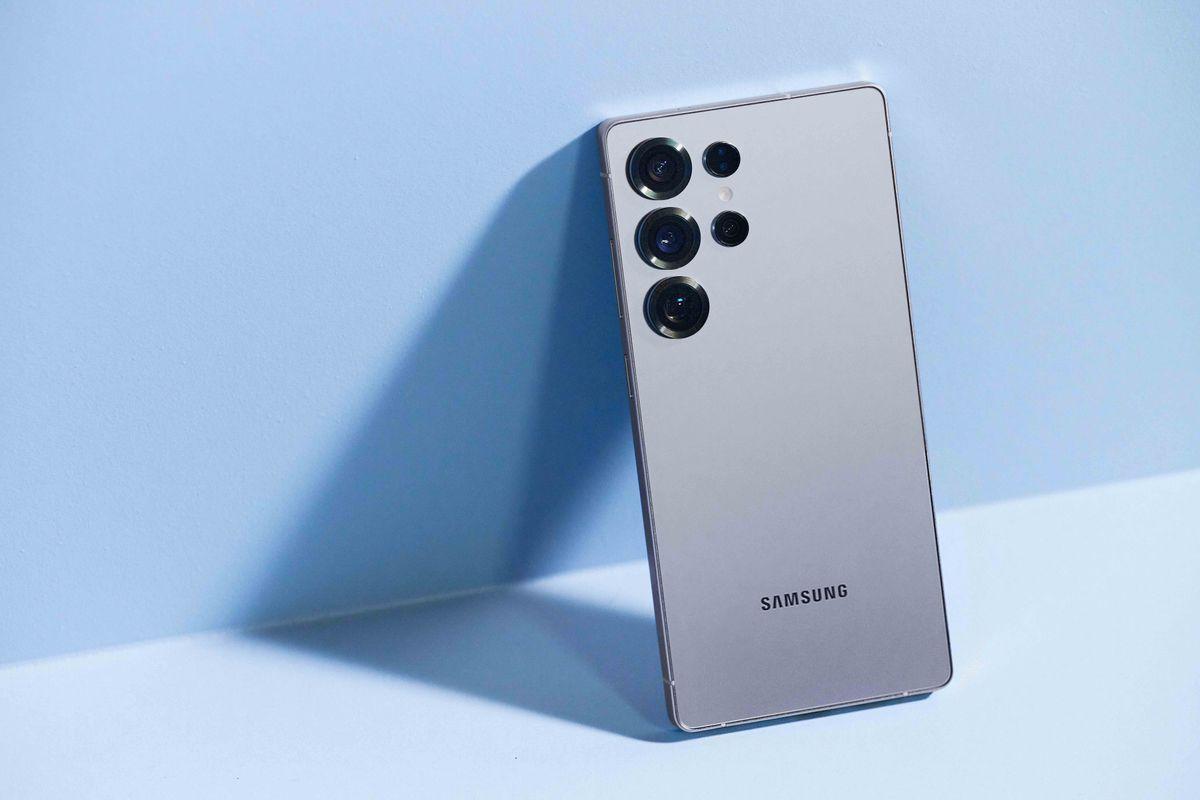
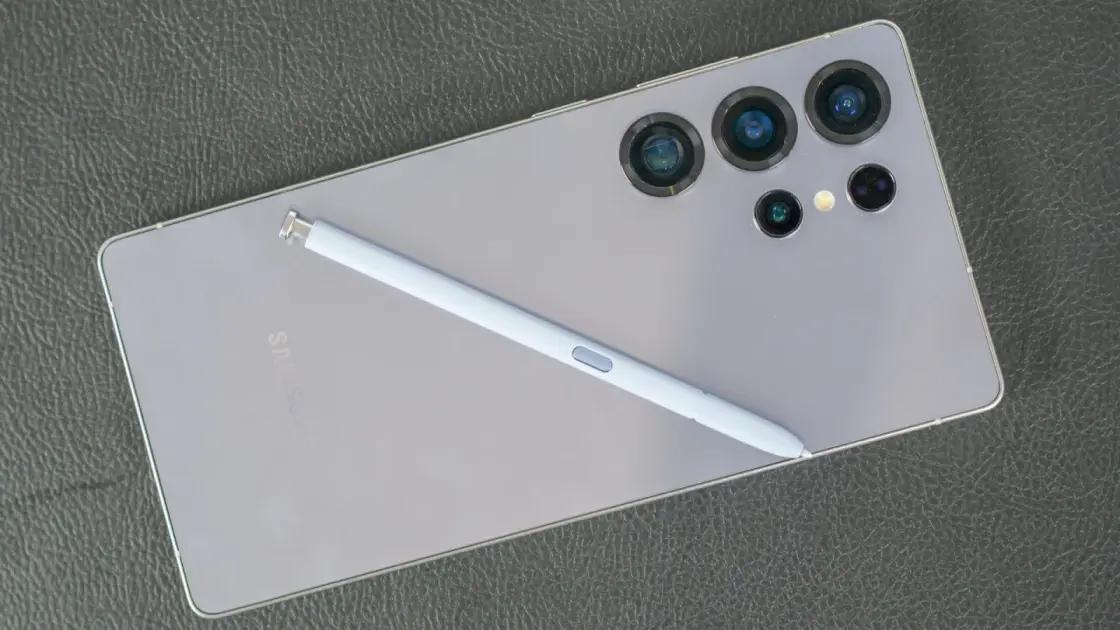
Samsung's upcoming Galaxy S25 smartphones will be the first to support Content Credentials, a standard for labeling AI-generated and AI-altered images, marking a significant step towards transparency in digital content creation.

Samsung Introduces Content Credentials in Galaxy S25
Samsung has announced a significant advancement in digital content authentication with its upcoming Galaxy S25 smartphone line. The new devices will be the first handsets to support Content Credentials, a standard developed to identify and label AI-generated and AI-altered images
1
2
.Understanding Content Credentials
Content Credentials, backed by the Content Authenticity Initiative (CAI), is described as a "nutrition label for digital content"
2
. This standard provides crucial information about how digital content was generated and edited, including whether AI technologies were involved in the process. The system adds a metadata-based label and a 'CR' watermark to images that have been created or altered using AI1
.The Coalition Behind the Standard
Samsung has joined the Coalition for Content Provenance and Authenticity (C2PA), which unifies the work of the CAI and Project Origin. This coalition includes major tech companies such as Adobe, Microsoft, Getty Images, and Nvidia
1
. The C2PA's membership has expanded to include other prominent names like Google, Intel, OpenAI, Amazon, BBC, Meta, Sony, and Publicis2
.Implications for Digital Content Authenticity
The adoption of Content Credentials comes at a crucial time when concerns about AI's potential to spread misinformation are growing. This standard aims to provide transparency in the digital ecosystem, allowing users to verify the authenticity of images easily
1
. Adobe has developed a tool, currently in beta, that can detect Content Credentials in images2
.Broader Applications and Future Prospects
While the initial implementation focuses on still images, there are plans to extend the standard to include video, audio, and documents
2
. This expansion could significantly impact how digital content is created, shared, and verified across various platforms.Related Stories


Industry Impact and Adoption
The inclusion of Content Credentials in the Galaxy S25 line marks a significant step for the mobile industry. It follows the adoption of this standard by camera companies like Nikon and Leica
1
. As more companies join the initiative, it could lead to widespread adoption of AI content labeling across the tech industry.Challenges and Expectations
Despite the potential benefits, the effectiveness of Content Credentials relies heavily on widespread adoption. If a significant number of companies producing AI tools don't embrace such standards, the system's value could be limited
1
. However, with over 4,000 members in the Content Authenticity Initiative, there's optimism about the standard's future impact on digital content verification.Release and Availability
The Samsung Galaxy S25 line, featuring this new Content Credentials support, is set to start shipping on February 7, with pre-orders already underway
2
. This release marks the beginning of a new era in smartphone technology's role in content authentication and transparency.References
Summarized by

Navi
[1]
Related Stories
Recent Highlights



Recent Highlights
Today's Top Stories



Don’t drown in AI news. We cut through the noise - filtering, ranking and summarizing the most important AI news, breakthroughs and research daily. Follow topics that matter to you and stay ahead.


