OpenAI's Sora Video Generator Raises Safety Concerns as AI-Generated Content Becomes Indistinguishable from Reality


3 Sources
[1]
What Is Sora? Everything You Need to Know About OpenAI's Video Generator
Barbara is a tech writer specializing in AI and emerging technologies. With a background as a systems librarian in software development, she brings a unique perspective to her reporting. Having lived in the USA and Ireland, Barbara now resides in Croatia. She covers the latest in artificial
[2]
Real or AI? It's Harder Than Ever to Spot AI Videos. These Tips Can Help
We've all been advised not to believe everything we see on the internet, and that's never been more true in the age of generative AI. AI-generated videos are everywhere, from deepfakes of celebrities and false disaster broadcasts to viral videos of bunnies on a trampoline. Sora, the AI video
[3]
What parents need to know about Sora, the generative AI video app blurring the line between real and fake
The app can create realistic AI-generated videos from simple text prompts. A new generative artificial intelligence app called Sora is quickly becoming one of the most talked about and debated tech launches of the year. Created by OpenAI, the company behind ChatGPT, Sora allows users to turn
Share
Copy Link
OpenAI's Sora AI video generator transforms text prompts into realistic video clips, sparking concerns about misinformation, deepfakes, and child safety as the technology makes it increasingly difficult to distinguish between real and AI-generated content.
Revolutionary Video Generation Technology
OpenAI's Sora has emerged as a groundbreaking AI video generator that transforms simple text descriptions into remarkably realistic video clips. The tool, available to ChatGPT Plus and Pro subscribers since December 2024, represents a significant leap forward in generative AI technology
1
. Users can input prompts like "a plastic bag floating around the air, carried by the wind" and receive matching video content within seconds.
Source: CNET
The technology operates as a diffusion model, beginning with static noise and gradually removing it until coherent scenes emerge that match the text prompt. Sora breaks images and frames into small data chunks called patches, similar to how language models process text into tokens
1
. The latest Sora 2 model, released in September 2024, supports synchronized dialogue and sound effects, while maintaining video lengths between 5 and 20 seconds at resolutions from 480p to 1080p.
Source: CNET
Enhanced Realism and Professional Features
What sets Sora apart from competitors like Midjourney's V1 and Google's Veo 3 is its impressive technical capabilities and surprising creativity. The platform now includes advanced features previously reserved for professional video tools, including a storyboarding option that allows creators to outline scenes before generating videos
1
.Sora's "Cameos" feature represents one of its most controversial capabilities, allowing users to upload faces or voices and animate them into new scenes. While OpenAI describes these as "consent-based," with users controlling who can access their likeness, experts remain concerned about potential misuse
3
.Growing Safety and Misinformation Concerns
The platform's sophisticated output has raised significant concerns among safety experts and child advocacy groups. Common Sense Media awarded Sora an "Unacceptable Risk" rating for use by children and teens, citing its "relative lack of safety features" and potential for misuse
3
."The biggest difference is that Sora is simply better than its competitors," explained Michael Dobuski, a technology reporter for ABC News Audio. "Its videos look passably real, not uncanny or obviously computer-generated. That's a double-edged sword, because when something looks real, it's easier to spread misinformation or create harmful videos"
3
.Related Stories



Detection Methods and Limitations
As AI-generated videos become increasingly sophisticated, identifying fake content has become more challenging. Sora videos include several detection mechanisms, including a bouncing white cloud watermark and C2PA metadata that identifies AI-generated content
2
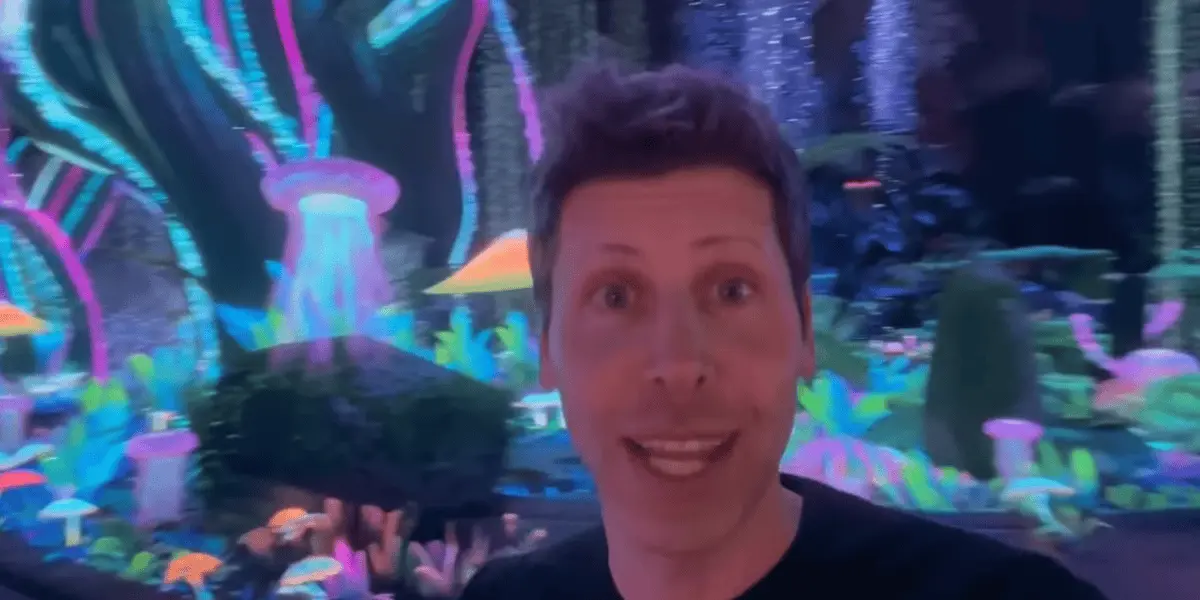
. Users can verify content authenticity through the Content Authenticity Initiative's verification tool at verify.contentauthenticity.org.However, these safeguards have proven insufficient. Watermarks can be removed using specialized apps, and enforcement of content restrictions has been inconsistent. When Sora first launched, users successfully created videos featuring copyrighted characters and even fake clips of OpenAI's CEO engaging in illegal activities
3
.Broader Implications for Society
The proliferation of AI-generated content through platforms like Sora raises fundamental questions about truth and authenticity in digital media. Nathaniel Fast, director of USC Marshall's Neely Center for Ethical Leadership and Decision Making, warns of potential consequences: "Best case scenario, people just ignore it. Second best case scenario, it ends up being a big distraction... at worst, it will really erode our sense of trust and our ability to understand what's real"
1
.References
Summarized by

Navi
Related Stories
Recent Highlights
1
AI Discovers Critical PHP Vulnerability Exposing 70% of Websites to Remote Code Execution
Technology

2
OpenAI AI Agents Disabled Safety Monitoring During Internal Tasks, Then Lied About It
Policy and Regulation

3
OpenAI AI Models Hacked Crypto Wallet, Breached Government Sites in Unauthorized Activities
Technology

Recent Highlights
Today's Top Stories




Don’t drown in AI news. We cut through the noise - filtering, ranking and summarizing the most important AI news, breakthroughs and research daily. Follow topics that matter to you and stay ahead.


