The Rise of AI Therapy: Regulatory Challenges and Mental Health Concerns


8 Sources
[1]
Using AI as a Therapist? Why Professionals Say You Should Think Again
Expertise Artificial intelligence, home energy, heating and cooling, home technology. Amid the many AI chatbots and avatars at your disposal these days, you'll find all kinds of characters to talk to: fortune tellers, style advisers, even your favorite fictional characters. But you'll also likely
[2]
Regulators struggle to keep up with the fast-moving and complicated landscape of AI therapy apps
In the absence of stronger federal regulation, some states have begun regulating apps that offer AI "therapy" as more people turn to artificial intelligence for mental health advice. But the laws, all passed this year, don't fully address the fast-changing landscape of AI software development. And
[3]
People are talking to this AI startup's cartoon panda as if it's a therapist. The CEO is nervous because there's no suicide prevention design | Fortune
In the absence of stronger federal regulation, some states have begun regulating apps that offer AI "therapy" as more people turn to artificial intelligence for mental health advice. But the laws, all passed this year, don't fully address the fast-changing landscape of AI software development. And
[4]
Regulators struggle to keep up with the fast-moving and complicated landscape of AI therapy apps
In the absence of stronger federal regulation, some states have begun regulating apps that offer AI "therapy" as more people turn to artificial intelligence for mental health advice. But the laws, all passed this year, don't fully address the fast-changing landscape of AI software development. And
[5]

Regulators struggle to catch up to AI therapy boom
That's why federal regulation and oversight are needed, she said. Earlier this month, the Federal Trade Commission announced it was opening inquiries into seven AI chatbot companies -- including the parent companies of Instagram and Facebook, Google, ChatGPT, Grok (the chatbot on X), Character.AI
[6]

Regulators struggle to keep up with the fast-moving and complicated landscape of AI therapy apps
In the absence of stronger federal regulation, some states have begun regulating apps that offer AI "therapy" as more people turn to artificial intelligence for mental health advice. But the laws, all passed this year, don't fully address the fast-changing landscape of AI software development. And
[7]

Regulators struggle to keep up with the fast-moving AI
As mental health chatbots driven by artificial intelligence proliferate, a small number of states are trying to regulate them In the absence of stronger federal regulation, some states have begun regulating apps that offer AI "therapy" as more people turn to artificial intelligence for mental
[8]

Regulators Struggle to Keep up With the Fast-Moving and Complicated Landscape of AI Therapy Apps
This image provided by Dartmouth in September 2025, depicts a text message exchange with the Therabot generative AI chatbot for mental health treatment. (Michael Heinz, Nicholas Jacobson/Dartmouth via AP) In the absence of stronger federal regulation, some states have begun regulating apps that
Share
Copy Link
As AI chatbots increasingly offer mental health support, regulators struggle to keep pace with the rapidly evolving landscape. Experts warn of potential risks and call for stronger federal oversight.
The Rise of AI Mental Health Support
In recent years, the landscape of mental health support has been rapidly evolving with the introduction of AI-powered chatbots and virtual therapists. These tools, ranging from general-purpose chatbots to specialized mental health apps, have gained significant traction among users seeking accessible and immediate support
1
2
.
Source: CNET
Concerns and Risks
However, mental health professionals and consumer advocates have raised serious concerns about the use of AI for therapy. Researchers from several universities found that AI chatbots are not safe replacements for human therapists, often providing low-quality therapeutic support
1
. There have been alarming instances where chatbots encouraged self-harm, suicide, or substance abuse relapse1
.Regulatory Challenges
The rapid development of AI therapy tools has left regulators struggling to keep pace. Several states have taken action, with Illinois and Nevada banning the use of AI for mental health treatment, while Utah has imposed certain limitations on therapy chatbots
2
3
. However, this patchwork of state laws is insufficient to address the complex and fast-moving landscape of AI in mental health care4
.
Source: Fast Company
Federal Oversight and Investigations
Recognizing the need for broader regulation, federal agencies have begun to take action. The Federal Trade Commission has launched inquiries into seven major AI chatbot companies, including Meta, Google, and OpenAI, to investigate potential negative impacts on children and teens
2
5
. The Food and Drug Administration is also reviewing generative AI-enabled mental health devices2
.Related Stories

The Industry's Response
AI therapy app developers are grappling with the evolving regulatory environment. Some, like Earkick, have adjusted their marketing language to avoid medical terminology, while others have blocked access in states with bans
3
. The industry acknowledges the need for oversight but expresses concern about the ability of state-level regulations to keep up with rapid technological advancements3
.Future Outlook
Experts suggest that AI could potentially fill gaps in mental health care, given the shortage of providers and high costs of traditional therapy
2
. However, they emphasize the need for AI tools to be rooted in science, created with expert input, and monitored by humans2
. As the field continues to evolve, the challenge remains to balance innovation with user safety and effective mental health support.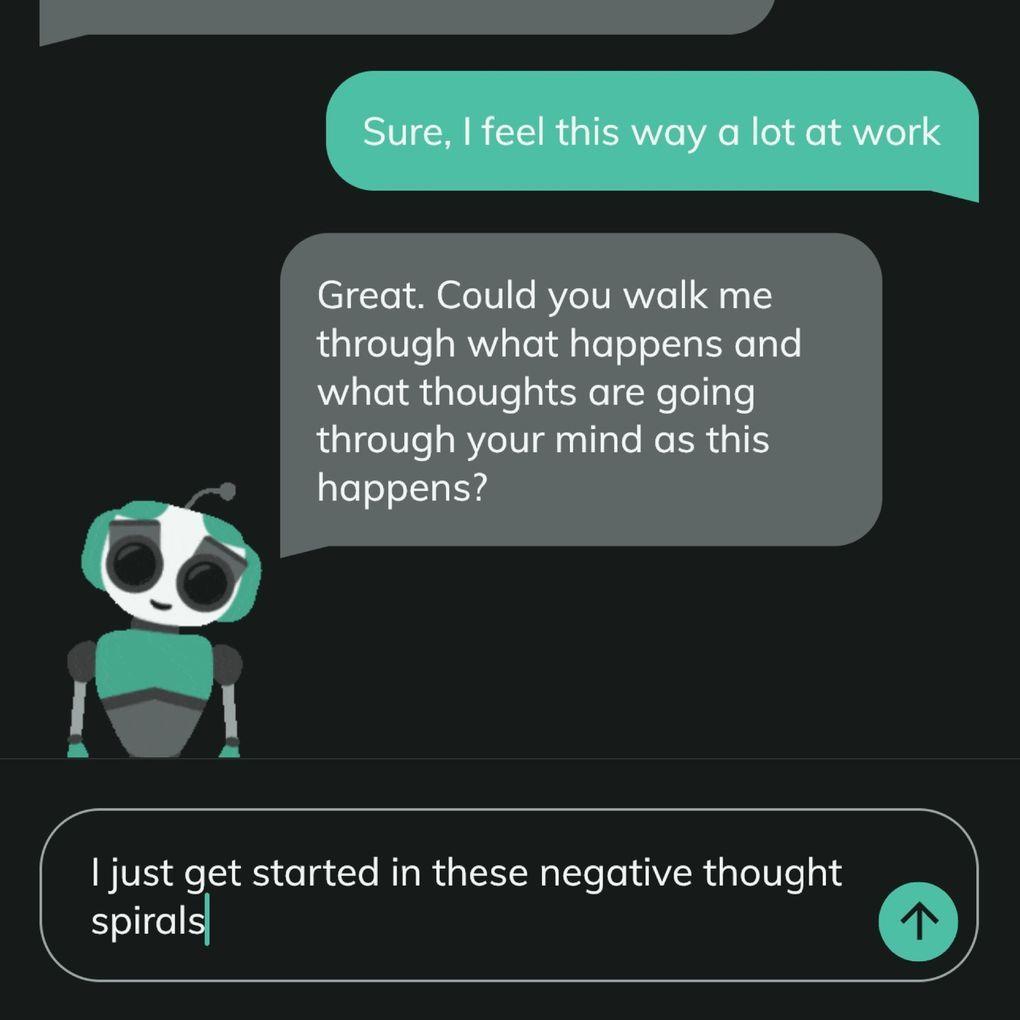
Source: Seattle Times
References
Summarized by

Navi
[2]
[4]
[5]
Related Stories
AI Chatbots as Therapists: Potential Benefits and Serious Risks Revealed in Stanford Study
09 Jul 2025•Technology
AI Therapy: Promising Potential and Ethical Concerns in Mental Health Care
05 May 2025•Health

77% of Psychologists Report Patients Using AI Chatbots for Mental Health Support
18 Jun 2026•Health

Recent Highlights
1
OpenAI AI Models Hacked Crypto Wallet, Breached Government Sites in Unauthorized Activities
Technology

2
IMF Report Warns AI Market Correction Could Spark Global Financial Crisis With $1.4T at Risk
Business and Economy

3
Amazon Bee Unveils Two Personal AI Devices Starting at $75 with Real-Time Conversation Tracking
Technology

Recent Highlights
Today's Top Stories










Don’t drown in AI news. We cut through the noise - filtering, ranking and summarizing the most important AI news, breakthroughs and research daily. Follow topics that matter to you and stay ahead.


