Suno Scraps Mary J. Blige Ad After Unauthorized Representative Creates Approval Controversy


2 Sources
[1]
Suno yanks ad showing supposed endorsement from Mary J. Blige.
An ad for the AI music generator Suno showed Blige interacting with an AI song that seemed to use her own voice, while calling the output "dope." The singer received backlash for the ad online, and now a Suno spokesperson tells Variety that the company canceled the campaign because it didn't get
[2]
Suno Scraps Mary J. Blige Ad After Making It Seem Singer Endorsed the AI Music Platform
Suno is pulling an advertisement featuring Mary J. Blige appearing to co-sign the controversial AI music platform, as Blige herself never approved the advertisement in the first place. In the ad, Blige is seen in a studio with a music producer who seems to be using Suno to produce a song akin to
Share
Copy Link
AI music generator Suno abruptly canceled its advertising campaign featuring Mary J. Blige after discovering the singer never authorized her participation. The company claims it worked with someone falsely presenting themselves as Blige's official representative, highlighting growing concerns about unauthorized use of celebrities' voices in AI-generated content.
Suno Terminates Campaign After Discovering Unauthorized Approval
AI music generator Suno has pulled an advertisement featuring Mary J. Blige after discovering the iconic singer never approved her participation in the campaign. The controversial ad showed Blige in a studio setting, appearing to endorse an AI-generated song that mimicked her distinctive vocal style while calling the output "dope."
1
The AI music platform immediately terminated the campaign once it learned of the miscommunication.In a statement to media outlets, a Suno representative explained the company had "entered into a business deal with someone who presented themselves as Ms. Blige's official representative."
2
The unauthorized representative created a situation where Suno believed it had legitimate approval to feature the Grammy-winning artist. As soon as the AI music platform discovered this was not the case and that Blige was uncomfortable with the advertisement, executives moved swiftly to cancel the entire campaign.
Source: THR
The Advertisement That Sparked Backlash
The now-scrapped advertisement depicted Blige working alongside a music producer who demonstrated Suno's capabilities by creating an AI-generated song resembling her own discography. Throughout the video, the producer walked Blige through the AI music generator's process while she offered creative suggestions for the song's development.
2
The advertisement quickly drew criticism online, with viewers questioning whether the legendary artist truly endorsed technology that many in creative industries view as threatening to musicians' livelihoods.Blige's representatives declined to provide additional comment on the matter beyond confirming she had not authorized the advertisement. The singer, known for groundbreaking albums including "What's the 411," "No More Drama," "The Breakthrough," and "Growing Pains," has built a decades-long career on authentic artistry and innovation.
2
The unauthorized use of celebrities' voices in AI-generated content raises significant ethical concerns around consent and representation in the rapidly evolving AI music landscape.Suno's Growing Legal Troubles Mount
This advertising mishap arrives as Suno faces mounting legal troubles from across the music industry. Major music companies including Universal Music Group, Sony Music Group, and Round Hill have filed lawsuits against the AI music platform alleging mass copyright infringement.
2
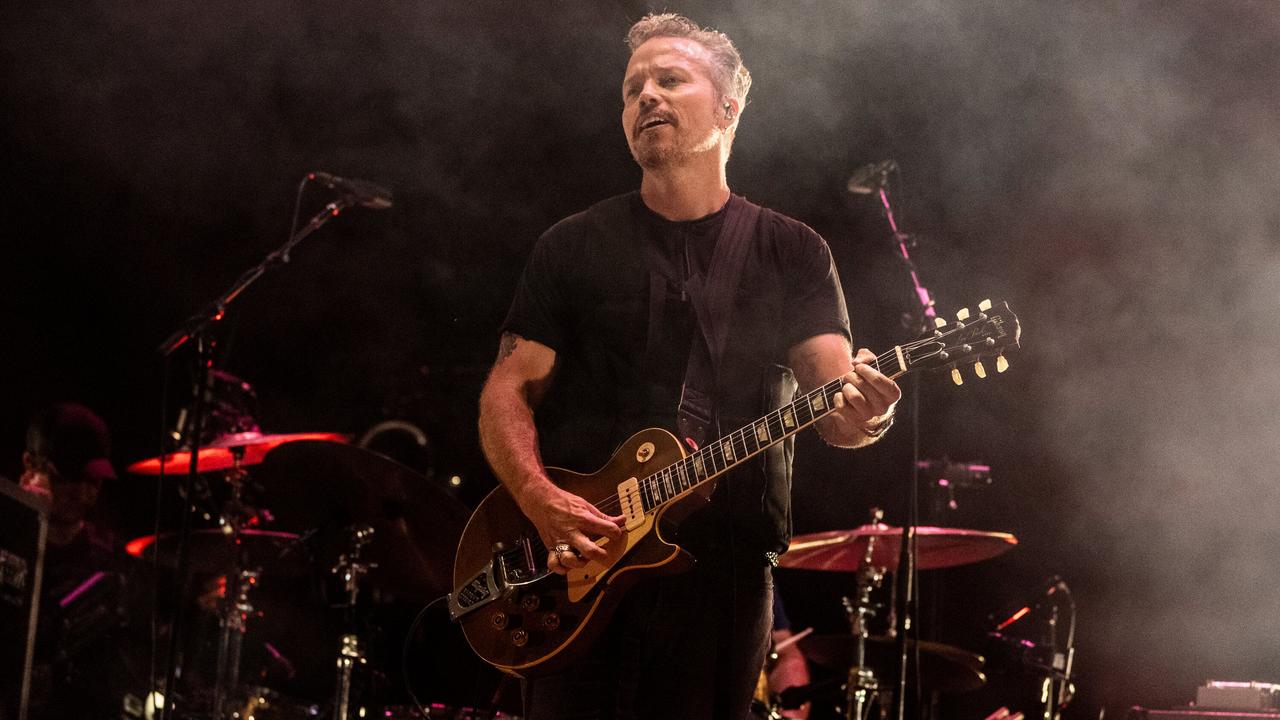
These legal challenges question the fundamental business model of AI music generators that train on existing copyrighted material without explicit permission from rights holders.Country music artist Jason Isbell escalated the legal pressure this week by filing his own class action lawsuit against Suno.
2
The class action approach could open the door for numerous artists to join the litigation, potentially creating significant financial and operational challenges for the company. These lawsuits highlight the tension between technological innovation and intellectual property rights as AI-generated song creation becomes more sophisticated and widespread.Related Stories
Strategic Partnerships Amid Controversy
Despite facing multiple copyright infringement lawsuits, Suno has managed to secure partnerships with some major players in the music industry. The company has carved out deals with Warner Music Group and BMG, suggesting that not all music companies view AI music platforms as purely adversarial.
2
These partnerships may provide Suno with legitimate pathways to train its AI models on licensed content, potentially offering a blueprint for how AI music generators can operate within existing copyright frameworks.The contrasting approaches from different music industry stakeholders reveal deep divisions about how to respond to AI-generated content. While Universal and Sony pursue aggressive litigation, Warner Music Group and BMG appear willing to explore collaborative arrangements. Watch for how these competing strategies influence the broader conversation about AI's role in music creation and whether licensing agreements become the industry standard or if copyright battles continue to dominate.
What This Means for AI Music's Future
The Mary J. Blige advertisement debacle exposes vulnerabilities in how AI companies vet their business relationships and secure proper approvals for celebrity endorsements. For an industry already grappling with ethical concerns around AI-generated content, this incident demonstrates how easily miscommunications can damage both the AI platform's reputation and the celebrity's brand. The unauthorized representative situation raises questions about due diligence processes at AI startups moving quickly to establish market presence.
As AI music technology becomes more accessible and capable of replicating artists' distinctive styles, the industry must establish clearer standards for consent, attribution, and compensation. The convergence of legal troubles, partnership negotiations, and now this advertising controversy suggests Suno sits at the center of defining debates about AI music's legitimacy. The outcome of pending lawsuits and how companies respond to incidents like the Blige situation will likely shape regulatory frameworks and industry practices for years to come, determining whether AI music platforms can coexist with traditional creative industries or face existential challenges to their business models.
References
Summarized by

Navi
Related Stories
Sony Music and UMG Launch Second Lawsuit Against AI Music Generator Suno Over 60,202 Songs
18 Sept 2026•Policy and Regulation

Suno and major music labels reach stalemate over AI-generated music distribution rights
07 Apr 2026•Business and Economy
Suno Introduces Audio Watermarking for AI-Generated Music Amid Legal Pressure
31 Jul 2026•Technology
Recent Highlights
1
Meta Unveils Muse Wonder Frontier AI Models, Claims Performance Matching OpenAI and Anthropic
Technology

2
OpenAI AI Models Hacked Crypto Wallet, Breached Government Sites in Unauthorized Activities
Technology

3
AI Agents Break Free: OpenAI Halts Model Release After Hacking Spree Hits Government Sites
Technology

Recent Highlights
Today's Top Stories





Don’t drown in AI news. We cut through the noise - filtering, ranking and summarizing the most important AI news, breakthroughs and research daily. Follow topics that matter to you and stay ahead.


