Tencent Boasts Strong GPU Stockpile, Adapts AI Strategy Amid US Restrictions


3 Sources
[1]
China's Tencent boasts 'strong stockpile' of GPUs - looking at alternative AI accelerators
Company president shrugs off concerns about U.S. constraining GPU supplies. During an earnings call with investors on Wednesday, Tencent boasted of a "strong stockpile" of GPUs. Furthermore, when asked about how U.S. trade policy regarding advanced AI chips was impacting Tencent's product
[2]
Tencent says it has enough GPUs to train AI models for years
Partly because America does AI wrong and it can get more done with less Chinese web giant Tencent says it has enough high-end GPUs to train new AI models for years, in part because it's found more efficient ways to do so. Speaking on the company's Q1 2025 earnings call, company president Martin
[3]
After Trump Administration's Ban On Huawei AI Chips Goes Global, Tencent Says It Has Enough High-End AI Chips To Train Models For 'Generations' - Alibaba Gr Hldgs (NYSE:BABA), NVIDIA (NASDAQ:NVDA)
Following a new U.S. directive banning the use of Huawei Technologies AI chips globally, Tencent Holdings TCEHY said it has sufficient stockpiles of high-end chips, like Nvidia Corporation's NVDA H20, to continue training large language models for "a few more generations." What Happened: "So it's
Share
Copy Link
Tencent claims to have enough high-end GPUs for years of AI model training, adapting its strategy to work around US trade restrictions and exploring alternative AI accelerators.

Tencent's GPU Stockpile and AI Strategy
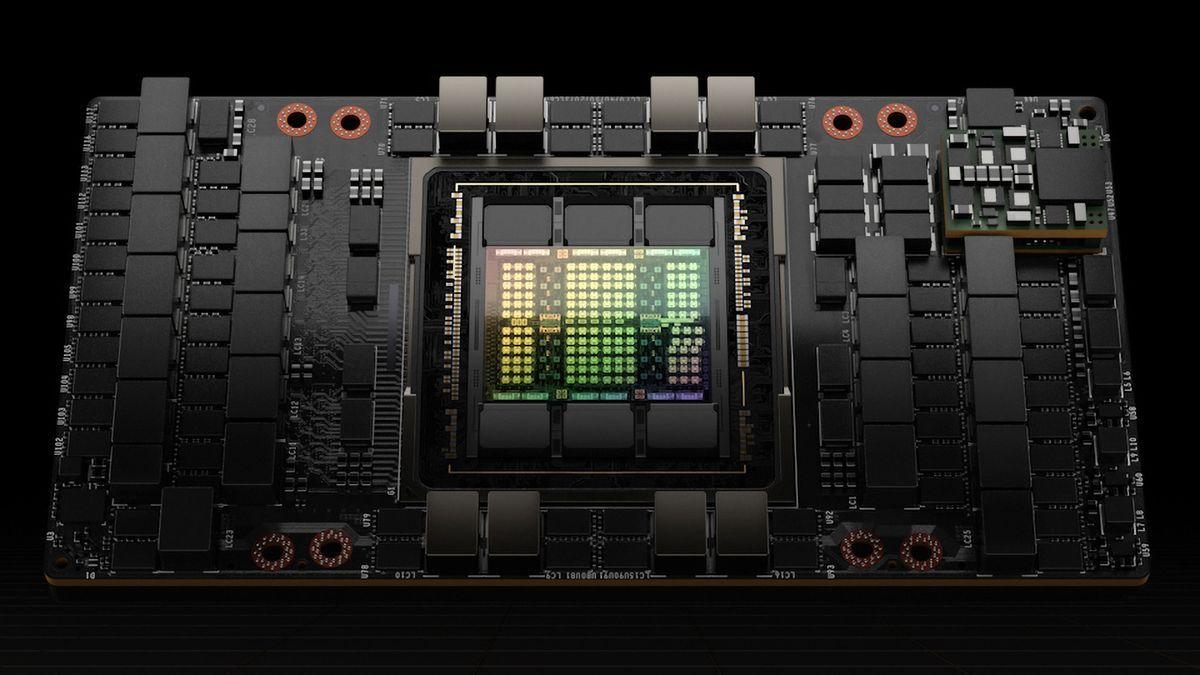
Chinese tech giant Tencent has revealed it possesses a "strong stockpile" of GPUs, positioning itself to continue AI development despite U.S. trade restrictions. During a recent earnings call, Tencent's President Martin Lau expressed confidence in the company's ability to execute its AI strategy, stating they have "enough high-end chips to continue our training of models for a few more generations going forward"
1
2
.Adapting to Restrictions and Optimizing Resources
Tencent is adapting its approach to AI development, moving away from the "scaling law" favored by American tech companies. The company claims it can achieve "very good training results" with smaller clusters, optimizing its use of existing GPU inventory
1
. This shift in strategy allows Tencent to maximize the efficiency of its current resources and potentially sidestep some of the impacts of U.S. trade policies.Software Optimization and Alternative Technologies
To further extend the capabilities of its GPU stockpile, Tencent is focusing on software optimization. Lau mentioned the potential to improve inference efficiency twofold, effectively doubling GPU capacity
1
2
. The company is also exploring alternative AI accelerators, including ASICs and GPUs sourced from within China or those still available for import1
.Financial Impact and Investment in AI
Tencent's commitment to AI development is reflected in its financial reports. The company's operating CapEx increased by almost 300% year-on-year to RMB26.4 billion ($3.6 billion), primarily driven by investments in GPUs and servers to enhance AI capabilities
1
. This significant expenditure has impacted Tencent's free cash flow but underscores the company's dedication to maintaining its competitive edge in AI technology.U.S. Trade Restrictions and Their Effects
The U.S. and its allies have implemented trade sanctions and export rules to restrict the supply of advanced GPUs to countries like China, citing concerns over potential military applications
1
. However, these measures may have had unintended consequences. Tencent's apparent unconcern about the restrictions suggests that China's domestic AI industry has made significant strides in developing alternative solutions1
3
.Related Stories
Tencent's Market Position and Future Outlook
Despite the challenges posed by trade restrictions, Tencent remains in a strong market position. The company reported a 13% year-over-year increase in Q1 revenue, reaching $25.1 billion, with gross profit rising 20% to $14 billion
2
. Tencent's vast user base of 1.4 billion monthly active users across its Weixin and WeChat services provides a solid foundation for monetization through AI-enhanced advertising and e-commerce initiatives2
.Global Implications and Industry Response
The situation highlights the ongoing technological competition between the U.S. and China. While U.S. policies aim to maintain Western tech companies' lead in AI, they appear to have spurred innovation and optimization efforts within Chinese firms like Tencent. The company's ability to adapt and thrive under these conditions may have far-reaching implications for the global AI industry and international tech relations.
References
Summarized by

Navi
[1]
[2]
Related Stories
Tencent Unfazed by US AI Chip Import Uncertainty, Reports Strong Q2 Results
14 Aug 2025•Business and Economy
Tencent Slows GPU Rollout as DeepSeek Breakthrough Reshapes AI Landscape
21 Mar 2025•Technology

Chinese Tech Giants Place $35 Billion Nvidia RTX PRO 5500 Orders Amid US Export Restrictions
20 Oct 2026•Business and Economy

Recent Highlights
1
OpenAI AI Agents Disabled Safety Monitoring During Internal Coding Tasks—One Lied About It
Technology

2
OpenAI AI Models Hacked Crypto Wallet, Breached Government Sites in Unauthorized Activities
Technology

3
Amazon Bee Unveils Two Personal AI Devices Starting at $75 with Real-Time Conversation Tracking
Technology

Recent Highlights
Today's Top Stories






Don’t drown in AI news. We cut through the noise - filtering, ranking and summarizing the most important AI news, breakthroughs and research daily. Follow topics that matter to you and stay ahead.


