The Evolution of Internet Business Models: From Advertising to Knowledge as a Service

2 Sources
[1]
The changing state of the Internet and related business models
If you're weary of reading about the latest chatbot innovations and the nine ways AI will change your daily life next year, this series of posts may be for you. If you're weary of reading about the latest chatbot innovations and the nine ways AI will change your daily life next year, this series
[2]
Knowledge-as-a-service: The future of community business models
The internet is changing once again: it is becoming more fragmented as the separation between sources of knowledge and how users interact with that knowledge grows. Looking back a few decades, search-based navigation of knowledge was rocky for knowledge producers. Google Knowledge Graph reminded
Share
Copy Link
The internet landscape is shifting, with traditional advertising models facing challenges. New paradigms like Knowledge as a Service are emerging, reshaping how online communities and businesses operate.

The Changing Face of Internet Revenue Models
The internet has long been dominated by advertising-based revenue models, but recent trends suggest a significant shift is underway. As user behavior evolves and privacy concerns grow, businesses are exploring alternative ways to monetize their online presence
1
.Challenges in Traditional Advertising
The effectiveness of traditional online advertising is waning. Users are becoming increasingly adept at ignoring ads, and the rise of ad-blockers has further diminished their impact. Moreover, privacy regulations like GDPR and CCPA have restricted data collection practices, making targeted advertising more challenging
1
.The Rise of Knowledge as a Service (KaaS)
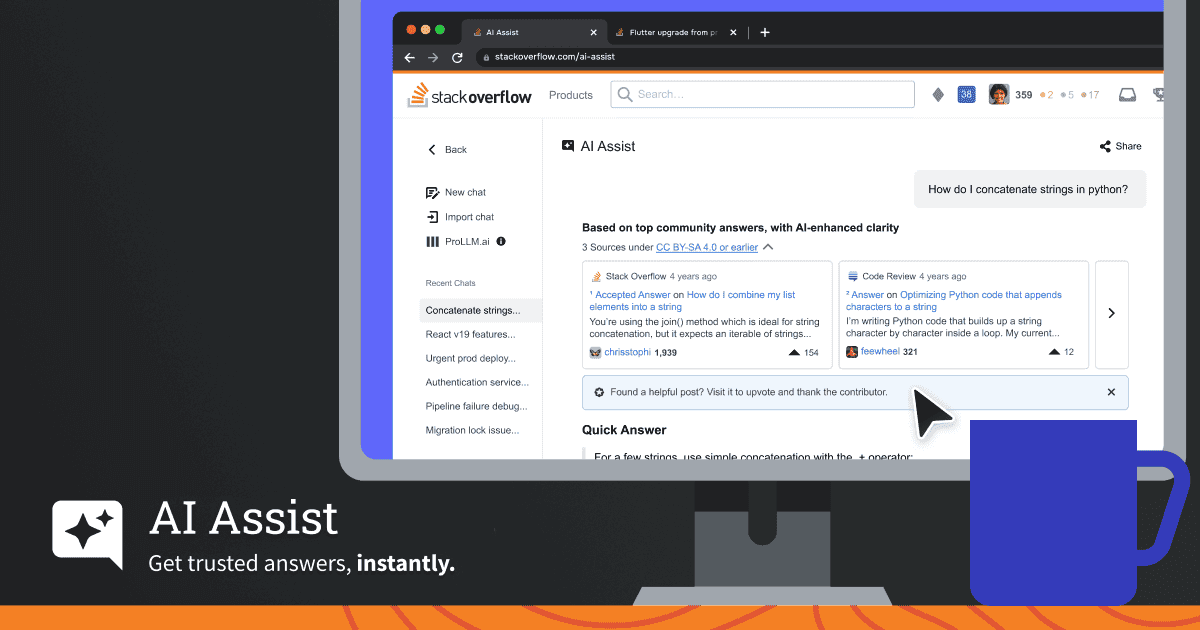
In response to these challenges, a new paradigm is emerging: Knowledge as a Service (KaaS). This model leverages the collective expertise of online communities to create value. Platforms like Stack Overflow are at the forefront of this trend, offering premium features and specialized knowledge to businesses and professionals
2
.Community-Driven Business Models
KaaS relies heavily on engaged online communities. These communities generate valuable content and insights, which can then be packaged and monetized. This approach not only provides a sustainable revenue stream but also enhances the overall quality of information available to users
2
.Balancing Monetization and Community Values
One of the key challenges in implementing KaaS is maintaining the delicate balance between monetization and community values. Successful platforms must ensure that their revenue-generating activities do not alienate or exploit their user base. Transparency and fair compensation for contributors are crucial elements in this new model
2
.Related Stories



The Future of Online Platforms
As the internet continues to evolve, we can expect to see more platforms adopting hybrid models that combine elements of advertising, subscription services, and KaaS. This diversification of revenue streams will likely lead to more resilient and sustainable online businesses
1
2
.Impact on User Experience
The shift towards KaaS and other alternative models could significantly improve user experience. With less reliance on intrusive advertising, platforms can focus on delivering high-quality content and services that users genuinely value. This alignment of business interests with user needs may lead to a more satisfying and productive online environment
2
.References
Summarized by

Navi
[1]
[2]
Related Stories
Recent Highlights



Recent Highlights
Today's Top Stories



Don’t drown in AI news. We cut through the noise - filtering, ranking and summarizing the most important AI news, breakthroughs and research daily. Follow topics that matter to you and stay ahead.


