Trump's Science Policy Nominee Highlights China as Top Competitor in Technology and Science


2 Sources
[1]
Trump Science Policy Nominee Calls China Most Formidable Technology, Science Competitor
WASHINGTON (Reuters) - President Donald Trump's nominee to head the White House Office of Science and Technology Policy says China is the top U.S. competitor in both areas and warned the future depends on who leads in key sectors. "China has emerged as both our preeminent geopolitical rival and
[2]
Trump science policy nominee calls China most formidable technology, science competitor
WASHINGTON, Feb 24 (Reuters) - President Donald Trump's nominee to head the White House Office of Science and Technology Policy says China is the top U.S. competitor in both areas and warned the future depends on who leads in key sectors. "China has emerged as both our preeminent geopolitical
Share
Copy Link
Michael Kratsios, nominated to lead the White House Office of Science and Technology Policy, emphasizes China's role as the primary U.S. rival in technology and science, particularly in AI and emerging technologies.

Trump Nominee Emphasizes China's Technological Rivalry
Michael Kratsios, President Donald Trump's nominee to head the White House Office of Science and Technology Policy, has identified China as the United States' "most formidable technological and scientific competitor" in his written testimony for an upcoming Senate confirmation hearing
1
2
. Kratsios, who previously served as the U.S. chief technology officer, emphasized the critical nature of this competition in shaping the future global order.Focus on Emerging Technologies
Kratsios highlighted several key technological areas where leadership is crucial:
- Artificial Intelligence (AI)
- Quantum technologies
- Nuclear technology
- Autonomous systems
He stressed that Chinese advancements in these fields "press home the urgency of the work ahead" for the United States
1
2
.Trump Administration's Recent Actions
The nomination comes amidst a series of actions by the Trump administration aimed at maintaining U.S. technological supremacy:
-
An executive order signed last month set a 180-day deadline for creating an Artificial Intelligence Action Plan to "sustain and enhance America's global AI dominance"
1
2
. -
A recent memorandum directs the Committee on Foreign Investment in the United States to restrict Chinese investments in strategic areas
1
2
. -
The administration is considering new restrictions on U.S. outbound investment to China in sensitive technologies, including semiconductors, AI, quantum computing, biotechnology, and aerospace
1
2
.
Biden Administration's Prior Moves
The article also mentions recent actions taken by the Biden administration:
-
Further restrictions on AI chip and technology exports to China and other countries
1
2
. -
Finalized rules to effectively bar nearly all Chinese cars and trucks from the U.S. market, targeting vehicle software and hardware from China
1
2
.
Related Stories
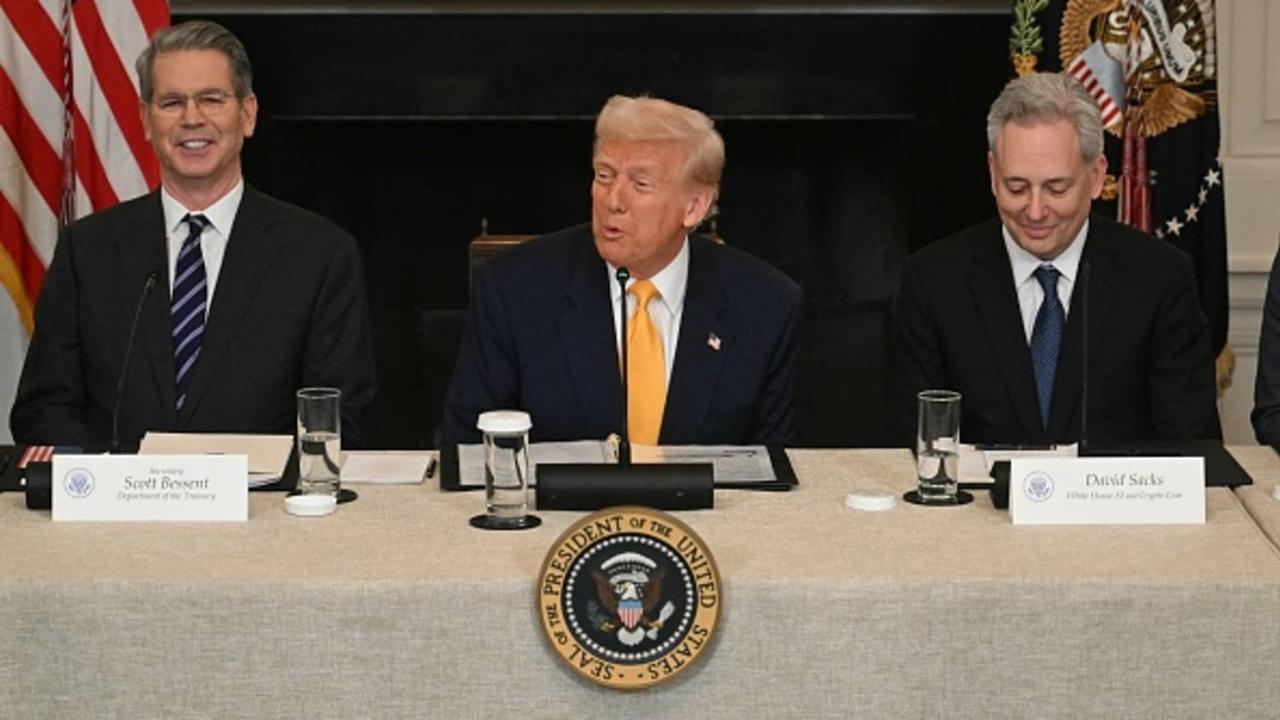
Implications for U.S.-China Relations
These developments signify an intensifying technological rivalry between the United States and China. The focus on restricting investments and exports in critical technologies suggests a growing concern over China's rapid advancements and its potential impact on U.S. national security and economic competitiveness.
Looking Ahead
As Kratsios prepares for his confirmation hearing, his stance on China and emphasis on technological leadership are likely to shape the discourse around U.S. science and technology policy. The outcome of this nomination and the implementation of the proposed policies could have far-reaching effects on international scientific collaboration, technological innovation, and global economic dynamics.
References
Summarized by

Navi
[1]
Related Stories
Trump's AI Strategy: Prioritizing Energy and Infrastructure Over Environmental Concerns
30 Jul 2025•Policy and Regulation
Trump reverses course on AI regulation, considers mandatory government vetting of frontier models
06 May 2026•Policy and Regulation
Power Grid Crisis Threatens U.S. AI Dominance as China Builds Energy Infrastructure Advantage
13 Nov 2025•Policy and Regulation
Recent Highlights



Recent Highlights
Today's Top Stories



Don’t drown in AI news. We cut through the noise - filtering, ranking and summarizing the most important AI news, breakthroughs and research daily. Follow topics that matter to you and stay ahead.


