U.S. Prosecutors Tackle Rising Threat of AI-Generated Child Sex Abuse Imagery


8 Sources
[1]
U.S. prosecutors see rising threat of AI-generated child sex abuse imagery
U.S. federal prosecutors are stepping up their pursuit of suspects who use artificial intelligence tools to manipulate or create child sex abuse images, as law enforcement fears the technology could spur a flood of illicit material. The U.S. Justice Department has brought two criminal cases this
[2]
AI-generated child sex abuse images pose challenges for federal prosecutors
U.S. federal prosecutors are stepping up their pursuit of suspects who use artificial intelligence tools to manipulate or create child sex abuse images, as law enforcement fears the technology could spur a flood of illicit material. The U.S. Justice Department has brought two criminal cases this
[3]
Prosecutors Crack Down on Illicit AI Imagery Involving Minors
U.S. federal prosecutors are stepping up their pursuit of suspects who use artificial intelligence tools to manipulate or create child sex abuse images, as law enforcement fears the technology could spur a flood of illicit material. The U.S. Justice Department has brought two criminal cases this
[4]
US Prosecutors See Rising Threat of AI-Generated Child Sex Abuse Imagery
WASHINGTON (Reuters) - U.S. federal prosecutors are stepping up their pursuit of suspects who use artificial intelligence tools to manipulate or create child sex abuse images, as law enforcement fears the technology could spur a flood of illicit material. The U.S. Justice Department has brought
[5]

US prosecutors see rising threat of AI-generated child sex abuse imagery
U.S. federal prosecutors are stepping up their pursuit of suspects who use artificial intelligence tools to manipulate or create child sex abuse images, as law enforcement fears the technology could spur a flood of illicit material. The U.S. Justice Department has brought two criminal cases this
[6]

US prosecutors see rising threat of AI-generated child sex abuse imagery
WASHINGTON (Reuters) - U.S. federal prosecutors are stepping up their pursuit of suspects who use artificial intelligence tools to manipulate or create child sex abuse images, as law enforcement fears the technology could spur a flood of illicit material. The U.S. Justice Department has brought
[7]

US prosecutors see rising threat of AI-generated child sex abuse imagery
WASHINGTON, Oct 17 (Reuters) - U.S. federal prosecutors are stepping up their pursuit of suspects who use artificial intelligence tools to manipulate or create child sex abuse images, as law enforcement fears the technology could spur a flood of illicit material. The U.S. Justice Department has
[8]

US prosecutors vow to step up fight against fake AI child sex images
Kids defenseless against AI-generated sex images as feds expand crackdown. Cops aren't sure how to protect kids from an ever-escalating rise in fake child sex abuse imagery fueled by advances in generative AI. Last year, child safety experts warned of thousands of "AI-generated child sex images"
Share
Copy Link
Federal prosecutors in the United States are intensifying efforts to combat the use of artificial intelligence in creating and manipulating child sex abuse images, as concerns grow about the potential flood of illicit material enabled by AI technology.

U.S. Justice Department Takes Action Against AI-Generated Child Abuse Imagery
The U.S. Justice Department is ramping up efforts to combat the emerging threat of artificial intelligence (AI) being used to create or manipulate child sex abuse images. Federal prosecutors have already brought two criminal cases this year against defendants accused of using generative AI systems to produce explicit images of children, with more cases expected to follow
1
.James Silver, deputy chief of the Justice Department's Computer Crime and Intellectual Property Section, expressed concern about the potential normalization of such content: "AI makes it easier to generate these kinds of images, and the more that are out there, the more normalized this becomes. That's something that we really want to stymie and get in front of."
2
Legal Challenges and Prosecutorial Strategies
The rise of generative AI has sparked concerns about its potential misuse in various criminal activities, including cyberattacks, cryptocurrency scams, and election security threats. Child sex abuse cases involving AI-generated imagery are among the first instances where prosecutors are attempting to apply existing U.S. laws to AI-related crimes
4
.In cases where an identifiable child is not depicted, prosecutors may resort to charging obscenity offenses when child pornography laws do not apply. This approach was used in the case of Steven Anderegg, a Wisconsin software engineer indicted in May for allegedly using the Stable Diffusion AI model to generate and share explicit images of children
5
.Impact on Law Enforcement and Child Safety
Child safety advocates warn that the proliferation of AI-produced material could hinder law enforcement's ability to identify and locate real victims of abuse. The National Center for Missing and Exploited Children reports receiving an average of 450 monthly tips related to generative AI, a small fraction of the 3 million monthly reports of overall online child exploitation
4
.Related Stories

Legal Experts Weigh In
Legal experts note that while sexually explicit depictions of actual children are clearly covered under child pornography laws, the landscape around obscenity and purely AI-generated imagery is less clear. Jane Bambauer, a law professor at the University of Florida, cautioned that "These prosecutions will be hard if the government is relying on the moral repulsiveness alone to carry the day."
5
Industry Response and Prevention Efforts
In response to these concerns, major AI companies including Google, Amazon, Meta, OpenAI, and Stability AI have committed to avoiding the use of child sex abuse imagery in training their models and to monitoring their platforms to prevent the creation and spread of such content
4
.Rebecca Portnoff, director of data science at Thorn, a nonprofit advocacy group, emphasized the urgency of addressing this issue: "I don't want to paint this as a future problem, because it's not. It's happening now. As far as whether it's a future problem that will get completely out of control, I still have hope that we can act in this window of opportunity to prevent that."
5
References
Summarized by

Navi
Related Stories
Law Enforcement Races to Combat AI-Generated Child Sexual Abuse Imagery
25 Oct 2024•Technology

AI-Generated Child Sexual Abuse Material Surges Online, Posing New Challenges for Law Enforcement
10 Jul 2025•Technology
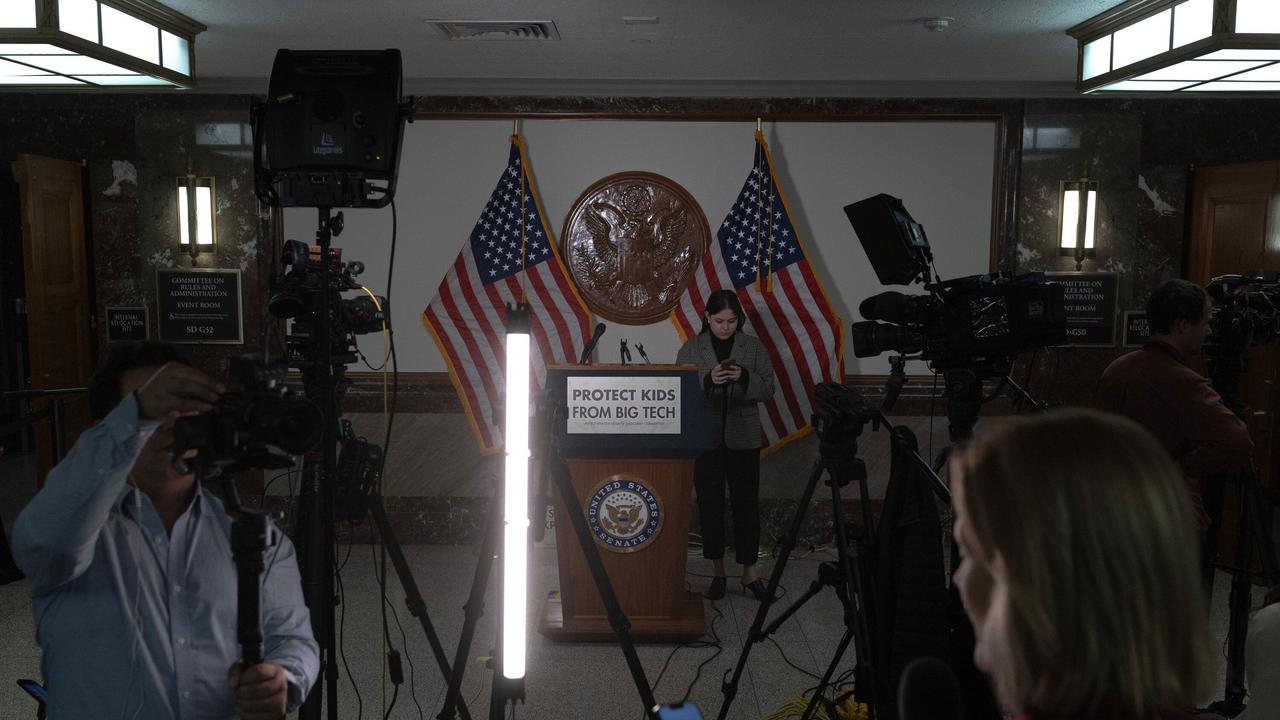
AI-Generated Child Sexual Abuse Material: A Growing Threat Outpacing Tech Regulation
22 Jul 2024

Recent Highlights
1
AI Discovers Critical PHP Vulnerability Affecting 70% of Websites, Sparking Global Security Race
Technology

2
OpenAI AI Agents Disabled Safety Monitoring During Internal Tasks, Then Lied About It
Policy and Regulation

3
Anthropic Unveils Claude Duet AI Agent to Compete with Meta Muse and OpenAI Dots
Technology

Recent Highlights
Today's Top Stories




Don’t drown in AI news. We cut through the noise - filtering, ranking and summarizing the most important AI news, breakthroughs and research daily. Follow topics that matter to you and stay ahead.


