Uber bets $1.25 billion on Rivian robotaxis to deploy 50,000 autonomous vehicles by 2031


5 Sources
[1]
Uber to invest up to $1.25 billion in Rivian as part of robotaxi deal
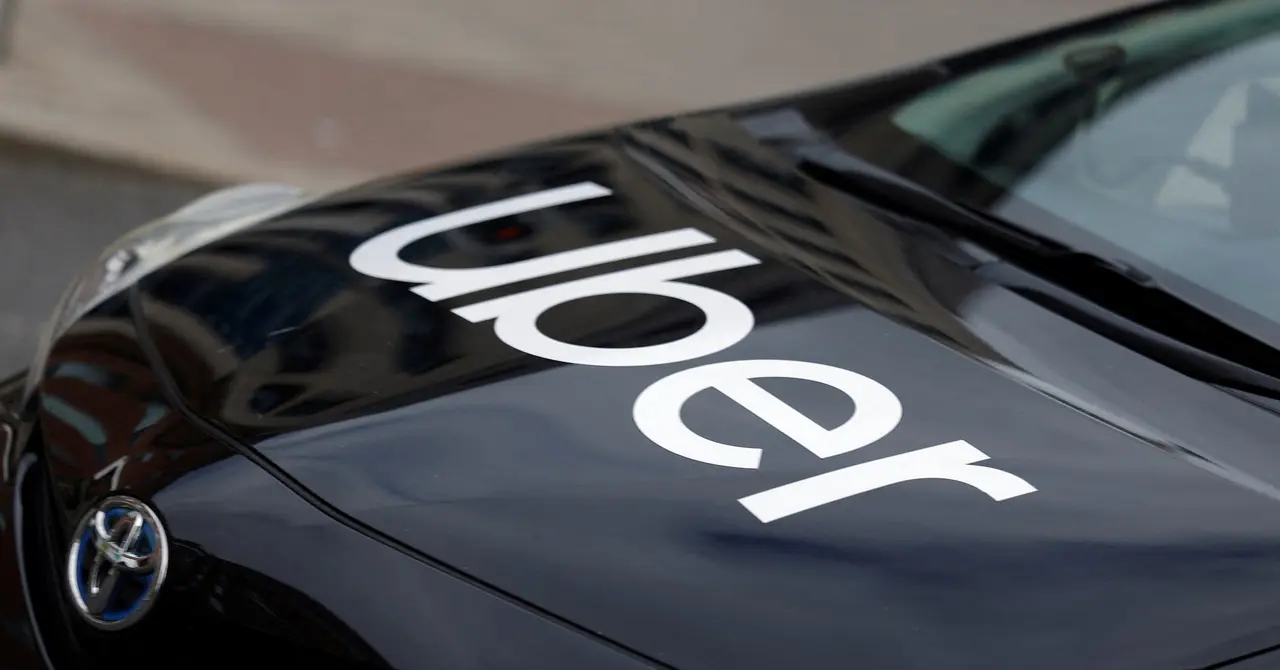
SAN FRANCISCO, March 19 (Reuters) - Uber (UBER.N), opens new tab will invest up to $1.25 billion in electric vehicle maker Rivian (RIVN.O), opens new tab as part of a deal in which the ride-hailing firm will start deploying 10,000 fully autonomous R2 SUVs as robotaxis from 2028, the companies said
[2]
Rivian is partnering with Uber to put thousands of robotaxis on the road
Uber's $1.25 billion bet on Rivian's R2 robotaxi could reshape how millions of people hail a ride across 25 cities by 2031. Uber and Rivian have announced a strategic deal that could deploy up to 50,000 robotaxis (fully autonomous vehicles) on the road by 2031. As part of the partnership, Uber
[3]
Uber invests $1.25B in Rivian for 50,000 robotaxis
Uber $UBER Technologies and Rivian $RIVN Automotive announced a partnership to deploy up to 50,000 fully autonomous robotaxis, with Uber committing up to $1.25 billion in Rivian through 2031, subject to the achievement of certain milestones by specific dates, the companies said. Under the
[4]
Uber Makes Billion-Dollar Bet on Rivian Robotaxis | PYMNTS.com
By completing this form, you agree to receive marketing communications from PYMNTS and to the sharing of your information with our sponsor, if applicable, in accordance with our Privacy Policy and Terms and Conditions. The two companies expect to deploy 10,000 fully autonomous R2 robotaxis in the
[5]

Uber to invest up to $1.25 billion in Rivian as part of robotaxi deal
STORY: Shares of Rivian rose as much as 10% Thursday morning after the electric vehicle maker struck a deal with Uber to provide robotaxis to the ride-hailing service. Both companies said Uber will invest up to $1.25 billion in Rivian, which in turn will provide 10,000 fully autonomous robotaxis
Share
Copy Link
Uber is investing up to $1.25 billion in Rivian to deploy 50,000 fully autonomous R2 robotaxis across 25 cities by 2031. The deal begins with a $300 million initial investment and 10,000 vehicles launching in San Francisco and Miami in 2028. This marks Uber's largest robotaxi commitment as it positions itself as a marketplace for autonomous vehicle operators.
Uber and Rivian Partnership Marks Major Autonomous Vehicle Commitment
Uber is committing up to $1.25 billion to Rivian in a strategic partnership that could reshape the autonomous vehicle market with up to 50,000 fully autonomous robotaxis deployed by 2031
1
. The ride-hailing giant will make an initial $300 million investment, with the remaining funds distributed through 2031, contingent on Rivian meeting specific autonomous driving milestones3
. Rivian's stock surged approximately 10% following the announcement, signaling strong investor confidence in the deal's potential2
.
Source: Reuters
The partnership represents Uber's most substantial robotaxi commitment to date, building on earlier tech partnerships with Waymo, Baidu, Lucid, and Nvidia
1
. For Rivian, this deal adds to a financing streak that included a $5.8 billion software arrangement with Volkswagen finalized in late 20243
, solidifying its position as an autonomous technology provider beyond just an electric vehicle (EV) manufacturer.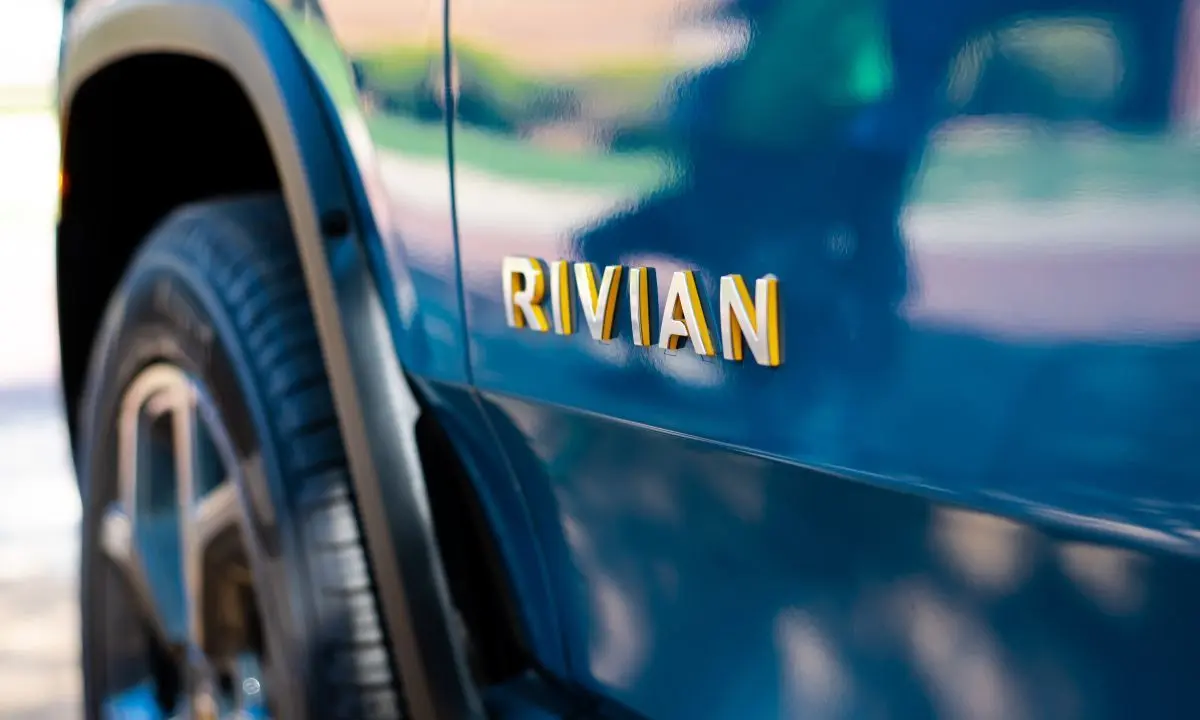
Source: PYMNTS
Rivian R2 Robotaxis Set for 2028 Launch in San Francisco and Miami
In the first deployment phase, Uber or its fleet partners will purchase 10,000 autonomous versions of the Rivian R2, with commercial operations beginning in San Francisco and Miami in 2028
3
. The R2 robotaxis will be available exclusively on Uber's platform, giving the ride-hailing company a competitive edge in the driverless taxi technology race1
.
Source: Quartz
Uber has secured the option to purchase an additional 40,000 units beginning in 2030, with plans to expand operations across 25 cities in the United States, Canada, and Europe by the end of 2031
4
. "Should all milestones be achieved, the companies will have deployed thousands of unsupervised Rivian R2 robotaxis across 25 cities," the companies stated1
.Advanced Autonomy Platform Powers Level 4 Autonomy Ambitions
Rivian's third-generation autonomy platform combines 11 cameras, five radars, and one LiDAR, all powered by two in-house RAP1 chips capable of delivering up to 1,600 TOPS of Artificial Intelligence (AI) compute. This custom self-driving chip, unveiled in December, marks Rivian's departure from depending on third-party computing solutions like Nvidia's processors
4
.RJ Scaringe, Rivian's founder and CEO, emphasized the partnership's potential: "We couldn't be more excited about this partnership with Uber -- it will help accelerate our path to Level 4 autonomy to create one of the safest and most convenient autonomous platforms in the world"
4
. The scale of Rivian's growing data flywheel, coupled with its state-of-the-art in-house inference platform and multimodal perception capabilities, positions the company for rapid advancement in autonomous driving software over the coming years.Related Stories

Vertical Integration Convinces Uber Leadership
Dara Khosrowshahi, Uber's CEO, cited Rivian's vertical integration as a key factor in the $1.25 billion investment decision. "We're big believers in Rivian's approach -- designing the vehicle, compute platform, and software stack together, while maintaining end-to-end control of scaled manufacturing and supply in the U.S.," Khosrowshahi said
4
. This integrated control over hardware and software, combined with data from Rivian's growing consumer vehicle base, gives Uber conviction to set ambitious but achievable targets.Rivian is beginning consumer R2 sales this spring, and the real-world driving data should help further improve the autonomous systems
2
. Uber will also pay licensing fees for Rivian's autonomous driving software, creating an additional revenue stream for the EV maker2
.Uber Positions as Autonomous Vehicle Marketplace Amid Industry Acceleration
Interest in driverless taxis has surged in recent months after years of missed promises, with Artificial Intelligence and tech partnerships offering hopes of solving complex traffic scenarios faster and mitigating high costs
1
. Waymo, Alphabet's autonomous vehicle unit, currently operates about 2,500 robotaxis in several U.S. cities and has accelerated its rollouts1
. Tesla has launched a small robotaxi service in Austin, Texas, with CEO Elon Musk promising rapid expansion this year.Uber is positioning itself as a marketplace for multiple robotaxi operators rather than developing its own autonomous technology
5
. The company is also working with Nvidia on autonomous driving, leveraging the chip designer's AI and simulation platforms to support the development and scaling of robotaxi systems1
. This multi-partner strategy allows Uber to hedge its bets across the autonomous vehicle market while maintaining its platform dominance in ride-hailing services.References
Summarized by

Navi
[2]
[5]
Related Stories
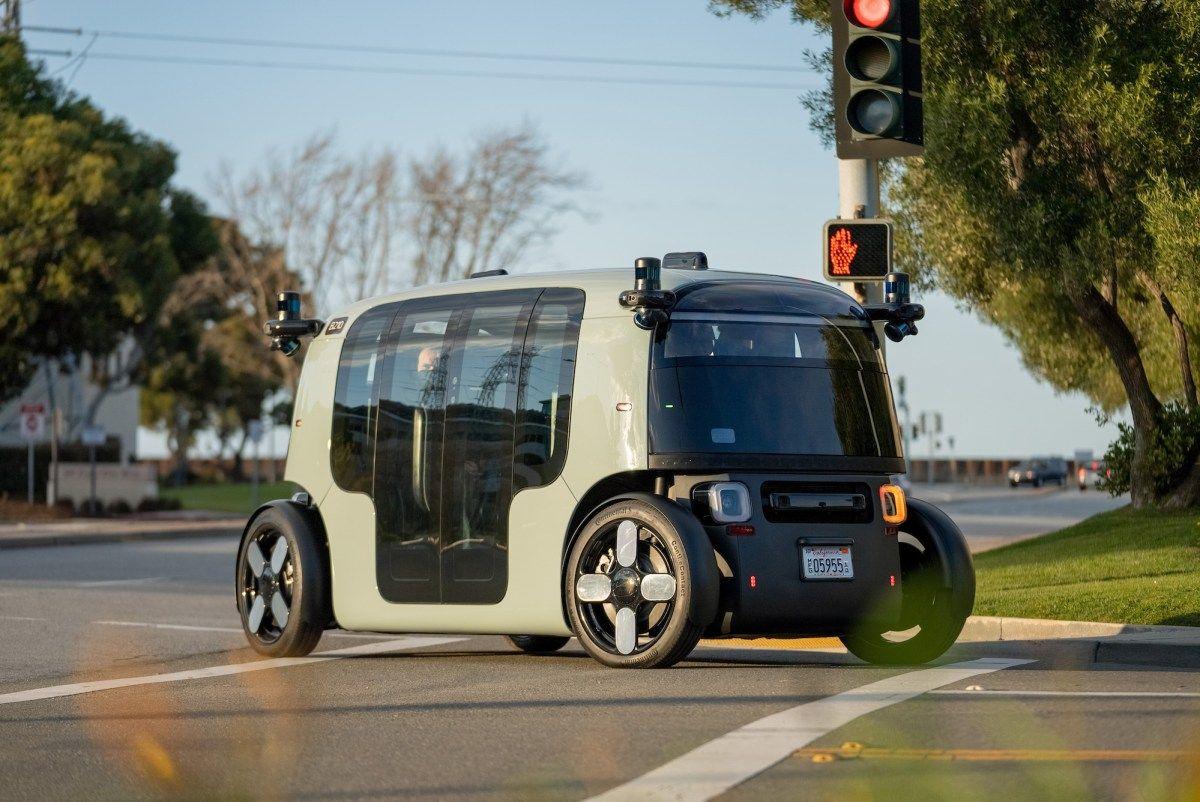
Uber accelerates robotaxi expansion with Zoox and Nvidia partnerships across 28 cities
11 Mar 2026•Technology
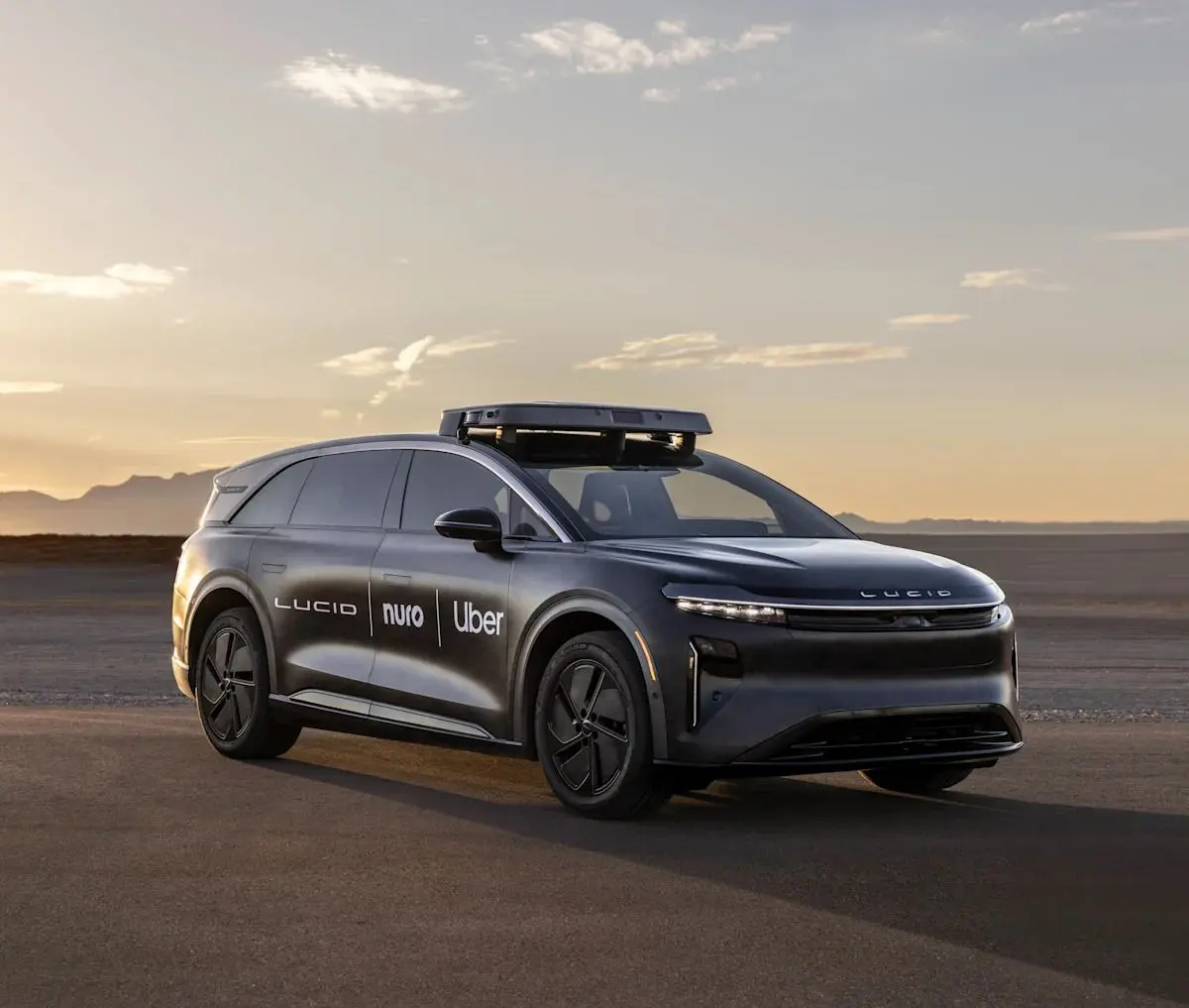
Uber's Ambitious Robotaxi Plan: 20,000 Lucid EVs with Nuro's AI Technology
18 Jul 2025•Technology
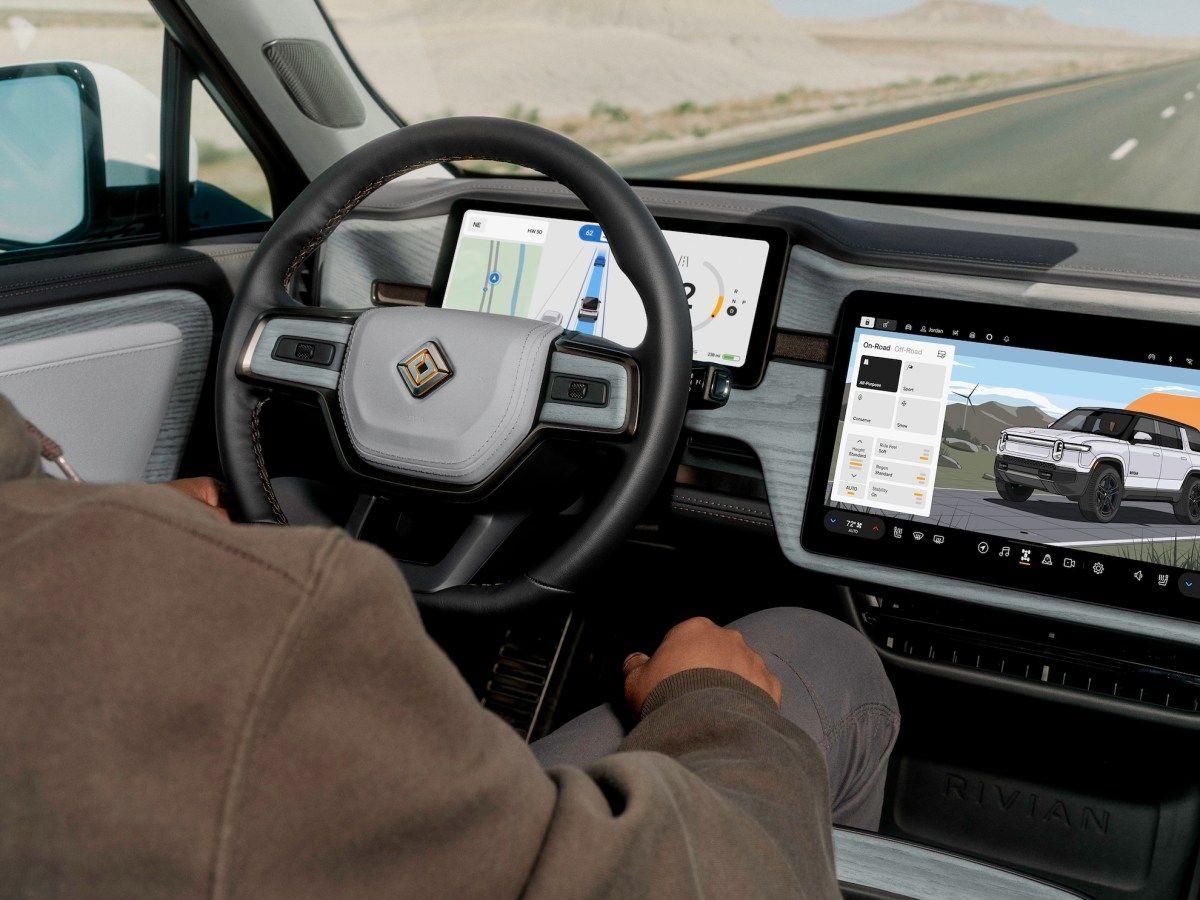
Rivian unveils custom AI chip and autonomous driving tech with lidar, hinting at robotaxi future
10 Dec 2025•Technology
Recent Highlights
1
OpenAI AI Models Hacked Crypto Wallet, Breached Government Sites in Unauthorized Activities
Technology

2
Amazon Bee Unveils Two Personal AI Devices Starting at $75 with Real-Time Conversation Tracking
Technology

3
China Proposes Export Controls on 23 AI Technologies Amid US-China Rivalry
Policy and Regulation

Recent Highlights
Today's Top Stories







Don’t drown in AI news. We cut through the noise - filtering, ranking and summarizing the most important AI news, breakthroughs and research daily. Follow topics that matter to you and stay ahead.


