Viture Launches Privacy-Focused Vonder Smart Glasses With AI at $299, No Cameras


4 Sources
[1]
Viture's Vonder Glasses Are Meant to Map Your Mind
No cameras? No problem. Viture's first display-free smart glasses have bone-conduction microphones to privately record your daily musings. David Jiang, cofounder and CEO of smart glasses company Viture, tells me about how he used to yell at his kid. His 10-year-old son played tennis. During
[2]
These privacy-focused smart glasses promise not to snoop on you and others
Despite the success of the Ray-Ban Meta smart glasses, a stigma hangs over the social media giant's eyewear. Questions about privacy have been a common theme, not only for those around the user, but also for the user themself. If those concerns are the one thing keeping you away from this genre of
[3]
Vonder AI-Powered Smart Glasses Are Focused on Privacy and Comfort
* Viture primarily designs video display glasses * Vonder smart glasses have no displays and cameras * Vonder works using AI and audio recordings Viture, a company that specialises in video display glasses, announced the launch of Vonder smart glasses. Unlike most of Viture's traditional
[4]
Viture Launches Vonder AI Glasses with ChatGPT, Gemini, Claude Support
Viture introduced Vonder, a new pair of AI-powered smart glasses designed to look and feel more like conventional eyewear than a technology device. The glasses come without a camera or display and instead focus on voice-based AI features, personal memories, and privacy. Viture's founders, known
Share
Copy Link
Viture introduced Vonder smart glasses that prioritize privacy by eliminating cameras and displays. Starting at $299, these AI-powered glasses use bone-conduction microphones to record only the wearer's voice and convert conversations into searchable memories while supporting ChatGPT, Gemini, and Claude.
Viture Unveils Camera-Free Smart Glasses With AI Focus
Viture, the San Francisco and Beijing-based company known for its virtual display glasses, announced Vonder smart glasses on Tuesday—a departure from its entertainment-focused products
1
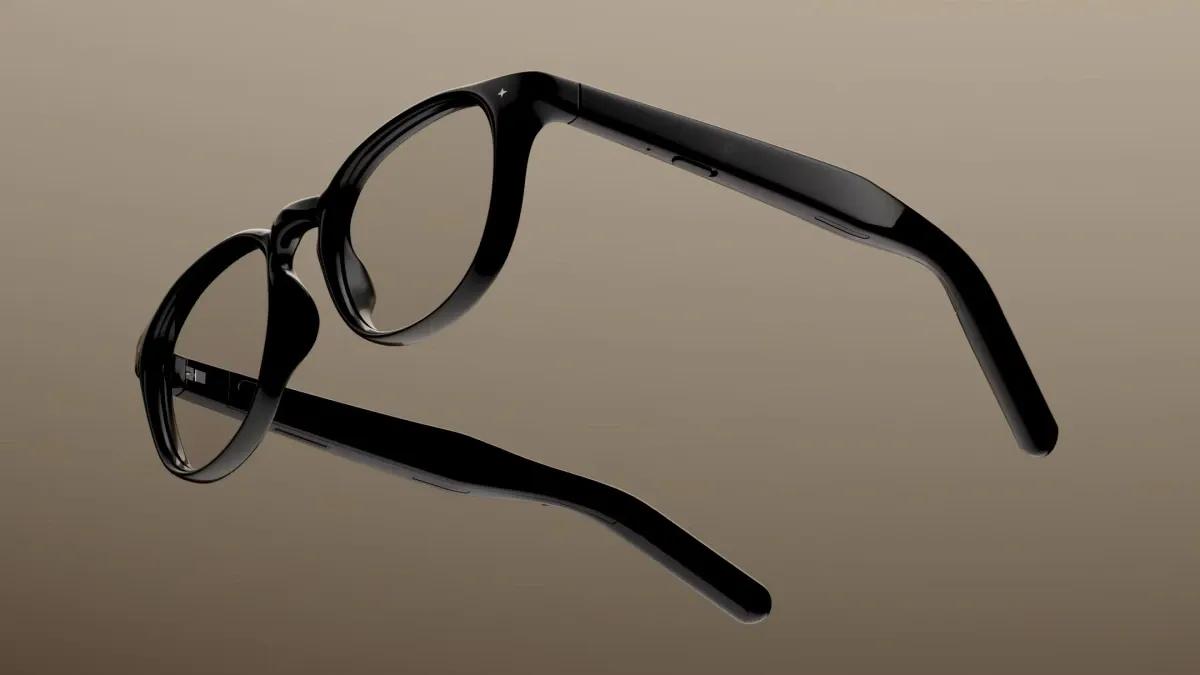
. Unlike the chunky Viture One and Viture Beast designed for gamers, these AI-powered glasses resemble ordinary eyewear and weigh under 30 grams2
. The Viture Vonder glasses deliberately omit cameras and displays, addressing privacy concerns that have plagued competitors like Meta Ray-Bans3
.
Source: Gadgets 360
Privacy-Focused Design Without Cameras or Displays
Vonder smart glasses distinguish themselves through their privacy-first approach to wearable technology. The frames feature bone-conduction microphones that passively detect audio vibrations from the wearer's voice throughout the day, capturing data only when the user speaks
1
. For recording conversations or meetings, users must explicitly activate Meeting Mode via a physical toggle, which triggers a visible LED indicator2
. The smart glasses without cameras convert recorded audio into text and memories before deleting the original recordings, ensuring no raw audio remains stored3
. Viture CEO David Jiang emphasized that the company protects all data with financial-grade encryption and does not sell user information4
.Personal Memory Graph Powers AI-Driven Smart Glasses
At the core of these AI-driven smart glasses sits the Personal Memory Graph, a system that organizes information from voice-based AI interactions into a searchable network
4
. This memory mapping technology tracks conversations, preferences, and recurring contexts to build a comprehensive picture of the wearer's daily life1
. Jiang demonstrated how his Vonder glasses tracked three months of data, helping him locate coffee shops based on his preferences and analyze stress patterns1
. The AI assistant can trigger multiple large language models including ChatGPT, Gemini, Claude support, and even DeepSeek, selecting the quickest and most economical model based on task complexity1
.Prescription Lenses and Customization Options
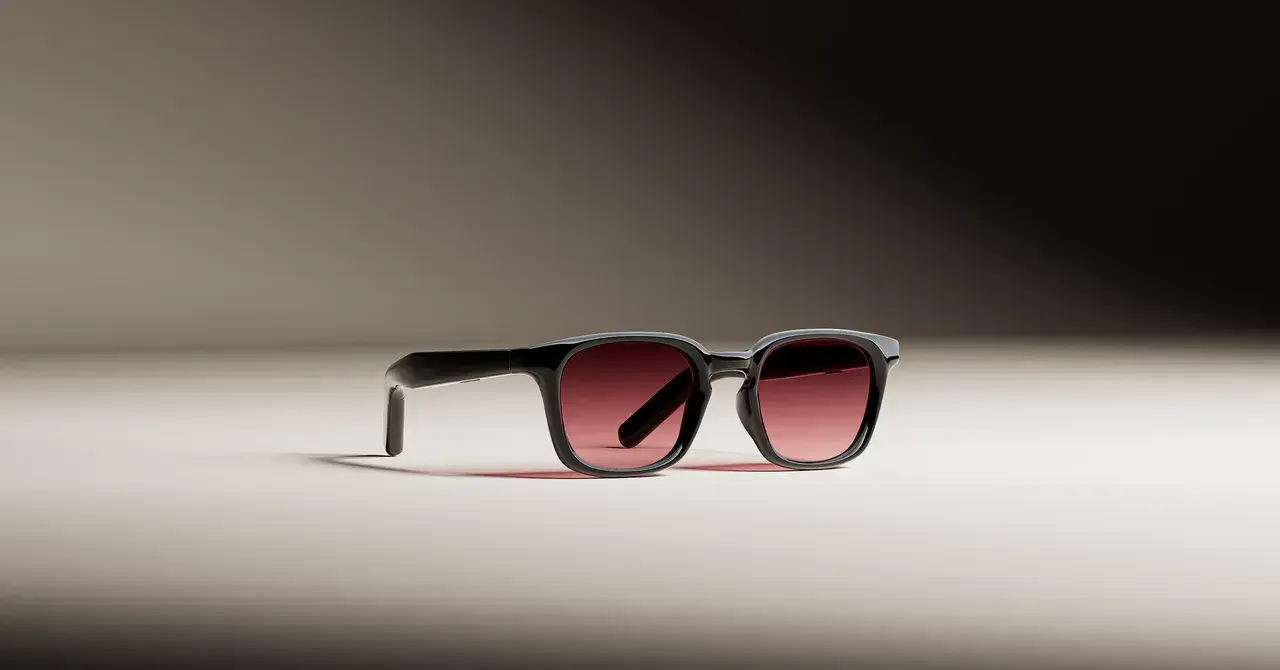
Viture positions Vonder as everyday eyewear first, offering extensive customization that sets it apart from technology-first competitors. Buyers can select from six frame shapes in three color options, with choices including clear, transition, or gradient tint lenses
1
. The XR glasses maker supports prescription lenses ranging from single vision and progressive to Transitions options2
. Premium acetate frames start at $399, while standard frames begin at $2994
. The frames include microphones, speakers, processing hardware, and physical controls while maintaining the appearance of conventional eyewear3
.
Source: Wired
Related Stories
Hands-Free Calls and Voice Note Capabilities
The glasses' arms feature speakers that enable hands-free calls, music playback, and map directions without requiring the wearer to touch their phone
1
. Users can take voice notes and access personalized insights through natural voice commands2
. The wearable technology delivers over 16 hours of battery life on a single charge and reaches 80% capacity in just 25 minutes2
. With an IP54 rating, the glasses offer basic protection against dust and water splashes2
.Pre-Order Details and Market Positioning
Pre-orders for Vonder launch on September 28, 2026, at 9:00 AM ET through Vonder's website and Best Buy stores, with shipping scheduled for November
2
. International customers can currently register interest but cannot yet place orders3
. Viture joins competitors like Xreal and Even Realities in distancing itself from Meta's approach to smart glasses, emphasizing that privacy and everyday wearability matter more than feature proliferation1
. By removing cameras and displays while incorporating bone-conduction microphones and multiple AI model support, Viture aims to create smart glasses users will wear without hesitation1
.References
Summarized by

Navi
[2]
[4]
Related Stories
Looktech AI Glasses: Revolutionizing Wearable Tech with Advanced AI Integration
12 Dec 2024•Technology

Solos Launches AirGo Vision: AI-Powered Smart Glasses with ChatGPT Integration and Privacy Features
11 Dec 2024•Technology

Harvard Dropouts Launch Controversial 'Always-On' AI Smart Glasses
21 Aug 2025•Technology

Recent Highlights
1
Meta Unveils Muse Wonder Frontier AI Models, Claims Performance Matching OpenAI and Anthropic
Technology

2
IMF Report Warns AI Market Correction Could Spark Global Financial Crisis With $1.4T at Risk
Business and Economy

3
OpenAI Releases 722 AI-Generated Math Solutions, Triggering Existential Crisis in Mathematics
Technology

Recent Highlights
Today's Top Stories










Don’t drown in AI news. We cut through the noise - filtering, ranking and summarizing the most important AI news, breakthroughs and research daily. Follow topics that matter to you and stay ahead.


