Waymo Suspends Operations in LA and SF Amid Anti-ICE Protests and Vehicle Destruction


3 Sources
[1]
How burning Waymos became the image of the LA protests
Andrew J. Hawkins is transportation editor with 10+ years of experience who covers EVs, public transportation, and aviation. His work has appeared in The New York Daily News and City & State. Is there a more potent image from the current anti-ICE protests in Los Angeles than a row of driverless
[2]
After cars destroyed in protests, Waymo suspends operations in parts of LA and San Francisco - SiliconANGLE
After cars destroyed in protests, Waymo suspends operations in parts of LA and San Francisco Google LLC-owned Waymo has suspended operations in downtown Los Angeles and is doing the same in part of San Francisco after protesters against President Trump's immigration policies vandalized and set
[3]
After cars destroyed in riots, Waymo has suspended operations in parts of LA and San Francisco - SiliconANGLE
After cars destroyed in riots, Waymo has suspended operations in parts of LA and San Francisco Google LLC-owned Waymo has suspended operations in downtown Los Angeles and is doing the same in part of San Francisco after rioters protesting President Trump's immigration policies vandalized and set
Share
Copy Link
Waymo, owned by Google, has suspended operations in parts of Los Angeles and San Francisco after protesters destroyed several of its autonomous vehicles during anti-ICE demonstrations. The incident highlights the complex intersection of AI technology, immigration policies, and public sentiment.
Waymo Vehicles Targeted in Anti-ICE Protests
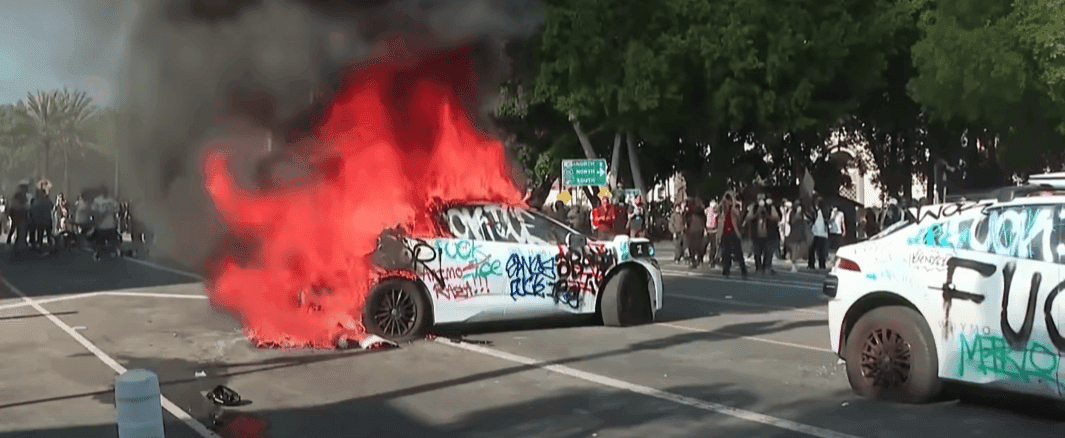
Waymo, the autonomous vehicle company owned by Google's parent company Alphabet, has suspended operations in parts of Los Angeles and San Francisco following the destruction of several of its vehicles during anti-ICE (Immigration and Customs Enforcement) protests. At least five Waymo cars were attacked, vandalized, and set on fire in downtown Los Angeles as demonstrators clashed with ICE officials
1
2
.
Source: SiliconANGLE
The protests erupted in response to President Trump's intensified immigration raids in LA, with the president vowing to deport individuals residing in the U.S. illegally. The situation escalated to the point where 2,000 National Guard troops and 700 Marines were deployed to assist local law enforcement, a move criticized by California Governor Gavin Newsom as unlawful
2
.Autonomous Vehicles as Symbols of Surveillance and Tech Industry Ties
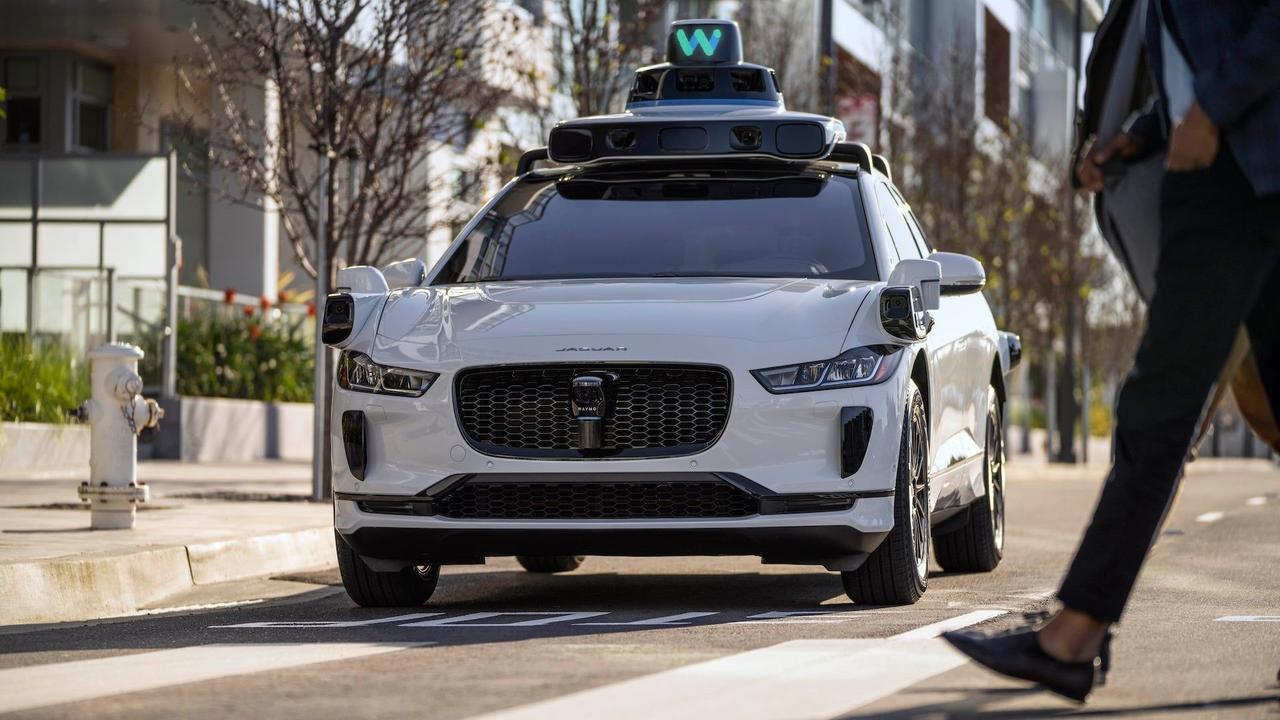
The targeting of Waymo vehicles during the protests appears to be more than mere coincidence. Protesters view these high-tech electric Jaguar I-Paces, equipped with numerous cameras and sensors, as potential tools for surveillance and extensions of law enforcement
2
. An activist interviewed by The New York Times suggested that the destruction of the vehicles was partly motivated by the "tech industry's close ties to the Trump administration"2
.Critics have raised concerns about Waymo's practice of sharing footage with law enforcement agencies, including the LAPD, when requested or subpoenaed. This has led some protesters to view the autonomous vehicles as "rolling surveillance devices" that could potentially compromise their identities
1
.Implications for AI and the Job Market
The incident has broader implications for the perception of artificial intelligence and its impact on employment. Some of the graffiti sprayed on the burning cars included slogans like "Ppl over profit," suggesting a growing anxiety about AI's potential to displace human workers
2
. This event may represent one of the first instances of violence explicitly directed at AI technology in the context of labor concerns.Related Stories

Waymo's Response and Safety Concerns
In response to the attacks, Waymo has suspended its services in downtown Los Angeles and parts of San Francisco. The company maintains that its vehicles were not intentionally targeted but were simply present during the protests
1
2
. However, the Los Angeles Police Department issued warnings about the safety hazards posed by the burning vehicles, noting that "Burning lithium-ion batteries release toxic gases, including hydrogen fluoride, posing risks to responders and those nearby"2
.
Source: The Verge
Challenges for Autonomous Vehicle Integration
This incident underscores the complex challenges facing companies like Waymo as they seek to integrate autonomous vehicles into urban environments. While Waymo has generally enjoyed positive reception in Los Angeles, with many residents appreciating the novelty and potential benefits of driverless cars, the recent events highlight the potential for these vehicles to become caught up in broader societal conflicts
1
.As Waymo continues to expand its operations, it will likely face ongoing challenges in navigating the intersection of technology, public safety, and social issues. The company's stated mission of becoming the world's "most trusted driver" may require not only technological advancements but also careful consideration of its role in communities and its relationships with law enforcement agencies
1
.References
Summarized by

Navi
[2]
Related Stories
Waymo's Driverless Taxis: Handling Carjacking Attempts and Safety Measures
04 Jan 2025•Technology

Teamsters Union Demands California Suspend Waymo After Robotaxi Hits Child Near School
02 Feb 2026•Policy and Regulation
Waymo Robotaxi Malfunction Traps Passenger in Dizzying Loop, Raising Concerns About AI-Driven Transportation
06 Jan 2025•Technology

Recent Highlights



Recent Highlights
Today's Top Stories





Don’t drown in AI news. We cut through the noise - filtering, ranking and summarizing the most important AI news, breakthroughs and research daily. Follow topics that matter to you and stay ahead.


