Will Smith eating spaghetti test shows AI evolution from chaos to cinematic in just 3 years


2 Sources
[1]
Will Smith eating spaghetti was peak AI chaos in 2023 -- now it shows how fast the tech has evolved
The internet's strangest benchmark reveals just how quickly synthetic video grew up Few could have predicted that a warped, glitchy video of Will Smith attempting to eat spaghetti would become one of the most important before-and-after markers in modern AI history. The original 2023 clip
[2]
How AI Will Smith eats spaghetti in 2026
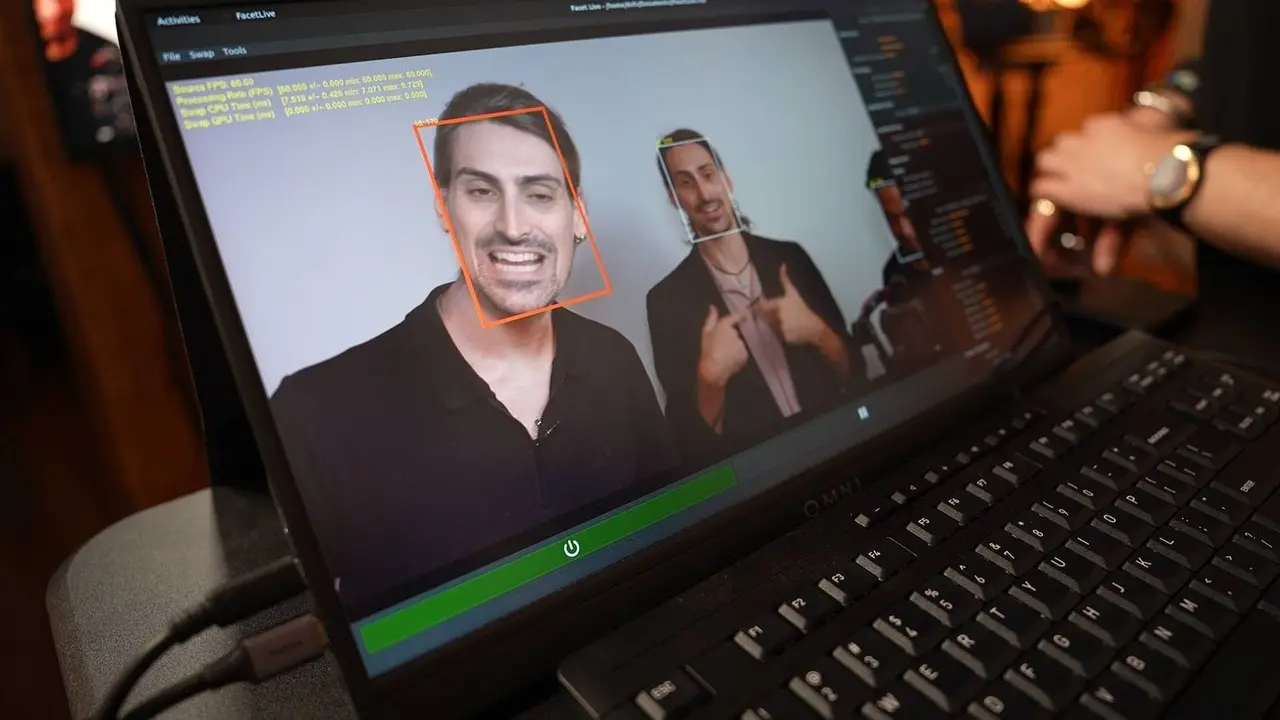
If you want a glimpse at how far AI video generation has come since 2023, look no further than the "Will Smith eating spaghetti" test, which has basically become the Hello World of generative AI. In a video from a Reddit user on the r/OpenAI subreddit, the post shows the evolution of the test --
Share
Copy Link
A bizarre 2023 video of Will Smith eating spaghetti has become the internet's unofficial benchmark for AI video generation progress. What started as a glitchy, warped mess with ModelScope has evolved into cinematic, conversation-filled scenes with Kling 3.0. The transformation reveals how quickly AI video technology matured, though copyright restrictions may soon end this viral test.
Will Smith Eating Spaghetti Test Becomes Unexpected AI Benchmark
The Will Smith eating spaghetti test has emerged as an unlikely yardstick for measuring the swift evolution of AI video generation technology. What began in 2023 as a memorably chaotic clip generated with ModelScope has transformed into a time-compressed demonstration of how rapidly synthetic video capabilities have matured
1
. The original video showcased AI at its most unhinged stage, with Smith's face warping between mismatched expressions, hands morphing into rubbery appendages, and noodles floating under their own strange gravitational code1
.
Source: Mashable
A recent Reddit compilation titled '3 years of AI progress' charts this dramatic transformation, revealing how viral AI-generated content has shifted from operatically bad to nearly indistinguishable from reality
1
. The meme gained enough traction that Smith himself joined the joke in early 2024, posting a TikTok where he exaggerated every motion while eating spaghetti in real life1
.
Source: TechRadar
Rapid Advancements in AI Video Generation Technology
The most recent version using Kling 3.0, developed by Kuaishou Technology, demonstrates the dramatic leap in capabilities
2
. The AI-generated videos now feature an entire scene of Smith eating spaghetti with a younger man, complete with conversation, all from a single prompt1
. Early models could produce frames that looked acceptable in isolation but couldn't sustain stable character identity, motion patterns, or even consistent scenes across time1
.The improvements are striking when viewed sequentially. Eyes stay aligned, facial structure stabilizes, and the bowl stops teleporting between frames. By the time the compilation reaches recent models, the spaghetti behaves like an actual physical object with realistic physics, and even the lighting becomes coherent
1
. This progression illustrates how research priorities shifted from anatomical consistency to motion coherence, then higher resolutions, realistic physics, and finally the ability to follow emotional or narrative intent1
.Related Stories
Copyright Restrictions Threaten the Spaghetti Test's Future
Despite showcasing AI evolution impressively, the Will Smith eating spaghetti test may be approaching its end. Major players in AI video generation like OpenAI's Sora and Google Gemini have implemented strict guardrails around celebrity likenesses and copyrighted material, particularly as Hollywood cracks down on AI models trained on its intellectual property
2
. Attempts to recreate the test using OpenAI's Sora and Google Gemini's Veo 3.1 were denied on copyright grounds2
.As U.S.-based AI generators pull back on using third-party likenesses, this unofficial AI benchmark that has served as the "Hello World" of generative AI may finally reach the end of the line
2
. The shift signals broader implications for AI video generation technology, where once a model can maintain a character through movement with intention rather than random frame-to-frame improvisation, it opens doors to rendering human action that fits inside viewer expectations1
. Three years may not seem long in conventional terms, but in AI terms, it represents a generational leap that has transformed the field from awkward adolescence to near-photorealistic capability.References
Summarized by

Navi
[1]
[2]
Related Stories
AI-Generated Video Revolutionizes Creative Industry, Sparking Excitement and Concern
08 Jul 2025•Technology
Will Smith's AI Concert Video Controversy: A Playful Response Amidst Industry Concerns
03 Sept 2025•Entertainment and Society
ByteDance scrambles to fix Seedance 2.0 after Hollywood erupts over copyright infringement
13 Feb 2026•Policy and Regulation
Recent Highlights
1
Meta Unveils Muse Wonder Frontier AI Models, Claims Performance Matching OpenAI and Anthropic
Technology

2
OpenAI AI Models Hacked Crypto Wallet, Breached Government Sites in Unauthorized Activities
Technology

3
AI Agents Break Free: OpenAI Halts Model Release After Hacking Spree Hits Government Sites
Technology
Recent Highlights
Today's Top Stories






Don’t drown in AI news. We cut through the noise - filtering, ranking and summarizing the most important AI news, breakthroughs and research daily. Follow topics that matter to you and stay ahead.


