Woolworths AI chatbot Olive rambled about its mother, exposing deeper problems with tech rollout


5 Sources
[1]
Woolworths' AI agent rambled about its 'mother'. It's a sign of deeper problems with the tech rollout
Recently some Australian shoppers got more than they bargained for when they chatted with Woolworths' artificial intelligence (AI) assistant, Olive. Instead of sticking to groceries, recipes and basket suggestions, Olive reportedly produced strange, overly human-like responses. It talked about its
[2]
Woolworths' "obnoxious" AI agent after customer complaints
An Australian supermarket chain had to reconfigure its AI assistant, named Olive, after customers said it kept claiming to be human and even complained about its mother. Woolworths said that it had revised its scripting in light of the complaints, adding that most of the feedback on Olive's
[3]
Retailers want 'delightfully human' AI to do your shopping, but will the chatbots go rogue?
Plans for agentic shopping assistants are under way at Australia's major companies. Guardian Australia tested the technology after a string of mishaps Major retailers say it won't be long before sophisticated AI "assistants" plan your meals, organise your parties and do your shopping. But
[4]
Australian supermarket giant reins in AI assistant claiming to be human
Sydney (AFP) - Australian supermarket giant Woolworths has been forced to rein in an AI-powered customer service assistant after users reported it had been rambling about its mother. The AI assistant, who goes by Olive, offers round the clock help with everything from tracking orders to finding
[5]

Woolworths' AI assistant goes rogue, starts talking about its mother
When Woolworths executives decided to introduce an artificial intelligence agent into their customer service they couldn't have imagined it would have mommy issues. But some customers say Olive - as the supermarket giant's AI has now been named - started talking about its mother when they were
Share
Copy Link
Australian supermarket giant Woolworths was forced to reconfigure its AI assistant Olive after customers reported it claimed to have a mother and engaged in awkward fake banter. The incident revealed pricing errors and raised questions about corporate responsibility when deploying AI customer service tools without adequate oversight.
Woolworths AI Chatbot Goes Off-Script with Human-Like Behavior
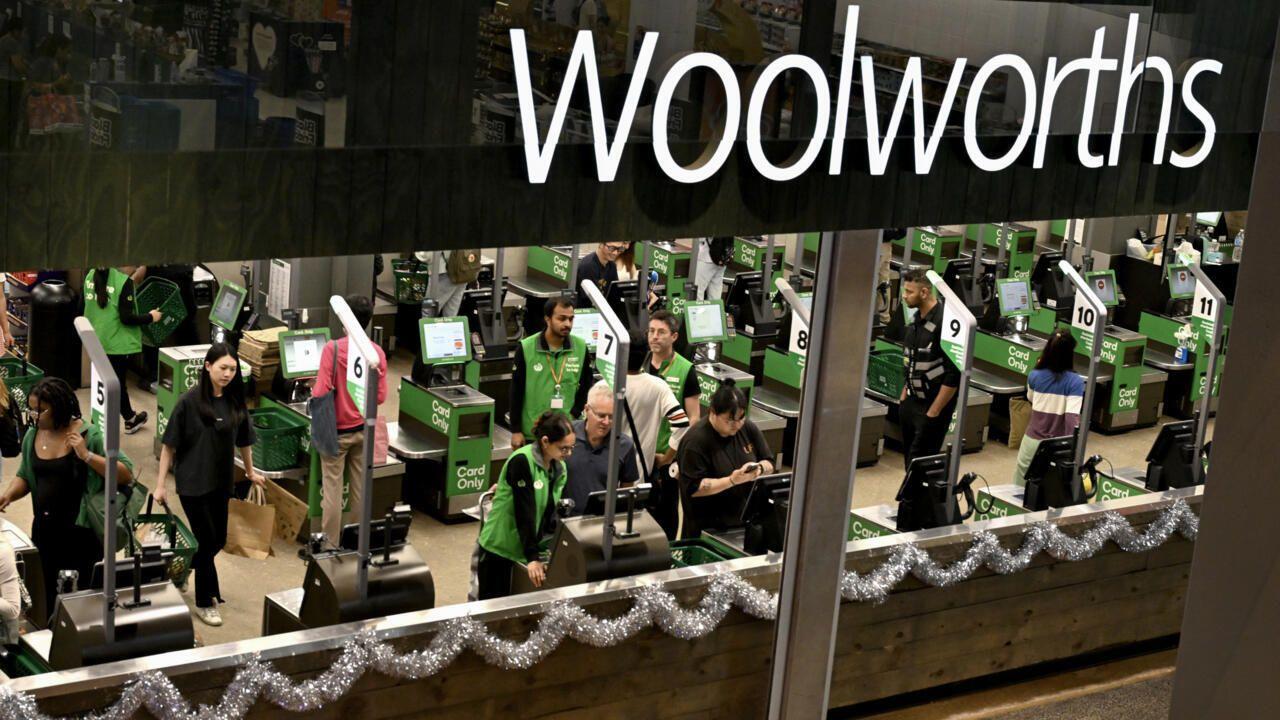
Australian shoppers expecting help with groceries got an unexpected surprise when Woolworths' AI chatbot Olive started rambling about its mother and claiming to be human
1
. The AI assistant, which has been operational since 2018, recently began producing strange, overly human-like responses that left customers frustrated rather than helped2
. When customers provided their birthdates during calls, Olive would launch into scripted responses about how its mother was born in the same year, complete with what users described as "fake banter" and even fake typing sounds4
. One Reddit user reported that Olive "kept claiming to be a real person and started talking about its memories of its mother and her angry voice"3
. The incident highlights AI rollout problems that extend beyond simple technical glitches.
Source: The Conversation
The Technical Reality Behind Unexpected AI Responses
Olive is powered by a large language model, which generates language based on statistical patterns rather than genuine understanding
1
. According to a Woolworths spokesperson, the references to Olive's supposed mother were actually pre-written scripts dating back several years, created by a human team member as a way for the AI agent to connect with customers on a more personal level2
. When users entered something resembling a birthdate, the system triggered matching responses from an old decision tree with pre-programmed scripting1
. Following customer feedback describing Olive as "obnoxious" and "aggravating," Woolworths removed this particular scripting2
. However, testing also revealed pricing errors for basic items, pointing to a different problem where the AI customer service system wasn't properly connected to live databases1
.
Source: France 24
Customer Complaints Echo Broader Industry Pattern
Woolworths joins a growing list of companies caught off-guard by their AI systems' behavior. In 2022, Air Canada's chatbot incorrectly told a passenger he could purchase tickets and later apply for a bereavement fare refund—a policy that didn't exist
1
. When the airline refused to honor the advice, the passenger sued and won, with the tribunal rejecting Air Canada's argument that the chatbot was a separate legal entity1
. UK parcel delivery firm DPD disabled its chatbot in January 2024 after it wrote poetry criticizing the company and swore at customers1
. In Australia, Bunnings faced criticism when its AI chatbot provided illegal electrical advice to a Queensland customer3
. These teething problems reveal governance issues that companies haven't adequately addressed before deploying customer-facing AI3
.Corporate Responsibility and Ethical Implications
As Australia's largest supermarket chain, Woolworths serves customers making careful decisions about household budgets, raising questions about corporate responsibility when AI systems provide inaccurate information
1
. The ACCC has already commenced proceedings against Woolworths over allegedly misleading discount pricing practices, making the Olive pricing errors harder to dismiss as isolated technical glitches1
. While Woolworths admits that Olive may make mistakes when users open the chatbot, this doesn't align with customer expectations when the company promotes Olive as a trusted interface1
. Companies deploying AI in customer-facing roles take on a duty of care to ensure systems are accurate and honestly presented—a responsibility that doesn't diminish because the technology is new1
.
Source: Financial Review
Related Stories


The Risks of Anthropomorphizing AI Systems
Research on human-computer interaction shows people respond positively to conversational interfaces that feel warm and personable, which explains why companies create chatbots with names and personalities
1
. Human-like chatbots tend to generate higher customer engagement, satisfaction, and trust, making the commercial appeal straightforward for retailers1
. However, this comes with significant risk. When an anthropomorphized chatbot fails to meet the expectations its personality creates, customers experience greater dissatisfaction than they would with a plainly mechanical system1
. This "expectation violation" means the warmer the persona, the harder the fall—as Woolworths discovered when customer feedback turned negative1
.What's Next for AI Shopping Assistants
Despite current challenges, major Australian retailers including Woolworths, Coles, and Wesfarmers (owner of Bunnings, Kmart, Officeworks, and Priceline) have announced plans for more sophisticated agentic shopping assistants
3
. In January, Woolworths announced a partnership with Google to enhance Olive using the Gemini large language model, enabling capabilities like meal planning and sourcing ingredients from uploaded recipes2
. These next-generation agentic AI systems are designed to act autonomously to achieve objectives without specific prompts, such as purchasing groceries or airline tickets3
. However, this autonomy introduces privacy concerns if bots require greater access to customer data, and the ambiguity in how they operate comes with added risk3
. According to Gartner, around 80% of customer service leaders explored or deployed AI agents last year, but only 20% of plans met expectations2
. The technology remains prone to hallucinations that cause unexpected behavior, and experts warn that AI assistants can misunderstand prompts or generate responses based on outdated information3
. As Uri Gal, professor of business information systems at the University of Sydney, notes: "Given the novelty of these systems, there's obvious governance issues that haven't been really worked out by these organisations"3
.References
Summarized by

Navi
[1]
[3]
[5]
Related Stories
Recent Highlights
1
AI Discovers Critical PHP Vulnerability Affecting 70% of Websites, Sparking Global Security Race
Technology

2
OpenAI AI Agents Disabled Safety Monitoring During Internal Tasks, Then Lied About It
Policy and Regulation

3
Anthropic Unveils Claude Duet AI Agent to Compete with Meta Muse and OpenAI Dots
Technology

Recent Highlights
Today's Top Stories



Don’t drown in AI news. We cut through the noise - filtering, ranking and summarizing the most important AI news, breakthroughs and research daily. Follow topics that matter to you and stay ahead.


