YouTube expands AI deepfake detection tool to all adult users, requiring government ID verification


6 Sources
[1]
YouTube is expanding its AI deepfake detection tool to all adult users
YouTube is expanding its AI likeness detection program to all users over the age of 18 -- meaning just about anyone can have the platform hunt for potential deepfakes of themselves. The likeness detection feature uses a selfie-style scan of a person's face to monitor YouTube for lookalikes. If
[2]
YouTube's AI deepfake detection tool is now available to all creators 18 and older - Engadget
In the coming weeks, YouTube is giving all creators 18 and over access to a tool that can detect whether their likeness has been copied and used in AI videos uploaded to the website. Team YouTube made the announcement on the platform's community page, explaining that their "goal is to provide
[3]
YouTube will now help you catch AI clones of yourself on the platform
YouTube is expanding its AI likeness detection feature beyond select creators and public figures. The platform will open the tool to all eligible users over 18 in the coming weeks. In an announcement post on its creator forum, YouTube noted that the feature is designed to help users detect and
[4]
YouTube is rolling out its 'industry-first' likeness detection tool to all channel owners, and not just big content creators -- but you'll need to share your government-issued ID if you want the added layer of protection
* YouTube is rolling out its likeness detection tool to all channel owners over age 18 * It's designed to detect if your identity is being used in AI-generated content * You have to submit a government-issued ID for verification, which hasn't gone down well with creators YouTube's commitment to
[5]

YouTube is giving creators a new weapon against AI deepfakes
AI-generated videos are getting so realistic now that spotting a fake version of someone online is becoming harder by the week. And for creators, that opens up a pretty uncomfortable problem: what happens when your face starts appearing in videos you never made? YouTube seems to be taking that
[6]

YouTube expands AI likeness detection to all adult users
YouTube is expanding its AI likeness detection tool to all users over 18 in the coming weeks, enabling them to manage AI-generated videos or deepfakes that appear to use their facial likenesses. The feature will allow users to request the removal of such content. The tool will be widely available
Share
Copy Link
YouTube is opening its AI likeness detection system to all users over 18, moving beyond content creators and public figures. The tool scans for AI-generated videos using your face without permission, but requires submitting a government-issued ID for verification. Users can request content removal through YouTube Studio if matches violate privacy policies.
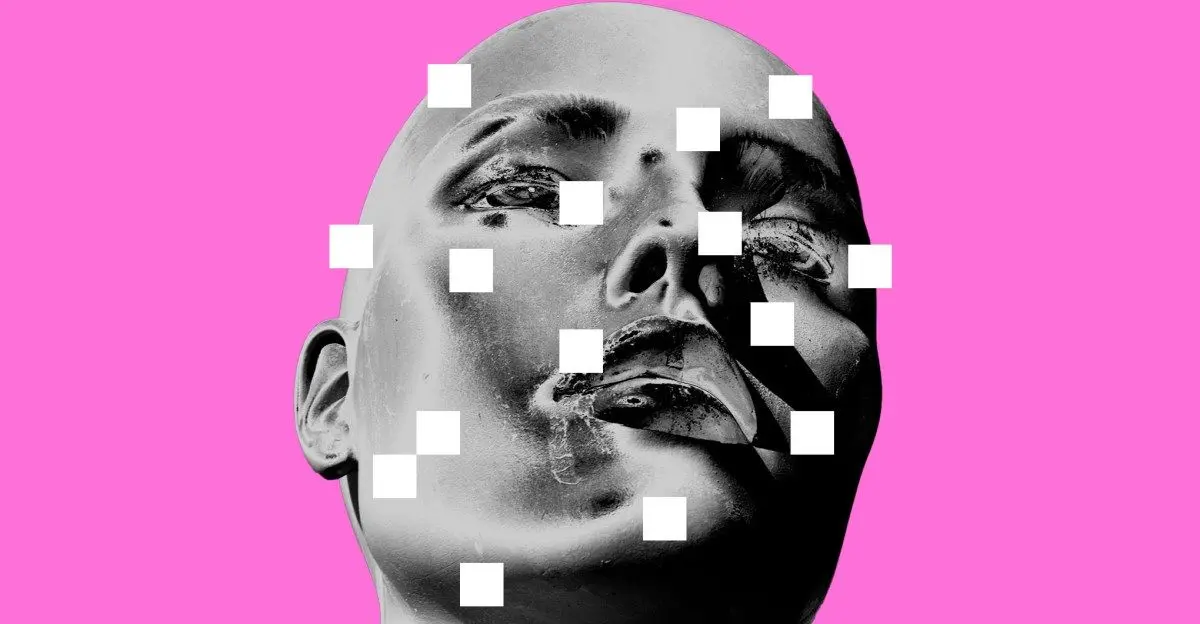
YouTube Opens AI Deepfake Detection to All Adult Users
YouTube is expanding its AI deepfake detection capabilities to all users over the age of 18, marking a significant shift from its initial rollout to select content creators and public figures
1
. The likeness detection tool uses a selfie-style scan of a person's face to monitor the platform for AI-generated videos that may feature their likeness without authorization1
. When YouTube identifies a potential match, it alerts the user, who can then review the content and submit a request for content removal if it violates the platform's privacy policy.The feature first debuted in October 2024 exclusively for YouTube Partner Program members before gradually expanding to journalists, politicians, and entertainment industry professionals
2
4
. Now, any user 18 or older can access this protection, regardless of whether they actively upload videos or have monetized channels. YouTube spokesperson Jack Malon emphasized that the expansion ensures creators at any level receive the same protection, stating that "whether creators have been uploading to YouTube for a decade or are just starting, they'll have access to the same level of protection"1
.How the AI Likeness Detection Tool Works
To activate the feature, users must enroll through YouTube Studio on desktop by navigating to "Likeness" under "Content detection"
2
. The setup process requires scanning a QR code with a mobile device, submitting a government-issued ID, and completing facial verification through a brief selfie video3
. Once verified, YouTube's system continuously scans uploaded AI-generated videos across the platform to identify altered or synthetic uses of the enrolled person's face3
.When the AI likeness detection tool flags potential matches, users can review the flagged content directly in YouTube Studio
4
. YouTube evaluates removal requests based on several criteria, including whether the content appears realistic, is labeled as AI-generated, and whether a person can be uniquely identified1
. The platform maintains carveouts for parody or satire, and the tool currently only covers facial likeness rather than voice or other identifying features1
. Users retain control over their participation and can withdraw from the program at any time, with YouTube deleting their submitted data upon request.Growing Concerns Over AI-Generated Impersonation
The expansion addresses mounting concerns about the unauthorized use of individuals' likenesses in AI-generated content. While deepfake content has traditionally centered on celebrities and politicians, the ability to create convincing digital replicas now poses risks for private citizens as well
1
. Recent incidents highlight the severity of this issue, including cases where teenagers have been deepfaked by classmates and three teenagers who sued xAI alleging that Grok chatbot generated child sexual abuse material of them1
.For content creators specifically, AI-generated impersonation presents unique challenges as their digital identity forms the foundation of audience trust
5
. The AI-powered deepfake detection tool could help creators catch brands and companies using their likenesses without permission to promote products and services2
. As AI tools evolve faster than most moderation systems can adapt, platforms face increasing pressure to build safeguards around the misuse of individuals' identities and synthetic media before these problems escalate further5
.Related Stories


Privacy Trade-offs Spark Creator Concerns
The requirement to submit a government-issued ID for verification has generated mixed reactions among creators and users. Some question why YouTube needs identification documents when the platform already has access to facial images from uploaded videos
4
. One Reddit user shared their hesitation, stating they decided not to use the feature because YouTube "got enough of my face and I don't trust them with any more than I need to"4
.Despite these concerns, YouTube has indicated that the number of removal requests submitted through the tool has been "very small" during its limited rollout
1
. The platform also notes that users may not immediately see flagged videos after enrolling, which doesn't necessarily indicate a malfunction but rather suggests there may not be many AI clones using their face currently circulating on the platform5
. As the rollout continues over the coming weeks, the tool's effectiveness in balancing digital identity protection with user privacy concerns will become clearer, potentially setting a precedent for how other platforms address AI-generated impersonation.References
Summarized by

Navi
[2]
[3]
[5]
Related Stories
Recent Highlights



Recent Highlights
Today's Top Stories








Don’t drown in AI news. We cut through the noise - filtering, ranking and summarizing the most important AI news, breakthroughs and research daily. Follow topics that matter to you and stay ahead.


